
Ever felt like finding the *right* hijab in the UK is harder than explaining to someone why your satin chiffon isn’t “just another scarf”? Yeah—same. Whether you’re wrapping your first hijab or adding to a collection that could fill an IKEA drawer, I see you. This guide was born out of countless convos with sisters (and my own late-night scrolls) trying to figure out what works best for our unpredictable weather, busy lives, and endless style moods.
From dreamy chiffons that float like a dua to practical cottons that survive Tube rides and toddler tugs, I’m breaking down everything you need to know. We’ll chat styles, fabrics, care tips, and where to shop without feeling overwhelmed or lost in a sea of bland options. And yes, every question you’ve ever quietly Googled about hijabs in the UK? We’re going there. By the end of this post, I’ll walk you through everything you’ve ever wondered about finding the perfect hijab in the UK—so let’s dive in.
Welcome to Your Ultimate Guide to Hijabs in the UK
Are you looking for the best hijabs in the UK? Whether you’re new to modest fashion or a seasoned pro, this guide has everything you need to know. From choosing the right hijab style for different occasions to understanding the best fabrics for UK weather, we’ll help you navigate the world of hijabs with ease and confidence.
In this post, we’ll cover a range of topics, including:
- Different types of hijabs and their uses
- How to choose the best fabric for the UK climate
- Where to buy hijabs in the UK—both online and in stores
- Essential hijab care and maintenance tips
By the end of this guide, you’ll be equipped with the knowledge to select the perfect hijab for any occasion, and you’ll know exactly where to buy them in the UK. Let’s dive in!
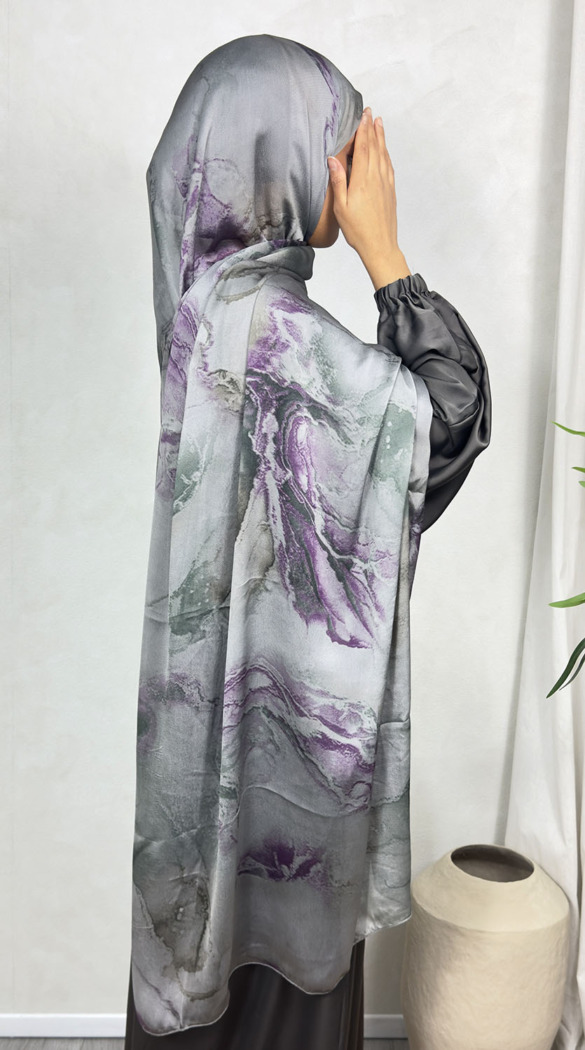
The Different Types of Hijabs: Which One is Right for You?
There’s a hijab style for every occasion, and choosing the right one depends on your personal preferences and the event you’re attending. In the UK, modest fashion has evolved, with many different hijab styles becoming popular. Let’s explore some of the most common hijab types you’ll find.
| Hijab Style | Best For | Key Features | Fabric Recommendation |
|---|---|---|---|
| Al-Amira | Everyday wear | Simple, two-piece design with a fitted cap | Jersey, cotton |
| Shayla | Formal events, casual wear | Long, draped scarf style | Chiffon, silk |
| Niqab | Full face coverage, formal settings | Covers the face with a mesh or fabric screen | Stretch cotton, crepe |
| Khimar | Casual and formal wear | Draped, no tie needed | Lightweight cotton, georgette |
These are just a few of the most common hijab styles you’ll encounter. Each offers a unique approach to modest fashion, so selecting the right one will depend on your personal style and the occasion you’re dressing for. Below, we’ll dive into the characteristics of each style and when to wear them.
What is a Hijab? Understanding the Basics of Modest Fashion
The hijab is more than just a piece of cloth; it represents a deep-rooted cultural and religious symbol for millions of women around the world. In this section, we will explore the core essence of the hijab, its significance, and how it ties into the broader concept of modest fashion, especially in the UK. Whether you’re looking to learn about hijab for personal or professional reasons, understanding its true meaning will help you appreciate its role in the modern world.
What is the Hijab?
The hijab is a modest garment worn by Muslim women to cover their hair, neck, and sometimes their chest, leaving the face exposed. While the word “hijab” itself means “covering” in Arabic, it has evolved in meaning to encompass not only the physical act of covering but also a symbol of modesty, privacy, and religious devotion. The hijab can take many different forms, depending on cultural influences, personal preferences, and the occasion.
The Key Elements of the Hijab
- Covering the Hair: The most recognizable feature of the hijab is that it covers the hair, ensuring that no strands are visible to those outside the family or close community.
- Modesty: In many Muslim traditions, modesty extends beyond the clothing itself to how one behaves and interacts with others, emphasizing humility and respect.
- Variety of Styles: While the hijab is most commonly associated with a headscarf, it can take various forms, such as the shawl-like hijab, a turban-style hijab, or even a full-body cover like the abaya or jilbab.

The Connection Between the Hijab and Modest Fashion
Modest fashion is a broader concept that emphasizes clothing choices that prioritize coverage, comfort, and self-expression without sacrificing style. The hijab, as a piece of modest fashion, serves as both a protective garment and an important cultural statement. In the UK, modest fashion has gained significant attention, with more designers and retailers embracing modest clothing options to cater to the needs of women who prefer to dress modestly while still being fashionable.
Why Choose Modest Fashion?
Choosing modest fashion, which includes wearing a hijab, can be driven by various reasons:
- Religious Beliefs: For many Muslim women, wearing the hijab is an act of faith and obedience to religious teachings that promote modesty.
- Empowerment: Modest fashion is a form of self-expression. Many women wear the hijab to feel empowered, comfortable, and confident, showcasing their personal style while adhering to their values.
- Privacy and Personal Comfort: Modest clothing, including the hijab, allows women to control their level of exposure and feel comfortable in their own skin, whether in public or private settings.
Understanding Modest Fashion in the Context of the UK
The United Kingdom, known for its diverse population, is a hub for fashion innovation, and modest fashion is no exception. British Muslim women, in particular, have helped shape and popularize modest fashion, making it both stylish and accessible. Modest fashion in the UK is not limited to the hijab but includes a variety of clothing choices like long dresses, tunics, and skirts. These pieces are often styled in ways that blend traditional modesty with modern trends.
Key Considerations for Wearing a Hijab
When considering the hijab, there are several factors to keep in mind that can affect how it is worn, including cultural context, weather, and personal preference. Understanding these elements can help ensure that the hijab is worn with confidence and comfort:
- Comfort and Fit: The material and fit of the hijab are crucial for comfort. Fabrics like cotton, chiffon, and jersey are popular for their breathability and softness.
- Seasonal Considerations: In the UK, the weather can be unpredictable, so choosing the right hijab material for the season is essential. Lighter fabrics are ideal for summer, while heavier materials like wool or velvet work better in colder months.
- Fashion and Style: The hijab is also a way for women to showcase their personal style. From floral prints to solid neutrals, there are countless ways to express creativity through the hijab without compromising modesty.
Why the Hijab is More Than Just a Fashion Choice
For many women, the hijab represents more than just a fashion accessory. It is a deeply personal decision that connects them to their faith, identity, and values. It can also serve as a tool for fostering respect and understanding, especially in diverse societies like the UK, where the hijab may be misunderstood by those unfamiliar with its cultural and religious significance. Understanding the hijab is crucial for bridging gaps and promoting inclusivity in both the fashion industry and society as a whole.
Respecting the Decision to Wear the Hijab
It’s important to approach the topic of the hijab with respect and an open mind. Wearing a hijab is a personal decision, and for many women, it is a choice that empowers them rather than limits them. It is essential to create spaces where hijab-wearing women can feel safe, supported, and celebrated for their choices, whether in professional, social, or fashion settings.
| Key Features of the Hijab | Importance |
|---|---|
| Covering the Hair | Essential for modesty and personal privacy. |
| Religious Symbolism | Represents commitment to faith and adherence to Islamic teachings. |
| Variety of Styles | Allows women to express personal style while maintaining modesty. |
| Comfort and Versatility | Worn in various ways to suit individual comfort and preference. |
In conclusion, understanding the hijab goes beyond its fabric. It is a symbol of modesty, a cultural statement, and an expression of personal identity. As modest fashion continues to grow in the UK, the hijab remains a central piece in promoting diversity, inclusivity, and empowerment.
The History of the Hijab: Cultural and Religious Significance
The hijab is far more than a contemporary fashion statement. Its roots trace back centuries, embedded deeply in both cultural and religious traditions. Understanding the history of the hijab not only provides insight into its religious and cultural significance but also helps contextualize its evolving role in the modern world. In this section, we explore the hijab’s origins, its religious significance, and its historical journey through various societies, leading to the diverse ways it is understood and worn today.
The Origins of the Hijab: Tracing Its Roots in Ancient Times
The concept of modest dress and the covering of the body has existed long before the term “hijab” came into common use. Ancient cultures, including those in Mesopotamia, Egypt, and Greece, had forms of modest attire that covered the hair and body. However, the modern understanding of the hijab, specifically in the Islamic context, can be traced back to the early Islamic era.
Pre-Islamic Modesty in the Middle East
Before the advent of Islam, many cultures in the Middle East practiced some form of modest dress, often for reasons related to social status, modesty, or protection from the harsh desert climate. For example:
- Assyrian and Babylonian Women: Women in these ancient civilizations often covered their heads with veils to signal their status and respectability.
- Ancient Egypt: Women in ancient Egypt also wore garments to cover their heads, a symbol of their position in society or as a sign of piety.
- Persian Empire: In ancient Persia, veiling was commonly practiced by the upper classes, primarily for modesty and privacy.
The Emergence of the Hijab in Islamic Tradition
The practice of covering one’s body, especially the hair, became codified in the early Islamic period through religious teachings. The Qur’an, the holy book of Islam, and Hadith (sayings and actions of the Prophet Muhammad) provided the foundational guidelines for modest dress among Muslim men and women.
Qur’anic References to Modesty
The most frequently cited Qur’anic verses related to modesty and the hijab are:
- Surah An-Nur (24:31): “And tell the believing women to lower their gaze and guard their modesty; and to not display their adornment except that which [ordinarily] appears thereof and to wrap [a portion of] their headcovers over their chests.”
- Surah Al-Ahzab (33:59): “O Prophet, tell your wives and your daughters and the women of the believers to bring down over themselves part of their outer garments [when they go out]. That is more suitable that they will be known and not be abused. And ever is Allah Forgiving and Merciful.”
The Hijab in Early Islamic Societies
The practice of wearing the hijab was established in the early Islamic community as a symbol of modesty, dignity, and respect. During the time of the Prophet Muhammad, the hijab was worn by the Prophet’s wives and women in the community, as it was a way to distinguish Muslim women from others and to ensure their privacy and safety.
Symbol of Identity and Respect
The hijab was seen as a symbol of respect and recognition within the community, a way for women to protect their dignity while participating in social and religious life. It also became associated with the concept of modesty, both in terms of outward appearance and inner conduct.
Influence of Early Islamic Rulings
The hijab’s place in Islamic culture was reinforced by early juristic rulings that emphasized modesty and privacy. While interpretations of the Qur’anic verses varied, there was a general agreement that both men and women should dress modestly and maintain modest behavior, but the hijab itself became a distinct practice among Muslim women.
The Hijab Through the Ages: Cultural Shifts and Changes
As Islamic empires expanded and different cultures and regions came into contact with Islam, the hijab’s style and practice evolved to reflect regional customs and fashion. Its significance, however, remained largely rooted in modesty and identity. Here’s how the hijab evolved throughout various historical periods:
The Umayyad and Abbasid Periods
During the Umayyad (661–750 CE) and Abbasid (750–1258 CE) periods, the hijab became more prominent in Islamic societies. This period saw the widespread adoption of veiling as a formal practice for women of all classes, with variations depending on the social and political context. In urban centers like Baghdad and Damascus, the elite classes began wearing luxurious veils and head coverings as a symbol of their wealth and status.
Ottoman Empire
The Ottoman Empire (1299–1922) saw the hijab continue to be worn by women, with distinct styles emerging based on social class, geography, and cultural norms. While the wealthy elite wore intricate veils made from silk and velvet, women of lower social classes often wore simpler head coverings. The Ottoman era is notable for its intricate and diverse interpretations of the hijab.
The Modern Era: The Hijab in the 20th and 21st Centuries
With the onset of modernization and colonialism, the hijab faced new challenges. During the 20th century, the practice of wearing the hijab fluctuated in response to political pressures, such as the rise of secularism in Turkey and the influence of Western fashion. In some countries, veiling became a symbol of resistance against colonialism, while in others, it was viewed as a traditional practice that needed to be modernized or abandoned.
In recent decades, particularly with the rise of global connectivity and the growth of social media, the hijab has seen a resurgence in popularity. More women than ever before are embracing the hijab as a personal choice and a symbol of empowerment, with many young women proudly sharing their hijab styles on social platforms, influencing both fashion and culture.
Key Points in the History of the Hijab
| Period | Key Developments |
|---|---|
| Pre-Islamic Middle East | Covering the body and hair was practiced by many ancient civilizations as a symbol of modesty, status, and piety. |
| Early Islamic Period | The hijab became codified as part of Islamic teachings, rooted in the Qur’an and Hadith, signifying modesty and respect. |
| Ottoman Empire | The hijab evolved, reflecting diverse regional styles and social classes, with an emphasis on modesty and dignity. |
| Modern Times | The hijab’s practice has fluctuated in response to cultural, political, and social changes, but is now embraced as a symbol of empowerment and identity. |
The Hijab Today: A Symbol of Faith and Empowerment
In today’s world, the hijab has come to symbolize both faith and empowerment. For many women, wearing the hijab is a choice that reflects their identity, faith, and personal values. It is also seen as a way to challenge stereotypes and reclaim the narrative around modesty in a world often focused on superficiality.
The hijab is no longer just a cultural or religious symbol but a global fashion statement, woven into the fabric of both modest fashion and the broader fashion industry. As more women around the world choose to wear the hijab, the garment continues to inspire new styles, movements, and conversations surrounding identity, culture, and faith.
How to Choose the Right Hijab for Different Occasions
Choosing the right hijab for different occasions is about more than just selecting a piece of fabric; it’s about expressing your personal style while remaining true to your faith and values. Whether you’re dressing for a casual day out, a formal event, or a religious gathering, the hijab you choose can make a statement. In this section, we will guide you through the process of selecting the perfect hijab for various occasions, keeping in mind both style and comfort.
Understanding the Basics: Key Factors to Consider
Before choosing the right hijab for any occasion, it’s important to keep a few key factors in mind. These include fabric, color, style, and how you plan to wear the hijab. Here are the basics to consider:
- Fabric: The fabric of the hijab will determine its overall look and feel. Lightweight fabrics like chiffon and georgette are perfect for casual outings, while heavier fabrics like velvet or silk are ideal for formal occasions.
- Color: The color of your hijab can reflect the formality of the event. Neutral tones like black, navy, or beige are versatile and appropriate for most occasions, while brighter colors or patterned hijabs are great for adding personality.
- Style: The way you style your hijab can greatly affect its appearance. From simple wraps to more intricate draping, your choice of style will depend on your comfort level and the occasion.
- Comfort: Always prioritize comfort when choosing a hijab, especially for long hours. Look for breathable fabrics and choose a style that allows you to feel at ease.
Choosing the Right Hijab for Casual Outings
For everyday activities like running errands, going for a coffee, or attending a casual gathering, comfort and simplicity should be your priority. A casual hijab is generally easy to wear and doesn’t require a lot of styling effort. Here are some ideas for casual hijab styles:
Recommended Fabrics for Casual Hijabs
- Chiffon: Lightweight, breathable, and comfortable, perfect for casual outings.
- Jersey: Soft and stretchy, making it ideal for everyday wear. It stays in place and is easy to maintain.
- Cotton: Known for its breathability and comfort, cotton hijabs are perfect for a laid-back look.
Style Ideas for Casual Hijabs
For a simple and chic casual look, try these styles:
- Loose Wrap: A casual wrap style that doesn’t require much effort, providing both comfort and a stylish look.
- Turban Style: A trendy style that’s quick and easy to wear, perfect for casual outings.
- Classic Draped Style: A simple drape that is elegant yet low-maintenance, ideal for daily wear.
Choosing the Right Hijab for Formal Events
When attending a wedding, a formal dinner, or a business meeting, your hijab should reflect the sophistication and formality of the occasion. For these types of events, choose materials that exude elegance while ensuring comfort and ease of movement.
Recommended Fabrics for Formal Hijabs
- Silk: Luxurious and smooth, perfect for weddings or formal gatherings. It adds a sophisticated touch to any outfit.
- Velvet: A rich and opulent fabric that’s perfect for winter or evening events. Velvet hijabs give a classy and elegant look.
- Organza: A light, transparent fabric with a delicate feel, ideal for high-end events and special occasions.
Style Ideas for Formal Hijabs
For formal events, you can opt for more polished and refined styles:
- Layered Style: Multiple layers of fabric create volume and elegance. Great for making a statement at formal events.
- Neatly Draped Style: A crisp, neatly draped hijab is perfect for weddings, galas, or formal dinners.
- Embellished Hijab: A hijab with subtle embellishments such as beads or embroidery adds a touch of glam without being too overpowering.
Choosing the Right Hijab for Religious Occasions
Religious occasions such as Eid, Jumu’ah prayers, and Ramadan require a hijab that is not only modest but also respectful of the significance of the occasion. The hijab should be worn in a way that is both reverent and comfortable for extended wear.
Recommended Fabrics for Religious Hijabs
- Wool: Thick, warm, and cozy, perfect for the colder months during religious gatherings.
- Cashmere: Soft, luxurious, and incredibly comfortable for long prayers or religious observances.
- Crepe: A smooth, textured fabric that drapes beautifully, making it a great choice for both modesty and comfort.
Style Ideas for Religious Hijabs
For religious occasions, here are some styles that are respectful and comfortable:
- Classic Full Coverage: A full-coverage style that provides modesty and comfort during prayers and religious gatherings.
- Simple Wrap: A straightforward and easy-to-wear style, perfect for long prayers and religious events.
- Loose Drape: A modest draped style that allows for movement while maintaining a respectful appearance.
How to Coordinate Your Hijab with Your Outfit
Choosing the right hijab also means considering how it complements your outfit. Whether you’re dressing up for a formal event or dressing down for a casual outing, matching your hijab to your clothing ensures a cohesive and stylish look.
Matching Hijabs with Casual Outfits
- Solid Color Hijabs: Pair with patterned or printed casual outfits to keep your look balanced.
- Neutral Tone Hijabs: Works well with most casual outfits, adding a touch of simplicity and sophistication.
Matching Hijabs with Formal Outfits
- Embroidered or Beaded Hijabs: Pair with a formal dress to add an extra touch of elegance.
- Rich Colored Hijabs: Opt for bold, rich colors like emerald green or royal blue to match the formality of your attire.
Summary: The Key to Choosing the Perfect Hijab
When choosing the right hijab for any occasion, always consider factors like fabric, style, color, and comfort. Whether you’re dressing for a casual day, a formal event, or a religious gathering, the right hijab can complement your look and help you express your personal style while staying true to your values. With the tips provided here, you’ll be able to confidently choose the hijab that suits each occasion perfectly.
Exploring the Various Styles of Hijabs Available in the UK
The UK is home to a rich and diverse range of hijab styles, offering countless options for Muslim women looking to blend modesty with style. Whether you’re attending a formal event, going to work, or simply stepping out for errands, there’s a hijab style to suit every occasion. In this section, we’ll explore the various hijab styles available in the UK, highlighting the unique features, fabrics, and versatility of each one. This guide will help you make an informed decision on which style is best for you, depending on your preferences and the occasion.
Understanding the Basics: Key Hijab Styles
The world of hijabs is diverse, with styles that vary based on regional traditions, fabric choice, and modern trends. Below, we’ll dive into the most popular hijab styles in the UK and their defining characteristics.
1. Classic Wrap Hijab
The classic wrap hijab is one of the most widely worn hijab styles in the UK. It’s versatile, simple to wear, and can be styled in countless ways. The beauty of the classic wrap lies in its simplicity and adaptability to different occasions, from casual to formal.
- Fabric: Typically made from cotton, chiffon, jersey, or georgette, providing comfort and breathability.
- Occasions: Suitable for daily wear, casual outings, and even formal occasions when styled elegantly.
- Style Tips: You can experiment with different wraps and draping techniques to achieve the desired look.
2. Turban Style Hijab
The turban style hijab has gained significant popularity in recent years due to its chic, modern aesthetic. This style involves wrapping the hijab around the head in a way that creates a turban-like appearance. It’s stylish, trendy, and practical, often favored by younger women.
- Fabric: Often made from stretchy materials like jersey, allowing for a snug and secure fit.
- Occasions: Ideal for casual outings, gym wear, or when you want a quick, fashionable look.
- Style Tips: Pair with casual outfits for a trendy and comfortable look. Avoid heavy fabrics to keep the style light and breathable.
3. Shawl Style Hijab
The shawl style hijab is a classic and elegant look often worn for formal events or religious gatherings. It involves draping the hijab loosely around the shoulders and head, offering full coverage while maintaining a graceful silhouette.
- Fabric: Shawl hijabs are often made from silk, satin, or lightweight georgette, offering a flowy and luxurious finish.
- Occasions: Perfect for weddings, formal dinners, or any event where you want to add a touch of sophistication.
- Style Tips: This style works best with an undercap to ensure a secure fit, and can be styled with delicate accessories like brooches or pins.
4. Al-Amira Hijab
The Al-Amira hijab consists of two pieces – a fitted cap worn underneath and a long scarf that is draped over the cap. It is an incredibly practical style, as the cap helps keep the hijab in place, making it a great option for busy women.
- Fabric: Commonly made from jersey or cotton, offering stretch and comfort.
- Occasions: Best for everyday use, casual outings, or activities where comfort and practicality are key.
- Style Tips: You can pair it with both casual and semi-formal outfits for a practical yet stylish look.
5. Niqab Style Hijab
The niqab style involves covering the face except for the eyes, creating a more modest look that is often seen in religious contexts. The niqab is typically worn with a full-body covering, and it’s a style that is common in various parts of the UK, particularly in areas with a large Muslim population.
- Fabric: Niqabs are usually made from opaque fabrics like cotton or polyester to ensure full coverage.
- Occasions: Typically worn for religious gatherings, special prayers, or when a woman prefers more privacy.
- Style Tips: Niqabs are usually paired with a loose-fitting abaya or jilbabs for full coverage.
Popular Fabrics for Hijabs in the UK
The fabric you choose for your hijab plays a significant role in its look and feel. Each fabric type brings its own unique benefits, depending on your style preferences and the occasion. Below are some popular hijab fabrics in the UK.
Hijab Fabric Comparison Table
| Fabric Type | Properties | Occasions | Best For |
|---|---|---|---|
| Chiffon | Lightweight, flowy, slightly sheer | Formal, semi-formal, evening wear | Elegant drapes and flowing styles |
| Jersey | Stretchy, soft, breathable | Casual wear, daily activities | Comfortable, easy to wear styles |
| Cotton | Soft, breathable, comfortable | Casual, everyday wear | All-day comfort |
| Silk | Luxurious, smooth, delicate | Weddings, formal events | Luxury styles and elegant looks |
| Georgette | Semi-sheer, crisp, soft drape | Formal, evening wear | Graceful draping styles |
How to Choose the Right Hijab Style for Your Face Shape
While there are no strict rules when it comes to choosing a hijab style, certain styles can complement different face shapes better. Here’s how to pick a style that suits your face shape:
For Round Faces
- Recommended Styles: Classic wrap or shawl style with more volume at the top to elongate the face.
- Fabric Suggestions: Cotton or chiffon for a bit of extra volume and structure.
For Oval Faces
- Recommended Styles: Almost any hijab style works well for oval faces. Try the turban style or classic wrap.
- Fabric Suggestions: Light fabrics like jersey or georgette work best.
For Square Faces
- Recommended Styles: Soft draped hijabs or styles with more rounded edges to soften the angles of the face.
- Fabric Suggestions: Flowing fabrics like chiffon or silk can add softness.
Summary: Finding the Right Hijab Style for You
The variety of hijab styles available in the UK ensures that every woman can find the perfect style to suit her personality, needs, and occasion. Whether you prefer the simplicity of a classic wrap or the modernity of a turban, there is a style that suits every face shape and lifestyle. By considering factors such as fabric, occasion, and personal preference, you can confidently choose the right hijab style for any situation.
How to Wear a Hijab: Step-by-Step Guide for Beginners
For those new to wearing the hijab, the process may seem daunting at first. But with a little practice, it becomes second nature. Whether you’re wearing a hijab for the first time or looking to improve your technique, this step-by-step guide will walk you through the process of wearing a hijab in a way that’s comfortable, stylish, and secure. From the basic wrap to more intricate styles, you’ll be able to confidently wear your hijab in no time.
Essential Hijab-Wearing Tools
Before you start, it’s important to gather the necessary tools that will help secure your hijab and make the process easier. Here’s what you’ll need:
- Hijab: The main piece of cloth you’ll be wearing.
- Under-cap: A snug cap that keeps your hair in place and provides a secure foundation for your hijab.
- Hijab pins: These are essential to secure your hijab in place. You can use decorative pins for added flair.
- Shawl pin (optional): A larger pin to secure your shawl-style hijab if you prefer that look.
- Mirror: A full-length mirror will help ensure your hijab is aligned correctly.
Step-by-Step Guide to Wearing the Hijab
Now that you’re equipped with the right tools, let’s get started with the step-by-step process of wearing a basic hijab. In this guide, we’ll cover the classic wrap style, which is both simple and elegant.
Step 1: Prepare Your Hair and Under-Cap
Start by wearing an under-cap. This will keep your hair in place and provide a smooth surface for the hijab to rest on. If your hair is longer, you may want to tuck it into a low bun or braid before wearing the under-cap. The under-cap should be snug, ensuring that your hair stays secure without any flyaways.
Step 2: Position the Hijab
Place the hijab over your head, ensuring that one side is longer than the other. The longer side will be draped across your chest, while the shorter side will be brought over your shoulder and tucked under your chin. This is the base of your hijab style.
Step 3: Adjust the Hijab for Comfort
Adjust the hijab to ensure it covers your chest and neck. The hijab should be snug but not tight. You can use a mirror to check that both sides of the hijab are even. Pull gently on both ends to ensure comfort and balance.
Step 4: Pin the Hijab in Place
Now it’s time to secure your hijab. Take one of the longer sides and drape it across your shoulder. Use a pin to secure it behind your ear. Be sure the pin is placed discreetly so it’s not visible. You can also pin the shorter side under your chin if you prefer extra security.
Step 5: Final Adjustments
Adjust any parts of the hijab that may have shifted during the process. Ensure that the fabric is smooth and that the hijab is covering your chest and neck completely. If you’re wearing a longer hijab, you can experiment with different draping styles, such as a loose wrap or a more structured look.
Step 6: Add Accessories (Optional)
If you’d like, you can add accessories to enhance the look of your hijab. This could include a decorative pin, a brooch, or even a headband. Accessories can add a personal touch and elevate your hijab style, especially for formal occasions.
Common Mistakes to Avoid When Wearing a Hijab
Here are some common mistakes to watch out for when wearing a hijab, especially for beginners:
- Incorrect Pin Placement: Pins should be discreet and placed where they won’t cause discomfort. Avoid putting too many pins in one place, as this can create a bulky look.
- Wearing the Hijab Too Tight: A tight hijab can be uncomfortable and may cause headaches. Ensure that the fabric is snug, but not restrictive.
- Leaving Gaps in the Coverage: Make sure the hijab fully covers your neck and chest. Gaps can make the hijab look uneven and may not meet your modesty requirements.
- Choosing the Wrong Fabric: Certain fabrics like chiffon or silk can slip more easily, making it difficult to keep the hijab in place. Opt for fabrics like jersey or cotton for better grip and comfort.
Helpful Tips for Wearing the Hijab
Here are some additional tips to make wearing the hijab easier and more comfortable:
- Choose the Right Fabric: Lightweight fabrics like cotton or jersey are great for everyday wear, while silk or satin can be ideal for special occasions.
- Experiment with Styles: Once you’ve mastered the basic wrap, try experimenting with different hijab styles, such as the turban style or shawl style, to see what suits you best.
- Secure with Pins: Always keep hijab pins handy to keep everything in place, especially when wearing hijabs made from slippery fabrics.
- Practice Makes Perfect: The more you wear your hijab, the easier it will become. Practice in front of a mirror until you feel confident and comfortable with the process.
Summary: Mastering the Hijab
Wearing a hijab for the first time can feel like a challenge, but with the right tools and techniques, it can be an easy and rewarding experience. The key is to be patient and practice until you feel comfortable with the process. Whether you’re wearing a simple classic wrap or exploring more intricate styles, always keep in mind that the hijab is a reflection of your personal style and commitment to modesty.
Step-by-Step Guide for Beginners Summary Table
| Step | Action |
|---|---|
| Step 1 | Wear an under-cap to keep hair in place. |
| Step 2 | Place the hijab over your head with one side longer than the other. |
| Step 3 | Adjust the hijab for comfort and evenness. |
| Step 4 | Pin the hijab in place behind your ear and under your chin. |
| Step 5 | Make final adjustments for smoothness and balance. |
| Step 6 | Add accessories, if desired, for a stylish touch. |
Hijab Styles for Different Face Shapes: Which One Suits You Best?
When choosing a hijab style, it’s important to consider your face shape to achieve a flattering and balanced look. Different face shapes can benefit from different hijab styles, and understanding what works best for your features can help you feel more confident and stylish. In this guide, we’ll explore how to choose the best hijab styles based on your face shape and highlight a few popular styles to try.
Identifying Your Face Shape
Before selecting the ideal hijab style, it’s essential to determine your face shape. Here are the most common face shapes:
- Oval Face Shape: The length of your face is about one and a half times its width, with a rounded jawline.
- Round Face Shape: Your face has soft curves, with a round jawline and the width and length of your face being approximately equal.
- Square Face Shape: Your face has strong angles, particularly at the jawline, with a square or angular chin.
- Heart-Shaped Face: Your face is wider at the forehead and tapers down to a pointed chin.
- Diamond Face Shape: Your face has a narrow forehead and jawline with wide cheekbones.
- Long/Rectangle Face Shape: Your face is longer than it is wide, with straight sides and an angular jawline.
Best Hijab Styles for Different Face Shapes
Once you’ve identified your face shape, it’s time to experiment with hijab styles that can complement your features. Here are some recommendations for different face shapes:
1. Hijab Styles for Oval Face Shapes
Oval face shapes are considered the most versatile, as they can pull off almost any hijab style. The balanced proportions of an oval face allow for a variety of looks, so you can experiment with both draped and wrapped hijabs.
- Best Style: A simple, loose wrap or a Turkish hijab style. The key is to add volume at the crown of your head to balance the soft lines of your face.
- Tip: Avoid overly tight wraps, as they can hide the natural balance of your face shape.
2. Hijab Styles for Round Face Shapes
For round faces, the goal is to create the illusion of length and reduce the fullness around the cheeks. A style that adds height and elongates your face will be most flattering.
- Best Style: A high wrap, or a hijab that is loosely draped and pulled back to create height. This style will elongate your face and draw attention to your eyes.
- Tip: Avoid hijabs that are too tightly wrapped around your face, as they can accentuate the roundness.
3. Hijab Styles for Square Face Shapes
Square faces have defined jawlines and angular features. The aim is to soften these angles while still showcasing your strong features.
- Best Style: A loose draped hijab that softens the sharp lines of your jaw. A cowl-style hijab or a side-tied hijab can work well for adding flow and movement.
- Tip: Avoid tightly wrapped hijabs around your jawline, as they can accentuate sharp angles.
4. Hijab Styles for Heart-Shaped Faces
Heart-shaped faces have a wider forehead and a narrower chin. The key is to balance the proportions and draw attention away from the forehead.
- Best Style: A soft drape with the hijab loosely covering the forehead. A layered look that adds width at the chin can also help balance the face shape.
- Tip: Avoid heavy volume on top of the head, as it can make the forehead appear larger.
5. Hijab Styles for Diamond Face Shapes
Diamond-shaped faces feature wide cheekbones and a narrow forehead and chin. The goal is to minimize the width of the cheekbones and add balance to the forehead and chin area.
- Best Style: A classic wrap or a loosely tied hijab with a drape that softens the cheekbones. A side-swept style can also work well to balance the sharpness of your features.
- Tip: Avoid too much volume at the sides of your face, as it can emphasize the width of the cheekbones.
6. Hijab Styles for Long/Rectangle Face Shapes
Long or rectangular faces are often characterized by a longer length with angular features. The aim is to create width and reduce the length of the face.
- Best Style: A style that wraps the hijab loosely around the face, creating volume around the sides. A shawl-style hijab can be flattering as it adds width at the cheeks and chin.
- Tip: Avoid styles that emphasize vertical lines or too much height, as this can elongate the face further.
Summary Table: Best Hijab Styles for Different Face Shapes
| Face Shape | Recommended Hijab Style | Style Tips |
|---|---|---|
| Oval | Loose wrap, Turkish hijab | Add volume at the crown |
| Round | High wrap, loosely draped hijab | Avoid tight wraps around the face |
| Square | Loose draped hijab, cowl style | Avoid tight wraps around the jawline |
| Heart-Shaped | Soft drape with loose forehead coverage | Avoid heavy volume on top |
| Diamond | Classic wrap, side-swept hijab | Avoid too much volume at the sides |
| Long/Rectangle | Loose wrap, shawl-style hijab | Avoid vertical lines and height |
Conclusion: Finding Your Perfect Hijab Style
Understanding your face shape and choosing the right hijab style can make a significant difference in how comfortable and confident you feel while wearing it. By experimenting with the styles outlined for your face shape, you can find the perfect look that enhances your features while remaining true to your personal style and modesty requirements.
Best Fabrics for Hijabs in the UK: Comfort Meets Style
Choosing the right fabric for your hijab is essential for both comfort and style. In the UK, where the weather can vary from chilly to warm, finding a fabric that is breathable, durable, and stylish is key. This section will explore the best hijab fabrics that blend comfort, fashion, and practicality, ensuring you feel confident and comfortable no matter the season.
Factors to Consider When Choosing Hijab Fabrics
When selecting a fabric for your hijab, several factors play a crucial role in making the best choice:
- Comfort: The fabric should be soft and gentle against the skin, especially if worn for long hours.
- Breathability: A breathable fabric prevents overheating, making it ideal for warm weather.
- Durability: Look for fabrics that are easy to maintain, resist wear and tear, and hold their shape over time.
- Style: Different fabrics offer different draping styles, textures, and finishes, allowing you to express your personal style.
- Weather: Consider the climate and season in the UK, as fabric weight and insulation properties vary for different weather conditions.
Top Hijab Fabrics for Comfort and Style
Here are some of the most popular hijab fabrics used in the UK, each offering a unique combination of comfort and style:
1. Cotton Hijabs
Cotton is a classic choice for hijabs due to its soft, breathable, and comfortable nature. It’s ideal for all seasons, as it provides enough breathability in warmer weather while offering comfort during colder months.
- Best For: Daily wear, casual outings, and summer seasons.
- Pros: Breathable, soft on the skin, easy to care for, and comes in a variety of colors and patterns.
- Cons: May wrinkle easily and require ironing to maintain a neat appearance.
2. Chiffon Hijabs
Chiffon is a lightweight, sheer fabric that adds an elegant touch to any outfit. It drapes beautifully and is perfect for formal occasions or when you want a more graceful look.
- Best For: Weddings, special occasions, and evening wear.
- Pros: Elegant, lightweight, and stylish with a silky feel.
- Cons: Slippery, may require an undercap or pins for secure styling.
3. Jersey Hijabs
Jersey fabric is soft, stretchy, and comfortable. It’s perfect for those who need a hijab that stays in place throughout the day without requiring constant adjustments.
- Best For: Everyday wear, active lifestyles, and busy days.
- Pros: Soft, stretchable, easy to wear, and doesn’t require pins to keep it in place.
- Cons: Less formal in appearance, can sometimes feel too casual for special events.
4. Silk Hijabs
Silk is a luxurious fabric that offers a smooth and shiny texture. It’s perfect for creating a sophisticated look while still feeling comfortable on the skin.
- Best For: Formal events, evening wear, and luxurious everyday styling.
- Pros: Soft, shiny, and elegant, with a natural cooling effect in warm weather.
- Cons: Requires careful maintenance, may be slippery and require extra styling support.
5. Georgette Hijabs
Georgette fabric is similar to chiffon but slightly heavier. It offers a slightly more structured drape and is commonly used for both casual and formal hijab styles.
- Best For: Workwear, formal events, and casual outings.
- Pros: Light, breathable, and drapes beautifully.
- Cons: Can be slightly more rigid compared to softer fabrics like chiffon.
6. Crepe Hijabs
Crepe is a textured fabric that offers a unique, crinkled effect. It’s perfect for creating volume and can be worn in both casual and formal settings.
- Best For: Everyday wear, formal events, and stylish looks.
- Pros: Soft, textured, and provides structure without being too stiff.
- Cons: Some crepe fabrics may feel heavier than others, so it’s important to choose a lightweight version for comfort.
Comparison Table: Best Hijab Fabrics for Comfort and Style
| Fabric | Best For | Pros | Cons |
|---|---|---|---|
| Cotton | Daily wear, casual outings, summer | Breathable, soft, easy to care for | Wrinkles easily |
| Chiffon | Weddings, special occasions | Elegant, lightweight, stylish | Slippery, requires pins |
| Jersey | Everyday wear, active lifestyles | Stretchable, stays in place | Less formal |
| Silk | Formal events, luxurious styling | Soft, shiny, cooling | Requires care, can be slippery |
| Georgette | Workwear, formal events | Light, breathable, beautiful drape | Can be slightly rigid |
| Crepe | Everyday wear, stylish looks | Soft, textured, provides structure | Heavier than other fabrics |
Conclusion: Choosing the Right Fabric for Your Hijab
The right hijab fabric can enhance both your comfort and your style. Whether you’re looking for something casual for daily wear or elegant for a special event, each fabric offers its own unique advantages. Consider factors such as comfort, breathability, and the occasion when selecting the perfect hijab fabric for you.
By understanding the properties of different fabrics and how they suit various occasions, you can make a more informed choice and ensure that your hijab is as comfortable as it is stylish.
How to Care for Your Hijabs: Maintenance Tips for Longevity
Taking care of your hijabs is essential for ensuring they stay beautiful and last for a long time. Whether you own delicate silk hijabs or casual cotton ones, proper maintenance helps preserve the fabric’s integrity, keeping it looking fresh and vibrant. In this section, we’ll share essential care tips to help you maintain your hijabs in perfect condition, regardless of the fabric type.
Why Proper Hijab Care is Important
Proper care and maintenance are crucial for extending the life of your hijabs. Improper handling can lead to fading, fabric wear, and even irreversible damage. By following a few simple care practices, you can keep your hijabs in excellent condition and ensure that they retain their soft, stylish appeal for years to come.
- Longevity: Regular care helps prevent fabric breakdown and ensures your hijab lasts longer.
- Appearance: Proper maintenance keeps colors bright, fabrics soft, and draping smooth.
- Hygiene: Clean hijabs are essential for skin health, especially if worn frequently.
General Hijab Care Tips
No matter the fabric, some care guidelines are universal when it comes to maintaining your hijabs:
- Hand Wash or Gentle Cycle: Always check the fabric care label. For most hijabs, hand washing with cold water is ideal, but if the fabric is durable, a gentle cycle on your washing machine is an option.
- Avoid Harsh Detergents: Use a mild detergent, especially for delicate fabrics like silk. Harsh chemicals can degrade the fabric’s quality.
- Do Not Wring: Wringing out your hijab can stretch or damage the fabric. Instead, gently press the water out or use a towel to blot the excess moisture.
- Avoid Fabric Softeners: These can leave residues that may impact the fabric’s texture and longevity, especially with lightweight materials like chiffon and silk.
Fabric-Specific Hijab Care Tips
1. Cotton Hijabs
Cotton is a durable and breathable fabric, making it easy to care for, but it still needs some attention to maintain its softness and prevent shrinking.
- Washing: Machine wash with cold water on a gentle cycle.
- Drying: Lay flat to dry or hang to avoid shrinkage.
- Ironing: Cotton wrinkles easily, so iron on a medium setting while the fabric is slightly damp.
2. Chiffon Hijabs
Chiffon is a delicate fabric that requires extra care to avoid damage, especially due to its slippery texture.
- Washing: Hand wash with cold water or use the delicate cycle on your washing machine.
- Drying: Avoid wringing the fabric. Hang or lay flat to dry naturally.
- Ironing: If necessary, use a low-heat iron or steam to smooth out wrinkles.
3. Jersey Hijabs
Jersey is stretchy and durable, but it still requires gentle care to maintain its elasticity and smooth texture.
- Washing: Machine wash in cold water on a gentle cycle.
- Drying: Air dry or tumble dry on low heat to prevent shrinkage.
- Ironing: Typically, jersey hijabs do not need ironing. If wrinkles occur, use a low-heat setting.
4. Silk Hijabs
Silk is a luxurious fabric that requires the utmost care to avoid damage and maintain its lustrous appearance.
- Washing: Hand wash with lukewarm water or use a silk-specific detergent.
- Drying: Lay flat or hang to dry, away from direct sunlight to prevent fading.
- Ironing: Use a low-heat iron with a cloth between the iron and the hijab, or steam to remove wrinkles.
5. Georgette Hijabs
Georgette is a slightly heavier fabric that requires delicate handling to maintain its structure and drape.
- Washing: Hand wash or machine wash on a gentle cycle with cold water.
- Drying: Lay flat or hang to dry, ensuring the fabric doesn’t stretch out.
- Ironing: Use a low to medium heat iron, or steam to remove wrinkles without flattening the fabric.
6. Crepe Hijabs
Crepe fabric is textured, which gives it a unique appearance, but it requires gentle care to maintain its crisp structure.
- Washing: Wash on a delicate cycle with cold water or hand wash.
- Drying: Hang to dry to prevent the fabric from losing its shape.
- Ironing: Use an iron on a low setting with steam, but avoid pressing too hard to keep the crinkled texture.
Storage Tips for Your Hijabs
Proper storage is just as important as washing your hijab to ensure its longevity. Here are some storage tips for keeping your hijabs in top condition:
- Use Hangers: Hang hijabs on padded hangers to prevent creases, especially for silk and chiffon fabrics.
- Fold Neatly: For fabrics that don’t wrinkle easily, fold them neatly and store them in a drawer or storage box.
- Protect from Sunlight: Store hijabs in a cool, dry place, away from direct sunlight to prevent fading and fabric damage.
- Use a Storage Bag: For extra protection, place your hijabs in a breathable fabric bag to prevent dust accumulation and avoid compression from other items.
Hijab Care and Longevity Summary Table
| Fabric | Washing Method | Drying Method | Ironing Tips |
|---|---|---|---|
| Cotton | Machine wash cold on gentle cycle | Flat lay or hang | Iron medium heat, slightly damp |
| Chiffon | Hand wash cold or delicate cycle | Hang or lay flat to dry | Low heat iron or steam |
| Jersey | Machine wash cold, gentle cycle | Air dry or tumble dry low | Iron on low heat if needed |
| Silk | Hand wash lukewarm or silk detergent | Lay flat or hang in the shade | Iron on low heat, use cloth between |
| Georgette | Hand wash or delicate cycle | Lay flat or hang to dry | Iron medium heat or steam |
| Crepe | Delicate cycle or hand wash cold | Hang to dry | Iron on low setting with steam |
Conclusion: Keep Your Hijabs in Top Shape
Caring for your hijabs doesn’t have to be difficult. With the right washing techniques, drying methods, and ironing tips, you can ensure that your hijabs last longer, remain beautiful, and continue to enhance your style. By taking the time to maintain your hijabs properly, you’ll preserve both their appearance and functionality, allowing them to stay in your wardrobe for years to come.
Hijab Shopping in the UK: Top Stores and Online Retailers
The UK is home to a wide variety of hijab brands and retailers that offer high-quality products, catering to all styles and preferences. Whether you’re looking for the latest designs, traditional styles, or unique accessories, there are plenty of options to choose from. In this section, we will explore some of the best hijab stores and online retailers in the UK, helping you find your perfect match while offering convenient shopping experiences.
Why Shopping for Hijabs in the UK is a Great Option
The UK has a rich, diverse cultural landscape, and this is reflected in the variety of hijab brands and retailers available. Whether you’re based in London or elsewhere, the UK provides an excellent range of shopping options that combine quality, convenience, and style. Here’s why hijab shopping in the UK stands out:
- Variety: You’ll find a wide selection of fabrics, colours, and styles, from casual everyday hijabs to elegant pieces for special occasions.
- Quality: Many UK-based retailers offer premium hijabs made from luxurious fabrics such as silk, chiffon, and jersey, ensuring comfort and durability.
- Accessibility: With both physical stores and online retailers, hijab shopping in the UK is convenient and accessible to everyone.
- Customisation: Some brands offer bespoke services, allowing you to tailor your hijab to your specific style needs.
Top Physical Hijab Stores in the UK
If you prefer the in-person shopping experience, several hijab boutiques across the UK offer a fantastic selection of hijabs, Islamic clothing, and accessories. Here are some of the best physical stores to visit:
1. Hijab House UK
Located in various UK cities, Hijab House UK offers a wide range of hijabs, abayas, and modest fashion clothing. The store is known for its trendy designs and high-quality fabrics, including silk, cotton, and jersey hijabs. Whether you’re looking for a casual or formal look, Hijab House UK has something for every occasion.
- Location: London, Birmingham, Manchester
- Product Range: Wide variety of hijabs, abayas, and modest clothing
- In-store Services: Personalized shopping assistance
2. Modanisa Boutique
With a flagship store in London, Modanisa is one of the leading modest fashion brands in the UK. Known for its modern and fashionable designs, it offers a wide selection of hijabs made from materials such as satin, cotton, and chiffon. In addition to hijabs, Modanisa also stocks a variety of modest dresses, outerwear, and accessories.
- Location: London
- Product Range: Hijabs, dresses, outerwear, accessories
- In-store Services: Exclusive in-store offers and styling advice
3. Shukr UK
Shukr is a well-known name in the modest fashion industry, and their UK store offers an extensive collection of hijabs, abayas, and modest clothing. Shukr focuses on high-quality, natural fabrics and timeless designs. The brand is perfect for those who appreciate classic, elegant styles.
- Location: London
- Product Range: Modest dresses, skirts, hijabs, and accessories
- In-store Services: Personal styling sessions
Top Online Hijab Retailers in the UK
For those who prefer the convenience of online shopping, the UK boasts several reputable online hijab retailers. These stores provide a diverse range of hijabs and modest fashion, along with easy online ordering, fast delivery, and exceptional customer service. Below are some of the best online hijab retailers in the UK:
1. Hijab Store UK
Hijab Store UK is a go-to destination for a wide range of affordable, high-quality hijabs. The store offers a vast collection of hijabs in different fabrics, including cotton, jersey, satin, and chiffon. They also feature a variety of prints, from solid colours to floral designs, perfect for everyday wear or special occasions.
- Website: www.hijabstore.co.uk
- Product Range: Cotton, jersey, chiffon, and satin hijabs
- Shipping: Fast UK-wide delivery
2. Modanisa (Online)
Modanisa is an established international brand that offers a huge variety of hijabs and modest clothing online. Their UK website provides easy access to their latest collections, including a range of premium hijabs made from high-quality fabrics like silk, wool, and jersey. Modanisa is perfect for those looking for modern and stylish options.
- Website: www.modanisa.com
- Product Range: Trendy hijabs, dresses, abayas, and accessories
- Shipping: International shipping to the UK
3. La Modesta
La Modesta is a UK-based online retailer that offers a curated selection of hijabs, abayas, and modest fashion. The store is known for its stylish and contemporary designs, including unique prints and textures. With regular new arrivals, La Modesta ensures you have access to the latest trends in modest fashion.
- Website: www.lamodesta.co.uk
- Product Range: Hijabs, abayas, modest tops, and accessories
- Shipping: Free UK delivery on orders over £50
4. The Hijab Company
The Hijab Company is another popular online retailer offering a vast range of hijabs and modest clothing. They specialize in a variety of fabrics, colours, and styles, catering to both casual and formal looks. Their user-friendly website makes it easy to find exactly what you’re looking for, from basic cotton hijabs to luxurious silk pieces.
- Website: www.thehijabcompany.com
- Product Range: Silk, cotton, and chiffon hijabs
- Shipping: Fast delivery within the UK
Comparison Table: Physical vs. Online Hijab Shopping
| Store Type | Advantages | Popular Retailers | Product Range |
|---|---|---|---|
| Physical Stores | Try before you buy, personalized shopping experience | Hijab House UK, Modanisa Boutique, Shukr UK | Hijabs, abayas, modest fashion |
| Online Retailers | Convenient, wider selection, home delivery | Hijab Store UK, Modanisa, La Modesta, The Hijab Company | Hijabs, dresses, accessories, and more |
Conclusion: Finding the Best Hijab Store for You
Whether you prefer shopping in-store or online, the UK offers a wealth of options when it comes to hijab shopping. From traditional hijab boutiques to modern online retailers, you’ll find the perfect hijab to complement your style. Take the time to explore different stores, try out new styles, and enjoy the experience of finding hijabs that make you feel confident and beautiful. Happy shopping!
Popular Hijab Trends in the UK: What’s In and What’s Out
The world of modest fashion is constantly evolving, and hijab trends in the UK are no exception. Whether you’re new to wearing a hijab or a long-time enthusiast, it’s important to stay on top of what’s in and what’s out. In this section, we’ll take a deep dive into the latest hijab trends taking the UK by storm, along with a look at the styles that are fading away. Read on to stay stylish and current!
What’s In: The Hijab Trends You Need to Know
The hijab fashion scene in the UK has been influenced by global trends, yet maintains a unique touch. Here are some of the most popular hijab trends currently dominating the market:
1. Bold Prints and Patterns
Bold prints are making a strong comeback in the UK hijab scene. Floral, geometric, and abstract patterns are becoming increasingly popular, offering a fresh and vibrant look. These designs allow hijab wearers to express their personality and stand out while keeping modesty intact.
- Floral prints for a soft, feminine vibe
- Geometric and abstract designs for a modern twist
- Mixing patterns with solid colours for a balanced look
2. Oversized and Statement Hijabs
Oversized hijabs are a must-have trend for 2025. Not only do they offer comfort, but they also provide versatility in styling. Statement hijabs with bold colours, textures, and embellishments are also taking the spotlight. These oversized pieces are ideal for those who want a more dramatic and fashionable appearance.
- Large, flowing hijabs for an effortlessly chic look
- Statement hijabs with sequins, embroidery, or unique textures
- Layered hijab styles for added volume and drama
3. Neutral and Earthy Tones
While vibrant colours are in, the trend for neutral, earthy tones is also on the rise. Beige, taupe, olive green, and dusty rose are perfect for creating a sophisticated, minimalistic aesthetic. These colours can be paired with nearly anything, making them a staple in any wardrobe.
- Beige, taupe, and ivory hues for a chic, refined look
- Olive green and mustard for earthy, nature-inspired tones
- Mixing neutral hijabs with statement accessories for balance
4. Turban-Style Hijabs
Turban-style hijabs have been gaining popularity in recent years due to their modern and sleek look. This style provides a fashionable and practical alternative to traditional hijabs, allowing for a more fitted and structured appearance. Turbans are ideal for casual wear or even formal occasions when styled with the right outfit.
- Easy to wear with minimal effort
- Gives a contemporary, structured feel
- Can be dressed up or down depending on the occasion
5. Lightweight Fabrics for Spring and Summer
As the UK enjoys warmer months, lightweight fabrics such as cotton, linen, and chiffon are trending. These fabrics are breathable, perfect for the changing seasons, and ideal for keeping you cool without compromising on style. Lightweight hijabs are versatile, allowing you to mix and match with various outfits for a breezy and fresh look.
- Cotton hijabs for comfort and breathability
- Linen and chiffon for an airy, summery vibe
- Easy-to-style hijabs that pair well with casual and formal wear
What’s Out: Hijab Trends to Avoid
As trends evolve, some hijab styles are starting to fade out of the spotlight. While it’s important to stay true to your own style, here are a few trends that are no longer as popular in the UK hijab scene:
1. Overly Structured Hijabs
While structured hijabs had their moment, they’re being replaced by softer, more relaxed styles. Overly rigid hijabs can feel restrictive and aren’t as versatile for daily wear. In contrast, more flowy and oversized styles are gaining traction due to their comfort and effortless elegance.
2. Heavy Embellishments
Excessive embellishments and overly decorated hijabs are no longer the go-to option for many modest fashion lovers. While embellishments can add elegance, the trend has shifted towards simpler, more refined designs. Focus is now on quality fabrics and minimalist aesthetics rather than bulky adornments.
3. Matching Hijab and Outfit Sets
While coordinating outfits and hijabs are still popular, the trend of matching hijabs and outfits perfectly is on the decline. People are moving towards more creative, personal combinations. Mixing and matching hijabs with different styles, fabrics, and colours is now more in vogue, offering a more unique and personalized look.
Trend Comparison Table: What’s In vs. What’s Out
| Trend | What’s In | What’s Out |
|---|---|---|
| Hijab Prints | Bold prints (floral, geometric, abstract) | Simple, plain hijabs with no pattern |
| Fabric Type | Lightweight fabrics like cotton, chiffon, and linen | Heavy, thick fabrics that aren’t breathable |
| Hijab Style | Turban-style hijabs, oversized hijabs, layered styles | Overly structured, stiff hijabs |
| Colours | Neutral and earthy tones (beige, taupe, olive) | Bright, neon, or overly loud colours |
| Embellishments | Simpler designs with elegant detailing | Overly embellished and decorated hijabs |
Conclusion: Embrace Your Style with Confidence
Fashion is all about self-expression, and your hijab is no different. While following trends can be exciting, it’s essential to wear what makes you feel comfortable and confident. Whether you’re into bold prints, neutral tones, or turban-style hijabs, the UK hijab scene offers plenty of options to choose from. Remember, modest fashion is timeless, and your unique style will always shine through, regardless of trends. Stay true to yourself, and let your hijab reflect your personality!
How to Style Your Hijab for Formal Events and Special Occasions
Styling your hijab for formal events and special occasions can be a delightful yet challenging task. Whether you’re attending a wedding, a gala, or a religious celebration, finding the right hijab style that complements your outfit is key to achieving a sophisticated and elegant look. In this section, we’ll share tips and tricks on how to style your hijab to perfection for those memorable events. From fabric selection to accessorizing, we’ve got you covered!
1. Choose the Right Fabric for Formal Looks
For formal events, the fabric of your hijab plays a significant role in your overall appearance. The right fabric can add an extra touch of luxury and elegance. Here are some popular fabrics to consider for formal occasions:
- Silk: Known for its smooth texture and rich shine, silk hijabs are perfect for weddings, galas, or formal dinners. The glossy finish exudes sophistication and pairs beautifully with evening wear.
- Chiffon: A lightweight and airy fabric, chiffon hijabs give a graceful flow and are ideal for warmer weather formal events. They can be draped effortlessly for a chic look.
- Velvet: Velvet hijabs add a luxurious feel to your outfit. They are perfect for colder weather and evening events, offering both warmth and a statement-making appearance.
- Cotton Satin: For a more comfortable but still polished look, cotton satin hijabs are a great option. They offer a gentle sheen without being too over-the-top.
2. Styling Tips for Formal Hijab Looks
Once you’ve chosen the right fabric, it’s time to focus on styling your hijab. Here are some styling tips to help you achieve a refined and sophisticated appearance for formal occasions:
1. Elegant Draping
When styling your hijab for formal events, opting for a simple yet elegant drape can make all the difference. A smooth, long drape with minimal folds offers a sleek look that complements formal attire. You can adjust the drape to create soft layers or go for a clean, streamlined effect.
2. Side-Tucked Styles
A side-tucked hijab style, where the ends are neatly tucked behind one shoulder, adds a refined and feminine touch to your outfit. This look works well with both high-neck and off-shoulder dresses, as it enhances the overall silhouette.
3. Volume with Layers
If you prefer a little more volume in your hijab, layering can be a great option. A layered hijab with a slight puff on top creates a balanced and regal look. It pairs beautifully with long, flowing gowns or high-waisted skirts for an elegant, poised appearance.
4. Accessorizing Your Hijab
Accessories are an excellent way to elevate your formal hijab look. Here are a few options to consider:
- Hijab Pins: Decorative hijab pins, especially those with rhinestones, pearls, or crystals, can add a touch of glamour to your hijab without overwhelming your outfit.
- Headbands: A simple, stylish headband can add structure to your hijab, making it look more polished and formal.
- Embellished Hijabs: If you’re feeling bold, opt for hijabs with subtle embellishments such as beads or sequins for a touch of sparkle.
3. Coordinating Hijabs with Formal Outfits
Coordinating your hijab with your formal outfit is crucial to achieving a harmonious look. Below are some tips on how to pair your hijab with different types of formal wear:
1. With Formal Dresses
When pairing your hijab with a formal dress, opt for a hijab that complements the colour and style of the dress. If your dress has intricate details, such as lace or beading, consider choosing a simpler hijab in a matching or neutral colour to avoid clashing.
2. With Jumpsuits and Tailored Suits
If you’re attending a formal event in a tailored suit or jumpsuit, a sleek, turban-style hijab can add a modern touch. For a more traditional look, consider a draped hijab with minimal accessories to let the suit or jumpsuit take centre stage.
3. With Abayas and Kaftans
For formal events where you’re wearing an abaya or kaftan, choose a hijab that enhances the overall silhouette. A simple, long draped hijab or a layered look works well, as it adds elegance without competing with the rich, flowing design of the abaya or kaftan.
4. Hijab Styling for Special Occasions: Weddings, Eid, and More
Special occasions call for special styling. Here are some tips for styling your hijab for weddings, Eid, and other significant events:
1. Weddings
For weddings, your hijab should reflect the festive and joyful mood. Consider a light, flowing chiffon hijab with intricate beading or embroidery to match the bride’s dress. You can also go for a delicate veil or lace overlay for a more traditional wedding look.
2. Eid Celebrations
Eid is a time to celebrate, and your hijab style should reflect that festive spirit. Bright colours, patterns, or even metallic fabrics are excellent for Eid. You can add a little sparkle with sequined hijabs or accessorize with gold pins and headbands to complement your outfit.
3. Religious Occasions
For religious occasions, such as Hajj or Umrah, modesty is key, and the hijab should be simple yet elegant. A classic, neutral-coloured hijab in materials like cotton satin or silk is ideal for these events, offering both comfort and style while maintaining a respectful look.
5. Hijab Styling Tips for Different Face Shapes
Different face shapes may require slight adjustments to your hijab style. Here are some general tips on how to style your hijab according to your face shape:
- Oval Face: Lucky for you, most hijab styles will suit an oval face! A side-draped or layered hijab will enhance your balanced face shape.
- Round Face: To elongate a round face, try a hijab style that is more fitted around the face with higher draping. A sleek, voluminous look works well here.
- Square Face: Soft, flowing drapes can help balance the angles of a square face. Avoid overly structured hijabs and opt for softer, rounder shapes.
- Heart-Shaped Face: A side-tucked hijab with volume at the top works great to add balance to a heart-shaped face, complementing your chin and cheekbones.
Conclusion: Elevate Your Formal Look with the Perfect Hijab
Styling your hijab for formal events and special occasions is all about choosing the right fabric, style, and accessories that complement your outfit and make you feel confident. Whether you prefer a sleek turban, an elegant draped style, or a voluminous layered look, there’s a hijab style that suits every occasion. By following these tips, you’ll be able to effortlessly enhance your formal outfits while maintaining the elegance and modesty that makes you shine.
Hijabs for Everyday Wear: Effortless Style for Busy Women
For busy women who are constantly on the go, finding a hijab style that is both practical and stylish can be a challenge. Whether you are running errands, heading to work, or picking up the kids, your hijab should be comfortable, easy to manage, and, of course, fashionable. In this section, we will explore simple yet chic hijab styles for everyday wear that offer a perfect blend of modesty, ease, and elegance.
1. Opt for Lightweight Fabrics for Comfort and Breathability
When you’re on the move, comfort is key. Lightweight fabrics are breathable and perfect for everyday wear, ensuring you stay cool and comfortable throughout your day. Here are some of the best fabrics to choose for daily hijab styles:
- Jersey: Soft, stretchy, and breathable, jersey fabric is ideal for everyday wear. It hugs your face comfortably and requires minimal styling, making it perfect for a quick and easy look.
- Cotton: Cotton hijabs are light and absorbent, perfect for warmer days or active lifestyles. Cotton is easy to style and keeps you feeling fresh all day long.
- Viscose: Viscose hijabs are silky to the touch and provide a smooth, breathable feel. They are ideal for casual outfits and can be styled in multiple ways without feeling heavy.
- Chiffon: For a more elegant everyday look, chiffon offers a light, airy feel while still providing coverage. Pair it with simple accessories for a refined yet effortless style.
2. Quick and Easy Hijab Styles for Busy Mornings
Sometimes, mornings can be hectic, and you don’t have the luxury of time to spend on intricate hijab styles. Here are some quick and easy hijab styles to get you out the door in no time:
1. Simple Wrap
The classic wrap style is one of the quickest and easiest ways to style your hijab for daily wear. Simply wrap the hijab around your head, ensuring one side is longer than the other, and tuck the ends for a smooth, clean look. It’s versatile and works with almost any outfit.
2. Turban Style
For a modern and chic look, the turban style is perfect for busy mornings. Simply fold the hijab into a triangle and wrap it around your head, tying the ends at the back or side. This style is practical, stylish, and works well with a variety of outfits.
3. Looped Hijab
For a no-fuss look, the looped hijab style is ideal. Fold the hijab into a long rectangle, drape it over your head, and pull one side through the loop to create a quick and neat look that lasts all day.
3. Choosing Versatile Hijabs for Every Outfit
When it comes to everyday wear, versatility is key. Here are some tips for choosing hijabs that can seamlessly match multiple outfits:
1. Neutral Colours
Neutral tones such as beige, black, white, and grey are perfect for everyday wear. These colours easily complement a wide range of outfits, from casual to professional, and are easy to style with different clothing items.
2. Patterned Hijabs
If you prefer something more playful, patterned hijabs are a great option. Subtle prints such as polka dots, stripes, or florals can add a touch of personality to your outfit without being overpowering.
3. Solid Colours for Clean Lines
Solid-colour hijabs provide a clean, minimalist look that pairs perfectly with any outfit. Choose hues that match or contrast with your clothing, such as pastel tones for spring or deeper shades for the colder months.
4. Tips for Maintaining Comfort Throughout the Day
Comfort is crucial when wearing a hijab all day, especially if you have a busy lifestyle. Here are some tips to ensure your hijab stays comfortable throughout your day:
- Choose Soft Fabrics: Fabrics like cotton or jersey are soft on the skin and won’t cause irritation, making them ideal for all-day wear.
- Secure Your Hijab Firmly: Use pins or a headband to secure your hijab without it feeling tight or uncomfortable. This will ensure it stays in place, even during active moments.
- Avoid Overstyling: Keep it simple. Excessive layering or tight wraps can lead to discomfort and make it harder to manage. Stick to straightforward styles that are easy to adjust.
- Use Lightweight Scarves: Lightweight scarves are breathable and won’t trap heat, ensuring that you stay cool and comfortable throughout the day.
5. Hijab Accessories to Enhance Your Everyday Look
Accessories can elevate your hijab style without requiring too much effort. Here are some accessories that are perfect for everyday wear:
- Hijab Pins: Decorative hijab pins add a touch of flair to your hijab while ensuring it stays securely in place. Choose simple, understated pins for a daily look, or go for something more embellished for special occasions.
- Headbands: Headbands can help keep your hijab in place while adding a bit of extra style. They’re great for both comfort and fashion.
- Hair Clips: For those who prefer a looser hijab style, hair clips can help keep stray strands in place while adding a decorative touch to your look.
- Hijab Caps: Wearing a fitted hijab cap underneath your scarf can help secure the fabric and prevent slippage, providing both comfort and a smooth look.
6. Building a Capsule Wardrobe for Everyday Hijabs
A capsule wardrobe is a collection of versatile pieces that can be mixed and matched to create multiple outfits. To create a capsule wardrobe for hijabs, focus on the following essentials:
- Basic Solid Hijabs: Include a few solid-colour hijabs in neutral tones that can be paired with a variety of outfits.
- Patterned Scarves: Add a couple of patterned hijabs for variety, choosing prints that are subtle and easy to incorporate into your daily wardrobe.
- Lightweight Fabrics: Opt for fabrics that work well in all seasons, such as cotton, jersey, and chiffon.
- Quick Styling Options: Include a few pre-tied or easy-to-wrap hijabs that save time on busy mornings.
7. Hijab Styles for Different Weather Conditions
Weather plays a key role in determining which hijab styles will be most comfortable for you. Here are some ideas for styling your hijab based on different weather conditions:
1. Summer:
During hot summer days, opt for lightweight cotton or jersey hijabs that allow air to flow freely. Choose light, breathable fabrics in pastel or neutral colours to keep you cool and comfortable.
2. Winter:
In colder months, heavier fabrics like wool or pashmina can offer extra warmth. Layer your hijab with a scarf or knit cap for added comfort and protection against the cold.
3. Spring and Autumn:
For transitional weather, choose medium-weight fabrics like chiffon or viscose. Pair these with a stylish cardigan or jacket for a cozy yet chic look.
Conclusion: Effortless Style Every Day with the Right Hijab
With the right fabric, accessories, and styling techniques, hijabs for everyday wear can be both practical and stylish. By opting for simple, comfortable styles and versatile fabrics, busy women can easily maintain a chic look while managing their daily routines. Whether you’re running errands or heading to work, you can enjoy effortless style and comfort with the perfect everyday hijab.
The Best Hijab Accessories: Pins, Caps, and More
Accessories are an essential part of every hijab style. Not only do they help secure your hijab in place, but they also allow you to express your personal style. From decorative pins to practical caps, hijab accessories can elevate your look while keeping things functional. In this section, we’ll explore the best hijab accessories—pins, caps, and more—that every hijabi should consider adding to her wardrobe.
1. Hijab Pins: Functional and Stylish
Hijab pins are one of the most essential accessories for securing your hijab. Not only do they keep your scarf in place, but they can also add a touch of personality and elegance to your outfit. There are many different types of pins, each serving a specific function while allowing for creativity. Here’s a quick guide to the best hijab pins available:
Types of Hijab Pins
| Type of Pin | Best For | Features |
|---|---|---|
| Ball Pins | Everyday wear | Simple, functional, and easy to use |
| Decorative Pins | Special occasions | Embellished with stones, pearls, or intricate designs |
| Magnetic Pins | Comfort and convenience | Easy to use without piercing the fabric |
| Safety Pins | Quick fix for hijab adjustments | Strong hold, used for tacking in place |
When selecting hijab pins, make sure they are rust-resistant, particularly if you live in humid climates. Additionally, choose pins with rounded tips to avoid poking or damaging your fabric.
2. Hijab Caps: The Foundation for a Neat Look
Hijab caps are worn under your hijab to provide a smooth base, ensuring your hijab stays securely in place. They are especially useful for adding volume, keeping hair tucked away, and giving your hijab a more polished appearance. Here’s a breakdown of the different types of hijab caps:
Types of Hijab Caps
| Type of Cap | Best For | Features |
|---|---|---|
| Cotton Cap | Casual everyday wear | Soft, breathable, and comfortable for all-day wear |
| Silk Cap | Special occasions | Gives a smooth, luxurious finish under your hijab |
| Tube Cap | Creating volume | Fits snugly and holds the hijab in place while adding volume to the style |
| Mesh Cap | Hot weather | Provides ventilation and prevents sweating under the hijab |
Make sure to select a hijab cap that complements the style and fabric of your hijab. For instance, cotton caps are great for comfort, while silk caps are ideal for formal occasions where a smooth, sleek appearance is desired.
3. Headbands: Adding a Touch of Style
Headbands are a great way to add extra flair to your hijab, especially when you’re aiming for a chic, trendy look. Whether you’re wearing a casual outfit or something more formal, a headband can complement your hijab and keep it in place at the same time.
Types of Headbands
| Type of Headband | Best For | Features |
|---|---|---|
| Fabric Headbands | Casual looks | Soft, flexible, and perfect for everyday wear |
| Metallic Headbands | Special events | Gives a more formal, elegant touch |
| Beaded Headbands | Weddings or formal gatherings | Embellished with beads or pearls for a glamorous look |
Headbands are versatile and come in various materials and designs, so you can easily find one that matches your personal style. They are ideal for keeping your hijab in place and adding a decorative element to your look.
4. Hijab Pins and Brooches: Statement Pieces
Hijab pins and brooches can turn a simple hijab style into something special. These accessories can be used to add a pop of color or intricate design to your hijab. Brooches, in particular, make for stunning statement pieces that can elevate your look without much effort.
Types of Hijab Pins and Brooches
| Type | Best For | Features |
|---|---|---|
| Floral Brooches | Spring or summer looks | Adds a feminine touch with floral designs |
| Crystal Pins | Evening wear or weddings | Gives a sophisticated and glamorous effect |
| Geometric Pins | Modern, minimalist style | Perfect for those who prefer a contemporary look |
Hijab pins and brooches come in various styles, from subtle designs to bold statement pieces. Select pins that complement the color and texture of your hijab for a harmonious look. Be sure to avoid heavy pins that could damage delicate fabrics.
5. Styling with Scarves and Shawls
For added warmth and style, scarves and shawls can be draped over your hijab, especially during cooler months. These accessories can also create a layered look that adds depth and interest to your outfit.
Types of Scarves and Shawls
| Type | Best For | Features |
|---|---|---|
| Pashmina Shawls | Winter wear | Provides warmth and adds a luxurious feel |
| Knit Scarves | Cold weather | Soft, cozy, and great for layering over your hijab |
| Lightweight Scarves | Spring or autumn | Perfect for layering without added bulk |
Scarves and shawls are ideal for creating a layered look and providing extra coverage. Pair them with your hijab for added warmth or to make a bold fashion statement.
Conclusion: Elevate Your Hijab with the Right Accessories
Hijab accessories are essential for both function and style. Whether you’re looking to secure your hijab, add a personal touch, or create a statement look, there are plenty of options to choose from. With the right pins, caps, headbands, and scarves, you can take your hijab style to the next level, making each outfit uniquely yours while maintaining modesty and comfort.
Hijab and Weather: How to Adapt Your Style for Different Seasons
Hijab styling isn’t just about fashion—it’s also about comfort, especially when dealing with varying weather conditions. Adapting your hijab style to suit the seasons can help you stay comfortable while maintaining your modesty and style. Whether you’re dressing for the chilly winter or the sweltering summer, there are simple adjustments you can make to ensure your hijab works with the weather. In this section, we’ll explore how to adapt your hijab style to different seasons, ensuring you’re always prepared.
1. Hijab for Summer: Stay Cool and Comfortable
Summer calls for lightweight, breathable fabrics that allow air circulation and keep you feeling fresh. It’s important to choose hijabs that don’t trap heat or sweat, making it easier to stay comfortable during the hotter months. Here’s how you can stay cool while maintaining your modesty in the summer:
Best Fabrics for Summer
| Fabric | Best For | Features |
|---|---|---|
| Cotton | Casual wear | Lightweight, breathable, and absorbent, perfect for hot weather |
| Linen | Hot climates | Natural fiber that allows airflow and keeps you cool |
| Chiffon | Formal events | Flowy and lightweight, ideal for hot weather with a formal touch |
| Jersey | Everyday wear | Soft, stretchy, and breathable, ensuring comfort throughout the day |
In the summer, go for loose-fitting hijabs that are not too tight, as tight hijabs can make you feel overheated. Opt for lighter colors as well, as they reflect sunlight and keep you cooler.
Additional Summer Tips
- Wear a breathable undercap or hijab cap to absorb sweat.
- Choose hijabs made from fabrics with moisture-wicking properties.
- Use cotton or satin hijab liners to keep your hijab in place without overheating.
2. Hijab for Winter: Stay Warm and Stylish
When the temperature drops, your hijab needs to provide warmth without sacrificing style. Layering and choosing thicker fabrics are key to staying warm in colder months. Here are some tips for styling your hijab during winter:
Best Fabrics for Winter
| Fabric | Best For | Features |
|---|---|---|
| Pashmina | Winter wear | Soft, warm, and luxurious—perfect for layering during colder months |
| Wool | Cold climates | Thick and insulating, provides warmth without added bulk |
| Knit | Casual wear | Stretchy and comfortable, ideal for adding a cozy touch to your hijab |
| Velvet | Special occasions | Luxurious and warm, giving your hijab a glamorous winter feel |
In winter, you can layer your hijab with scarves or shawls for added warmth. Choose darker colors to absorb heat from the sun and retain warmth.
Additional Winter Tips
- Pair your hijab with a warm coat or jacket to complete your winter look.
- Try knit caps or turbans under your hijab for added warmth.
- Consider wearing thermal hijab liners to keep you extra cozy.
3. Hijab for Spring and Autumn: Versatile and Layered Looks
Spring and autumn bring mild weather, which means you can have a little more flexibility with your hijab style. During these transitional seasons, layering is key, as temperatures can fluctuate throughout the day. Here’s how you can adapt your hijab style:
Best Fabrics for Spring and Autumn
| Fabric | Best For | Features |
|---|---|---|
| Viscose | Transitional weather | Soft and breathable, works well for layering in moderate temperatures |
| Modal | Casual wear | Lightweight, yet warm enough for cooler weather |
| Crepe | Workwear or casual events | Soft, textured fabric perfect for layering with other items |
| Satin | Special occasions | Elegant sheen, perfect for evenings or formal events |
In the spring and autumn, you can wear lighter layers and mix and match different fabrics to stay comfortable no matter the temperature. A scarf, shawl, or a light jacket can be perfect for these seasons.
Additional Spring and Autumn Tips
- Try combining lightweight hijabs with cardigans or trench coats for a chic layered look.
- Opt for scarves with added texture or subtle prints to keep things interesting.
- Pair your hijab with a light cardigan or blazer to transition from day to evening wear smoothly.
4. How to Maintain Your Hijab in Different Weather Conditions
Regardless of the season, proper care of your hijab is essential to maintain its look and feel. Here are some tips on how to care for your hijabs in different weather conditions:
Care Tips for Different Seasons
| Season | Care Tip | Why It’s Important |
|---|---|---|
| Summer | Wash hijabs frequently to remove sweat and dirt. | Prevents buildup of sweat and odor, keeping your hijabs fresh. |
| Winter | Store hijabs properly to avoid fabric damage from cold and moisture. | Prevents wear and tear caused by harsh winter conditions. |
| Spring/Autumn | Use fabric softeners for a smooth finish. | Maintains the texture and feel of hijabs during mild weather. |
Taking proper care of your hijabs based on the season ensures they stay in top condition and continue to provide comfort and style throughout the year.
Conclusion: Embrace the Season with the Right Hijab Style
Adapting your hijab style to different seasons is all about finding the right balance between comfort and fashion. By choosing the right fabrics, layering appropriately, and maintaining your hijabs, you can create stylish looks that work with the weather, not against it. Whether you’re braving the heat of summer or the chill of winter, your hijab can keep you looking beautiful and feeling confident all year long.
What to Avoid When Wearing a Hijab: Common Mistakes to Watch Out For
Wearing a hijab is an empowering expression of modesty and style, but just like any fashion choice, it’s important to avoid common mistakes to ensure you’re comfortable and confident. Whether you’re a hijab newbie or a seasoned pro, there are some things you should steer clear of to make your hijab-wearing experience smoother and more enjoyable. In this section, we’ll highlight the common mistakes to watch out for and offer tips on how to correct them for a flawless hijab look every time.
1. Wearing an Ill-Fitting Hijab
One of the most common mistakes is choosing a hijab that doesn’t fit your face shape or comfort level. A hijab that’s too tight can cause discomfort, headaches, and even hair damage, while a loose one might not stay in place throughout the day.
How to Avoid This Mistake
Choose a hijab that fits comfortably around your face and head. It should not be too tight or too loose. Opt for hijabs that offer some stretch, so they stay in place without putting too much pressure on your scalp.
Recommended Hijabs for a Good Fit
| Fabric | Fit | Why It’s Ideal |
|---|---|---|
| Jersey | Stretchy | Offers a snug fit without being too tight, ideal for everyday wear |
| Chiffon | Loose | Flowy and breathable, ideal for layering and comfortable wear |
| Cotton | Moderate stretch | Provides a balanced fit, offering both comfort and style |
2. Not Using Proper Undercaps or Hijab Caps
Undercaps or hijab caps are essential accessories that help keep your hijab in place and provide additional comfort. Not wearing them or choosing an incorrect one can lead to your hijab slipping or moving throughout the day.
How to Avoid This Mistake
Use an undercap or hijab cap that fits your head comfortably. Look for soft, breathable materials like cotton that won’t cause irritation or discomfort, especially when worn for long periods. Make sure the cap doesn’t pinch your scalp or slide off.
Best Undercaps and Caps for Comfort
| Type of Cap | Best For | Why It’s Recommended |
|---|---|---|
| Basic Cotton Undercap | Everyday wear | Soft, breathable, and holds the hijab in place all day |
| Silk Hijab Cap | Special occasions | Provides smoothness and reduces friction, ideal for luxurious looks |
| Stretchy Jersey Cap | Active wear | Stays in place and gives comfort without causing tension |
3. Wearing Hijabs That Don’t Match Your Outfit
Matching your hijab with your outfit is essential for creating a polished and cohesive look. Wearing a hijab that doesn’t complement your clothing in terms of color or fabric can disrupt your overall style and make your outfit look disjointed.
How to Avoid This Mistake
When choosing a hijab, consider the colors and textures of the outfit you plan to wear. Neutral-colored hijabs like beige, black, and white are versatile and work with almost anything, but don’t shy away from experimenting with colors or patterns that match or enhance your outfit.
Tips for Pairing Hijabs with Outfits
- Opt for a neutral-colored hijab if you’re wearing a bold-patterned outfit.
- If your outfit is neutral, try adding a pop of color or a patterned hijab for added interest.
- Consider the fabric of your outfit. If you’re wearing something formal, go for a silk or satin hijab for an elegant touch.
- For casual wear, cotton or jersey hijabs are a perfect match.
4. Not Considering the Season When Choosing Fabrics
Choosing the wrong fabric based on the season can lead to discomfort and even affect the longevity of your hijabs. For example, wearing a heavy wool hijab during summer can make you feel too hot, while a lightweight chiffon hijab during winter might not keep you warm enough.
How to Avoid This Mistake
Be mindful of the season and weather conditions when selecting your hijab fabric. In warmer months, go for breathable, lightweight fabrics like cotton and chiffon. During colder months, opt for heavier fabrics like wool or pashmina for warmth.
Seasonal Hijab Fabric Guide
| Season | Best Fabrics | Why It’s Ideal |
|---|---|---|
| Summer | Cotton, Linen, Chiffon | Breathable, lightweight, and perfect for staying cool |
| Winter | Pashmina, Wool, Velvet | Thick, insulating, and ideal for keeping warm |
| Spring/Autumn | Viscose, Modal, Crepe | Lightweight but provides just enough warmth for milder temperatures |
5. Ignoring Comfort and Breathability
Comfort is key when it comes to wearing a hijab for extended periods. Choosing fabrics that are not breathable or tight can lead to sweating, discomfort, and even skin irritation. It’s important to prioritize comfort and functionality without compromising on style.
How to Avoid This Mistake
Always opt for breathable fabrics, especially if you’re wearing the hijab all day. Cotton, jersey, and bamboo fabrics are perfect for maintaining airflow and preventing overheating. Don’t sacrifice comfort for appearance—find the balance between both.
Comfortable Hijabs for Everyday Wear
| Fabric | Best For | Why It’s Comfortable |
|---|---|---|
| Cotton | Daily wear | Soft, breathable, and comfortable for all-day wear |
| Bamboo | Sensitive skin | Hypoallergenic and breathable, great for sensitive skin |
| Jersey | Casual/Active wear | Stretchy, comfortable, and keeps its shape throughout the day |
Conclusion: Avoiding Common Hijab Mistakes for a Flawless Look
Wearing a hijab is about feeling confident and comfortable in your own skin, and avoiding these common mistakes will help you achieve just that. By choosing the right fit, fabric, and accessories, you can ensure that your hijab complements your personal style while keeping you comfortable throughout the day. Always prioritize your comfort and the practicality of your hijab, and don’t be afraid to experiment with new styles, colors, and fabrics. With the right attention to detail, your hijab can be a beautiful and functional part of your wardrobe.
The Hijab and Professional Attire: How to Look Polished at Work
Wearing a hijab to work doesn’t mean compromising on style or professionalism. In fact, it can elevate your look and show that you are confident and empowered. Whether you’re heading to a corporate job, a creative agency, or an educational setting, finding the right balance between modesty and professional style is key. This section will guide you through how to incorporate your hijab into a polished, sophisticated professional wardrobe while adhering to workplace dress codes.
1. Choose Minimalist, Elegant Hijabs
When it comes to professional attire, less is often more. Opt for simple, elegant hijabs in neutral colors that will complement your outfits without overwhelming them. Subtle patterns, such as stripes or geometric designs, can add interest to your look without being too distracting.
How to Avoid Overly Busy Hijabs
Avoid hijabs with bold patterns or overly bright colors when dressing for the workplace. Instead, focus on colors like black, beige, navy, or soft pastels, which are versatile and pair well with most professional attire. The key is to blend your hijab seamlessly into your overall outfit.
Recommended Hijabs for Professional Looks
| Color | Best For | Why It’s Ideal |
|---|---|---|
| Black | Formal settings | Timeless, classic, and professional. Matches well with any outfit. |
| Beige | Daily office wear | Neutral, soft, and complements most wardrobe colors. |
| Navy Blue | Business meetings | Professional and strong, but not overpowering. Works well with dark and light outfits. |
2. Pair Your Hijab with Tailored Pieces
Tailored clothing is the foundation of professional attire. Blazers, structured trousers, pencil skirts, and well-fitted shirts should be your go-to items. When paired with a simple, sleek hijab, these pieces create a polished and sophisticated look.
How to Avoid Loose or Ill-Fitting Clothes
While loose clothing can be stylish in casual settings, it’s important to ensure that your work attire fits well. Avoid overly baggy clothing, as it can make you appear unkempt. Instead, opt for pieces that offer structure without being tight or uncomfortable.
Professional Outfits with Hijab
| Outfit Piece | Best Fabrics | Why It’s Recommended |
|---|---|---|
| Blazer | Wool, Polyester | Provides structure and professionalism, perfect for meetings. |
| Pencil Skirt | Cotton, Stretch fabrics | Classic, flattering, and work-appropriate for a modest look. |
| Tailored Trousers | Wool, Twill | Comfortable and smart, ideal for any professional setting. |
3. Experiment with Modest, Structured Dresses
If you’re looking for an easy, one-piece outfit, structured dresses can be a great option. A modest dress that’s fitted but not tight provides an elegant and professional look. When choosing a dress, go for high-quality fabrics like wool blends or cotton that are breathable and comfortable for all-day wear.
How to Keep Dresses Professional
Avoid dresses that are too casual or overly embellished. Simple, clean lines with minimal decoration work best in a professional environment. Additionally, consider layering your dress with a light cardigan or jacket to add structure and balance to the outfit.
Best Professional Dresses for Hijab Wearers
| Dress Style | Best Fabrics | Why It’s Ideal |
|---|---|---|
| Shift Dress | Cotton, Silk Blend | Simple, elegant, and easy to layer with a hijab. |
| Maxi Dress | Wool Blend, Jersey | Long, modest, and professional when paired with a blazer. |
| A-Line Dress | Stretch Cotton | Flattering on most body types and ideal for modest workwear. |
4. Layer Smartly for Extra Polished Looks
Layering is a fantastic way to add dimension to your professional attire while maintaining modesty. A well-chosen outer layer, like a tailored blazer, trench coat, or cardigan, can elevate your outfit and make it more work-appropriate.
How to Avoid Over-Accessorizing
While accessories can enhance your look, too many accessories can detract from the professional appearance. Stick to one or two key pieces, such as a classic watch, subtle earrings, or a sleek handbag, to keep your outfit polished.
Essential Layering Pieces for Professional Wear
| Layering Piece | Best Fabrics | Why It’s Recommended |
|---|---|---|
| Blazer | Wool, Polyester | Sharp, structured look that elevates any outfit. |
| Cardigan | Cashmere, Wool | Soft, comfortable, and adds a cozy yet professional layer. |
| Trench Coat | Cotton Blend, Polyester | Perfect for transitioning between seasons while looking stylish and professional. |
5. Keep Hair and Accessories Neat
One of the most important elements of professional hijab-wearing is neatness. Ensure your hijab is properly styled, and that your hair is neatly tucked away. Use accessories like hijab pins, clips, or bands to secure your hijab in place without adding bulk or mess.
How to Avoid Messy or Slipping Hijabs
Always secure your hijab properly using pins or a cap underneath. Make sure the fabric is evenly draped and that your hijab stays in place throughout the day. Consider using a non-slip undercap for extra security.
Professional Hijab Accessories
| Accessory | Best For | Why It’s Ideal |
|---|---|---|
| Hijab Pins | Securing the hijab in place | Keeps the hijab neat and avoids slips throughout the day. |
| Undercaps | Base layer | Provides stability and helps maintain the hijab’s position. |
| Clip-on Scarves | Convenience | Easy to wear and keep the hijab in place without pins. |
Conclusion: Professional and Polished with a Hijab
Wearing a hijab in the workplace doesn’t just reflect your modesty; it also speaks volumes about your personal style and professionalism. By selecting the right hijab, pairing it with tailored pieces, and keeping your outfit neat and well-structured, you can confidently navigate any professional environment. With the right hijab accessories, clothing, and layering techniques, your hijab can become an essential part of your polished work attire.
Hijab Fashion for Young Women: Trendy Looks for Teenagers
For many young women, wearing a hijab is a way to express both their faith and fashion sense. The right hijab can be the perfect accessory to complete any outfit, whether it’s for a casual day out, school, or a special event. This section will highlight some trendy hijab styles and outfits for teenagers, combining modern fashion trends with the modesty of the hijab.
1. Casual Cool: The Everyday Hijab Look
For teenagers, comfort and style are key when it comes to casual outfits. A laid-back, everyday look with a hijab can easily be achieved by pairing it with simple yet stylish clothing. Think oversized sweaters, skinny jeans, or cute sneakers. The idea is to combine comfort with chicness without sacrificing modesty.
Trendy Hijab Styles for Casual Wear
For an effortlessly stylish casual look, choose a hijab that is lightweight and easy to manage, such as cotton or jersey fabric. Go for neutral colors like grey, black, or beige, or experiment with soft pastel shades to add some color to your look.
| Style | Best For | Why It Works |
|---|---|---|
| Basic Cotton Hijab | Daily wear | Lightweight, breathable, and comfortable for all-day wear. |
| Jersey Hijab | Casual days | Stretchy and soft, making it easy to style without pins. |
| Pastel Hijab | Everyday outfits | Adds a pop of color without being too bold, perfect for spring/summer. |
2. School Style: Modest Yet Trendy
For young women in school, finding a balance between modesty, comfort, and trendy styles is essential. Hijab fashion can be stylish without compromising school dress codes. Pair your hijab with modest yet fashionable pieces like high-waisted trousers, midi skirts, or long-sleeve tops.
Hijab and School Outfits
When creating a school outfit, focus on layering and mixing fabrics. A long-sleeve t-shirt paired with a high-waisted skirt can be both comfortable and stylish. Don’t forget to pick hijabs that are easy to wear and keep in place, such as undercaps or hijab bands for added security.
| Outfit Piece | Best Fabrics | Why It’s Ideal |
|---|---|---|
| High-Waisted Skirt | Cotton, Denim | Modest, comfortable, and flattering for young women. |
| Long-Sleeve T-Shirt | Cotton Blend | Simple, stylish, and works well for layering. |
| Skinny Jeans | Stretch Denim | Comfortable and stylish, perfect for pairing with longer tops or tunics. |
3. Sporty Vibes: Activewear with a Hijab
For active young women, the sporty hijab look is a great way to stay stylish while staying active. Whether you’re heading to the gym, doing outdoor activities, or just embracing an athleisure vibe, sporty hijab styles are the way to go. Pair your hijab with hoodies, leggings, and sneakers for the perfect blend of style and comfort.
How to Style Your Hijab for Sports
Sports hijabs are made from breathable fabrics like polyester or moisture-wicking materials to keep you comfortable during physical activities. These hijabs typically feature a more secure fit and are designed to stay in place during exercise. For a trendy yet functional look, try using a turban-style hijab or a pull-on style for added convenience.
| Style | Best For | Why It Works |
|---|---|---|
| Sporty Turban | Exercise | Modern, secure, and stays in place during physical activity. |
| Sports Hijab | Active wear | Breathable, moisture-wicking fabric keeps you dry during workouts. |
| Hooded Hijab | Outdoor sports | Provides extra coverage while being comfortable for athletic activities. |
4. Trendy Layering: Mixing Modesty with Fashion
Layering can take your hijab fashion to the next level. Layering trendy pieces like oversized cardigans, denim jackets, and long coats can help create a fashionable yet modest look. The key is to combine different textures, colors, and lengths to create a balanced and chic outfit.
Layering Tips for Teenagers
Layering allows you to experiment with different looks while maintaining modesty. Try pairing a cropped jacket over a longer tunic top or adding a cardigan over a simple hijab outfit. You can also incorporate scarves, jackets, or vests to create dimension and add visual interest to your look.
| Layering Piece | Best Fabrics | Why It’s Ideal |
|---|---|---|
| Oversized Cardigan | Cotton, Wool Blend | Comfortable and stylish, adds warmth without bulk. |
| Denim Jacket | Denim | Timeless, adds a casual edge to any outfit. |
| Long Trench Coat | Wool Blend, Polyester | Perfect for cooler months, adds sophistication to any hijab outfit. |
5. Dressing for Special Occasions: Trendy Hijabs for Events
For special occasions like weddings, parties, or family gatherings, it’s important to choose a hijab that complements your formal or semi-formal outfit. Opt for hijabs made of luxurious fabrics like silk, satin, or chiffon that can elevate your look. Add some sparkle with embellished hijabs or metallic accents to make a statement.
Hijab Styles for Events
When dressing up for an event, consider using statement hijabs or experimenting with intricate folding styles. You can also pair your hijab with elegant dresses, long skirts, or maxi dresses for a truly stunning look.
| Style | Best For | Why It Works |
|---|---|---|
| Embellished Hijab | Special events | Glamorous, adds sparkle to any outfit for weddings or parties. |
| Satin Hijab | Formal occasions | Smooth, luxurious fabric that enhances evening wear. |
| Chiffon Hijab | Parties | Flowy and light, ideal for semi-formal events. |
Conclusion: Trendy Hijab Fashion for Teenagers
Hijab fashion for teenagers is all about expressing individual style while maintaining modesty. Whether you’re going for a casual look, attending school, getting active, or dressing for a special occasion, there are endless ways to incorporate a hijab into your wardrobe. By mixing and matching different styles, fabrics, and layering techniques, you can create trendy and modest looks that reflect your personality and taste.
The Role of the Hijab in UK Modest Fashion Communities
In the UK, modest fashion is rapidly growing in popularity, with the hijab playing a central role in shaping how young women and individuals express their style while adhering to principles of modesty. The hijab is not just a piece of clothing; it is a powerful symbol of identity, culture, and faith, all of which contribute to the broader landscape of modest fashion communities in the UK.
1. The Growth of Modest Fashion Communities in the UK
Over the past decade, the UK has witnessed an increase in the visibility of modest fashion communities. As a result of this growth, the hijab has become an integral part of the fashion industry, influencing both mainstream and niche markets. From bloggers and influencers to high street brands, modest fashion is now a significant player in the British fashion scene.
Why Modest Fashion is Gaining Popularity in the UK
Several factors contribute to the increasing popularity of modest fashion in the UK. These include the growing desire for inclusive and diverse representation in fashion, the rise of social media influencers showcasing stylish and modest looks, and the increasing availability of hijabs and modest clothing that cater to contemporary tastes.
| Factor | Impact on Modest Fashion |
|---|---|
| Social Media Influence | Platforms like Instagram and TikTok have enabled modest fashion influencers to showcase their unique styles and gain large followings, leading to more visibility for hijabs and modest wear. |
| Brand Inclusion | High street and luxury brands are increasingly offering modest fashion collections, catering to a wider demographic and embracing diversity in their offerings. |
| Inclusive Representation | As conversations about diversity and inclusivity continue to evolve, modest fashion provides a way for individuals to celebrate their cultural and religious identities while being stylish. |
2. The Impact of Hijab Fashion on the UK Modest Fashion Industry
The hijab plays a pivotal role in shaping the modest fashion market, both in terms of clothing design and the creation of a community. The way hijabs are styled and marketed reflects the evolving fashion sensibilities of young women who are balancing their modesty with modern trends.
Popular Hijab Styles in the UK Modest Fashion Scene
In the UK, various hijab styles have emerged, ranging from simple and minimalist looks to more embellished and fashion-forward designs. The hijab serves not only as a means of modesty but also as a canvas for creativity, with fashionistas experimenting with colors, textures, and styles to match their outfits and personal tastes.
| Hijab Style | Best For | Why It Works in Modest Fashion |
|---|---|---|
| Classic Plain Hijab | Daily wear | Timeless and versatile, can be paired with almost any outfit for a modest look. |
| Embellished Hijab | Special occasions | Intricate detailing like beads and sequins make it perfect for formal or festive events. |
| Turban Style Hijab | Fashion-forward looks | Modern and trendy, this style appeals to young women who want to make a bold fashion statement. |
3. The Role of Modest Fashion Influencers in the UK
Influencers play a major role in shaping trends in the UK modest fashion community. Many hijab-wearing influencers have gained massive followings, using their platforms to promote fashion that aligns with their faith while remaining on-trend. These influencers are often the first to introduce new hijab styles, accessories, and outfit combinations to their audiences.
How Influencers Are Shaping Hijab Trends in the UK
These influencers use social media platforms like Instagram, YouTube, and TikTok to create inspiring content that showcases how the hijab can be both stylish and modest. Whether it’s through tutorials on how to style a hijab or daily outfit inspirations, these influencers create a sense of belonging and solidarity within the modest fashion community.
4. The Importance of Community in Modest Fashion
The hijab’s role in modest fashion is not just about the garment itself; it is also about the sense of community that it fosters. In the UK, modest fashion communities provide a platform for young women to connect, share styling tips, and support one another. This community aspect is key in helping individuals navigate their fashion choices while staying true to their values and beliefs.
Building Supportive Modest Fashion Communities
Online platforms, local meetups, and even fashion events have become spaces where modest fashion enthusiasts can bond over their shared love for stylish, modest attire. These communities also help young women find guidance and support when it comes to dressing modestly while still expressing their personality through fashion.
5. The Future of Hijab Fashion in the UK
As the UK continues to embrace diversity in fashion, the future of hijab fashion looks promising. The demand for modest fashion, including stylish hijabs, will likely continue to grow, with more brands and designers entering the market to meet the needs of this community. The hijab will remain an essential part of the modest fashion movement, as more young women choose to express themselves through their attire while remaining modest and faithful to their cultural and religious traditions.
Looking Ahead: Trends and Innovations in Hijab Fashion
With advancements in fabric technology and growing diversity in design, we can expect to see even more stylish and functional hijabs in the future. Additionally, collaborations between modest fashion influencers and major brands will help solidify the hijab’s place in the global fashion industry.
Conclusion: The Hijab’s Vital Role in UK Modest Fashion
The hijab continues to serve as a vital component in the UK’s modest fashion community. Its role goes beyond modesty; it’s a symbol of empowerment, creativity, and cultural expression. As more individuals embrace modest fashion, the hijab will continue to play a central role in shaping the future of the fashion industry in the UK.
Understanding the Legal and Social Aspects of Wearing a Hijab in the UK
Wearing a hijab is not only a personal choice but also a symbol of faith and identity. In the UK, the hijab plays a significant role in modest fashion, but understanding the legal and social aspects surrounding its use is equally important. From legal rights to societal perceptions, the hijab in the UK is surrounded by both challenges and protections that affect how it is worn in public, workplaces, and educational institutions.
1. The Legal Right to Wear a Hijab in the UK
In the UK, wearing a hijab is protected by law as part of an individual’s right to freedom of religion and belief. The country is governed by both domestic laws and international human rights conventions that safeguard religious freedoms, including the right to wear religious attire like the hijab.
The Equality Act 2010 and Religious Rights
The Equality Act 2010 plays a crucial role in protecting individuals who wish to wear the hijab in public places, schools, and workplaces. Under this act, individuals are protected from discrimination based on religion or belief, which includes wearing religious attire such as the hijab. Employers and educational institutions are required to make reasonable accommodations to allow individuals to wear the hijab as part of their religious practice.
| Aspect | Explanation |
|---|---|
| Freedom of Religion | Protected under the European Convention on Human Rights and the Equality Act 2010, allowing individuals to express their faith openly through clothing like the hijab. |
| Workplace Protections | Employers cannot discriminate against employees who choose to wear the hijab, provided it does not pose a safety risk or interfere with business operations. |
| Education Rights | Schools must allow students to wear the hijab unless it contradicts specific health or safety policies. Restrictions cannot be based solely on religious beliefs. |
2. Hijab in the Workplace: Rights and Challenges
The workplace presents both legal rights and challenges for those wearing the hijab in the UK. While the Equality Act 2010 protects employees from discrimination, challenges can still arise, particularly in certain sectors where uniform policies or safety concerns may be raised.
Key Legal Considerations in the Workplace
Employees who wear the hijab in the workplace are entitled to religious freedom. However, employers may impose dress codes or uniforms, but they cannot force employees to remove their hijabs unless it directly interferes with their work duties, such as safety concerns in certain industrial settings.
Challenges Faced by Hijab-Wearing Employees
Despite the legal protections, many hijab-wearing women face challenges in the workplace. These can include biases or misconceptions about their abilities and concerns over workplace attire requirements. It’s essential that employees are aware of their rights and that employers provide an inclusive environment.
3. Hijab in Education: Legal Protections and Social Perceptions
The hijab is often worn by students in the UK, both in primary and secondary schools, as well as universities. Like in the workplace, students have the right to wear religious attire, including the hijab, under the Equality Act 2010. However, the experience of hijab-wearing students can vary greatly depending on the school culture and policies.
Legal Rights of Students Wearing the Hijab
Schools in the UK are obligated to allow students to wear the hijab unless it contradicts specific health or safety policies. For example, some schools may implement uniform codes that allow the hijab but with certain restrictions, such as ensuring that it does not obstruct vision during physical activities.
| School Policy | Legal Protection |
|---|---|
| Uniform Policy | Students can wear the hijab as long as it meets the school’s dress code, provided there is no conflict with safety regulations or the school’s uniform requirements. |
| Religious Accommodation | Students are protected from discrimination based on religion, and schools must make reasonable accommodations for religious attire. |
Social Perceptions and Challenges in Education
While the legal framework is in place to protect students wearing the hijab, social perceptions can sometimes create challenges. Hijab-wearing students may face bullying or exclusion due to their attire, especially if they are one of the few wearing the hijab in a school. Educational institutions must foster inclusive environments where students of all backgrounds feel respected and valued.
4. Public Perception and the Hijab in the UK
The social and cultural perception of the hijab in the UK can be complex. On the one hand, many people view the hijab as a symbol of empowerment, faith, and personal choice. On the other hand, misconceptions and stereotypes about hijab-wearers can lead to discrimination and bias.
Changing Attitudes Toward the Hijab in the UK
Over time, public perception of the hijab has evolved. While challenges remain, there is a growing acceptance of diversity in the UK, with more people recognizing the hijab as a legitimate and empowering choice. Media representation, education, and open dialogue continue to play a key role in changing perceptions about the hijab and its place in British society.
Misconceptions and Stereotypes
Despite legal protections, hijab-wearing individuals may still face societal challenges due to stereotypes and misconceptions. Common myths include the assumption that hijab-wearers are oppressed or that they are not as modern or fashionable as those who do not wear the hijab. These misconceptions can contribute to bias, but they are increasingly being challenged by the growing visibility of diverse and empowered hijab-wearing women in various fields.
5. Legal Cases and Precedents Involving the Hijab in the UK
Several high-profile legal cases in the UK have highlighted the rights of individuals to wear the hijab in various contexts. These cases have established important precedents for the protection of religious freedoms in the workplace, education, and public life.
Notable Legal Cases Involving the Hijab
One key case was Begum v. Denbigh High School, in which a Muslim student challenged a school’s decision to prevent her from wearing a full-face veil. While the court ruled in favor of the school, the case brought attention to the rights of students to wear religious attire and the balance between individual rights and institutional policies.
Impact of Legal Precedents
Legal cases like these have helped clarify the boundaries of religious attire in schools and workplaces. They serve as reminders that while employers and educational institutions can set policies, they must also respect the right to religious expression. Over time, the law has evolved to protect individuals’ rights to express their faith through their clothing, including wearing the hijab.
Conclusion: The Legal and Social Landscape of Wearing a Hijab in the UK
Understanding the legal and social aspects of wearing the hijab in the UK is essential for both those who wear it and for the wider society. Legal protections such as those outlined in the Equality Act 2010 safeguard the right to wear the hijab in many contexts, while social perceptions are slowly evolving as public awareness grows. As the UK continues to embrace diversity and inclusion, the hijab will remain an important symbol of religious and personal identity in British society.
The Future of Hijab Fashion in the UK: Predictions and Trends
As modest fashion continues to rise in popularity, hijab fashion is evolving rapidly in the UK. From more inclusive styles to the integration of modern trends, the future of hijab fashion is vibrant, dynamic, and forward-thinking. With an increasing number of young women embracing the hijab while maintaining a sense of individuality and style, there are exciting changes on the horizon for hijab fashion in the UK.
1. The Growing Influence of Social Media on Hijab Fashion
Social media platforms like Instagram, TikTok, and Pinterest have significantly impacted the way hijab fashion is viewed and worn in the UK. Influencers, designers, and everyday hijab-wearing women are using these platforms to showcase new styles, share outfit inspiration, and break stereotypes about what hijab fashion can be.
Social Media as a Trendsetter
Social media will continue to shape the future of hijab fashion by giving hijab-wearers a platform to express their creativity. Influencers and brands will continue to collaborate, setting new trends in hijab styling that blend modern fashion with traditional values. Social media also allows for global cross-pollination of fashion ideas, making the UK a hub for diverse and innovative hijab styles.
The Role of Influencers and Designers
Influencers and designers in the modest fashion space will increasingly impact mainstream fashion trends. By showcasing unique designs, they will help define how hijab fashion is perceived, creating more acceptance and demand for stylish, fashionable, and diverse hijabs.
| Social Media Platform | Influence on Hijab Fashion |
|---|---|
| Instagram has become the primary platform for sharing hijab fashion trends, with influencers and brands promoting diverse styles and looks. | |
| TikTok | TikTok’s short-form videos allow young women to showcase hijab styling tips, quick tutorials, and creative ways to wear the hijab. |
| Pinterest serves as a visual mood board for hijab fashion, where users can discover and save inspirational outfits for future styling. |
2. The Integration of Modern Trends with Modest Fashion
In the UK, one of the most exciting trends in hijab fashion is how it integrates with broader fashion trends. From athleisure to streetwear, hijab styles are adapting to modern fashion, making them more accessible and stylish for a younger, trend-conscious audience.
Modern Hijab Styles for the Fashion-Forward
Modern hijab styles are increasingly adopting contemporary elements, such as oversized blazers, graphic tees, and relaxed-fit jeans, to cater to the young women of today. These styles make the hijab feel less restrictive and more in tune with current fashion movements. The future of hijab fashion will see even more combinations of modesty with trendy designs.
Embracing Athleisure and Streetwear
As athleisure and streetwear gain popularity, many hijab brands are introducing sportswear-inspired pieces, including stylish activewear hijabs, oversized hoodies, and joggers. This trend will continue to grow, offering young women the opportunity to look fashionable while maintaining their modesty in both casual and sporty settings.
| Trend | Description |
|---|---|
| Athleisure | Hijabs designed for activewear, combining function and style, offering comfort and flexibility for women who lead an active lifestyle. |
| Streetwear | Hijabs paired with oversized clothing, graphic tees, and chunky sneakers, creating an edgy, casual look that appeals to young women. |
| Layered Looks | Layering trendy items like cardigans, oversized jackets, and coats over hijabs to create an effortlessly stylish yet modest look. |
3. Sustainable and Ethical Hijab Fashion
With sustainability becoming a more pressing issue for the fashion industry, hijab fashion in the UK is also shifting towards eco-friendly and ethical practices. Many brands are now using sustainable fabrics, such as organic cotton, recycled polyester, and natural dyes, to create hijabs that are both stylish and environmentally responsible.
Eco-Friendly Fabrics and Materials
As the demand for sustainable fashion grows, more brands in the UK will adopt eco-friendly fabrics for hijabs. These materials not only contribute to a more sustainable future but also offer a more luxurious feel and better breathability, making them ideal for everyday wear.
The Rise of Ethical Fashion Brands
Ethical fashion brands that focus on fair labor practices and transparency are becoming increasingly popular. As consumers become more conscious of the impact their purchases have on the world, they will demand more hijab brands that align with ethical and sustainable values.
| Sustainable Material | Benefits |
|---|---|
| Organic Cotton | Soft, breathable, and eco-friendly, organic cotton is becoming a popular choice for hijabs that are both comfortable and sustainable. |
| Recycled Polyester | Recycled polyester is made from post-consumer plastic bottles, reducing waste and creating durable, long-lasting hijabs. |
| Natural Dyes | Using plant-based dyes reduces the environmental impact of the dyeing process and provides a more sustainable option for colorful hijabs. |
4. Personalization and Custom Hijab Styles
As individuality becomes increasingly important in fashion, hijab-wearers are looking for more personalized and custom options. The future of hijab fashion in the UK will likely see more customizable styles, allowing women to design hijabs that reflect their personality, style, and unique tastes.
Personalized Colors, Fabrics, and Embellishments
Custom hijabs that allow for personalization in terms of color, fabric choice, and embellishments are set to become a popular trend. These bespoke hijabs will let women express their individuality while staying true to their modest fashion principles.
The Role of Technology in Personalizing Hijabs
With advancements in technology, hijab brands are beginning to offer online customization tools that let consumers design their own hijabs. This trend will likely grow, allowing for more options when it comes to materials, designs, and prints.
5. Inclusive and Diverse Hijab Fashion
One of the most exciting trends in hijab fashion is the growing emphasis on inclusivity and diversity. UK-based brands are increasingly showcasing hijabs in a wide range of sizes, colors, and styles to accommodate women of all backgrounds and personal preferences.
Size Inclusivity in Hijab Fashion
The demand for size-inclusive hijabs will continue to grow, with brands expanding their offerings to cater to women of all body types. This shift will provide more options for women who may have felt excluded from mainstream hijab fashion.
Diversity in Designs and Representations
With an increase in the diversity of hijab-wearers in the UK, hijab fashion brands are embracing a broader range of designs, colors, and prints to appeal to women from various ethnic and cultural backgrounds.
Conclusion: What Lies Ahead for Hijab Fashion in the UK
The future of hijab fashion in the UK is filled with exciting possibilities. With the influence of social media, the rise of sustainable practices, and a growing demand for inclusivity and personalization, hijab fashion is set to become more diverse, stylish, and accessible than ever before. As trends continue to evolve, the hijab will remain an important symbol of faith, culture, and individuality in the UK’s fashion scene.
FAQ: Everything You Need to Know About Hijab Fashion in the UK
1. What are the latest trends in hijab fashion in the UK?
- The UK hijab fashion scene has been evolving, embracing modern trends while remaining rooted in modesty. Key trends include:
- Bold Prints and Patterns: Bright floral, geometric, and abstract patterns are gaining popularity, offering a creative and stylish twist to traditional hijabs.
- Minimalist Styles: Sleek, simple hijabs in neutral tones like beige, black, and white continue to be in demand for a more sophisticated look.
- Layered Outfits: Layering hijabs with oversized cardigans, jackets, and trench coats is a major trend this year, especially for the colder months.
- Modern Fabrics: Hijabs made from lighter, breathable fabrics like bamboo and modal are becoming more popular, offering comfort alongside style.
- Athleisure Hijabs: Hijabs designed for activewear, paired with sporty outfits, have become increasingly popular, combining fashion with functionality.
2. How can I style my hijab for different occasions in the UK?
- Styling your hijab can vary based on the occasion. Here are some key tips for different events:
- Casual Look: Pair a soft, lightweight hijab with jeans and a casual top for an everyday look. Choose neutral colors or muted tones for a relaxed vibe.
- Workwear: Opt for professional yet modest hijab styles, such as a neatly wrapped hijab in plain or muted colors, paired with blazers or structured jackets.
- Formal Events: For weddings or parties, go for embellished hijabs, featuring subtle beading or sequins, paired with elegant evening gowns or dresses.
- Active Lifestyle: A sporty, breathable hijab in a moisture-wicking fabric is perfect for workouts or outdoor activities.
- Layering for Winter: When it’s cold, layer your hijab over cozy turtlenecks, scarves, and coats for added warmth and style.
3. What materials are best for hijabs in the UK weather?
- The UK’s weather can be unpredictable, so it’s important to choose hijab fabrics that suit different climates:
- Cotton: Lightweight cotton hijabs are perfect for warmer days, offering breathability and comfort.
- Viscose: Known for its softness and drape, viscose is ideal for cooler temperatures and provides a comfortable yet stylish look.
- Chiffon: A popular fabric for formal events, chiffon offers an elegant, flowy style but may need a slip underneath for comfort.
- Wool Blend: For winter, wool blend hijabs provide warmth while maintaining a refined appearance for colder months.
- Modal: A luxurious fabric that’s soft, breathable, and great for the UK’s fluctuating weather conditions, modal is perfect for year-round use.
4. How can I choose the right hijab for my face shape?
- Your face shape plays a significant role in determining how to wear your hijab. Here’s how to choose based on your face type:
- Oval Face: Most hijab styles will suit an oval face. You can try various wraps and styles, such as layered or turban-style hijabs.
- Round Face: Opt for a hijab style that adds length to your face, such as a loose wrap or a hijab draped over one shoulder to avoid emphasizing roundness.
- Square Face: Soft, draped hijabs with volume around the sides will help balance the sharp angles of a square face.
- Heart-Shaped Face: A hijab style that creates more coverage at the top and adds volume around the chin works best to balance your features.
- Long Face: Choose a hijab that adds width, such as a voluminous wrap or style that frames the face to create balance.
5. What is the most comfortable hijab to wear for long hours?
- Comfort is key, especially if you wear the hijab for extended periods. Here are some of the best materials and styles:
- Jersey Hijabs: Soft, stretchy, and breathable, jersey hijabs are perfect for long wear. They offer comfort without requiring frequent adjustments.
- Viscose Hijabs: These are lightweight and soft on the skin, making them ideal for all-day wear while maintaining their shape.
- Modal Hijabs: Modal is gentle on the skin, soft to the touch, and ideal for all-day wear, as it allows for breathability and prevents sweating.
- Chiffon Hijabs with Lining: While chiffon may seem slippery, adding an under-layer or lining keeps the hijab in place for longer periods.
- Cotton Hijabs: A classic choice for all-day comfort, cotton hijabs are breathable, soft, and easy to wear for long periods without irritation.
6. Can I wear a hijab with my casual outfits in the UK?
- Yes, hijabs can be easily incorporated into casual outfits. Here are some tips to make hijabs work for everyday wear:
- Keep it Simple: Pair a basic cotton or jersey hijab with a t-shirt and jeans for a comfortable, casual look.
- Accessorize: Add a simple scarf pin or a minimalistic brooch to elevate a casual hijab look, giving it a polished finish.
- Go for Neutral Tones: Neutral-colored hijabs, like beige, white, or grey, can seamlessly match your casual wardrobe, keeping the focus on your outfit.
- Consider a Turban Style: For a modern twist, a turban-style hijab can be paired with a casual, laid-back outfit to add a chic edge to your look.
- Focus on Comfort: Choose breathable, soft materials like cotton or jersey that will keep you comfortable throughout the day without compromising on style.
7. What are the best hijab brands available in the UK?
- Several brands in the UK offer high-quality, stylish hijabs. Some of the best-known brands include:
- Shukr: Known for their minimalist and modest designs, Shukr offers a wide range of hijabs in diverse fabrics.
- Modanisa: Offering a variety of styles from modern to traditional, Modanisa has become one of the leading brands for hijab fashion in the UK.
- Haute Hijab: This premium brand focuses on luxury hijabs, combining quality with style to cater to women who appreciate high-end fashion.
- Hijab House: Offering a blend of trendy and classic styles, Hijab House is known for its wide selection of chic hijabs suitable for any occasion.
- Inayah: This brand is known for its elegant and contemporary hijab designs, with high-quality fabrics perfect for formal events or everyday wear.
8. How do I properly care for my hijabs to ensure longevity?
- Caring for your hijabs ensures that they last longer and maintain their appearance. Here’s how to take care of them:
- Wash Gently: Hand wash your hijabs using mild detergent and lukewarm water to prevent damage to the fabric.
- Use a Delicate Cycle: If machine washing is necessary, use a delicate cycle and place your hijab in a laundry bag to protect it from friction.
- Avoid Bleach: Do not use bleach, as it can damage the fabric and cause discoloration. Stick to natural, gentle cleaners.
- Air Dry: Avoid wringing out your hijabs. Instead, air dry them by laying them flat on a towel or hanging them in a shaded area to avoid fabric distortion.
- Store Properly: Store your hijabs in a cool, dry place away from direct sunlight to prevent fading, and avoid folding them to maintain their shape.
9. How do I keep my hijab from slipping throughout the day?
- Slippage can be annoying, but there are a few tricks to keep your hijab in place:
- Use Hijab Pins: Secure your hijab with stylish pins that not only keep it in place but also add a touch of elegance.
- Wear a Underscarf: A fitted underscarf or bonnet helps keep your hijab in place by providing a foundation for better grip.
- Choose a Non-Slip Fabric: Fabrics like jersey and cotton are more likely to stay in place throughout the day, so choose these for comfort and stability.
- Adjust the Fit: Make sure your hijab is properly adjusted at the nape of your neck and around your ears for a secure fit.
- Pin and Tuck Strategically: Secure any loose ends with small pins and tuck the fabric into your neckline to avoid unwanted slippage.
10. Can I wear a hijab in hot weather?
- Yes, you can wear a hijab in hot weather by choosing the right fabrics and styles:
- Lightweight Fabrics: Opt for breathable materials like cotton, linen, and bamboo that allow air circulation and reduce heat retention.
- Loose Styles: Loose and airy hijabs prevent heat from getting trapped and keep you cooler throughout the day.
- Light Colors: Choose light-colored hijabs to reflect the sun’s rays instead of absorbing heat, helping you stay cooler.
- Stay Hydrated: Drink plenty of water to stay hydrated, especially if you’re wearing a hijab in direct sunlight.
- Use Cooling Hijabs: Some brands offer hijabs specifically designed to be cooling, made with fabrics that wick away moisture and prevent overheating.
11. How can I wear a hijab with my formal dress for a wedding?
- For weddings, you can wear a hijab that complements your formal outfit. Here are some tips for a stunning look:
- Embellishments: Choose a hijab with intricate embellishments such as beads, pearls, or sequins to add a luxurious touch to your look.
- Pair with a Gown: A soft, flowing chiffon or silk hijab pairs beautifully with a formal gown or evening dress, providing an elegant and refined appearance.
- Soft Draping: Allow your hijab to drape softly over your shoulders for a more relaxed yet sophisticated look.
- Monochrome: Go for a matching hijab that complements the color of your dress for a harmonious, chic finish.
- Statement Pins: Use a decorative pin or brooch to secure your hijab in place, adding an extra touch of glamour.
12. How do I find the perfect hijab for my body type?
- Choosing a hijab that suits your body type can help enhance your overall appearance. Here’s how to choose:
- For Petite Frames: Opt for shorter hijabs that don’t overwhelm your frame. Lightweight fabrics and simple styles are ideal.
- For Tall Frames: Long, flowing hijabs work well to balance your height. Look for draped styles or longer lengths to add flow and volume.
- For Curvy Bodies: Go for hijabs with volume and structure that provide balance. Layered styles or more solid fabrics can add dimension.
- For Slim Bodies: Choose a hijab with a bit of texture or print to add volume and create a more balanced appearance.
- For Hourglass Figures: Wrap your hijab in a way that accentuates your shape, choosing fabric that’s lightweight and easy to drape.
13. How do I wear a hijab in a professional setting in the UK?
- For a professional look, consider the following tips for wearing a hijab:
- Neutral Colors: Opt for hijabs in neutral shades like navy, black, beige, or white that pair well with formal attire.
- Structured Wraps: A neatly wrapped hijab with a solid color or subtle print conveys professionalism and attention to detail.
- Simple Styles: Avoid overly elaborate styles and instead choose clean, structured looks that align with the professional environment.
- Lightweight Fabrics: Choose breathable fabrics like cotton or modal for comfort throughout the day, especially if you’ll be in meetings or in office settings.
- Minimal Accessories: Keep accessories minimal and use stylish pins that match your outfit without drawing too much attention.
14. What are the best hijab brands for winter wear in the UK?
- Winter hijabs need to provide warmth without sacrificing style. These are some top brands to consider:
- Shukr: Known for its winter collection, Shukr offers thick wool and cashmere hijabs that will keep you warm during the cold months.
- Hijab House: Their cozy knitted hijabs provide warmth without sacrificing style, perfect for chilly UK winters.
- Inayah: Offering a range of winter hijabs made from warm fabrics like wool blends, Inayah’s collection is both practical and fashionable.
- Modanisa: This brand features a wide range of winter-friendly hijabs in thick fabrics such as fleece, wool, and knit materials.
- Haute Hijab: Their premium wool and cashmere hijabs are perfect for layering in the colder months without compromising on style.
15. How do I wrap my hijab for a turban style?
- The turban-style hijab is a popular choice for modern, chic looks. Here’s how to wrap it:
- Step 1: Start by placing the hijab over your head, with the ends hanging equally on both sides.
- Step 2: Take both ends and cross them at the back of your neck.
- Step 3: Twist the ends tightly and bring them to the front of your head.
- Step 4: Wrap the fabric around your head, tucking it securely underneath at the back.
- Step 5: Adjust the fabric so it sits snugly and comfortably, making sure there are no loose ends. Secure with pins if necessary.
16. What hijab styles work best for different hair lengths?
- Your hair length can influence the type of hijab style you wear. Here’s a guide:
- Short Hair: Opt for a tight-fitting underscarf, as it will keep the hijab in place and prevent it from slipping.
- Medium-Length Hair: You can go for a loose, flowy hijab style or a wrapped look that accommodates your hair volume.
- Long Hair: For longer hair, go for styles like the pleated wrap or layered hijabs that provide volume while ensuring your hair is securely tucked in.
- Curly Hair: Curly hair may need more securing, so a pin-up style or a turban-style hijab will keep your curls in place.
17. How can I add volume to my hijab without it looking bulky?
- Volume can be added to your hijab without creating bulk. Try these tips:
- Use a Padded Underscarf: A padded underscarf provides a base for volume while keeping the overall look neat.
- Layering: Layering two lightweight hijabs of different materials can add subtle volume without looking bulky.
- Fabric Choice: Choose fabrics with a natural drape, like modal or viscose, which can add volume without feeling too heavy.
- Loose Wrap: Instead of tightly wrapping your hijab, opt for a looser, more relaxed style that adds volume at the crown.
18. Are there any eco-friendly hijab brands in the UK?
- Yes, there are several eco-friendly hijab brands in the UK that focus on sustainability:
- Shukr: Known for their sustainable fabric choices, Shukr offers a range of eco-friendly hijabs made from organic cotton, linen, and bamboo.
- Inayah: Inayah’s eco-conscious collection includes hijabs made from sustainably sourced materials like organic cotton and bamboo.
- Modanisa: They are committed to promoting sustainable practices, offering eco-friendly hijabs made from organic and recycled materials.
- Hijab House: This brand focuses on sustainable production, offering hijabs made from eco-friendly fabrics like organic cotton.
- Vinegar Hill: A lesser-known eco-conscious hijab brand that uses sustainable, organic cotton and plant-based dyes in their products.
19. How can I make my hijab more stylish for everyday wear?
- Making your everyday hijab more stylish can be easy with a few creative touches:
- Experiment with Styles: Try different wrapping techniques, like the turban or layered styles, to add flair to your daily look.
- Accessorize: Add small details like pins, brooches, or scarves with subtle patterns to elevate your look.
- Bold Colors and Prints: Don’t be afraid to experiment with bold hijabs in vibrant colors or prints, especially in casual settings.
- Play with Textures: Mix and match textures such as chiffon with cotton for a more dynamic appearance.
- Minimalism: For a more understated look, choose neutral-colored hijabs that complement your outfit while maintaining elegance.
20. What is the best way to wear a hijab during the summer in the UK?
- Wearing a hijab in the summer heat can be challenging, but these tips will keep you cool:
- Light Fabrics: Choose breathable materials like cotton, bamboo, and linen that wick away moisture.
- Loose Fit: Opt for loose-fitting hijabs that won’t trap heat around your face and neck.
- Light Colors: Lighter shades such as white, beige, and pastels will reflect the sun’s rays, keeping you cooler.
- Hijab Accessories: Use lightweight, breathable underscarves to keep your hijab secure and prevent sweat.
- Stay Hydrated: Keep yourself hydrated, and wear a light, airy hijab to ensure comfort throughout the day.


