
Have you ever worn something that instantly made you feel seen, powerful, and beautifully connected to a deeper story? That’s exactly what the Arabic abaya does—it’s never just fabric or fashion. For so many of us, it’s a declaration of identity, grace, and quiet strength that speaks volumes without saying a word. Whether you’re just stepping into the world of modest fashion or you’ve been embracing the abaya for years, this garment holds layers of history, culture, and style that deserve to be celebrated and understood.
In this post, we’re diving deep into the soul of the Arabic abaya—unpacking its rich heritage, its modern-day evolution, and how it empowers women across the globe. From practical styling tips to thoughtful insights on its cultural significance, I’ll answer every question you’ve ever had (and some you haven’t even thought of). By the end of this post, I’ll walk you through everything you’ve ever wondered about the Arabic abaya — so let’s dive in.
The Arabic Abaya: More Than a Garment, It’s a Statement
Have you ever put something on and felt instantly different—stronger, softer, more seen, more powerful? That’s the magic of the Arabic abaya. For millions of women around the world, it’s far more than fabric. It’s identity. It’s dignity. It’s grace. And whether you’re new to modest fashion or a lifelong wearer, the abaya holds a story you deserve to hear.
This is not just another blog about abayas. This is the final word—your complete, expert-guided journey through the history, meaning, evolution, and real-life power of the Arabic abaya. You’ll discover how it speaks across generations, adapts to modern style, and empowers women from Riyadh to London to LA.
Here’s what you’ll gain:
- Deep cultural insights and real stories behind the abaya
- Styling tips and seasonal guidance based on your lifestyle
- Expert advice on choosing quality materials, tailoring, and ethical brands
- Clear answers to every question you didn’t even know you had
Whether you’re searching for your first abaya, upgrading your wardrobe, or simply trying to understand the deeper meaning behind it all—this is where your journey begins.

How the Arabic Abaya Became a Cultural Icon Beyond Borders
Once seen as a regional garment, the Arabic abaya has grown into a global symbol of modesty, elegance, and empowerment. But how did a traditional robe worn in the Arabian Peninsula transform into a worldwide fashion statement?
From Sand to Street: A Quick Timeline
| Era | Milestone | Impact |
|---|---|---|
| Pre-20th Century | Tribal and regional modesty dress | Local identity, loose silhouette |
| 1970s–1990s | Urbanization and oil wealth | Rise in black abaya as dominant cultural garment |
| 2000s | Global diaspora and online modest fashion | Abayas adapted in color, embellishment, and form |
| 2020s+ | Luxury brands and social media influence | Abaya enters global runway & retail conversation |
Why It Transcends Culture
- Universality of modesty: The desire to dress with intention is not limited to any one religion or region.
- Design flexibility: From silk to linen, fitted to flowing, it adapts to countless body types and preferences.
- Symbolic meaning: It’s both personal and public—a way to say, “This is who I am” without speaking.
What began as a garment of cultural preservation has become a platform of global expression. In cities from Jakarta to Johannesburg, the abaya is no longer seen as “foreign”—it’s admired, worn, and reimagined with pride.
But this evolution didn’t happen overnight. It’s the result of generations of women blending tradition with transformation. And as you’ll soon see, the abaya isn’t done evolving yet.
How the Arabic Abaya Became a Cultural Icon Beyond Borders
The Arabic abaya has journeyed from its origins in the Arabian Peninsula to become a symbol of modesty and elegance recognized worldwide. This transformation reflects not only changes in fashion but also shifts in cultural perceptions and global interconnectedness.
Historical Roots and Evolution
Originally, the abaya served as a practical garment, offering protection from the harsh desert climate while adhering to cultural norms of modesty. Over time, it evolved, incorporating intricate designs and luxurious fabrics, signifying both religious devotion and social status.
| Era | Development | Significance |
|---|---|---|
| Ancient Times | Simple, loose-fitting garments | Protection and modesty |
| 20th Century | Introduction of black abayas with embellishments | Symbol of cultural identity |
| 21st Century | Fusion of traditional designs with modern fashion | Global recognition and adaptation |
Global Influence and Modern Adaptations
In recent decades, the abaya has transcended its traditional boundaries. Fashion designers worldwide have embraced its flowing silhouette, integrating contemporary elements to appeal to a broader audience. Social media platforms have further propelled its popularity, showcasing diverse styles and interpretations.
- Fashion Integration: Designers incorporate abaya-inspired elements into mainstream fashion.
- Social Media Impact: Influencers and fashion enthusiasts share abaya styles globally.
- Cultural Exchange: The abaya becomes a medium for cross-cultural dialogue and appreciation.
This evolution signifies more than a fashion trend; it represents a blending of tradition and modernity, allowing the abaya to maintain its cultural essence while resonating with contemporary aesthetics.
What Your Abaya Says About You: Style, Identity, and Self-Expression
The abaya, beyond being a symbol of modesty, has become a powerful statement of personal style and identity. How you choose to wear your abaya reflects not only your cultural heritage but also your individuality, values, and sense of fashion.
The Power of Personalization
In recent years, the abaya has undergone a major transformation, allowing for more personalization and self-expression. From choosing fabrics to adding embellishments, every detail can reflect the wearer’s personal taste. Whether adorned with embroidery, sequins, or bold patterns, these choices speak volumes about how an individual wants to present themselves to the world.
- Color Choice: A black abaya represents timeless elegance, while vibrant colors may symbolize a more daring, modern style.
- Embellishments: Gold or silver thread, pearls, and beadwork can showcase luxury and refinement.
- Fit and Style: A loose-fitting abaya suggests a preference for tradition, while a more tailored cut could indicate a fusion of modernity and cultural pride.

Cultural Significance and Self-Expression
For many, the abaya is a link to their cultural roots. However, it also serves as a canvas for self-expression, allowing wearers to mix traditional designs with personal flair. This is especially true for young women who experiment with new styles that merge their personal aesthetics with their cultural heritage.
Whether it’s choosing an abaya that follows the latest fashion trends or one that sticks to more traditional cuts, each style choice can express various aspects of the wearer’s personality:
| Style Choice | Possible Meaning |
|---|---|
| Simple and Classic | Elegance and modesty with a focus on tradition |
| Bold Prints and Patterns | Confidence, modernity, and a willingness to stand out |
| Intricate Embellishments | Luxury, status, and attention to detail |
Influence of Celebrity and Social Media
Social media influencers and celebrities have played a significant role in reshaping how the abaya is viewed globally. Many have taken the classic garment and given it a contemporary twist, using it as a platform to express individuality while maintaining cultural integrity. This has expanded the abaya’s presence far beyond the Middle East, inspiring wearers worldwide to incorporate it into their personal style.
Hashtags such as #AbayaStyle, #ModestFashion, and #CulturalChic have transformed the abaya into more than just a piece of clothing; it has become a movement. By following these trends, wearers are not only celebrating modesty but are also making bold statements about how fashion can be an inclusive and empowering tool.
Through these stylistic choices, the abaya becomes more than just a garment — it becomes a way of life, a reflection of who you are, where you come from, and how you choose to express your values through style.
The Silent Power of Modesty: Why the Abaya Still Resonates Today
The abaya is not just a garment; it’s a statement. In an era where fashion is often synonymous with exposure, the abaya stands as a powerful reminder of modesty and elegance. Its enduring appeal lies in its ability to offer both physical and emotional comfort, symbolizing a timeless connection to personal values, culture, and identity.
Embracing Modesty in a Modern World
In a world dominated by fast-paced trends and constant exposure, the concept of modesty has often been overlooked or misunderstood. The abaya, with its flowing silhouette and conservative design, offers a refreshing alternative. It allows the wearer to embrace their body and identity without the pressure to conform to fleeting fashion trends. This subtle yet powerful choice to cover up is more than just about appearance; it represents a deeper, more personal decision about self-respect and empowerment.
- Timeless Design: The abaya’s simple yet elegant design allows it to transcend trends, making it a garment that remains relevant across generations.
- Empowerment Through Modesty: Wearing the abaya is a conscious choice to prioritize comfort, grace, and respect, giving the wearer a sense of control over how they present themselves.
- Symbol of Independence: The abaya allows women to express their individuality without resorting to overt displays of sexuality, offering a form of empowerment that feels liberating, not restrictive.
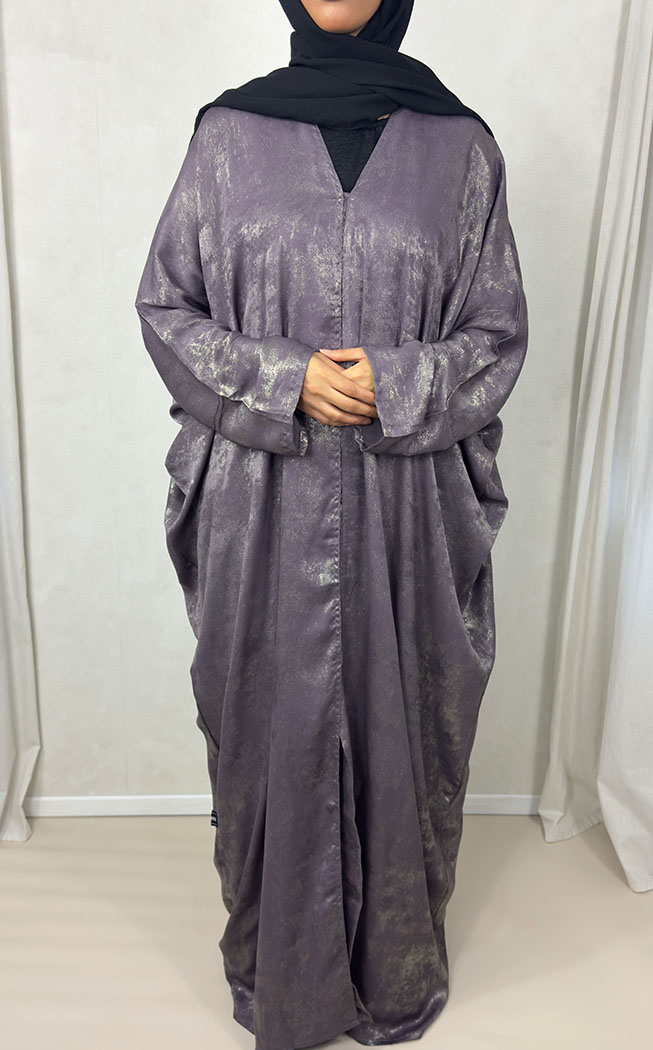
The Global Resonance of Modesty
In today’s globalized world, the abaya’s appeal extends far beyond the Middle East. Across cultures, there is a growing movement towards modest fashion, which has led to a renewed interest in garments like the abaya. This shift is a response to the overexposure of the body in mainstream media and a desire for more meaningful self-expression. People from different cultures are embracing modesty, seeing it as a way to reclaim control over their personal image in a world of hypersexualized fashion.
Moreover, the abaya provides an opportunity to reject consumerism’s narrow standards of beauty. By choosing modest attire, wearers challenge the dominant fashion norms, asserting that beauty doesn’t have to be tied to revealing clothing. Instead, it can be rooted in confidence, dignity, and respect for oneself.
The Emotional Impact: Confidence and Comfort
What truly sets the abaya apart is its emotional and psychological impact on the wearer. Unlike tight-fitting clothes that may demand constant adjustments, the abaya offers unparalleled comfort. The loose, flowing nature of the garment allows for ease of movement and breathability, creating a feeling of freedom and relaxation. It also shields the wearer from judgment, creating a safe space where the focus shifts from appearance to inner strength.
| Abaya Feature | Emotional Benefit |
|---|---|
| Loose, Flowing Design | Comfort, freedom of movement, reduced anxiety about appearance |
| Neutral or Dark Colors | Timeless elegance, ease of pairing with other accessories |
| Rich Embellishments | Enhanced personal expression, luxury, and status |
This emotional and psychological comfort is what makes the abaya so special. Its ability to provide peace of mind, confidence, and a sense of control over one’s body and image is what keeps it resonating in modern times. In a world where fast fashion and trends dominate, the abaya offers a grounding, timeless alternative that emphasizes comfort and self-respect over fleeting attention.
Not All Abayas Are Equal: Fabrics, Cuts, and What They Signal
When it comes to the abaya, its design goes far beyond just modesty and coverage. The fabric, cut, and overall craftsmanship are essential elements that not only affect the garment’s appearance but also its symbolic value. Whether you’re seeking something casual for everyday wear or a statement piece for a special occasion, the abaya you choose speaks volumes about your personality, style, and even your cultural values.
The Power of Fabric: Comfort, Durability, and Statement
The fabric of an abaya plays a pivotal role in determining its look, feel, and functionality. Each fabric choice conveys a different message, from luxurious silk to lightweight cotton. Here’s a closer look at some of the most popular fabrics used in abaya design:
| Fabric Type | Characteristics | Best for |
|---|---|---|
| Silk | Smooth, lustrous, luxurious feel | Formal events, evening wear, special occasions |
| Cotton | Lightweight, breathable, comfortable | Everyday wear, warm climates |
| Chiffon | Sheer, elegant, airy | Dressy outfits, evening wear |
| Crepe | Wrinkle-resistant, soft, slightly textured | Day-to-night wear, professional settings |
| Jersey | Stretchable, soft, body-hugging | Casual, comfortable daily wear |
Each of these fabrics offers different experiences and signals different values. For example, choosing silk can signify sophistication, while cotton emphasizes comfort and simplicity. Depending on the fabric, you might be making a statement about the occasion or your personal aesthetic.
Understanding the Cut: Tailoring to Your Personality
Much like fabric, the cut of the abaya plays a critical role in its overall look. From the sleek, minimalist cuts to more voluminous, traditional styles, each cut offers a distinct personality and aura. Let’s dive into the most common cuts and what they signal:
- A-Line Abaya: The A-line cut, which gently flares out from the waist, is often seen as both modern and elegant. It suggests a wearer who enjoys a blend of tradition with a flair for contemporary style.
- Kaftan-Style Abaya: A loose, flowing cut often featuring intricate embellishments or embroidery. The kaftan style signals a more relaxed and bohemian approach to fashion, ideal for those who favor comfort and statement-making designs.
- Open Abaya: This cut is typically designed to be worn over another garment, like a dress. It signifies a practical approach, often associated with professionals or those who prefer versatile, easy-to-style pieces.
- Butterfly Abaya: Characterized by a flowing design with loose, fluttering sleeves, this cut symbolizes freedom and grace. It’s often chosen by those who value movement and fluidity in their clothing.
The cut of an abaya is not merely a functional decision — it’s a reflection of personal preference and lifestyle. Some might opt for a sleek, structured abaya to emphasize their streamlined, professional look, while others may choose more extravagant cuts to reflect their vibrant personality or cultural pride.
The Significance of Details: Embellishments and Patterns
While the fabric and cut are foundational, the details — including embellishments, patterns, and color — elevate the abaya into a work of art. For example, gold embroidery, beadwork, or lace can turn a simple abaya into an eye-catching, luxurious piece. The choice of embellishments often speaks to the wearer’s taste and the occasion at hand. Here are some details you might encounter:
- Gold Embroidery: Often used for formal or festive abayas, gold embroidery conveys luxury, grandeur, and a sense of occasion.
- Lace Details: Lace can add a romantic, delicate touch, often chosen for evening or bridal wear.
- Beaded Accents: Beading or sequins can transform an abaya into a sparkling statement piece, perfect for weddings or celebrations.
- Floral Patterns: Floral or geometric patterns might indicate a modern, artistic take on traditional modesty.
Each embellishment and detail is a deliberate choice, enhancing the abaya’s visual impact and aligning with the wearer’s desired aesthetic. The subtlety or boldness of these additions can reflect everything from understated elegance to opulent extravagance.
Choosing the Right Abaya for You
When selecting an abaya, consider the following questions to ensure you choose the perfect one for your needs:
- What is the occasion? Are you looking for something casual, or do you need a formal abaya for a wedding or evening event?
- What fabric is most suitable for the climate where you live? Lightweight materials like cotton are ideal for hot climates, while heavier fabrics like crepe or velvet are better suited to cooler weather.
- What cut best suits your personal style? Do you want something that’s classic and modest, or do you prefer a more fashion-forward look?
- Are you seeking something adorned with intricate details or a more minimalist design?
By carefully considering the fabric, cut, and design of your abaya, you can ensure that it not only serves its functional purpose but also reflects your personality, taste, and the message you wish to convey. Ultimately, the abaya becomes a canvas for self-expression — modest yet powerful, subtle yet bold.
The Rise of Designer Abayas and the Luxury Modest Fashion Market
In recent years, the abaya has transitioned from a traditional garment to a symbol of luxury and high fashion. The rise of designer abayas has significantly impacted the modest fashion industry, creating an exciting shift towards more stylish, high-end options for those seeking to express their personal taste while maintaining modesty. This growing trend highlights a shift in societal values, where fashion is no longer confined to the traditional norms of Western clothing. Instead, it’s a fusion of culture, creativity, and exclusivity that has captured the attention of fashionistas worldwide.
The Evolution of the Abaya into a High-Fashion Item
Historically, the abaya was seen as a basic garment for covering and modesty. However, with the globalization of fashion, the abaya has undergone a transformation. Designers have begun to innovate, turning the simple black cloak into a canvas for their creativity. Luxury abayas are now crafted from premium fabrics, adorned with intricate embroidery, and designed with unique cuts and silhouettes. Major fashion houses and high-end designers are tapping into this lucrative market, creating collections that blend modesty with glamour.
The rise of modest fashion, including designer abayas, has been fueled by changing perceptions of modesty, with many women seeking more elegant, refined alternatives to Western-style clothing. What was once considered plain and functional is now a style statement. But what factors contribute to this dramatic shift?
The Global Appeal of Designer Abayas
The appeal of designer abayas isn’t just limited to the Middle East or Muslim-majority countries. As global fashion trends evolve, the demand for modest, luxurious clothing has expanded beyond borders. Designer abayas have gained traction in diverse markets, from Europe and the United States to Asia and Africa, as women seek fashionable alternatives to traditional Western attire. This shift is evident in the rise of modest fashion influencers, celebrity endorsements, and collaborations with international fashion brands.
| Market Region | Designer Abaya Trends | Key Designers |
|---|---|---|
| Middle East | Luxury fabrics like silk and velvet, bold prints, intricate embellishments | Elie Saab, Zuhair Murad, Abaya Queen |
| Europe & USA | Minimalist cuts, high-fashion pieces, neutral colors, and modern twists | Carolina Herrera, Dolce & Gabbana |
| Asia | Combination of traditional designs with modern aesthetics, lightweight fabrics | Amna Al Haddad, Alia Khan |
As we can see, designer abayas are tailored to suit the specific tastes and preferences of different markets, while also pushing the boundaries of modest fashion into new territories. In the Middle East, bold prints and lavish embellishments dominate the scene, while European and American markets gravitate towards more understated, minimalist designs. The fusion of global fashion influences with traditional modest garments is creating new avenues for self-expression.
Luxury Brands and Their Role in Modest Fashion
Leading luxury brands have recognized the growing demand for modest fashion and have begun to launch abayas and other modest clothing lines. Major players in the fashion industry such as Chanel, Louis Vuitton, and Dior have created collections that include elements of modest wear, further cementing the idea that luxury is no longer about showing skin but about style, sophistication, and tailoring.
The modest fashion market is not only redefining the way women dress but also reshaping the fashion industry’s business model. Designers are now focusing on creating inclusive collections that cater to women of all backgrounds, enabling them to express their personal style without compromising on modesty.
What Does Luxury Mean in Modest Fashion?
In the context of designer abayas, luxury doesn’t just refer to the price tag. Luxury is defined by the exclusivity of the design, the quality of the materials used, and the level of craftsmanship involved. High-end abayas often feature:
- High-Quality Fabrics: Luxurious materials like silk, satin, velvet, and fine wool are commonly used to craft designer abayas. These fabrics offer comfort, elegance, and a sense of opulence.
- Intricate Detailing: Embroidery, beads, sequins, and crystals are often added to create a striking visual impact. These elements enhance the overall appearance of the garment and make it suitable for special occasions.
- Custom Fit and Tailoring: A true luxury abaya will be meticulously tailored to fit the wearer’s body perfectly, offering a flattering and comfortable silhouette. Customizations are often offered to clients seeking something unique.
- Timeless Design: The appeal of designer abayas lies in their timeless elegance. Unlike fast fashion, these pieces are designed to be worn for years, making them an investment for the discerning buyer.
Luxury abayas are no longer just garments—they are status symbols, reflecting both personal taste and an understanding of high fashion. For many women, owning a designer abaya represents more than just modesty; it’s a celebration of cultural heritage, refined taste, and individuality.
How to Choose a Designer Abaya for Different Occasions
Whether you’re dressing for a wedding, formal event, or simply a day out, there’s a designer abaya for every occasion. Here’s how to select the right one:
- Formal Events: Opt for luxurious materials like silk or velvet. Look for intricate embroidery or beadwork for added sophistication.
- Casual Wear: A lightweight cotton or jersey abaya with a minimalist cut is perfect for everyday wear. Choose neutral colors for versatility.
- Festive Occasions: For celebrations, go for bold designs with patterns, lace details, or metallic accents. Bright colors and striking details add a celebratory flair.
- Professional Settings: Choose a simple yet elegant design with a tailored cut. A neutral color like black, navy, or charcoal is ideal for maintaining a refined look.
Choosing the right designer abaya requires understanding both the occasion and your personal style. The beauty of luxury modest fashion lies in its ability to combine modesty with high-end fashion, making it accessible to anyone looking to make a statement without sacrificing their values.
Inside the Craft: How Premium Abayas Are Made by Hand
Premium abayas are not just garments; they are masterpieces that embody a deep-rooted tradition of craftsmanship, artistry, and culture. Unlike mass-produced abayas, which are manufactured quickly and cheaply, premium abayas are meticulously created by skilled artisans, often by hand, with a level of detail that makes each piece unique. Understanding the craftsmanship behind these luxurious abayas is key to appreciating their value and beauty.
The Traditional Art of Handcrafting Abayas
Creating a premium abaya begins with the careful selection of materials. From silks and velvets to more modern materials like chiffon and satin, every fabric is chosen for its quality, texture, and durability. Once the fabric is selected, the process moves to the artisan’s hands. The creation of a high-end abaya is a multi-step process that requires expertise, patience, and attention to detail.
The Step-by-Step Process
The process of creating a premium abaya involves several stages, from design to final touches. Here’s a breakdown:
| Stage | Process Description | Materials Used |
|---|---|---|
| 1. Design | Each abaya begins with a design. Some designers sketch their ideas, while others use digital tools to create the concept. | Sketching tools, digital software |
| 2. Fabric Selection | The fabric is chosen based on texture, quality, and occasion. High-end materials like silk and velvet are often selected for their luxurious feel. | Silk, velvet, chiffon, satin |
| 3. Pattern Making | The artisan creates the pattern that will guide the construction of the abaya. The pattern is carefully measured to ensure a perfect fit. | Pattern paper, measuring tools |
| 4. Cutting | The fabric is cut according to the pattern, ensuring that each piece of the abaya fits perfectly. | Scissors, rotary cutter |
| 5. Stitching | Highly skilled seamstresses stitch the pieces together. This is a delicate process, as any mistake can compromise the quality of the garment. | Needles, threads (silk, cotton) |
| 6. Embellishment | Premium abayas are often embellished with hand-embroidered details, beads, sequins, or crystals. These embellishments are sewn by hand, making each piece truly one-of-a-kind. | Beads, crystals, sequins, embroidery thread |
| 7. Final Touches | The final steps involve hemming, adding finishing touches, and sometimes custom tailoring to ensure the abaya fits perfectly. | Hemming tape, finishing trims |
Each of these steps plays a critical role in ensuring that the abaya is not only beautiful but also functional. The care and attention to detail that goes into each garment make it a luxury item, one that reflects the artisan’s skill and dedication.
The Importance of Hand-Embroidery and Beading
One of the most defining characteristics of premium abayas is the hand-embroidery and beading that often adorns the fabric. These embellishments are not only decorative but also represent the cultural heritage of the region. Skilled artisans use techniques passed down through generations to create intricate patterns that transform a simple garment into a work of art.
- Embroidery: Hand-embroidered designs are often inspired by nature, geometric patterns, or traditional motifs. The thread used can range from metallic gold to vibrant colors, creating a striking visual impact.
- Beading and Sequins: Adding a touch of glamour, beads and sequins are sewn into the fabric to catch the light, adding dimension and sparkle. These details elevate the abaya, making it suitable for formal events or special occasions.
- Crystal Accents: For high-end luxury abayas, crystals are often incorporated into the design. Swarovski crystals, for example, add a touch of luxury and sophistication, making the abaya truly exceptional.
These techniques require a high level of expertise, with artisans spending hours, sometimes days, on a single garment. This intricate handiwork is what sets premium abayas apart from mass-produced versions, which often lack the personal touch and cultural significance.
The Role of Customization in Luxury Abayas
For many buyers of premium abayas, the allure lies in the ability to customize their garment. Whether it’s choosing a specific color, selecting the ideal fabric, or deciding on the type of embellishments, customization adds a personal touch to the final product. Some luxury abaya brands even offer bespoke services, where clients can work directly with designers to create a one-of-a-kind piece tailored to their exact specifications.
Customization is an important factor in luxury fashion as it allows individuals to express their style and personality. In the world of abayas, where modesty is key, customization offers a unique opportunity to blend personal preferences with cultural and religious values.
Why Handcrafted Abayas Are Worth the Investment
When you invest in a premium, handcrafted abaya, you are not just purchasing a piece of clothing; you are investing in craftsmanship, heritage, and quality. These abayas are designed to last, with their high-quality materials and construction ensuring longevity. Moreover, the time and effort that go into handcrafting each abaya make it a unique piece, often becoming a treasured heirloom.
- Durability: The high-end fabrics used in these abayas are built to last for many years, making them a wise investment.
- Timeless Elegance: The combination of exquisite design and high-quality materials ensures that these abayas will never go out of style, remaining relevant and fashionable year after year.
- Heritage and Tradition: Handcrafted abayas carry the story of the artisans who created them, preserving a piece of cultural history in each stitch and bead.
For those seeking a garment that represents luxury, culture, and quality, handcrafted abayas are worth every penny. They serve as a powerful reminder of the skill and artistry that goes into creating something truly exceptional.
Color, Texture, Detail: Breaking the Myth of the ‘Plain Black’ Abaya
The abaya, often seen as a symbol of modesty and tradition, is sometimes unfairly labeled as “plain” or “boring” due to its classic black color. However, this view is far from the reality of modern abaya design. Today’s abayas are a vibrant fusion of color, texture, and intricate details that elevate the garment into a piece of high fashion. From shimmering metallics to rich jewel tones, designers are breaking away from the traditional monochromatic palette to showcase the diversity and elegance that an abaya can embody.
The Evolution of Color in Abaya Fashion
Traditionally, the abaya was often made in simple black fabrics, mainly for the sake of modesty and practicality. However, over the years, the evolution of fashion and changing cultural norms have led to a broader spectrum of colors being incorporated into abaya designs.
- Pastels: Soft, light shades like pastel pink, lavender, and mint green are becoming increasingly popular for spring and summer collections. These colors bring a refreshing, feminine touch to the abaya.
- Rich Jewel Tones: Deep blues, emerald greens, and ruby reds are often seen in luxury abayas, making them perfect for evening wear or formal occasions.
- Earthy Tones: Warm shades like beige, caramel, and terracotta have emerged in abaya collections, giving a more contemporary and natural look that aligns with boho-inspired styles.
- Metallics: Gold, silver, and copper have found their place in high-end abaya fashion, adding a touch of glamour and luxury to the piece.
By expanding the color palette of the abaya, designers are creating pieces that appeal to a wider audience, from those who appreciate subtle elegance to those seeking bold, statement-making garments. The possibilities are endless, allowing individuals to express their unique style while staying true to the cultural essence of the abaya.
Texture: More Than Just a Fabric
The texture of an abaya is just as important as its color. Modern abayas feature an array of fabric choices that provide both visual interest and tactile beauty. Designers are incorporating textures that enhance the garment’s sophistication and elevate the wearer’s overall experience.
| Texture | Fabric Example | Effect |
|---|---|---|
| Soft & Flowing | Chiffon, Silk | Creates an elegant, graceful drape that moves beautifully. |
| Rich & Structured | Crepe, Taffeta | Provides a structured look, ideal for formal occasions. |
| Luxurious & Shiny | Velvet, Satin | Gives a rich, luxurious feel, perfect for evening wear or special events. |
| Textured & Embellished | Embroidered fabric, Jacquard | Adds a sense of depth and sophistication through intricate patterns or embellishments. |
Each fabric has its own unique properties that influence how the abaya falls, flows, and feels when worn. From the soft, ethereal drape of chiffon to the structured elegance of crepe, the texture plays a crucial role in elevating the garment’s visual appeal and overall quality.
Detailing: The Art of Embellishments
One of the most exciting developments in modern abaya fashion is the incorporation of detailed embellishments. The idea of the “plain black abaya” is being replaced by intricate designs that include embroidery, beadwork, sequins, and even gemstones.
- Hand Embroidery: Traditional motifs, often inspired by nature or cultural symbols, are embroidered by hand onto the fabric, making each abaya a unique piece of art.
- Beadwork & Sequins: Sparkling beads and sequins are sewn into the fabric to create an eye-catching design, often used to enhance the neckline, cuffs, or hemline.
- Crystal Embellishments: For high-end abayas, crystals such as Swarovski are used to add an extra layer of luxury and glamour. These gemstones catch the light and provide a dazzling effect that transforms a simple garment into a showstopper.
The skill and artistry required to create these detailed embellishments add significant value to the abaya, making it a statement piece that is as much about fashion as it is about cultural expression. These embellishments are often tailored to suit the occasion, whether it’s a casual gathering or a formal event, allowing the wearer to shine without compromising their modesty.
Why the ‘Plain Black’ Abaya Is No Longer Enough
In today’s world, the demand for diverse, unique abayas is stronger than ever. The idea that an abaya must be plain and black is outdated. Instead, consumers are looking for designs that reflect their individuality, style, and personal taste. The modern abaya is a blank canvas for creativity, where colors, textures, and details come together to create something extraordinary.
Whether you’re looking for a subtle hint of color or a bold statement piece, the abaya can now be a true reflection of the wearer’s personality. The variety of materials, textures, and embellishments available today ensures that everyone can find an abaya that suits their style while still honoring the garment’s cultural significance.
Breaking Free from Tradition, Without Losing Identity
While designers are pushing the boundaries of color, texture, and detail, they are still mindful of the cultural and religious significance of the abaya. The goal is not to abandon tradition, but to evolve it—making the abaya more versatile and relevant for the modern woman, while still maintaining the values it represents. The balance of fashion and modesty is crucial, and designers are finding new ways to strike that perfect equilibrium.
In the end, the abaya is no longer just a simple garment—it has become a symbol of self-expression, individuality, and sophistication. With its endless possibilities for color, texture, and detail, the modern abaya is far from “plain”—it is an evolving, dynamic, and powerful fashion statement.
Wearing the Abaya with Pride in Non-Arab Countries
The abaya, once considered a traditional garment worn predominantly in the Arab world, has transcended borders and gained recognition in countries around the globe. In non-Arab nations, wearing the abaya is not just a fashion statement, but a powerful symbol of cultural identity, modesty, and pride. While the garment was once confined to the Middle East and North Africa (MENA) region, today it is embraced by Muslim women and even non-Muslims in places as far as Europe, North America, and Asia.
Global Recognition of the Abaya: A Cultural Shift
As the world becomes more interconnected, cultural exchange has opened doors for garments like the abaya to be embraced in non-Arab countries. The global fashion industry has played a pivotal role in showcasing the abaya on international runways, highlighting its versatility and cultural significance.
- Increased Media Representation: The presence of models wearing the abaya in magazines, advertisements, and on the runway has challenged stereotypes and brought the garment into the global spotlight.
- Fashion-forward adaptations: Many Western designers are incorporating elements of the abaya in their collections, proving that modest fashion can coexist with cutting-edge design.
- Muslim Influencers: Social media influencers and fashion bloggers have played an important role in normalizing the abaya in non-Arab countries. Through their online presence, they celebrate the abaya as a tool for personal expression while staying true to their cultural roots.
Wearing the abaya in non-Arab countries is no longer confined to cultural enclaves. It has evolved into a global fashion phenomenon that represents both tradition and modernity.
Modesty Without Compromise: The Appeal of the Abaya Abroad
In many non-Arab countries, there is a growing interest in modest fashion, particularly as people seek clothing that offers comfort, elegance, and personal empowerment. The abaya fits perfectly within this trend, offering a timeless and versatile option for those who wish to maintain a modest appearance without sacrificing style.
- Inclusive Fashion: The abaya’s ability to suit a variety of body types and personal styles makes it an inclusive garment. From flowing, minimalist designs to ornate, bejeweled abayas, there’s a version for everyone.
- Versatile Styling: The abaya can be dressed up or down depending on the occasion. In non-Arab countries, it’s common to see abayas worn casually during the day or dressed up with accessories and heels for evening wear.
- Comfort and Practicality: The loose-fitting nature of the abaya ensures comfort, while its elegant silhouette makes it a statement piece that can be worn confidently in both religious and secular settings.
The ability to blend tradition with contemporary trends has made the abaya an appealing choice for women in non-Arab countries, who want to express their personal style without compromising their modesty.
Challenges and Triumphs: Overcoming Stereotypes and Prejudices
While the abaya has gained widespread acceptance in many parts of the world, wearing it in non-Arab countries has not been without challenges. Misunderstandings, stereotypes, and prejudices about the abaya still persist. However, women who choose to wear the abaya abroad continue to make powerful statements about cultural pride, autonomy, and resilience.
| Challenge | Response |
|---|---|
| Misunderstanding of Modesty | Wearing the abaya is often misunderstood as a symbol of oppression, but it is, in fact, a personal choice rooted in cultural and religious beliefs. |
| Cultural Appropriation | While the abaya is sometimes seen as a trend by non-Muslim women, many argue that cultural exchange can be empowering as long as it’s done respectfully and with an understanding of its significance. |
| Racial or Religious Prejudices | Wearing the abaya proudly can spark important conversations and raise awareness about diversity, challenging negative stereotypes and encouraging a broader understanding of different cultures. |
Despite these challenges, the continued rise of abaya-wearing women in non-Arab countries is a testament to the strength of cultural resilience and the growing acceptance of diverse forms of expression.
The Abaya as a Symbol of Empowerment in Non-Arab Countries
Beyond being a symbol of modesty, the abaya has become an emblem of empowerment for many women in non-Arab countries. It allows them to reclaim their cultural identity and assert their right to self-expression in an often-divisive world. The abaya offers the wearer a sense of confidence and self-assurance, as it stands as a symbol of personal choice and cultural pride.
For women who wear the abaya in non-Arab countries, it is more than just a garment—it’s a statement. It represents a refusal to conform to Western standards of beauty and an affirmation of their heritage and values. In a society that often imposes certain standards of femininity, the abaya offers an alternative, showing that power, beauty, and style are not confined to revealing clothing.
Fashion Without Boundaries: The Future of the Abaya Globally
As the fashion world continues to embrace diversity, the future of the abaya is bright. Women around the globe are redefining what it means to be fashionable, embracing modesty without sacrificing style or elegance. The abaya, with its rich cultural history, timeless design, and growing influence in the global fashion scene, will continue to inspire and empower women, no matter where they are from.
In non-Arab countries, wearing the abaya with pride is not just about following a trend—it’s about making a statement of cultural resilience, self-expression, and empowerment. Whether it’s worn in a modest, minimalist form or adorned with intricate details, the abaya will continue to be an enduring symbol of grace, pride, and identity in the years to come.
Layered Grace: Styling an Arabic Abaya for Every Occasion
The Arabic abaya, traditionally known for its simple and modest design, has evolved into a versatile wardrobe staple that can be styled for any occasion. From casual outings to formal gatherings, the abaya adapts effortlessly to a wide range of settings, offering both comfort and elegance. Whether you’re attending a wedding, a business meeting, or enjoying a day out with friends, the abaya can be layered and accessorized to reflect your unique style while staying true to its cultural roots.
Styling the Abaya for Casual Days: Effortless Elegance
On casual days, the abaya can be styled in a way that maintains its modest appeal without compromising on comfort. Opt for minimalist designs that offer a relaxed fit, perfect for day-to-day activities. These styles are perfect for running errands, meeting friends for coffee, or just enjoying a quiet afternoon.
- Fabric Choice: Choose lightweight fabrics like cotton or jersey for a breathable, relaxed feel. These materials are easy to move in and suitable for warmer climates.
- Casual Colors: Light shades such as beige, navy, and pastel tones can add a contemporary touch to your abaya, giving it a fresh and casual vibe.
- Minimal Accessories: For a laid-back look, pair the abaya with simple accessories like a classic watch, a leather handbag, or flat shoes.
By opting for minimalism and focusing on comfort, the abaya can be worn effortlessly throughout the day, adding a touch of grace without feeling overdressed.
Transforming the Abaya for Formal Occasions: The Art of Layering
The beauty of the abaya lies in its ability to transform from a simple garment to an elegant ensemble for more formal occasions. By carefully layering and accessorizing, you can elevate the look and wear it to events such as weddings, galas, or upscale dinners.
- Luxury Fabrics: For formal occasions, opt for rich fabrics like silk, velvet, or satin. These materials add a luxurious touch and are perfect for evening events or parties.
- Statement Accessories: Adorn your abaya with statement jewelry, such as a bold necklace or sparkling earrings. A clutch or embellished handbag can also enhance the overall look.
- Tailored Fit: For a more polished appearance, consider abayas with a tailored cut or ones that feature a cinched waist. These details create a more structured and sophisticated silhouette.
Layering the abaya with opulent fabrics and bold accessories helps create a formal yet modest look, ensuring you stand out at any special event.
Business Chic: The Abaya in Professional Settings
The abaya is not limited to casual and formal wear—it can also be styled to suit professional environments. Whether you’re attending a business meeting or giving a presentation, the abaya offers a sophisticated yet modest look that reflects professionalism and respect.
- Neutral Tones: Opt for neutral shades like black, navy, or charcoal for a professional, refined appearance.
- Structured Layers: Pair the abaya with a fitted jacket or a sleek blazer. This combination adds a contemporary twist while maintaining the abaya’s graceful silhouette.
- Simple Accessories: A leather handbag, simple earrings, and a pair of pointed-toe flats or heels complete the business-ready look. Keep accessories minimal to maintain a professional vibe.
With the right accessories and layered elements, the abaya becomes an ideal choice for the workplace, allowing you to blend tradition with modern-day professionalism.
Evening Glam: Taking the Abaya to the Night
When the sun sets, the abaya can be transformed into an evening showstopper. For night events such as dinner parties or night-outs, the abaya can be styled to make a powerful fashion statement while preserving its elegant modesty.
- Metallic Details: Consider abayas with metallic threads, sequins, or embroidery to add a touch of sparkle and glamour.
- High Heels: Pair your abaya with high heels or elegant sandals for a more polished and elevated look.
- Bold Makeup and Accessories: Embrace bold makeup with dramatic eyes or a statement lip color. Complement this with eye-catching jewelry, such as a statement bracelet or necklace.
With the right accessories and thoughtful styling, the abaya effortlessly transitions from day to night, making it a versatile option for evening occasions.
Table: Abaya Styling for Different Occasions
| Occasion | Suggested Fabric | Accessories | Footwear |
|---|---|---|---|
| Casual | Cotton, Jersey | Simple Watch, Leather Handbag | Flats, Sneakers |
| Formal | Silk, Velvet, Satin | Statement Jewelry, Embellished Handbag | Heels |
| Business | Wool, Linen | Minimal Jewelry, Leather Handbag | Flats, Low Heels |
| Evening | Sequins, Metallic Threads | Bold Jewelry, Dramatic Makeup | High Heels |
The abaya offers unmatched versatility in styling, effortlessly transitioning from casual to formal and everything in between. With a few simple accessories and thoughtful fabric choices, it becomes the perfect garment for any occasion, allowing you to express your personal style while maintaining modesty and grace.
Real Women, Real Stories: How the Abaya Transformed Confidence
The abaya is not just a piece of clothing; for many women, it serves as a powerful symbol of confidence, independence, and self-expression. In this section, we explore real stories from women who have experienced a transformation in their confidence through wearing the abaya. These stories show that the abaya is more than a garment—it’s an empowering tool that helps women embrace their inner strength and navigate the world with grace and pride.
Empowerment Through Modesty: Breaking Stereotypes
Many women who wear the abaya speak of the empowerment they feel when they embrace modesty. In a world that often values revealing fashion, the abaya provides a sense of security and confidence. It allows women to redefine beauty standards, emphasizing grace and self-respect instead of outward appearance.
- Breaking Stereotypes: Women who choose the abaya challenge societal norms and redefine what it means to be beautiful. Instead of focusing on outward appearances, they embrace an internal beauty rooted in confidence and authenticity.
- Personal Identity: For many, wearing the abaya is a choice rooted in cultural or personal beliefs. This decision allows them to maintain their identity while navigating a world that often asks them to conform to mainstream beauty standards.
- Confidence through Modesty: Wearing the abaya allows women to feel empowered by their modesty. It offers them a way to present themselves to the world on their own terms, without the pressure of conforming to superficial ideals of beauty.
One woman, Fatimah from Dubai, explains, “Wearing the abaya makes me feel grounded. I don’t need to prove anything to anyone—I’m comfortable in my own skin.” Such personal accounts emphasize the emotional strength that the abaya can offer.
The Abaya as a Statement of Strength and Independence
The abaya is also a symbol of independence and strength. Women from all walks of life—from corporate leaders to stay-at-home mothers—find that the abaya allows them to express their individuality while maintaining a sense of unity with their culture. This garment is more than just a piece of clothing—it’s a statement about who they are and what they stand for.
- Bold Fashion Choices: Women around the world are taking the abaya and making it their own, mixing modern trends with traditional modesty. The abaya becomes an outlet for self-expression through fabric choices, colors, and accessories.
- Confidence in Diversity: For some women, the abaya represents a rejection of the pressure to conform to societal beauty standards. The choice to wear the abaya becomes an act of independence, allowing them to define beauty on their terms.
As Layla from London shares, “I wear my abaya with pride. It’s not just about tradition—it’s about me standing tall and being confident in who I am. The abaya helps me own my space in a way that makes me feel unstoppable.”
Real-Life Testimonies: Women Who Found Strength in the Abaya
Throughout the world, countless women have shared how the abaya has boosted their confidence and reshaped their self-image. Let’s take a look at a few inspiring stories:
| Woman’s Name | Location | Story Highlight | How the Abaya Helped |
|---|---|---|---|
| Fatimah | Dubai | Found confidence in cultural roots while studying abroad | Empowered her to embrace her identity and feel grounded in a new environment. |
| Layla | London | Learned to express her individuality through fashion | The abaya became a personal expression of strength and independence. |
| Amira | Riyadh | Overcame insecurities during her teenage years | Wearing the abaya boosted her self-esteem and allowed her to embrace modesty as a source of confidence. |
| Zahra | New York | Reclaimed her identity after a long period of cultural assimilation | The abaya helped her reconnect with her heritage while feeling empowered in a multicultural environment. |
These stories highlight the transformative power of the abaya. For many women, it is not just about modesty—it is about finding strength, confidence, and freedom to be themselves in a world that constantly asks for conformity.
The Abaya and Its Role in Building a Supportive Sisterhood
The abaya also plays a significant role in building a global community of women who support each other. By wearing the abaya, women from different countries and backgrounds unite in shared values of modesty, dignity, and respect. The act of wearing the abaya becomes a form of solidarity, where women empower one another through a collective choice to embrace cultural identity.
- Building Connections: The abaya connects women across the globe, providing them with a sense of belonging and understanding. Whether at a local mosque, a cultural event, or on social media, women bond over their shared experience of wearing the abaya.
- Sisterhood and Empowerment: The abaya has become a symbol of solidarity among women who support each other’s journeys, whether they’re embracing modest fashion or standing up for their rights as individuals.
In a world that often pits women against each other, the abaya has become a symbol of unity, representing the strength of women standing together. As one woman from Saudi Arabia puts it, “The abaya is more than just a piece of clothing—it’s a reminder of the incredible bond we share as women.”
Abaya vs. Jilbab vs. Kaftan: What’s the Difference, Really?
The world of modest fashion can be complex, with numerous styles of traditional attire that may seem similar at first glance but are, in fact, quite distinct. In this section, we’ll delve into the differences between three key garments in the world of modest fashion: the abaya, jilbab, and kaftan. Understanding the unique characteristics of each will help you make more informed choices about your wardrobe and gain a deeper appreciation for their cultural and historical significance.
What is an Abaya?
The abaya is perhaps the most well-known of these garments, particularly in the Middle East. This flowing black robe is traditionally worn by women to maintain modesty in public spaces. It is typically loose-fitting, with long sleeves and a straight silhouette that drapes over the body. While it is commonly black, the abaya is available in a variety of fabrics and styles, often adorned with embroidery or decorative elements.
- Design: The abaya is a loose-fitting, long-sleeved garment that covers the body from shoulder to ankle.
- Purpose: Its primary purpose is modesty, offering women the opportunity to dress modestly while still maintaining a sense of style.
- Versatility: Abayas can be worn daily or on special occasions, and are often paired with a headscarf or hijab to complete the look.
What is a Jilbab?
The jilbab is a similar garment to the abaya but is often slightly more structured and less flowing. It is typically longer and covers the entire body, including the head, though a headscarf is still worn to complete the look. The jilbab may have more pronounced tailoring and often features a higher neckline and more distinct shape compared to the abaya.
- Design: The jilbab is longer and tends to have a more defined shape, often with a higher neckline. It may have zippers, buttons, or other fastenings that give it a more tailored appearance.
- Purpose: Like the abaya, the jilbab serves the purpose of modesty but offers a more structured alternative for those seeking a different style.
- Style: The jilbab is often worn for formal events or occasions where a more structured garment is desired.
What is a Kaftan?
The kaftan is a long, loose garment that is typically worn as a cover-up or for special occasions. While it shares some similarities with both the abaya and the jilbab, the kaftan is usually lighter in fabric and features unique designs and patterns. Unlike the abaya, the kaftan is often worn over clothing and may be less commonly used for daily wear. Kaftans are particularly popular in North Africa and parts of Asia for their comfort and elegance.
- Design: The kaftan is a wide, flowing garment with wide sleeves. It may be more colorful and often features intricate designs, embellishments, or patterns.
- Purpose: Typically worn on special occasions, the kaftan serves as both a fashionable and modest garment, adding a touch of luxury and style.
- Style: Kaftans are commonly worn in settings such as weddings, celebrations, or cultural events and are often paired with statement jewelry or accessories.
Comparison: Abaya vs. Jilbab vs. Kaftan
While these garments share the goal of promoting modesty, they each have unique characteristics that set them apart. Below is a comparison of their main features:
| Garment | Design | Purpose | Occasions | Common Fabrics |
|---|---|---|---|---|
| Abaya | Loose-fitting, long-sleeved, flowing | Modesty | Daily wear, formal events, religious occasions | Black cotton, silk, polyester, chiffon |
| Jilbab | Longer, more structured, higher neckline | Modesty with a tailored look | Formal events, religious occasions | Wool, cotton, crepe, linen |
| Kaftan | Flowing, wide sleeves, often embellished | Modesty and style | Special occasions, parties, cultural events | Silk, satin, velvet, linen |
Choosing the Right Garment for You
The choice between an abaya, jilbab, or kaftan depends on your personal preferences, the occasion, and your comfort level. Each garment serves the same purpose of promoting modesty, but their designs and styling options provide different ways to express individuality and cultural identity.
- For Daily Wear: The abaya is the most practical and versatile choice, offering both comfort and modesty for day-to-day activities.
- For Formal Occasions: The jilbab is ideal for events where a more structured, formal appearance is needed, offering a tailored silhouette.
- For Special Events: The kaftan shines at weddings, celebrations, and other special occasions, with its elegant design and luxurious fabrics.
Whichever garment you choose, all three represent a beautiful fusion of tradition and modernity, offering women the opportunity to embrace their culture and personal style with grace and confidence.
Shopping for Your First Arabic Abaya? Here’s What to Know
Purchasing your first Arabic abaya can be an exciting yet overwhelming experience, especially given the wide variety of styles, fabrics, and designs available today. Whether you’re looking for a simple, everyday abaya or something more ornate for a special occasion, understanding the key elements to consider will help you make a choice that fits your needs, lifestyle, and personal style. This section will guide you through the essential factors to keep in mind when shopping for your first abaya.
1. Understanding Your Needs
Before diving into the world of abayas, it’s essential to assess your needs. Are you buying an abaya for daily wear, religious occasions, or a formal event? The occasion will significantly influence the style, fabric, and design of the abaya you choose.
- For Daily Wear: Opt for a simple, comfortable design in breathable fabrics like cotton or polyester. These materials are easy to maintain and perfect for everyday activities.
- For Special Occasions: Look for more elaborate designs made from luxurious fabrics such as silk, satin, or velvet. These abayas often come with embroidery, embellishments, or decorative elements.
- For Formal Events: A tailored abaya with clean lines and a structured silhouette is ideal. Consider fabrics like crepe, chiffon, or lightweight wool for a sophisticated look.
2. Choosing the Right Fabric
The fabric of the abaya plays a crucial role in determining its comfort, durability, and appearance. Here’s a breakdown of some of the most popular fabrics used in abayas:
| Fabric | Best For | Features |
|---|---|---|
| Cotton | Daily wear, casual settings | Breathable, soft, easy to maintain, lightweight |
| Silk | Special occasions, formal events | Luxurious feel, smooth texture, elegant appearance |
| Chiffon | Warm weather, evening events | Flowy, lightweight, sheer texture, elegant look |
| Crepe | Formal events, sophisticated wear | Wrinkle-resistant, durable, textured feel |
| Polyester | All-purpose wear, easy care | Low-maintenance, resistant to shrinking and stretching |
3. Sizing: Get the Fit Right
One of the most critical aspects of buying an abaya is choosing the right size. An abaya should fit loosely to maintain modesty, but it should still flatter your body shape without feeling oversized. When shopping for an abaya, consider the following:
- Length: The abaya should typically reach your ankles or the floor, depending on your personal preference.
- Shoulder and Sleeve Fit: Make sure the sleeves are long enough to cover your arms, but not too tight. Loose sleeves are a common feature of abayas.
- Comfort: Try on the abaya to ensure it allows for ease of movement and doesn’t feel restrictive.
4. Styles and Designs: Choose What Reflects Your Personality
Abayas come in various styles, from minimalist to ornate. Your style preference will play a significant role in your decision-making process. Some common design options include:
- Traditional Abayas: Simple, flowing designs, often in black, with little to no embellishment.
- Embroidered Abayas: Detailed stitching or embellishments along the neckline, sleeves, or hemline.
- Modern Abayas: Contemporary cuts with unique features like asymmetrical hems, modern prints, and brighter colors.
- Kimono-Style Abayas: Loose, flowing sleeves and a more relaxed silhouette, perfect for casual wear.
5. Consider the Climate
The climate in which you live will influence the type of fabric and style you should choose. If you live in a hot climate, opt for lightweight, breathable fabrics like cotton and chiffon. For colder regions, heavier materials such as crepe or wool may be more appropriate. Additionally, consider layering options for colder weather.
6. Accessorize for a Personal Touch
Many women choose to accessorize their abayas to add a unique touch. You can enhance your abaya with:
- Scarves or Hijabs: Coordinate with the abaya’s color or style to create a cohesive look.
- Jewelry: Statement necklaces, rings, and earrings can elevate your abaya, especially for formal events.
- Bags and Shoes: Complement your abaya with stylish accessories that match the occasion, such as handbags and elegant footwear.
7. Budgeting for Your Abaya
Abayas come in a wide range of prices, depending on the fabric, design, and craftsmanship. It’s important to set a budget before you start shopping. Keep in mind that higher-end fabrics like silk or intricate embroidery will cost more, while simpler, everyday abayas may be more affordable. That said, investing in a high-quality abaya for special occasions can be worthwhile in the long run.
In summary, shopping for your first Arabic abaya can be an enjoyable and rewarding experience if you keep the following in mind: understand your needs, choose the right fabric, get the fit right, select a style that resonates with you, and accessorize to add a personal touch. By following these guidelines, you’ll be able to find an abaya that reflects your taste, is practical for your lifestyle, and enhances your personal sense of style.
Seasonal Abayas: Fabrics and Features for Desert Heat or Winter Chill
Abayas are not only symbolic of modesty and culture but also versatile enough to cater to different climates and seasons. Whether you’re living in the arid deserts or experiencing the winter chill, choosing the right fabric and features for your abaya is crucial for both comfort and style. In this section, we will guide you through the best fabrics and design features for both hot and cold climates, ensuring that you are dressed appropriately and comfortably for any season.
1. Abayas for the Desert Heat: Light, Breathable, and Cooling
When temperatures soar in desert regions, the choice of fabric for your abaya becomes more important than ever. You need lightweight, breathable fabrics that allow air circulation and keep you cool while maintaining modesty. Here are the best options for hot weather:
| Fabric | Best For | Features |
|---|---|---|
| Cotton | Hot climates, daily wear | Soft, breathable, absorbs sweat, comfortable for long wear |
| Chiffon | Evening events, warm weather | Lightweight, airy, sheer, allows for great ventilation |
| Silk | Special occasions in hot weather | Luxurious, cool to the touch, light, and breathable |
| Georgette | Casual wear, everyday comfort | Flowy, light, and breathable, ideal for summer heat |
For desert heat, opt for abayas that allow airflow and are designed to wick away sweat, keeping you comfortable throughout the day. The looser the fit, the better, as it will allow air to circulate around your body.
2. Key Features for Hot Weather Abayas
When shopping for an abaya in a hot climate, it’s essential to consider more than just the fabric. Here are key features that will ensure your abaya stays functional and comfortable:
- Loose Fit: Loose-fitting abayas allow air to flow freely, preventing the body from overheating.
- Short Sleeves or Sleeveless Styles: While the abaya is typically long-sleeved, opting for shorter sleeves or sleeveless designs in extreme heat can provide added comfort.
- Light Colors: Light-colored fabrics, like white, beige, and pastels, reflect sunlight, whereas darker colors absorb heat.
- Minimal Layers: Avoiding thick layers or additional lining ensures better air circulation and helps regulate body temperature.
3. Abayas for Winter Chill: Warm, Cozy, and Insulated
As temperatures drop, the abaya should adapt to provide warmth and comfort without compromising on style. Winter abayas are typically made from heavier fabrics that help to insulate and keep the body warm. Here are the best options for cold weather:
| Fabric | Best For | Features |
|---|---|---|
| Wool | Winter wear, cold climates | Warm, insulating, keeps body heat intact, ideal for cold weather |
| Crepe | Formal events in cooler months | Soft texture, warm, durable, provides an elegant look |
| Velvet | Special occasions in winter | Rich texture, plush, keeps you warm and offers a luxurious look |
| Fleece-Lined Abayas | Casual winter wear | Soft fleece lining for extra warmth, ideal for colder days |
For winter, choose heavier, insulating fabrics that not only retain heat but also provide a degree of water resistance in case of snow or rain. Wool and velvet are perfect choices for formal occasions, while fleece-lined abayas offer added warmth for everyday wear.
4. Key Features for Cold Weather Abayas
When selecting an abaya for cold weather, look for features that enhance warmth and comfort:
- Long Sleeves: Full sleeves help to keep your arms warm and protect you from the cold.
- Thicker Lining: Lining such as fleece or quilted fabric provides an extra layer of insulation.
- Layered Designs: Layering an abaya over your outfit ensures that you’re properly insulated. Consider options with added scarves, shawls, or inner linings.
- Buttons or Zippers: Abayas with buttons or zippers help lock in warmth and offer a more secure fit against the cold wind.
- Dark Colors: Darker shades like deep blue, maroon, and black are ideal for winter as they absorb heat and keep you warmer.
5. Consider Seasonal Accessories
To complete your abaya ensemble and adjust to different climates, consider adding seasonal accessories:
- For Hot Weather: Lightweight scarves, sunglasses, and open-toed sandals complement a summer abaya, providing both style and functionality.
- For Cold Weather: Pair your winter abaya with a stylish hat, gloves, and boots for added warmth. Thick scarves and shawls can be layered over the abaya for extra insulation.
6. Conclusion: Embrace the Seasonal Abaya
The right seasonal abaya ensures that you stay comfortable, stylish, and modest regardless of the temperature. For hot weather, go for breathable fabrics with a loose fit, while in winter, opt for insulating materials that keep you warm. Regardless of the season, the abaya is an adaptable, versatile garment that can be tailored to your lifestyle and climate needs.
Modern Hijabi Fashion and the Abaya’s Role in It
In recent years, the concept of modern hijabi fashion has evolved, integrating traditional modesty with contemporary style. The abaya, a timeless garment, plays a central role in this transformation. Its versatility allows for a seamless blend of modesty, cultural heritage, and modern trends. In this section, we’ll explore how the abaya has adapted to the changing dynamics of fashion, and how it has become an integral part of modern hijabi wardrobes.
1. The Abaya’s Evolution: From Tradition to Trend
Traditionally, the abaya was a simple, flowing black garment worn by women in the Middle East. Its purpose was purely functional, designed to maintain modesty while offering comfort in the heat. However, with the rise of global fashion trends and increased visibility of modest fashion in mainstream media, the abaya has experienced a significant transformation.
Today, the abaya is no longer confined to one color or one style. It has become a fashion statement in itself, with designers creating a variety of cuts, colors, fabrics, and embellishments. The modern abaya merges modesty with chic design, often incorporating elements like:
- Bold Colors and Patterns: Abayas are now available in vibrant colors and intricate patterns, breaking away from the traditional black.
- Trendy Cuts: From oversized fits to tailored designs, the abaya now comes in various shapes to suit different tastes.
- Luxurious Fabrics: Designers often use velvet, silk, chiffon, and other high-quality fabrics to give the abaya a premium touch.
- Embellishments: Beads, sequins, and lace detailing add an element of glamour to the abaya, making it suitable for both casual and formal settings.
2. The Role of the Abaya in Modern Hijabi Fashion
The abaya’s role in modern hijabi fashion is more significant than ever. For many women, the abaya is a symbol of their religious and cultural identity, but it is also a canvas for personal expression. Today, hijabi women are blending their love for modesty with fashion-forward designs, resulting in a new form of self-expression. Here’s how the abaya fits into the broader scope of modern hijabi fashion:
| Element | Role in Hijabi Fashion | Why It’s Popular |
|---|---|---|
| Modesty | Provides full coverage while adhering to religious and cultural values | Allows women to stay true to their values without compromising on style |
| Versatility | Can be dressed up or down for various occasions | Offers options for both casual wear and formal events, making it a wardrobe staple |
| Customization | Can be personalized with accessories, layers, or designs | Lets women express their individual style and creativity |
| Elegance | Exudes grace and sophistication, particularly with premium fabrics and designs | Appeals to those seeking an elegant yet modest look |
From fashion bloggers to influencers, the abaya is no longer a garment worn solely for religious reasons, but a symbol of stylish modesty embraced by women around the world. The modern hijabi fashion movement has made the abaya one of the most adaptable and stylish garments, transforming it into a must-have for women who want to balance modesty with cutting-edge fashion.
3. Styling the Modern Abaya: A Fusion of Modesty and Fashion
With the rise of hijabi fashion influencers and designers, styling an abaya has become an art form. It’s no longer about merely throwing on a simple black piece; it’s about creating a statement. Here’s how women are styling their modern abayas:
- Layering with Hijabs: The hijab has become an essential accessory, and its pairing with the abaya is crucial. Women now choose hijabs in various textures, colors, and prints to complement their abaya.
- Mixing and Matching: Modern hijabis are mixing their abayas with trendy pieces like denim jackets, sneakers, and high heels to create chic, everyday looks.
- Bold Accessories: Statement jewelry, handbags, and shoes are often incorporated into the look to add a touch of luxury and individuality.
- Seasonal Adaptations: For colder months, women pair their abayas with stylish coats, scarves, and boots, while in summer, they opt for light fabrics and breathable designs.
4. The Abaya’s Influence on Global Modest Fashion
The abaya’s influence on global modest fashion is undeniable. Designers from all corners of the world are now creating collections that cater to modest dressers, inspired by the abaya. Fashion houses like Dolce & Gabbana, Oscar de la Renta, and even high-street brands are releasing modest collections, making it clear that modest fashion is a growing trend.
More and more women across the globe are embracing modest fashion, and the abaya continues to lead the way. Its presence in mainstream fashion shows and collections is a testament to the fact that modest clothing can be both beautiful and fashionable.
5. Conclusion: The Abaya’s Everlasting Influence on Hijabi Fashion
The abaya’s role in modern hijabi fashion has evolved from a simple piece of modest clothing into a global fashion icon. Its versatility, elegance, and adaptability make it a key garment in the wardrobe of modern hijabis. As fashion trends continue to shift towards more inclusive and modest styles, the abaya will undoubtedly remain a cornerstone of modest fashion, symbolizing both culture and creativity in equal measure.
Bridal and Occasion Abayas: When Elegance Meets Tradition
In the world of bridal fashion, tradition and elegance often collide. For many women, the wedding day is not only a celebration of love but also an opportunity to honor cultural heritage. The abaya, a symbol of modesty and grace, has become a beloved choice for brides who wish to fuse their traditions with contemporary bridal fashion. In this section, we explore the rise of bridal and occasion abayas, showcasing how they bring a perfect blend of style, elegance, and cultural respect to special events.
1. The Rise of the Bridal Abaya
While white wedding gowns have long been a staple in Western weddings, brides from various parts of the Arab world and beyond are opting for the abaya to celebrate their nuptials. The bridal abaya has evolved from the traditional black design into a stunning array of luxurious fabrics, intricate embellishments, and bespoke tailoring. These abayas offer an elegant alternative to the conventional wedding dress, all while remaining true to modesty and cultural traditions.
Bridal abayas are available in a range of stunning fabrics, including:
- Silk: Known for its smooth texture and lustrous finish, silk bridal abayas exude luxury.
- Chiffon: Light and breathable, chiffon abayas offer a soft, flowing silhouette.
- Velvet: Perfect for winter weddings, velvet abayas provide both warmth and a regal look.
- Lace: Intricate lace details add a touch of sophistication and femininity to the bridal abaya.
2. Key Features of Bridal Abayas
The bridal abaya is not just about modesty—it’s a statement of elegance and style. What sets these abayas apart from everyday designs are the delicate details and luxurious materials. Here are some key features of a bridal abaya:
| Feature | Explanation | Why It’s Special |
|---|---|---|
| Embroidery | Fine threadwork often done in gold or silver, creating intricate patterns | Enhances the regal and luxurious feel, often adding a sense of opulence |
| Beading and Sequins | Small, shiny embellishments sewn into the fabric for sparkle | Gives the abaya a touch of glamour, making it perfect for formal occasions |
| Tailored Fit | A more fitted silhouette to accentuate the figure without compromising modesty | Offers a more modern, refined look, making the abaya suitable for weddings |
| Luxurious Fabrics | High-quality materials like satin, velvet, and organza | Provides a sophisticated look that stands out at special events |
3. Styling the Bridal Abaya
When it comes to bridal abayas, styling plays an essential role in completing the look. Here are some ways brides can elevate their abaya for the perfect wedding day:
- Coordinating Hijabs: Bridal hijabs are often designed to complement the abaya, using matching or contrasting fabrics like silk, lace, or chiffon. Brides can choose from a variety of styles, from simple wraps to more elaborate headpieces.
- Accessories: Statement jewelry, such as a tiara or a delicate necklace, pairs beautifully with a bridal abaya. Custom-made accessories often feature intricate details that match the embellishments on the abaya.
- Elegant Footwear: High heels or embellished flats can add an extra touch of luxury and comfort. Brides often choose shoes that match the color and style of their abaya.
- Outerwear: In colder climates, a bridal abaya may be paired with a luxurious shawl, faux fur stole, or a matching coat to stay warm while maintaining elegance.
4. Occasion Abayas: Beyond Weddings
While bridal abayas are the ultimate statement of tradition and luxury, occasion abayas are perfect for other special events such as religious celebrations, receptions, and formal gatherings. These abayas, though not as opulent as bridal designs, still feature luxurious fabrics, elegant cuts, and beautiful embellishments, making them suitable for any elegant occasion.
Key occasion abayas include:
- Ramadan and Eid Abayas: Often characterized by intricate embroidery and vibrant colors, these abayas are worn to celebrate religious occasions.
- Formal Gatherings: For events like galas and parties, the occasion abaya features high-end fabrics and delicate detailing, offering a modest yet glamorous alternative to western evening gowns.
- Graduations or Anniversaries: Occasion abayas can also be styled for milestones like graduations or anniversaries, providing a unique blend of tradition and modern elegance.
5. Conclusion: Tradition Meets Timeless Elegance
The bridal and occasion abaya seamlessly blends the elegance of modern fashion with the deep cultural roots of the Arab world. Whether worn as a wedding gown or for a formal event, the abaya has proven that modesty can be synonymous with luxury and sophistication. With delicate embroidery, luxurious fabrics, and unique designs, the bridal abaya has become a beloved choice for brides and women attending special occasions worldwide, making it a symbol of both tradition and modern elegance.
Avoid These Common Mistakes When Buying an Abaya Online
Shopping for an abaya online can be a convenient and exciting experience, but it can also lead to frustration if you make the wrong decisions. Whether you’re purchasing your first abaya or adding to your collection, understanding what to look for can save you time, money, and disappointment. This section highlights the most common mistakes people make when buying an abaya online and offers valuable tips on how to avoid them. Let’s ensure your next purchase is a success!
1. Not Knowing Your Measurements
One of the biggest mistakes when shopping for an abaya online is not having accurate measurements. Sizes can vary from one brand to another, and the fit of an abaya depends on its design, fabric, and cut. To avoid an ill-fitting abaya, make sure you measure your body correctly and compare those measurements with the size chart provided by the online store.
- Key Measurements to Know: Bust, waist, hip, shoulder width, and length of the abaya.
- Tip: Always refer to the store’s size guide, as sizing can differ by brand or region.
2. Ignoring Fabric Details
Fabric is one of the most important factors that affect the look and feel of an abaya. Whether you’re looking for something lightweight for summer or a warm, heavy fabric for cooler months, you should always check the material description before purchasing. Some fabrics are prone to wrinkling, while others might not be as breathable as you’d like. Choose carefully based on your needs and climate.
Here are some fabrics commonly used in abayas and their features:
| Fabric | Characteristics | Best For |
|---|---|---|
| Chiffon | Lightweight, semi-sheer, flowy | Summer, daytime wear |
| Velvet | Soft, luxurious, and rich texture | Winter, formal occasions |
| Silk | Smooth, shiny, and breathable | Weddings, high-end events |
| Cotton | Soft, breathable, and comfortable | Everyday wear, warm climates |
3. Overlooking Color and Design
It’s easy to assume that all abayas are black, but that’s far from the case. Today, abayas come in various colors, from neutral tones to vibrant hues, and a wide range of designs. Choosing a color or design that complements your personal style and occasion is essential. While black is classic and versatile, don’t hesitate to explore other shades, such as navy, maroon, or even pastels for a more contemporary look.
- Tip: If you’re buying your first abaya, stick to neutral colors like black, navy, or beige. These are versatile and can be easily styled with accessories.
- Design Choices: From minimalistic to intricate embellishments, decide whether you prefer a simple design or something more embellished with embroidery, beads, or lace.
4. Not Reading Customer Reviews
Customer reviews are a valuable resource for learning about the true quality of an abaya. Many online stores offer reviews and ratings from previous buyers, which can give you insights into the product’s actual fit, quality, and comfort. Be sure to read through these reviews before making your purchase, especially if it’s a brand or store you haven’t purchased from before.
- Look for Reviews on: Fabric quality, fit, and how the abaya holds up after washing.
- Tip: Pay attention to both positive and negative reviews for a balanced perspective.
5. Failing to Check Return Policies
Return policies are crucial when shopping online, especially for clothing. If your abaya doesn’t fit or the fabric isn’t what you expected, you need to be able to return or exchange it. Before placing your order, carefully read the store’s return policy. Make sure they offer returns or exchanges on clothing items, and check for any restrictions such as restocking fees or time limits.
- Tip: Always check if the store offers free returns or exchanges, especially if you’re unsure about the fit or fabric.
6. Forgetting About Delivery Times
Delivery times can vary widely depending on the store’s location, shipping method, and your address. If you’re purchasing the abaya for a specific event, such as a wedding or holiday, make sure to account for shipping time and any potential delays. It’s always a good idea to order in advance to avoid any last-minute stress.
- Tip: Check the estimated delivery times and order well in advance, especially during peak seasons like Ramadan or the holidays.
7. Not Considering Customization Options
Some online stores offer customization options that allow you to tailor your abaya to your exact preferences. These might include custom sizing, embroidery, or adding a unique touch to the design. If you’re looking for something special, consider choosing a store that offers personalized options to create an abaya that perfectly fits your needs.
- Tip: If you want a custom-made abaya, inquire about customization options, such as embroidery or additional design elements, before placing your order.
8. Rushing the Decision
Lastly, one of the most common mistakes people make when buying an abaya online is rushing the purchase. Take the time to thoroughly browse your options, compare prices, and read reviews. If you feel uncertain, don’t hesitate to ask the seller questions or request additional information. Your abaya should make you feel confident and comfortable, so give yourself the time to make the right choice.
Conclusion
Buying an abaya online can be a great experience, but it’s important to avoid these common mistakes to ensure a smooth and successful purchase. By taking the time to understand your measurements, checking fabric details, reading customer reviews, and being mindful of delivery and return policies, you can make sure your abaya purchase is a perfect fit—both for your style and your needs. Happy shopping!
From Riyadh to Instagram: The Social Media Impact on Abaya Trends
The evolution of the abaya over the past decade has been significantly influenced by the rise of social media platforms, particularly Instagram. What was once a traditional garment, primarily worn in the Middle East, has now become a global fashion statement. Social media has not only introduced the abaya to a broader audience but also shifted the way it is perceived and worn. In this section, we explore how social media—especially Instagram—has shaped abaya trends, influenced designs, and propelled modest fashion into the spotlight.
The Power of Social Media in Fashion
Social media platforms, especially Instagram, have revolutionized the way fashion trends emerge and spread. The visual nature of these platforms allows fashion influencers, designers, and everyday users to showcase their styles in real-time. This has created a dynamic platform for modest fashion, particularly for the abaya, which is now being worn not just as a cultural or religious garment but also as a key piece in global fashion.
- Influencers: Modest fashion influencers play a huge role in spreading abaya trends to a global audience.
- Designers: Abaya designers and brands now use Instagram to launch collections, interact with customers, and promote their designs worldwide.
- Hashtags: Hashtags like #ModestFashion, #AbayaStyle, and #HijabFashion allow users to find inspiration and connect with others sharing similar interests.
The Role of Instagram in Shaping Abaya Fashion
Instagram’s visual nature and reach have allowed the abaya to go from a traditional piece of clothing to a versatile and fashionable garment. Fashion bloggers and influencers from cities like Riyadh, Dubai, and beyond have embraced Instagram as a space to showcase how they style their abayas for various occasions—from casual outings to red carpet events.
Some key factors driving this trend include:
- Personalization: Fashion influencers on Instagram have made it clear that abayas are not one-size-fits-all. They personalize their abayas with accessories, embroidery, and creative designs, showing followers that the abaya can be as individual as the wearer.
- Innovation: Designers and influencers are pushing the envelope by experimenting with cuts, fabrics, and embellishments, making the abaya more contemporary and relevant to younger generations.
- Global Collaboration: International collaborations between designers and social media influencers have helped bring abayas to mainstream fashion, creating cross-cultural exchanges and redefining modest fashion.
Instagram Fashion Influencers and Their Impact
Fashion influencers are at the forefront of the abaya’s transformation into a fashion icon. These influencers not only showcase their personal styles but also promote diverse ways to wear the abaya, making it accessible to a wider audience. From simple, minimalist designs to luxurious, embellished styles, Instagram influencers have demonstrated how the abaya can be styled for various occasions, elevating it beyond its traditional roots.
Some of the most notable trends on Instagram include:
- Colorful Abayas: Influencers are embracing bold colors, patterns, and prints, showing that the abaya can be as vibrant as any other piece of clothing in your wardrobe.
- Abayas with Accessories: The abaya is being accessorized in creative ways, from headscarves to belts and jewelry, offering a fresh approach to the garment.
- Street Style Abayas: Many influencers are showcasing how to wear the abaya as part of everyday, street-style looks, pairing them with sneakers or boots for a casual, fashionable vibe.
The Global Spread of Abaya Trends: A Cultural Exchange
As Instagram continues to foster cultural exchanges, the abaya has become a key piece of modest fashion recognized around the world. Countries outside the Middle East, such as the United States, the UK, and parts of Southeast Asia, have embraced abaya fashion, largely due to the influence of Instagram. Celebrities, fashion editors, and influencers from these regions are now seen wearing abayas, helping to normalize modest fashion in mainstream global style.
In addition to regional celebrities, Western influencers have taken to Instagram to show their support for modest fashion, wearing abayas in various styles, from casual to luxurious, and spreading awareness of the cultural significance behind them.
Case Study: Riyadh’s Influence on Global Abaya Trends
Riyadh, Saudi Arabia, is not only the capital of Saudi Arabia but also one of the key centers of abaya fashion. The city’s fashion-forward influencers have set trends that extend far beyond the Middle East. Riyadh’s influence is visible in the way that high-end designers and boutique brands in the region are blending traditional elements of the abaya with modern silhouettes and details. This influence has made its way to Instagram, where Riyadh-based influencers share their unique take on abaya styling, further shaping global fashion trends.
| Influencer | Style Contribution | Notable Trend |
|---|---|---|
| Leena Asad | Minimalist designs with a focus on clean lines and elegant cuts. | Simple, sleek abayas for a modern look. |
| Sofia Asad | Luxury fashion, showcasing abayas with high-end accessories and embellishments. | High-fashion abayas with couture elements. |
| Dalal AlDoub | Combining traditional fabrics with contemporary cuts and accessories. | Bold, colorful abayas with statement accessories. |
Conclusion
Instagram has undeniably played a crucial role in transforming the abaya from a traditional garment into a global fashion statement. By connecting influencers, designers, and wearers from diverse backgrounds, Instagram has given the abaya a global stage, allowing it to evolve and inspire new trends in modest fashion. Whether you’re in Riyadh, New York, or Paris, Instagram has made the abaya a symbol of cultural pride, personal expression, and style.
Traveling with an Abaya: Packing, Wearing, and Cultural Nuance
When traveling with an abaya, whether for business, leisure, or cultural exploration, it’s important to consider not only the practicalities of packing and wearing it but also the cultural nuances associated with the garment. The abaya is not just a piece of clothing; it carries significance, and wearing it in different parts of the world can vary depending on local customs, climates, and societal attitudes. In this section, we will guide you on how to pack your abaya, wear it with ease during travel, and navigate the cultural considerations that come with wearing this traditional yet global fashion piece.
Practical Tips for Packing an Abaya
When it comes to packing your abaya, you want to ensure it arrives at your destination looking fresh and wrinkle-free. Here are some essential tips for packing your abaya efficiently:
- Use a Garment Bag: To prevent wrinkles, pack your abaya in a garment bag or a protective clothing bag. This keeps it neatly folded and safe from any damage while in your luggage.
- Roll, Don’t Fold: If you’re tight on space, roll your abaya instead of folding it. This method helps reduce creases and saves space.
- Choose the Right Fabric: Opt for a lightweight or wrinkle-resistant fabric like chiffon, jersey, or cotton blends, especially for travel. These fabrics will be easier to manage and less prone to wrinkling.
- Pack Accessories Separately: To avoid any potential damage to embellishments or accessories, pack your belts, scarves, and jewelry separately in small pouches or compartments.
How to Wear the Abaya During Travel
Wearing an abaya during travel, especially on long flights or train rides, should be both comfortable and practical. Here are some tips to help you wear your abaya with ease while traveling:
- Choose Comfort: Look for abayas made of soft and breathable fabrics that allow for easy movement. Comfort is key, particularly when traveling for long periods.
- Layer It Right: Layer your abaya over comfortable clothing such as a lightweight dress or leggings for added comfort during travel. You can always remove the layers when you arrive at your destination.
- Accessorize for Functionality: Consider pairing your abaya with comfortable shoes, a crossbody bag, and a scarf or shawl that can double as an extra layer of warmth if needed.
- Wear a Light Jacket or Coat: If you’re traveling to a colder climate, pair your abaya with a light jacket or coat that complements its flow and provides warmth.
Cultural Considerations: Wearing an Abaya in Different Countries
The cultural significance and acceptance of the abaya can vary greatly depending on the country you are visiting. While it is widely accepted in the Middle East, its appropriateness and style may be perceived differently in other regions. Here are some tips for navigating cultural nuances when wearing an abaya abroad:
Middle East and Gulf Countries
In countries like Saudi Arabia, the UAE, and Qatar, the abaya is an essential part of everyday life for many women. It’s generally expected to be worn in public, especially in more conservative regions. Here’s what to keep in mind:
- Respect Local Customs: Wearing an abaya in these regions is a sign of respect for local traditions and customs. Be mindful of the specific guidelines for attire in public spaces.
- Adapt to Climate: Depending on the season, you may need to adjust the weight and fabric of your abaya. Lightweight fabrics like chiffon are ideal for the hot desert climates, while heavier fabrics like wool or velvet might be needed during the cooler months.
Western Countries
In many Western countries, the abaya is worn more as a fashion statement or a modest attire choice. While it’s not necessarily a cultural norm, wearing an abaya can be a powerful form of self-expression. Here’s what to consider:
- Blend with Local Fashion: In cosmopolitan cities like London, New York, and Paris, the abaya is increasingly worn as part of mainstream modest fashion. It can be styled with accessories or modern touches to blend into the local fashion scene.
- Be Prepared for Questions: In non-Muslim majority countries, you may encounter curiosity or questions about your choice to wear the abaya. Embrace these moments as opportunities for cultural exchange and understanding.
Southeast Asia
In countries such as Indonesia and Malaysia, wearing an abaya is common among Muslim women. However, it’s usually part of a broader approach to modest fashion that includes the hijab. Here’s how to wear it respectfully:
- Be Mindful of Local Attire Norms: While the abaya is accepted in many Southeast Asian countries, it is often paired with a headscarf or other modest clothing. Understand the local attire standards and adapt accordingly.
- Consider the Climate: Southeast Asia has a tropical climate, so lightweight and breathable fabrics such as cotton or linen are ideal for abaya wearers in this region.
Using Your Abaya for Cultural Expression and Respect
Wearing the abaya when traveling isn’t just about the garment itself; it’s also a way to express respect for the cultures you’re visiting. Whether you’re in the Middle East or in the West, the abaya allows you to maintain your personal style while respecting local traditions and customs. It’s important to stay informed about local expectations regarding modesty and attire, especially when traveling to more conservative regions.
Conclusion
Traveling with an abaya offers an opportunity to embrace cultural diversity, express personal style, and experience the world while staying true to your values. With a little preparation and an understanding of cultural nuances, you can wear your abaya confidently and comfortably, no matter where you go. From packing tips to cultural insights, wearing the abaya during travel can be an empowering experience that bridges cultures and opens the door to new connections.
Sustainability and Ethics in the Abaya Industry
The fashion industry has long been under scrutiny for its environmental impact and ethical practices, and the abaya industry is no exception. As the demand for abayas grows globally, so too does the need for a more sustainable and ethically responsible approach to its production. This section explores the efforts being made to address these concerns, from sustainable fabric sourcing to fair labor practices, and highlights what consumers can do to make more informed choices when purchasing an abaya.
Understanding the Environmental Impact of Abaya Production
Like all fashion, the production of abayas has an environmental footprint. From the sourcing of raw materials to the final product, several stages contribute to the environmental impact. Here’s an overview of how abaya production affects the environment:
- Fabric Sourcing: The production of textiles, especially synthetic fabrics, can consume large amounts of water, energy, and chemicals. Non-organic cotton and polyester are commonly used in abayas, contributing to pollution and water waste.
- Carbon Footprint: Transportation of raw materials and finished products around the world adds to the carbon footprint of abayas, particularly those made in countries far from their final destination.
- Waste Generation: Like most fashion items, abayas can end up in landfills once discarded. Fast fashion and overproduction exacerbate this problem, with many garments made with short-lived materials that don’t biodegrade easily.
Eco-Friendly Alternatives in Abaya Production
With increasing awareness of sustainability, the abaya industry has seen the rise of eco-friendly alternatives that aim to minimize environmental damage. Here are some of the changes taking place in the abaya production process:
1. Sustainable Fabrics
More designers and manufacturers are turning to sustainable fabrics for creating abayas. Some of the most common eco-friendly fabrics include:
| Fabric Type | Benefits |
|---|---|
| Organic Cotton | Grown without harmful pesticides or fertilizers, it reduces soil and water pollution. |
| Hemp | Requires minimal water and no pesticides, making it an environmentally friendly alternative. |
| Recycled Polyester | Made from post-consumer plastic waste, reducing the need for virgin polyester and minimizing waste. |
| Tencel (Lyocell) | A biodegradable fabric made from sustainably sourced wood pulp, using a closed-loop process that recycles water and solvents. |
2. Reducing Water and Energy Usage
Several initiatives are focused on reducing water and energy consumption in the abaya industry. Brands are adopting eco-friendly dyeing and manufacturing techniques that use less water, electricity, and toxic chemicals. Some companies are also turning to solar energy to power their facilities, significantly lowering their carbon footprint.
Ethical Labor Practices in the Abaya Industry
Alongside environmental considerations, ethical labor practices are another crucial aspect of sustainability in the abaya industry. Ethical fashion focuses on ensuring that workers are paid fair wages, work in safe conditions, and are treated with respect. Here’s a breakdown of key aspects of ethical labor practices in abaya production:
- Fair Wages and Working Conditions: Many companies are moving towards fair wage models, ensuring workers receive adequate compensation for their work. Safe and hygienic working conditions are a priority for ethical brands, which helps avoid exploitative labor practices.
- Worker Empowerment: Ethical brands also emphasize worker empowerment by offering training, healthcare, and social benefits. They support programs that help workers grow and improve their quality of life, ensuring they can thrive both personally and professionally.
- Transparency: Increasingly, abaya brands are offering transparency about where and how their products are made. By sharing information on supply chains, labor standards, and fair trade certifications, they help consumers make more informed purchasing decisions.
The Role of Consumers in Supporting Sustainable and Ethical Abaya Brands
Consumers play a vital role in encouraging the shift towards more sustainable and ethical practices in the abaya industry. Here are some ways you can support the movement:
- Buy from Ethical Brands: Look for brands that prioritize sustainability and fair labor practices. Many companies now highlight their commitment to sustainability on their websites, so do your research before purchasing.
- Invest in Quality Over Quantity: Instead of buying multiple low-quality abayas, invest in well-made, durable pieces that will last longer. High-quality materials and craftsmanship ensure that your abaya is not only more stylish but also more sustainable.
- Recycle or Repurpose: If you no longer wear your abaya, consider donating it, repurposing it, or recycling it. Some brands even offer take-back programs to ensure garments are recycled or reused in a responsible way.
Conclusion
The future of the abaya industry lies in its ability to embrace sustainable and ethical practices. By supporting brands that focus on eco-friendly production methods and ethical labor standards, we can help create a fashion industry that respects both people and the planet. As consumers, our choices have the power to shape the future of fashion, including the abaya industry. With awareness, transparency, and responsibility, we can ensure that the abaya remains a symbol of elegance, tradition, and sustainability for years to come.
The Future of the Arabic Abaya: Where Fashion Meets Faith and Function
The abaya has long been a symbol of tradition, modesty, and cultural identity, and in recent years, it has evolved into an influential force in the global fashion industry. As the world embraces diversity and the intersection of faith and fashion, the abaya is being reimagined to meet the needs of modern women while staying rooted in its core values. So, what does the future hold for the abaya? In this section, we explore how the abaya is adapting to current trends, technological advancements, and shifting societal attitudes.
The Abaya’s Evolution: From Tradition to Trend
The traditional abaya was designed for modesty and practicality, with loose-fitting garments made from dark, flowing fabrics. However, over the years, this iconic garment has undergone significant transformations. Fashion-forward designers are now integrating modern aesthetics into abaya collections, blending cultural heritage with contemporary styles. These changes reflect a broader shift in the way modest fashion is perceived, moving from a niche market to mainstream global fashion.
- Color Palette Expansion: While black remains the classic color of the abaya, today’s designs incorporate a diverse range of colors, including pastels, jewel tones, and even metallics. This shift allows women to express their personal style while maintaining the integrity of the garment.
- Innovative Fabrics: New materials are being used in abaya designs, such as breathable silks, organic cotton, and sustainable fabrics. These fabrics cater to the needs of women living in warmer climates while adding an element of luxury to the garment.
- Tailoring and Cuts: The traditional loose fit is now being paired with more structured cuts, with elements like asymmetrical hems, capes, and intricate draping that add elegance and modernity to the design.
Technology Meets Tradition: The Role of Innovation in Abaya Design
As technology continues to shape the fashion industry, the abaya is not being left behind. Several exciting innovations are shaping the future of abaya design, and these advancements are enhancing the functionality and appeal of this traditional garment:
- 3D Printing: In the world of fashion, 3D printing is making waves by allowing designers to create intricate patterns and details with minimal material waste. This technology can be used to create embellishments like beads and flowers, enhancing the beauty of the abaya.
- Smart Fabrics: The integration of smart fabrics that react to temperature, moisture, and movement is gaining popularity. These fabrics can help regulate body temperature, making the abaya more comfortable for women who live in hot climates.
- Virtual Fitting Rooms: Online shopping for abayas has been revolutionized by virtual fitting rooms. This technology allows customers to try on abayas digitally, helping them make better decisions when purchasing online.
Balancing Faith and Functionality in Modern Abayas
For many women, the abaya is not just a garment; it is a means of expressing their faith and adhering to cultural and religious practices. As the demand for modest fashion grows globally, there is an increasing emphasis on designing abayas that are not only fashionable but also functional and true to the values of modesty. Here are a few ways the abaya industry is balancing faith and functionality:
- Modest Yet Stylish: Designers are now offering abayas that provide the perfect balance between modesty and style. These garments maintain the necessary coverage while introducing trendy elements like embellishments, embroidery, and contemporary cuts that appeal to modern tastes.
- Comfortable and Practical Features: The future of the abaya includes practical additions, such as pockets, adjustable closures, and breathable linings, allowing women to wear their abayas comfortably in a variety of settings.
- Multi-Occasion Versatility: Many abayas are now designed to transition seamlessly from day to night, work to play. Versatile designs with detachable elements, like sleeves and hoods, offer greater flexibility for women who want to wear their abayas for different occasions.
The Abaya in the Global Fashion Market
The global fashion market is increasingly embracing modest fashion, and the abaya is becoming a key player in this space. As more women seek to express their personal style while adhering to modesty principles, the abaya is becoming more visible on international runways, in fashion magazines, and on social media platforms. Designers and brands are tapping into this growing demand for modest fashion, resulting in a boom of new collections, collaborations, and fashion shows centered around abayas.
Abayas are also gaining traction among celebrities and influencers, who use their platforms to promote modest fashion and highlight the beauty of abayas. Social media has become a powerful tool for showcasing different ways to style an abaya, and this is helping to reshape the perception of modest fashion in the public eye.
The Future Outlook: A Harmonious Blend of Style, Faith, and Function
The future of the abaya is bright, as it continues to evolve in response to changing fashion trends, technological innovations, and societal shifts. What began as a traditional garment has transformed into a versatile and modern piece that appeals to women of all backgrounds and cultures. The abaya’s ability to adapt to the times while staying true to its cultural roots is what ensures its lasting legacy in the fashion world.
Whether it’s the introduction of sustainable fabrics, the fusion of technology with design, or the balance of faith and fashion, the future of the abaya is a dynamic intersection of style, modesty, and function. With global demand on the rise, the abaya is poised to remain a key symbol of modest fashion that transcends borders and resonates with women worldwide.
Conclusion: Embrace the Timeless Elegance of the Abaya
The Arabic abaya is much more than just a garment; it’s a powerful symbol of culture, modesty, and personal expression. As we’ve explored, the abaya continues to evolve, effortlessly blending tradition with modern fashion trends, making it an essential part of many women’s wardrobes. Whether you’re seeking a timeless, elegant design or a fashion-forward twist on this classic piece, the abaya offers endless possibilities to express your individuality and values.
In a world where fashion is constantly changing, the abaya remains a steadfast representation of modesty and grace—two elements that will never go out of style. From luxurious designer pieces to everyday wear, there’s an abaya out there for every occasion and every woman. It’s a piece of clothing that transcends cultural boundaries, speaks to personal faith, and allows for ultimate self-expression.
Are you ready to elevate your abaya collection and embrace the perfect balance of style and modesty? Then look no further than Amani’s, your ultimate destination for luxurious, modern abayas that blend traditional elegance with contemporary flair.
Why Choose Amani’s?
- Premium Quality: Handcrafted with the finest materials to ensure comfort, durability, and style.
- Wide Selection: From classic black abayas to vibrant, stylish designs, there’s something for every taste.
- Global Shipping: Bringing the beauty of the abaya to women around the world, wherever you are.
- Exceptional Customer Service: Personalized guidance to help you find the perfect abaya that suits your needs.
Don’t just wear a garment—embrace a lifestyle of elegance, grace, and cultural pride. Visit Amani’s today and explore our exquisite collection of abayas that will transform the way you think about fashion and modesty.
Ready to make your statement? Click here to start shopping now!
Frequently Asked Questions (FAQ) About Arabic Abayas
Here are the most commonly asked questions about Arabic abayas, covering everything from styling tips to care instructions. Whether you’re new to the abaya or looking to deepen your knowledge, you’ll find all the answers you need right here!
- What is an abaya?An abaya is a traditional loose-fitting garment worn by women in many parts of the Middle East and North Africa. It covers the body from the shoulders down, usually leaving the face, hands, and feet exposed.
- What is the difference between an abaya and a jilbab?Both garments are worn for modesty, but an abaya is generally more fitted and often features intricate designs, while a jilbab is usually a loose, plain outer garment with a more simple design.
- What materials are commonly used in making abayas?Abayas are typically made from luxurious fabrics like silk, chiffon, crepe, velvet, and cotton. Designer abayas may also feature embellishments like beads, embroidery, or lace.
- Are abayas only worn by Muslim women?While abayas are commonly worn by Muslim women as part of their religious or cultural practice, they are also embraced by non-Muslim women who appreciate the garment’s modesty and elegance.
- Can I wear an abaya casually?Yes! Abayas can be styled for both formal and casual occasions. Casual abayas are often made from comfortable fabrics like cotton and may feature minimalist designs, perfect for everyday wear.
- What is the significance of the abaya in Middle Eastern culture?The abaya represents modesty, respect, and tradition. It is deeply connected to cultural identity and religious values, symbolizing a commitment to personal and social values.
- What colors are commonly available for abayas?While black is the most common color for abayas, modern variations are available in various colors such as navy, brown, gray, and even pastel shades. Designer abayas also come in vibrant and jewel tones.
- How do you style an abaya for different occasions?For formal events, opt for an abaya with embellishments, embroidery, or beading. For casual settings, choose simpler designs or go for a more contemporary look with stylish accessories.
- What is the best way to care for an abaya?Most abayas require delicate washing. Hand wash or machine wash in cold water with a mild detergent. Hang dry or lay flat to prevent damage to the fabric and embellishments.
- Are designer abayas worth the investment?Designer abayas are crafted from premium materials and showcase intricate details that elevate the garment’s beauty. They are often an investment in both quality and style, offering long-lasting wear.
- What are the differences between a kaftan and an abaya?Kaftans are more fluid and loose-fitting, often worn as a fashionable lounge or evening wear, while abayas are typically more structured and formal, serving a modest function.
- Can I wear an abaya to a wedding?Yes, many brides opt for a wedding abaya, which is often more luxurious and detailed, perfect for the occasion. Designer abayas offer a combination of elegance and tradition for such celebrations.
- Are abayas suitable for all seasons?Abayas come in various fabrics designed for different climates. Light fabrics like chiffon are perfect for warmer climates, while velvet, silk, or wool blends are better suited for colder temperatures.
- What should I wear under my abaya?Abayas are typically worn over regular clothes, such as dresses, skirts, or pants. Depending on the occasion, you can layer them with accessories like scarves, belts, or jewelry.
- How can I make my abaya look more fashionable?Pair your abaya with stylish accessories like handbags, shawls, or statement jewelry. You can also experiment with different abaya styles, like those with modern cuts or prints, to create a fresh look.
- Is it okay to wear an abaya in non-Muslim countries?Yes! Many women around the world wear abayas as a statement of modesty or cultural pride. They’re also embraced by those who enjoy the garment’s simple elegance and timeless style.
- What’s the difference between a traditional abaya and a modern abaya?Traditional abayas tend to be more conservative and minimal in design, while modern abayas incorporate trendy cuts, bold colors, and intricate designs for a more fashion-forward appeal.
- How do I choose the right abaya size?Abayas are typically loose-fitting, but it’s important to choose one that fits comfortably around your shoulders and arms while still allowing room for movement. Check the sizing guide before purchasing online to ensure the best fit.
- Are there eco-friendly abayas available?Yes! Some brands now offer abayas made from sustainable fabrics like organic cotton or recycled materials. Look for eco-conscious labels when shopping for your abaya.
- How can I personalize my abaya?Personalizing your abaya can be done by choosing custom fabrics, adding embroidery or beading, or even incorporating your favorite colors or designs to create a one-of-a-kind look.


