
The trip the prayer abaya takes piques interest and discussion. This clothing has deep as well as pragmatic connotations. Though it stands out in fashion, it is worn in holy events. Some claim it has history in every sense. My grandma used to tell tales of peaceful evenings and dear prayers. As we pray the abaya forces us to consider modest elegance and legacy. Many individuals embrace it these days with pride and a little of modern twist.
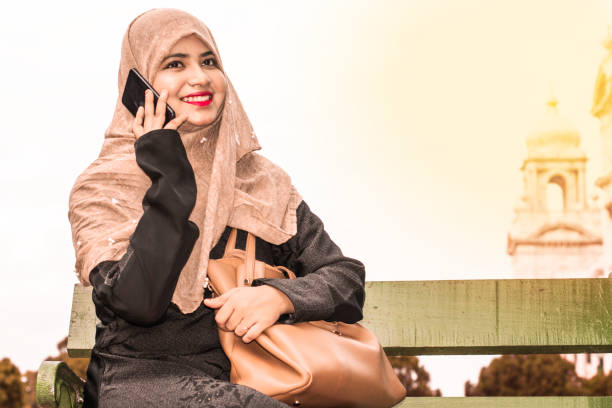
Historically, the prayer abaya originated in ethnic customs handed down over decades. It was a declaration of humility and loyalty as much as a garment. In tiny towns, the garment represented inner peace and social fit. It turned into a simple expression of simplicity and faith. Once a neighbor said, “This fabric speaks louder than words.” That little comment has weight that calls for quiet. Every thread and fold echoes days spent in quiet prayers and subdued meetings. This mild reminder of piety transforms the prayer abaya from a simple covering of the body.
The prayer abaya and the abaya worn for daily visits differ really clearly. The later is usually cut looser and moves lightly over the body. Generally speaking, cotton, linen, and soft jersey fabrics rule. These soft drapes encourage respect and comfort during extended prayer sessions. Some ladies choose basic needlework along the hem or sleeves. Though occasionally simple, the designs are emotive. A few pick delicate accents using hand-painted motifs. These little elements create a connection to holy events, therefore transcending mere style. The prayer abaya is like a well-kept diary with hints of prior dialogues with the divine.
The prayer abaya’s current design exhibits amazing variety. Colors range from traditional black to peaceful tones of blue and beige. While some wear it with a matching hijab, others combine in a soft scarf in a contrasting color. There is minimum keeping of accessories. A dainty broach might provide just a glaze of glitter. The goal is to put the emphasis on inner prayer rather than on flitziness. Friends often remark on how the clothing exudes humble contentment rather than outward adornment. Many social events center on figuring out that ideal mix of subtle modernism and legacy.
For some who have found solace in the prayer abaya, style choices provide a platform for subdued creativity. I once heard a tale of a young woman who accessorized her prayer abaya with exquisitely embroidered gloves to bring some of her own style. She stated it made her feel respectfully and boldly herself. Little accessories like a matching scarf or soft shoe pair can change the complete outfit. The abaya is like a blank canvas just ready for delicate personal brushwork. One day you might choose classic jewelry to go with it, then natural, understated touches the next. Every decision captures a personal narrative, a subdued revolt against the homogeneity of conventional clothing.

The comfort of the prayer abaya comes from mental peace as much as from bodily relaxation. In crowded prayer rooms or calm areas of a mosque, the garment provides cover from the demands of daily life. I remember a friend sharing her experience of walking into a quiet area while sporting the clothing rich in simplicity and legacy. The smooth fabric seemed to be whispering, “You are safe and valuable.” Many people search in times of great spiritual connection for that consoling hug. Practically and with great meaning, the garment reminds one of a cozy blanket on a chilly night.
Examining fabric choices more closely shows amazing subtleties. Cotton gives smooth feel and airability. Its threads appear to take away the heat of nervous days. On the other hand, linen has appeal of own. Though light, its appeal comes from its laid-back grace. For early morning prayer sessions, some women like a modest sheen that catches the light just right. Every prayer abaya is a narrative in itself, blending custom with a natural flare for comfort from the variances in texture and fabric weights. Every garment is created to feel personal and expressive by the interaction of light, fabric, and personal history.
Climate and regional customs also shape style. In tropical areas, light-weight materials help one stay cool. In colder climates, heavier materials respect the simplicity of the design while offering exactly the perfect level of warmth. One acquaintance from a highland once laughed, saying her prayer abaya was like a trustworthy friend a good friend during seasons of change. That honest humor reflects what many people experience: the abaya changes its character to fit changing temperatures and daily needs. It turns into a faithful friend through the numerous turns of life.
Sometimes fashionistas play about with layering. One can wear a prayer abaya over an even a tunic or a long dress. This layering not only gives the outfit more complexity but also offers a lighthearted variation without sacrificing its polite tone. It’s like combining modern beat with classical songs in music genres. The style discussion moves from rigorous tradition to an artistic edge embrace of simplicity. Friends debating their wardrobe for prayer meetings often share advice combining playful banter with a strong dedication to the ideals they cherish.
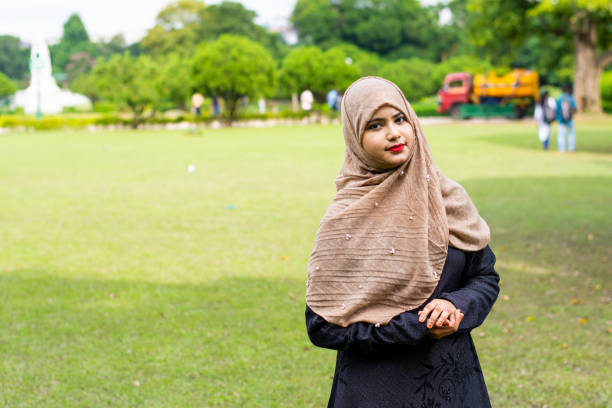
Some wearers have reported how the prayer abaya helps them to strengthen their relationship to personal identity. Their decisions can show faint signs of rebellion— a small cut change, a new sleeve pattern. These changes reveal a great deal about personal development while preserving the basic degree of modest commitment. One woman once laughed, “I dress my abaya the way I dress my smile quiet and full of hidden sparkle.” Such remarks inspire appreciation of personal style as well as reverence of history. It reminds us that little nuances in clothes can reflect the great depth inside each of us.
There are broad cultural ramifications for the prayer abaya. Many societies have legends about its evolution from essentially utilitarian clothing to a symbol of cultural pride. Days, often hours, are spent by artists producing basic decorations that initiate conversations. Both buyers and wearers share these tales. In some circles, the prayer abaya has motivated artistic expression that permeates poetry and other media. One careful stitch at a time, this clothing has seen centuries pass and yet exists now. Those who treasure it often tell its narrative, combining nostalgia with understated comedy and affection.


