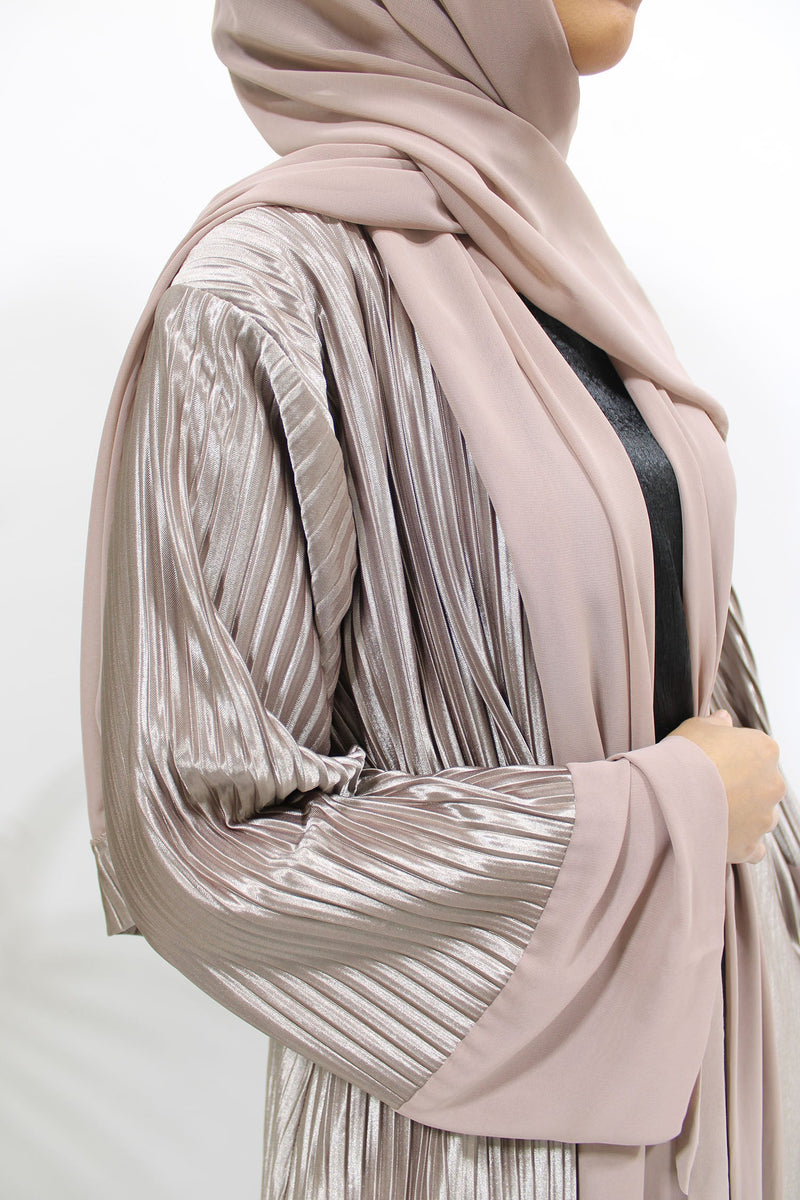
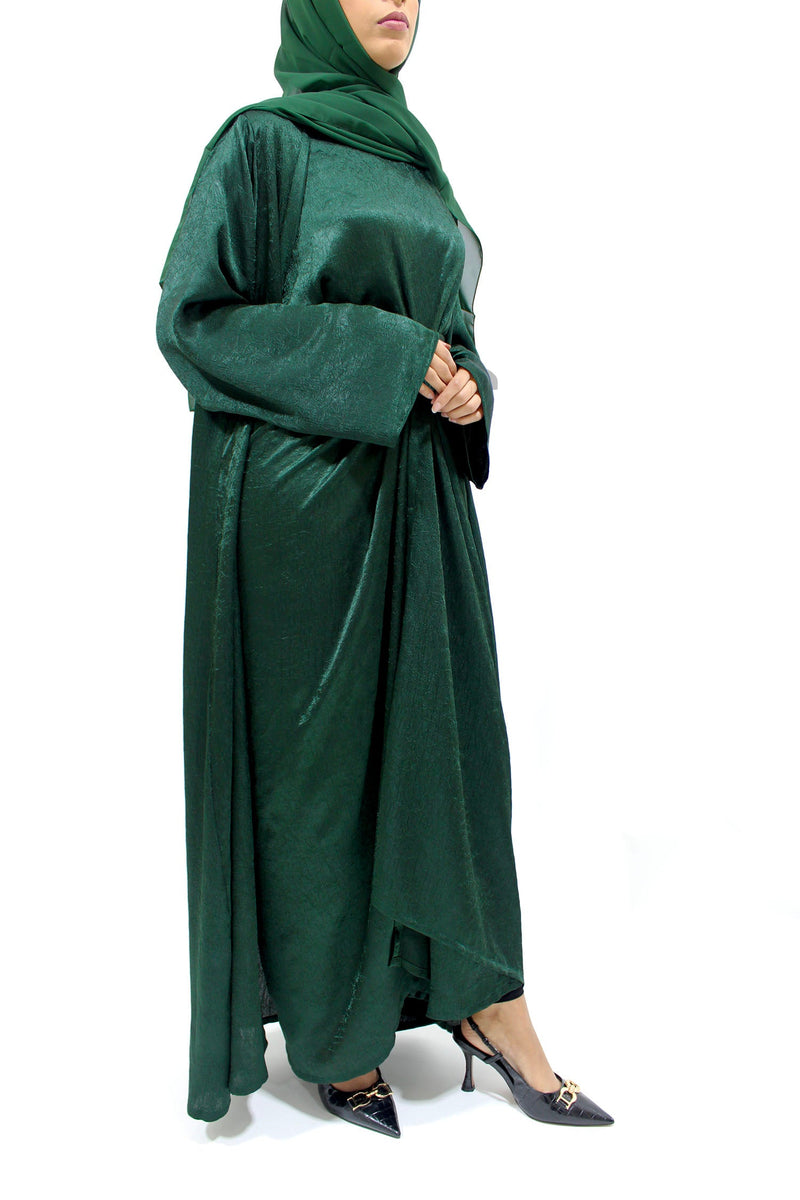
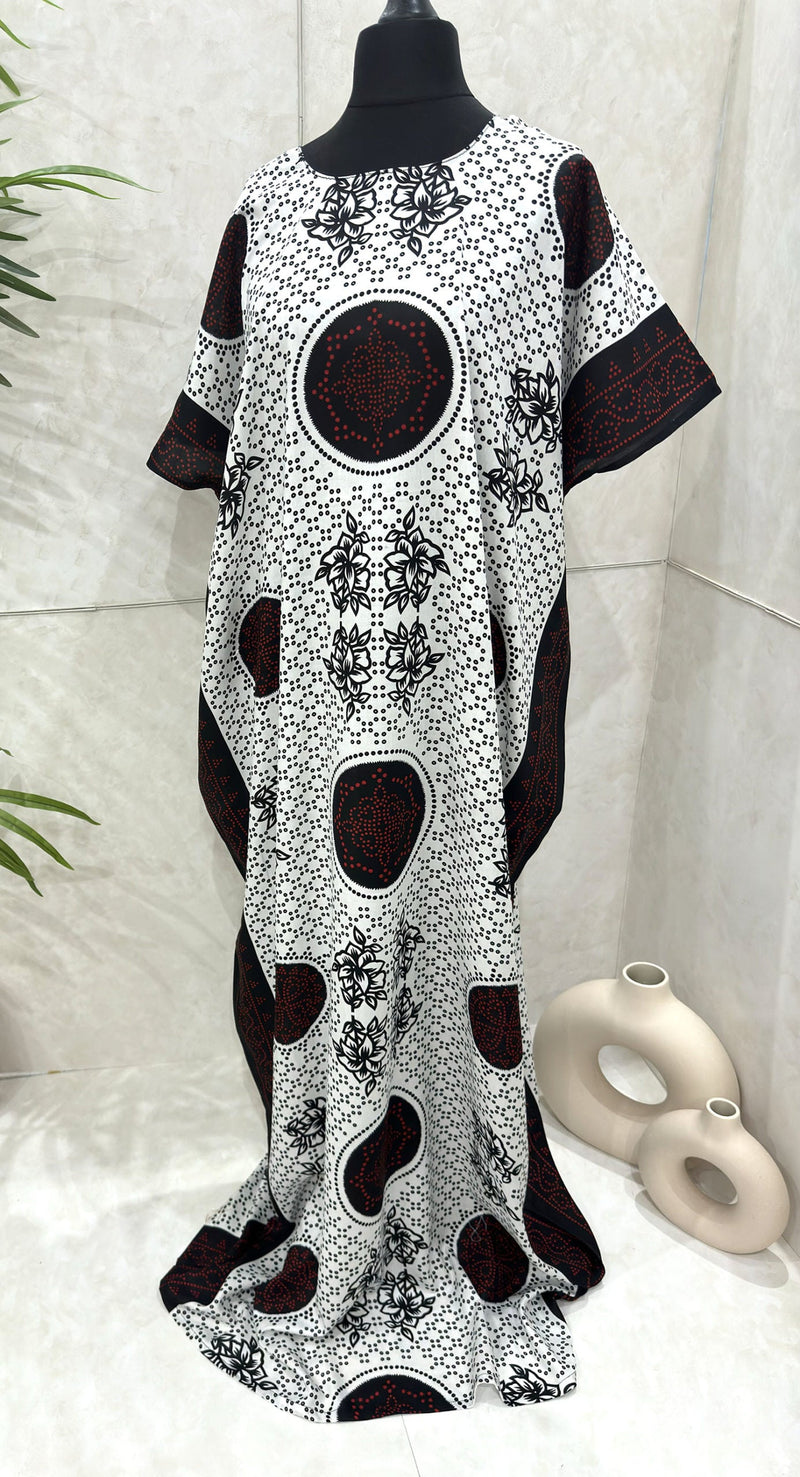
What Does Kosher Modest Clothing Usually Include, and How Do Jewish Modesty Practices Vary Across Communities Without One Universal Dress Code?
When people search for modest clothing through a Jewish lens, the word “kosher” can sometimes appear as a quick way of asking whether an outfit feels suitable, respectful or compatible with religious practice. Strictly speaking, kosher is most commonly used for matters of kashrut, especially food. When the question is about dress, the more precise Jewish concept is tzniut (also written tznius): modesty expressed through clothing, behaviour, privacy and dignity. That distinction matters because there is no single garment called “kosher clothing”, and there is no universal Jewish uniform.
So what does modest clothing usually include in practice? In many Orthodox Jewish communities, it means garments that provide deliberate coverage without closely outlining the body: dresses or skirts of an appropriate length, tops with higher necklines and sleeves, opaque fabrics, sensible layering pieces, and, for many married women, a form of hair covering. Men also have modesty expectations, although their everyday wardrobes and the religious garments they may wear are different. Exact standards can vary significantly between communities, families and rabbinic traditions.
This guide is designed to make those practical differences easier to understand without pretending every Jewish person dresses in the same way. If you are building a faith-conscious wardrobe more generally, our complete modest fashion guide gives a wider framework for thinking about coverage, fabric, movement and personal comfort.
What does “kosher modest clothing” actually mean?
The phrase kosher casual modest clothing is understandable as a shopping search, but it blends two ideas that are worth separating. “Kosher” literally belongs to a broader Jewish vocabulary of what is fit or proper under Jewish law, and in everyday English it is sometimes used informally to mean acceptable. When Jewish sources discuss modest dress specifically, however, they normally use the concept of tzniut rather than treating clothing as kosher in the same way that food is kosher.
Tzniut is broader than a dress code. It is concerned with how a person presents themselves, how much of the body is treated as private, and how clothing can support dignity rather than making the body the centre of attention. That is why two outfits can cover roughly the same amount of skin and still be judged differently in a particular community. A very tight long-sleeved dress, for example, may provide technical coverage while still feeling inconsistent with that community’s understanding of modest presentation.
It is also why modesty cannot be reduced to one hemline measurement. Jewish communities do not all apply the same practical standards, and individual circumstances matter. An Orthodox woman in one community may routinely wear skirts below the knee and sleeves to the elbow, while another community expects longer sleeves, higher necklines or looser silhouettes. Some Jewish women wear trousers; others avoid them. Some married women cover all of their hair; others cover part of it; many Jewish women do not cover their hair at all. A useful guide therefore explains common patterns without turning them into universal rules.
Tzniut is the starting point, not a shopping category
In traditional Jewish teaching, tzniut is usually translated as modesty, but the idea also carries senses of privacy, restraint and dignity. It applies to men and women and is not limited to clothing. Dress is simply one of the most visible ways the principle can be expressed.
That broader meaning helps explain why modest Jewish fashion can look very different from one person to another. A woman might wear a flowing midi dress with a cardigan, a tailored ankle-length skirt with a blouse, or a loose maxi dress with a scarf. A man might wear a conventional shirt and trousers while also wearing a kippah and, depending on his practice, tzitzit. None of those looks has to be drab or old-fashioned. Modesty and personal style are not opposites.
For a shopper, the practical lesson is to stop asking only, “Does this item cover enough?” and ask a fuller set of questions: Is the fabric opaque in daylight? Does the garment remain covered when I sit, reach or walk? Is the neckline secure? Does the cut cling in places I would rather not emphasise? Will I need so many extra layers that the outfit becomes uncomfortable? Does this meet the standards I personally follow, or the expectations of an event or community I am visiting?
What women’s modest clothing commonly includes
There is no single compulsory capsule wardrobe shared by all observant Jewish women, but several garment types appear frequently in communities that follow traditional tzniut standards. The details vary, yet the practical goal is often the same: reliable coverage that continues to work through ordinary movement.
Dresses with dependable coverage
Dresses are popular because one garment can provide a long, uninterrupted line of coverage. A modest dress will often have a neckline that sits securely, sleeves that reach the required point for the wearer, and a hem that remains comfortably below the knee even when sitting. Some women prefer midi lengths; others choose maxi dresses. A looser or gently shaped cut is often more useful than a body-skimming one.
The best modest dress is not necessarily the longest dress in the shop. Very long fabric can become awkward on stairs, catch under shoes or feel impractical for commuting. What matters is whether the length, cut and fabric work together. A dress can be long yet sheer, or loose while standing yet pull tightly across the hips when sitting. Checking the garment in motion tells you more than looking at the front photograph.
Skirts that stay covered when you move
Skirts are another common foundation. In many Orthodox settings, women wear skirts or dresses rather than trousers, although practice differs between communities and individuals. Knee coverage is a frequent reference point, and some communities favour substantially longer lengths.
A-line, panelled, pleated and softly flared shapes can be practical because they give walking room without needing a high slit. Straight skirts can work too, but they need enough ease through the hips and knees. If a skirt only reaches the desired length while you are standing perfectly still, it may not feel secure once you sit, climb into a car or walk up steps.
Look closely at vents and slits. A skirt that seems modest from the front can open much higher at the back or side. For online shopping, product photographs showing the rear view and walking shots are particularly useful. When those are missing, the garment measurements and written description matter more.
Tops with higher necklines and useful sleeves
Blouses, knit tops and shirts can make modest dressing easier when the neckline and sleeves are designed with coverage in mind. In many traditional communities, a high or collarbone-covering neckline and sleeves reaching at least around the elbow are common. Some women choose full sleeves as their normal standard.
The challenge is that retail descriptions such as “crew neck”, “high neck” and “long sleeve” do not always tell the whole story. A wide crew neck may shift when you bend. A button-up blouse may gape at the bust. A sleeve can ride above the elbow when your arm is raised. Fabric stretch, shoulder width and the placement of buttons all affect how secure a top feels in real life.
Cardigans, jackets and other intentional layers
Layering is common in modest wardrobes, but it works best when it is planned rather than used to rescue every unsuitable garment. A lightweight cardigan can add sleeve coverage. A longline blazer can make a simple dress feel polished. An opaque camisole or shell can make a neckline more secure.
There is a point, however, where constant layering becomes tiring. If every summer dress needs a high-neck base layer, an extra skirt and a cardigan, the outfit may be technically covered but far too warm. Choosing garments that already provide most of the required coverage usually gives a cleaner look and makes day-to-day dressing easier.
Opacity matters as much as length
One of the easiest mistakes in modest shopping is to focus on centimetres and forget transparency. Pale cotton, lightweight viscose, linen blends and thin jersey can all become more revealing in strong light. A fabric that appears opaque in a changing room may look very different outdoors.
For skirts and dresses, lining can make a substantial difference, particularly with cream, white and pastel shades. A lining should itself be long enough to support the coverage of the outer garment. A knee-length lining under an ankle-length sheer skirt may leave the lower part visibly transparent even though the silhouette looked fine in the product image.
For tops, check whether the fabric reveals the outline or colour of undergarments. This does not mean every item needs to be heavy. Dense weaves, double-layer fronts and thoughtfully chosen colours can provide opacity without excessive thickness. In warm weather, breathable but non-transparent fabrics are usually more practical than solving transparency with several extra layers.
Loose does not have to mean shapeless
Modest fashion is sometimes described as if the only safe silhouette were an oversized rectangle. In reality, many people want clothes that are relaxed without feeling swamped. The useful distinction is between a garment that follows the body gently and one that clings closely enough to emphasise every contour.
A well-cut dress can have shoulder structure, a softly defined waist or controlled volume while still feeling modest. A skirt can sit neatly at the waist and flare through the hip. A blouse can have darts or seams that improve fit without becoming skin-tight. The exact point at which fitted becomes too fitted will depend on the standards a person follows, but good tailoring and modest coverage can coexist.
Movement is the best test. Walk, sit and reach. If fabric pulls sharply across the chest, hips or thighs, you may need a different size or cut. If an oversized garment slips off the shoulder, opens at the neckline or requires constant adjustment, more fabric has not necessarily created more modesty.
Hair covering can be part of a married woman’s wardrobe
In many Orthodox Jewish communities, married women cover their hair. The form of covering differs. Common options include scarves or tichel, hats and wigs, often called sheitels. Some women combine coverings, and community custom can influence what is usual.
This is one of the areas where it is especially important not to generalise. Hair covering is not a practice followed by every Jewish woman, and even among Orthodox women there can be differences in how much hair is covered and which coverings are preferred. Someone shopping for a synagogue visit or an Orthodox wedding should also not assume that a guest must imitate the hair-covering practice of married women in that community. Event expectations are better checked with the host if there is any doubt.
From a wardrobe perspective, a head covering changes the balance of an outfit. Necklines, collar shapes, earrings and outerwear can sit differently with a scarf, hat or wig. Women who cover regularly often consider those practical details when choosing clothing, just as someone who wears hijab may think about neckline security, scarf fabrics and how outer layers sit around the head and shoulders.
What modest clothing commonly looks like for men
Tzniut is not a women-only concept. Men are also expected to dress with dignity and restraint, although the clothing conventions are different. In many observant communities, everyday dress might include shirts with sleeves, long trousers and clothing that is not deliberately revealing or excessively attention-seeking.
Religious garments and head coverings can also be part of men’s dress. Many observant Jewish men wear a kippah, and some wear tzitzit, the ritual fringes attached to a four-cornered garment, often a small garment worn under the shirt. Certain Hasidic and Haredi communities have distinctive dress traditions involving dark suits, hats and other community-specific garments, while other Orthodox men dress in ways that look very similar to conventional contemporary menswear.
It is useful to separate those identity or ritual garments from modesty itself. A kippah is not simply a “modesty accessory”, and tzitzit have a specific religious purpose. A respectful guide should not collapse every visible Jewish garment into one dress-code category.
Community standards can change what counts as appropriate
Two observant Jewish families can both value tzniut and still make different clothing choices. Some differences come from halachic interpretation, while others reflect community custom, local norms or family practice. That is why an outfit considered perfectly normal in one Orthodox setting might be regarded as too short, too fitted or otherwise unsuitable in another.
This variation is not a reason to give up on practical guidance; it is a reason to use practical guidance carefully. If you are dressing for your own daily life, follow the standards you have chosen or received guidance on. If you are entering a community you do not know well, ask what is expected rather than relying on stereotypes.
For an Orthodox synagogue, school, wedding or family event, the host or organiser is usually the best source for event-specific expectations. A simple question such as “Would a below-the-knee dress with elbow-length sleeves be appropriate?” is more useful than asking whether an outfit is “Jewish enough”. It also avoids putting someone in the position of speaking for every Jewish community.
How to build a practical modest wardrobe
A good modest wardrobe does not need dozens of specialist garments. A smaller set of reliable pieces often works better because each item has already passed your real-life tests for coverage, comfort and movement.
Start with the situations that make up most of your week. If you work in an office, you may need two or three skirts, several opaque tops, a couple of dresses and one structured layer that can move between meetings and everyday wear. If you spend most of your time caring for children, teaching or walking, washable fabrics and secure necklines may matter more than delicate tailoring. If your community dresses more formally for Shabbat and festivals, you may want separate pieces that feel special without being difficult to wear.
A useful core can include:
- one dark, easy-to-coordinate skirt with comfortable walking room;
- one lighter or patterned skirt for variety;
- two or three tops with dependable necklines and sleeves;
- one everyday dress that works without complicated layering;
- one smarter dress or coordinated outfit for Shabbat, celebrations or formal occasions;
- a cardigan, jacket or longline layer suited to your climate;
- an opaque base layer for the occasional neckline or fabric that needs extra security;
- appropriate hair coverings if that is part of your practice.
The point is not the exact number. It is to make sure your wardrobe has enough complete outfits that you are not repeatedly forced to improvise. The most frustrating modest wardrobes often contain plenty of clothes but very few garments that work together without fixing a neckline, extending a sleeve or hiding a transparent section.
What to check before buying modest clothing online
Online shopping makes choice easier but fit harder to judge. Modest shoppers often need information that standard product pages do not prioritise, so it helps to read images and measurements more critically.
Check the actual garment length
“Midi” and “maxi” are relative descriptions. A midi dress on a tall model may be close to ankle length on someone shorter, while the same garment can sit above the desired point on someone tall. Look for the shoulder-to-hem or waist-to-hem measurement where possible, then compare it with a garment you already own.
Look for sleeve measurements, not just sleeve labels
A three-quarter sleeve might finish below one person’s elbow and above another’s. Raglan, dropped-shoulder and puff-sleeve designs can also change where the functional coverage sits. If sleeve coverage is important to you, a measurement is more useful than the marketing label.
Zoom in on the neckline
Look at front, side and movement photographs. Wrap dresses can open. Button fronts can gape. Soft knit necklines can stretch wider than expected. A high neckline that remains stable is often more useful than one that only looks high when styled carefully for a photograph.
Read the fabric composition
Composition will not tell you everything about opacity, but it gives clues about drape, stretch, breathability and care. A high-stretch fabric may cling more than a woven fabric in the same cut. Lightweight linen may need lining. Polyester can be opaque yet warmer in summer. Viscose may drape beautifully but can change shape depending on weight and construction.
Use reviews for movement clues
Reviews that mention “rides up”, “gapes”, “see-through”, “clings”, “shorter than expected” or “tight on the arms” can be more useful to a modest shopper than comments about whether the colour is pretty. Pay particular attention to reviewers who provide their height and size.
Understand the returns policy before experimenting
Modest fit can be difficult to judge from a photograph, especially when a garment needs to stay covered while sitting and moving. A clear returns process gives you room to test the item properly at home. Keep tags attached until you have checked it in natural light, walked in it and tried it with the shoes and layers you are likely to wear.
Shatnez is a separate clothing concern
There is another Jewish clothing law that can come up in shopping conversations: shatnez, the Torah prohibition involving a mixture of wool and linen in a garment. This is separate from tzniut. An item can meet a person’s modesty standards but still raise a shatnez question, and a garment free from shatnez is not automatically modest.
This distinction is another reason the word “kosher” can be too broad when talking about clothing. Jewish dress can involve more than one category of religious concern, each with its own rules and practical questions. People who observe shatnez may check certain garments, particularly items containing wool or complex fabric blends, according to the guidance they follow.
Modest does not mean colourless or unfashionable
A common misconception is that religious modesty requires a wardrobe of black, beige and loose sacks. Some communities do favour restrained colours or discourage very attention-grabbing styles, but Jewish modest fashion as a whole includes print, texture, tailoring and colour.
The more useful question is not “Is this fashionable?” but “How is the fashion being used?” A bright dress can still provide excellent coverage. A beautiful print can be worn with a simple silhouette. A statement coat can be balanced with understated pieces. Someone can enjoy clothing and still want their appearance to reflect reserve rather than constant display.
Personal style also helps a modest wardrobe last. If you buy clothes only because they satisfy a checklist but you dislike wearing them, they will sit unused. Choosing colours, cuts and details that feel like you makes it easier to dress consistently without feeling that modesty is a costume put on for religious spaces.
How Jewish and Muslim modest wardrobes can overlap without being identical
Jewish and Muslim women sometimes find practical overlap in modest fashion: longer hemlines, opaque fabrics, sleeves, higher necklines, looser cuts and thoughtful layering. That overlap can make the same retailers or garments useful to both communities.
But shared shopping needs should not erase religious differences. Tzniut is a Jewish framework with its own sources, interpretations and community customs. Islamic modest dress has its own scriptural, legal and cultural discussions. A tichel and a hijab may both cover hair, for example, but they sit within different religious practices and should not be treated as interchangeable labels.
For a retailer or shopper, the respectful approach is simple: describe the garment accurately. State the length, sleeve, neckline, opacity, fit and fabric. Let people decide whether those features meet the standards they follow rather than declaring one item universally “religiously approved”.
What to wear to an Orthodox Jewish event if you are a guest
If you have been invited to an Orthodox wedding, synagogue service, family celebration or community event, you do not need to imitate the most observant person in the room. You do, however, want to respect the setting.
A conservative starting point for women is usually a dress or skirt that covers the knees, a neckline that is not low, and sleeves that provide meaningful upper-arm coverage. Some communities will have more specific expectations. For men, long trousers and a shirt with sleeves are generally a safer starting point than shorts or very casual sleeveless clothing. Synagogues may provide or request a head covering for men.
If the invitation or venue gives a dress code, follow it. If you know the hosts, ask them. The aim is not to pass a religious test; it is to show consideration. Guests are rarely helped by trying to reverse-engineer an entire community’s halachic standards from social media photographs.
Common mistakes when choosing modest clothing
The first mistake is treating coverage as a static photograph. Clothing moves. Hemlines rise when you sit, sleeves pull back when you reach, wrap fronts shift and slits open. Always judge an outfit in motion.
The second is buying a smaller size because a looser silhouette feels unfamiliar. If the design is supposed to skim rather than cling, sizing down can change the whole character of the garment. Use the size chart and pay attention to garment measurements.
The third is assuming every long garment is modest. A floor-length bodycon dress can be more revealing of shape than a shorter but generously cut dress. Length is one feature, not the whole definition.
The fourth is ignoring fabric in the pursuit of coverage. Four hot synthetic layers may make modest dressing feel unnecessarily difficult. Where possible, choose garments that deliver coverage through construction rather than through endless additions.
The fifth is assuming one community’s practice is universal. That can lead both shoppers and retailers to make statements that are too absolute. Accurate language such as “below-knee length”, “elbow-length sleeve” or “fully lined” is more useful than claiming an item meets every Jewish standard of modesty.
A simple way to decide whether an outfit works for you
Before keeping a garment, put it through a five-part test: coverage, opacity, fit, movement and context.
- Coverage: Does it cover the areas you intend to keep covered without constant pulling or pinning?
- Opacity: Is it genuinely non-transparent in natural light, including when the fabric stretches?
- Fit: Does it sit comfortably without clinging more closely than you want?
- Movement: What happens when you sit, bend, reach, climb stairs and walk briskly?
- Context: Does it suit your own practice and the setting where you plan to wear it?
If an outfit passes those five checks, it is much more likely to become a useful part of your wardrobe. If it fails two or three of them, trying to “fix” it with layers and accessories may cost more effort than finding a better-designed garment in the first place.
Frequently asked questions
Is “kosher clothing” the usual Jewish term for modest dress?
No. “Kosher” is most strongly associated with what is fit or permitted under Jewish law, especially the laws of kashrut concerning food. When Jewish people discuss modest dress, the usual concept is tzniut or tznius. People may use “kosher clothing” informally when searching, but it is more accurate to ask about Jewish modest clothing or tzniut standards.
Do all Jewish women have to wear long skirts?
No single clothing practice describes every Jewish woman. In many Orthodox communities, skirts or dresses are customary and knee coverage is an important reference point, with some communities preferring longer lengths. Other Jewish women wear trousers or follow different modesty practices. The appropriate standard depends on religious observance, interpretation and community custom.
Do married Jewish women always cover their hair?
Hair covering is an important practice for married women in many Orthodox Jewish communities, but it is not followed by all Jewish women and there are differences in how it is observed. Common coverings include scarves, hats and wigs. The amount of hair covered and the preferred type of covering can vary by community and personal practice.
Can modest Jewish clothing still be stylish?
Yes. Modesty does not require abandoning colour, print, tailoring or personal taste. Many modest wardrobes use elegant dresses, well-cut skirts, textured knitwear, attractive scarves and carefully chosen accessories. The practical aim is to combine style with the wearer’s standards for coverage, fit, opacity and restraint rather than treating fashion and modesty as opposites.
Are trousers considered modest for Jewish women?
Practice differs. Many Orthodox communities expect women to wear skirts or dresses and do not regard trousers as the normal expression of women’s tzniut. Other Jewish women do wear trousers, including loose or wide-leg styles. Because community standards vary, it is better not to make a universal claim about every Jewish woman or every Orthodox setting.
What fabrics work well for a modest wardrobe?
There is no required modest fabric. Look for materials that are opaque, comfortable and suitable for the season. Cotton twill, denser jersey, lined viscose, wool blends and many woven fabrics can work well depending on construction. Lightweight fabrics may need lining, while very stretchy fabrics can cling, so the cut and weave matter as much as fibre content.
What is the difference between tzniut and shatnez?
Tzniut concerns modesty and dignified presentation, including how clothing covers and fits the body. Shatnez is a separate Jewish-law issue involving prohibited mixtures of wool and linen in garments. A piece of clothing can satisfy a person’s modesty requirements while still needing a shatnez check, so the two questions should not be treated as the same rule.
How can a retailer make modest clothing easier to shop?
Detailed product information helps more than vague labels. Retailers can provide garment length, sleeve length, neckline photographs, fabric composition, lining details, opacity notes, model height, size worn and clear front, side and back images. Those details allow Jewish, Muslim and other modest shoppers to decide whether an item meets their own standards without the retailer claiming universal religious approval.
Choosing modest clothing with confidence
What modest Jewish clothing “usually includes” is best understood as a set of practical wardrobe features rather than a single uniform: dependable coverage, non-transparent fabric, a fit that does not over-emphasise the body, and clothing that suits the standards of the person and community involved. For many Orthodox women, that commonly means skirts or dresses, higher necklines, sleeves and, after marriage, some form of hair covering. For men, dignified everyday clothing may sit alongside distinctive religious garments and head coverings.
The most respectful answer also leaves room for difference. Judaism contains many communities, and tzniut is lived in more than one way. If you are shopping for yourself, know your own standards and test clothes in real movement. If you are dressing for someone else’s religious setting, ask rather than assume. And if you are selling modest fashion, describe garments precisely enough that customers can make that decision for themselves.
For more on building outfits around coverage, comfort, movement and thoughtful styling, return to our complete modest fashion guide.