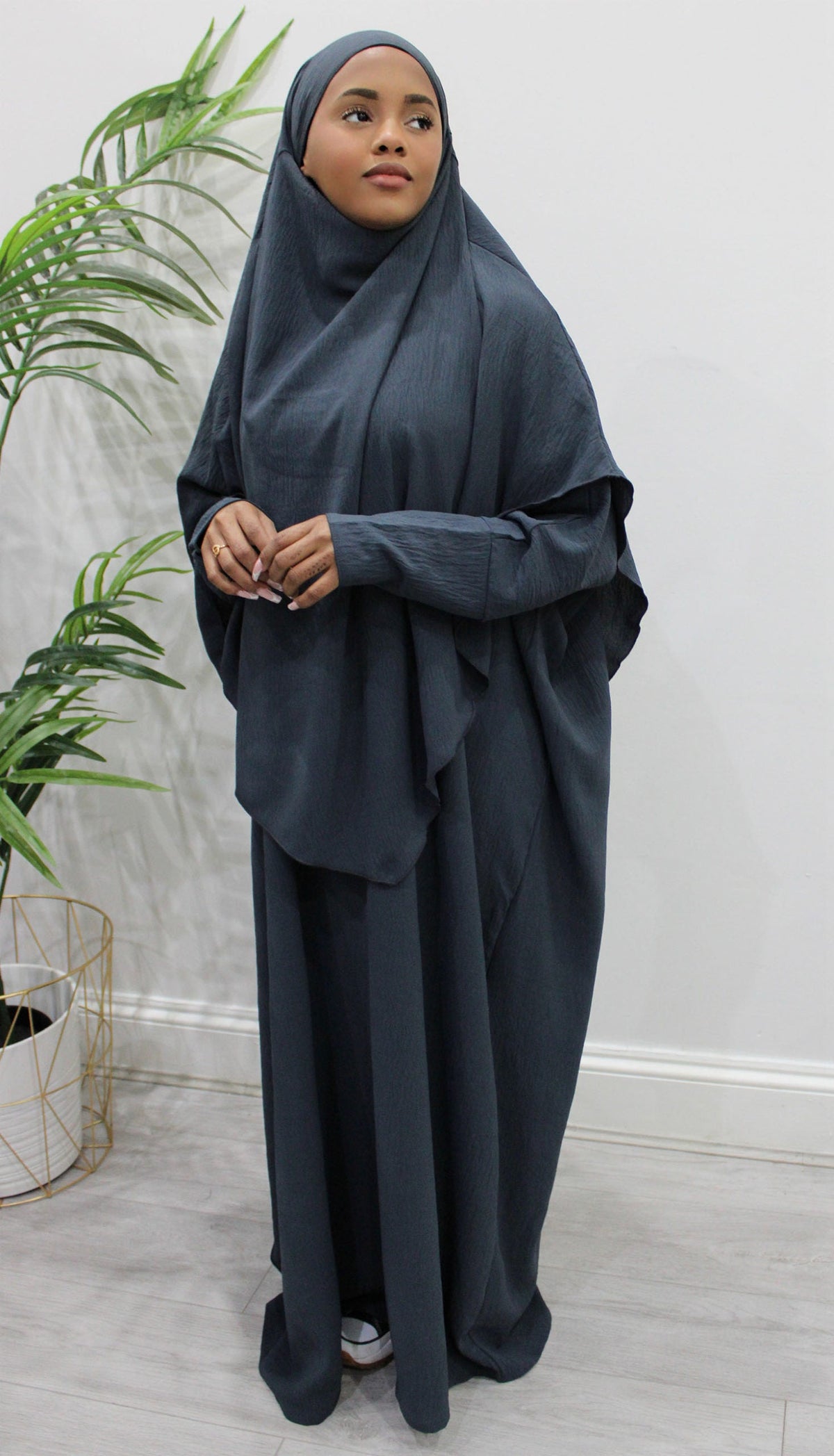
Telegram Jilbab: Why Choosing Carefully Matters More Than Buying Quickly
Bismillah. If you searched for Telegram Jilbab, you may already know the strange feeling that comes with online modest fashion shopping. Sometimes the words you type are not perfect. Sometimes a product name is unclear. Sometimes a sister sees a style shared in a group, a message, a marketplace post or a social platform, then tries to find something similar later and does not know exactly what to call it. She may type Telegram Jilbab because that is the phrase she remembers, but what she is really looking for is a jilbab that feels trustworthy, covered, easy to wear and worth the money.
That is the heart of this guide. It is not about rushing you into buying the first jilbab that appears online. It is about helping you choose carefully. A jilbab is not only another outfit. For many sisters, it is the garment they reach for when they want fewer decisions, fuller coverage and a calmer way to leave the house. It can be the piece that makes the masjid feel less intimidating. It can be the set that helps a revert feel ready for her first Ramadan gathering. It can be the outfit a mother chooses when she wants modesty to be quick but still dignified. It can be the piece that helps a sister stop asking, “Is this enough?” every time she steps outside.
When a garment carries that much emotional weight, it deserves more care than a quick purchase. You are not only choosing colour. You are choosing coverage, comfort, opacity, fabric, movement, prayer ease, routine, confidence and intention. You are choosing whether the jilbab will help you on real days, not only whether it looks good in a photo. That is why a Telegram Jilbab, or any jilbab you find through a quick search, is worth choosing slowly.
At Amani’s, we want sisters to feel informed rather than pressured. If you are new to jilbabs, you may feel overwhelmed by words such as two piece jilbab, overhead jilbab, abaya and khimar set, prayer abaya, sarouel jilbab, skirt set, khimar set and full jilbab. Do not worry. You do not need to know everything before you begin. This guide will walk you through what matters in a jilbab, how to judge quality, how to avoid online disappointment, how to choose fit and length, and how to make modest dressing feel more peaceful.
As you read, you can explore Amani’s two piece jilbabs, prayer abayas, khimars and one piece prayer dresses. The aim is not to buy quickly. The aim is to choose what helps you feel covered, steady and sincere.

Why a jilbab should never be an impulse buy
Impulse buying is easy online. A sister sees a photo, likes the colour, notices the price and clicks before she has checked the details. With some small accessories, that might not feel too risky. With a jilbab, it matters more. A jilbab shapes how you feel outside, during prayer, in front of family, while travelling and through everyday errands. If it is too short, too narrow, too sheer or too awkward, it can make modest dressing feel harder instead of easier.
A jilbab should solve problems, not create them. It should help you feel covered without needing to build a complicated outfit underneath. It should allow you to move, sit, walk, pray and carry out your daily responsibilities. It should feel modest in motion, not only modest when you stand still. If a garment looks beautiful but fails during real life, it may become one of those pieces you avoid even though you wanted to love it.
Quick buying often happens when a sister feels pressure. She may feel she needs a jilbab immediately because Ramadan is close, because she has started attending the masjid, because she is newly practising, because she feels guilty about her current clothes or because someone online made full coverage look effortless. That emotional pressure can make every product seem urgent. But modesty should not be built on panic. It should be built on intention, knowledge and manageable steps.
Choosing carefully lets you ask better questions. What do I need this jilbab for? Is it for daily wear, prayer, masjid, work, college, travel, Eid or my daughter’s modest wardrobe? Do I prefer a skirt set, trouser set, overhead abaya style or abaya and khimar set? Do I need elastic cuffs for wudu and daily tasks? Do I want a dark neutral or a softer colour? Is the fabric suitable for my climate? Does the length match my height?
These questions may sound simple, but they protect you. A sister who checks length before buying is less likely to receive something that drags or feels too short. A sister who thinks about fabric is less likely to buy a piece that is too heavy for summer or too thin for outdoor wear. A sister who checks whether the set includes the khimar, skirt or trousers is less likely to feel disappointed when it arrives. Careful shopping is not overthinking. It is self respect.
A jilbab also has spiritual and emotional meaning for many women. It can be part of guarding modesty, preparing for salah and moving through the world with dignity. When you choose it carefully, you honour that meaning. You remind yourself that your modest wardrobe deserves thoughtful decisions, not rushed reactions to a pretty image. The right jilbab can become one of the most reliable garments you own. That kind of reliability is worth taking time for.
What shoppers usually mean by Telegram Jilbab
Because Telegram Jilbab is not a standard garment category in the same way as abaya, khimar or jilbab, it helps to think about what a shopper may mean when she uses that phrase. She may have seen jilbabs shared through a messaging group or marketplace style post. She may be looking for an affordable jilbab she saw promoted somewhere quickly. She may be searching for a style that looks like a full overhead garment, an abaya and khimar set, a sarouel jilbab, or a two piece jilbab. She may not know the exact name, but she knows the feeling she wants: full coverage, simplicity and confidence.
This is common in modest fashion. Sisters often search with the words they have, not the words a shop owner would use. A new Muslim may not know the difference between a khimar and a jilbab. A mother may search “girls burka” when she means a girls jilbab set. A sister may search “prayer dress” when she actually needs a two piece jilbab for outside. Another may search “long hijab outfit” when she wants an abaya and khimar set. Search language is messy because real journeys are messy.
That is why the phrase Telegram Jilbab can still be useful as a doorway. It tells us the shopper probably wants a jilbab she can trust without spending hours decoding product names. She may be comparing different sellers. She may be unsure whether a cheap listing is safe. She may be worried about quality, sizing and whether the photos match reality. She may have been disappointed before and now wants to avoid another mistake.
The careful approach is to translate the phrase into practical needs. If you want a ready to wear full coverage outfit, look at two piece jilbabs. If you want an overhead abaya with a matching khimar, look at abaya and khimar sets. If you want something for prayer and daily modesty, look at prayer abayas and jilbab sets. If you want something for a child, look specifically at girls jilbabs and children’s modest wear, because adult sizing will not work the same way.
You should also notice whether the product you are viewing is truly a jilbab or just using the word because it attracts searches. A true jilbab style piece should offer meaningful coverage. It should not simply be a fitted dress with a scarf. It should be loose, opaque and designed for modest movement. If it is a set, the listing should clearly explain what is included. If it is for children, the sizing should reflect children’s lengths. If it is for women, it should offer adult lengths and enough room for comfort.
Once you understand what you mean by Telegram Jilbab, you can shop with less confusion. You stop chasing a vague phrase and start looking for the garment that truly meets your need.
Coverage, looseness and movement matter more than the product photo
A product photo can make a jilbab look perfect, but modesty is tested in movement. You need to know how the garment behaves when you walk, sit, lift your arms, climb stairs, carry bags, pick up a child or pray. A jilbab that looks loose from the front may pull at the sides. A set that looks long enough on a model may be shorter on you. A fabric that looks opaque in studio lighting may reveal more in daylight. This is why careful shopping looks beyond the first image.
Coverage begins with the shape. A two piece jilbab usually includes an overhead top with either a skirt or trousers. This can give a complete outfit with fewer decisions. An abaya and khimar set pairs a loose abaya style garment with a long khimar, often giving a graceful full coverage look. A prayer abaya can be easier for salah and everyday modesty. A girls jilbab set is designed for younger bodies and routines. Each option covers differently, so the best choice depends on who will wear it and where.
Looseness matters because a jilbab should not outline the body in a way that makes the wearer uncomfortable. If the top is too narrow, it may cling or pull. If the skirt is too tight, walking may feel awkward. If trousers are too slim, the outfit may lose the modest ease you wanted. Look for words such as loose fit, overhead, full coverage, relaxed, wide, and modest cut, but do not rely on words alone. Check the photos and measurements.
Movement matters for prayer. During salah, you bow and prostrate. A garment that seems covered while standing may shift during sujood. The khimar or overhead top should stay in place. The sleeves should not expose the arms. The lower half should not ride up too much. If you are buying a jilbab mainly for prayer, test it at home when it arrives before relying on it outside.
Movement also matters for daily life. If you drive, the garment needs to be manageable in the car. If you use public transport, you need to walk and sit without fuss. If you have children, you need sleeves and fabric that do not make every task harder. If you are buying for a daughter, make sure the style lets her move safely and comfortably. Children’s modest wear should support confidence, not restrict normal movement.
Opacity is part of coverage too. A dark colour often feels safer, but fabric thickness still matters. A pale or bright colour may need better lining or heavier fabric. In a two piece set, ask whether the top and bottom work together without needing many extra layers. If you need an underdress, leggings or slip, plan that before buying. A jilbab should make getting dressed easier, but only if the whole outfit is thought through.
When you judge coverage, looseness and movement together, you protect yourself from disappointment. The product photo can invite you in, but the details decide whether the jilbab truly serves you.

Choosing fabric that can handle real life
Fabric is one of the biggest differences between a jilbab you wear often and a jilbab that stays folded away. Many sisters focus first on colour, but fabric decides comfort, drape, warmth, opacity and care. If the fabric is wrong for your routine, even the prettiest jilbab can become frustrating.
Crepe is common in jilbabs and abaya sets because it can offer a balance of structure and movement. A good crepe can feel modest, practical and not too clingy. It may be suitable for overhead abayas, khimar sets, children’s jilbabs and everyday modest outfits. The key is weight and finish. Too thin, and you may worry about opacity. Too heavy, and long wear may feel tiring.
Jersey can be loved for comfort. A jersey stretch overhead jilbab can feel soft, flexible and easy to move in. This may help sisters who dislike stiff garments or need something for daily errands and relaxed routines. However, jersey quality matters. Some jersey can cling, especially if cut too close. A good jilbab design should allow the comfort of stretch without losing modest looseness.
Chiffon is usually more common in khimars than full jilbab bodies. It can create a soft, graceful fall, but it may need layering because it can be sheer. If a jilbab set includes a chiffon khimar, check whether it is one layer or two layers. A double layer khimar may feel more reassuring while still looking gentle. For daily use, consider whether you are comfortable securing chiffon with magnets, pins or an undercap.
For children’s jilbabs, fabric must be practical. Children move, sit, play, attend madrasa, visit family and sometimes forget to be careful with delicate clothing. A child’s jilbab should be modest but not so delicate that it becomes stressful for the parent or uncomfortable for the child. Crepe or practical fabrics often make sense, especially when the garment is for regular use rather than only Eid.
Think about temperature too. In the UK, modest clothing needs to work across unpredictable weather. A jilbab may be worn under a coat in winter or alone in warmer months. A very heavy piece may feel secure but become uncomfortable on summer days. A lighter piece may feel pleasant but need more layering in cold weather. Choose based on when you will wear it most.
Care matters as much as comfort. If you need something for weekly wear, choose a fabric you can maintain. If it creases badly and you hate steaming, you may avoid it. If it snags easily and you carry bags often, it may not be the best everyday option. If you are buying for a child, check whether washing and drying will be simple enough for family life.
The best fabric is not always the fanciest one. It is the fabric that helps you stay consistent. A modest wardrobe becomes easier when your clothes support your routine instead of demanding too much from you.
How to choose the right jilbab style for your routine
Different jilbab styles suit different lives. Before buying, imagine your normal week. Not the perfect day when you have time to get ready slowly, but the real week with appointments, school runs, salah times, tired mornings, errands, family visits, work, studies and unexpected plans. Which jilbab would help you in that life?
If you want full coverage with the least styling effort, a two piece jilbab may be ideal. It gives you a top and lower half designed to work together. You do not need to search for a matching skirt or trousers. You do not need to wonder whether your top is long enough. For many sisters, a two piece jilbab becomes the outfit they trust when they need to be ready quickly.
If you like a softer, graceful look, an abaya and khimar set may suit you. The abaya gives body coverage while the khimar covers the head, chest and upper body. This can feel especially beautiful for masjid, classes, gatherings and everyday modest dressing. It is also helpful if you want colour matching without stress. A black set may become a foundation piece. A grey, mauve, coral or brown set can bring softness while still staying modest.
If you want something for salah first, a prayer abaya or one piece prayer dress may be easier. A jilbab can work for prayer, but a dedicated prayer garment is often designed with worship in mind. At home, a prayer dress can remove the need to assemble an outfit for every salah. Outside, a jilbab or abaya and khimar set can help you remain prayer ready while moving through the day.
If you are buying for a daughter, the routine is different. A girls two piece sarouel jilbab may be practical because trousers can be easier for movement. A girls jilbab and skirt set may feel more traditional and graceful. A full jilbab with ruched cuffs can make wudu and daily tasks easier. Choose based on the child’s comfort, height, confidence and how often she will wear it. Modesty for children should feel encouraging, not heavy.
If you work or study, think about practicality. A very flowing garment may look beautiful but could be inconvenient in a lab, kitchen, classroom or busy commute. A more controlled sleeve, reliable length and stable fabric may work better. If you attend Islamic classes or the masjid often, you may prefer fuller coverage and a khimar style top. If your day involves driving, sitting or walking long distances, movement and length become especially important.
Your best jilbab style is the one that you can repeat. If you can imagine wearing it on tired days, not only inspired days, it is probably a strong choice. Consistency is often built through clothes that make obedience feel easier.

What reverts and sisters starting again should check first
If you are a revert or a sister starting again, a jilbab can feel like a big step. You may love the idea of fuller coverage but still feel nervous about being seen differently. You may wonder if people will think you are trying to be someone you are not. You may worry that wearing a jilbab means everyone will expect you to know everything. You may feel excited in private but anxious outside.
Please take this gently. You do not have to feel perfectly confident before choosing clothing that helps you. Sometimes confidence comes after the first few wears. Sometimes the garment that felt bold on day one becomes your comfort piece by week three. Your heart may need time to catch up with your intention.
Start by choosing a jilbab that feels emotionally safe. For many sisters, that means black, navy, grey, brown or another calm neutral. For others, black feels too strong and a soft mauve, mocha, coral or green feels easier. There is no single emotional starting point. Choose a colour that helps you imagine yourself wearing it outside without feeling overwhelmed.
Next, choose simplicity. A set can help because you do not need to build the whole outfit yourself. An abaya and khimar set, a two piece jilbab or a prayer abaya can remove decision fatigue. When you are learning, too many outfit decisions can become a barrier. A ready set lets you focus on the bigger journey: prayer, knowledge, community and consistency.
Check sizing carefully. New modest shoppers often underestimate the importance of length. If the jilbab is too short, you may feel exposed. If it is too long, you may trip or feel awkward. Measure at home. Compare with a dress, abaya or skirt that already feels comfortable. If you are buying for prayer, make sure the garment gives coverage during bowing and prostration.
Think about where you will first wear it. You might practise at home. Then wear it for a small errand. Then wear it to the masjid or a class. Gradual exposure can help your nervous system settle. You are not failing because you need steps. Many sisters grow into modest clothing slowly, even when they love it.
Be careful whose voices you let into your journey. Some people may discourage you. Others may push you too hard. Seek knowledge and good company, but do not let harshness make you freeze. A jilbab should help you move towards Allah with hope, not make you feel crushed by expectation.
At Amani’s, reverts are close to our heart. In Ramadan, Amani’s donates abayas to reverts because we believe a sister starting or strengthening her modest journey deserves welcome, dignity and support. Clothing can be a small mercy when it is offered with love.
Shopping online without being misled
Online jilbab shopping requires a clear mind because not every listing gives enough information. Some sellers rely on attractive photos and vague descriptions. Some use many keywords without explaining the garment. Some show a style from one angle only. Some use names that sound similar, making it difficult to compare. If you are searching Telegram Jilbab or any quick jilbab phrase, slow down before checkout.
First, check what is included. Is it a two piece set? Does it include a skirt, trousers, khimar or only the top? Is the underlayer shown in the photo included or just styling? Many disappointments happen because the customer assumed the full outfit was included. A good product page should make this clear.
Second, check length and size. Adult jilbabs often use lengths such as 52, 54, 56, 58 and 60. Children’s jilbabs may use smaller lengths or trouser and skirt length measurements. Do not mix these up. A child’s size 40 is not the same type of choice as an adult abaya length. If you are buying for a daughter, check her height and the garment length. If you are buying for yourself, compare with something you own.
Third, check fabric. Words like crepe, jersey, chiffon and satin matter. If the listing does not mention fabric, be cautious. If you need daily wear, you want something practical. If you need occasion wear, you may accept more delicate fabric. If you need prayer wear, you want coverage and ease. The fabric should match the purpose.
Fourth, check photos carefully. Look for full length images, side views, close ups and realistic colour. Studio lighting can change shades. A navy may look black. A mauve may look pinker or cooler depending on screen settings. A green may look brighter online than in person. Product descriptions can help you understand the colour better.
Fifth, check returns and customer care. Even when you measure, fit can surprise you. A fair return policy gives peace. A shop that explains products clearly, organises collections properly and offers modest fashion guidance is usually safer than a listing that only pushes urgency.
Finally, avoid buying from panic. If a seller or post makes you feel that you must buy immediately or you will miss your chance to be modest, pause. Scarcity can be real when stock is low, but emotional pressure is not a good reason to ignore details. Modesty deserves calm choices.
Jilbab for women, girls and family modest wardrobes
One of the beautiful things about jilbabs is that they can support different stages of life. A woman may choose one for fuller coverage. A mother may choose one for prayer and errands. A young girl may wear one for madrasa, Eid or learning modesty with confidence. A family may build modest wardrobes slowly, with each person needing something slightly different.
Women’s jilbabs usually need to balance coverage, comfort and routine. A sister may want a black abaya and khimar set for everyday security, a softer colour for gatherings, a jersey set for relaxed wear and a prayer abaya for worship. She may not need all of these at once. Starting with one reliable piece is often wiser. Over time, she can add based on what she actually wears.
Girls’ jilbabs need extra care because children should not feel trapped by their clothing. The garment should fit safely, allow movement and feel age appropriate. Sarouel trouser sets can be practical because they allow active movement while keeping coverage. Skirt sets can feel graceful for occasions. Ruched cuffs can help sleeves stay controlled. Colours such as black, navy, grey, maroon, mocha and teal can give options without losing modesty.
Parents should also think about how often the child will wear it. A special Eid jilbab may be chosen differently from a madrasa weekly jilbab. A child who is still learning may need something simple and comfortable rather than a delicate garment with too many parts. The aim is to help her associate modesty with dignity and ease, not discomfort.
Family wardrobes also need budget wisdom. It is tempting to buy many pieces at once, especially when you want everyone prepared for Ramadan or Eid. But careful shopping may mean choosing fewer, better matched garments. One reliable jilbab for a daughter that she wears happily is better than three uncomfortable ones. One adult set that makes prayer and errands easier is better than several impulse buys.
Modesty in the family also includes conversation. Explain why coverage matters with kindness. Let girls feel that modest clothing is connected to love for Allah, self respect and belonging, not only rules. Let them help choose colours within appropriate options. Let them feel proud, not forced. A jilbab can become part of a positive memory when chosen and introduced gently.
Colour, confidence and repeat wear
Colour affects how often a jilbab is worn. A colour can be beautiful but still difficult to repeat. If you are choosing carefully, ask whether the shade fits your real wardrobe. Black is dependable. Navy is soft but still practical. Grey feels calm and modern. Brown and mocha feel warm. Mauve can feel feminine without being too loud. Army green can feel grounded and casual. Plum can bring richness while remaining modest when styled simply.
For a first adult jilbab, many sisters choose black because it feels safe. It works for prayer, masjid, errands and gatherings. It hides marks better than pale colours and pairs with many hijabs. But black is not the only modest option. If black feels too strong for your personality or environment, a muted neutral may help you wear the garment more often. Confidence grows when the piece feels like something you can actually repeat.
For girls, colour can make modest clothing feel more inviting. A child may love navy, teal, maroon or mocha. Giving a little choice can help her feel connected to the garment. The colour should still be dignified and wearable, but modesty for children should not feel joyless. A balanced colour choice can make her more willing to wear the jilbab with a happy heart.
Repeat wear matters because the most valuable modest pieces are the ones you reach for again and again. A jilbab that only works with one outfit or one event may be fine as occasion wear, but an everyday jilbab needs versatility. Before buying, imagine three uses. Can I wear it to the masjid? Can I wear it for errands? Can I wear it for family visits? Can my daughter wear it to madrasa and Eid? If yes, it is likely a stronger purchase.
Colour also affects emotional confidence. Some sisters feel hidden in black in a good way. Others feel heavy. Some feel calmer in grey. Others feel brighter in mauve. Some feel grounded in green. Pay attention to what helps you feel steady, not what social media says you should wear. Modesty is not one colour. It is a way of dressing with dignity, coverage and intention.
When you choose colour carefully, your jilbab becomes easier to love. You stop forcing yourself into a shade that does not feel right and begin building a wardrobe that supports consistency.

Care, storage and making your jilbab last
A carefully chosen jilbab should also be carefully cared for. When you look after the garment, it stays ready for prayer, errands, masjid visits and daily life. Care protects your money and helps reduce waste. It also keeps the garment feeling beautiful rather than tired.
Always read the care label where available. Crepe, jersey, chiffon and other fabrics do not all behave the same. Use gentle washing when needed. Avoid harsh detergent and overcrowded machines. Turn garments inside out to protect the outer surface. Wash similar colours together, especially deep shades such as black, navy, plum and teal.
Dry the jilbab properly. Some fabrics should not be tumble dried. Heat can affect shape, shrinkage or texture. Hang carefully or lay flat depending on the garment. Be mindful of heavier pieces stretching when wet. If the jilbab includes a khimar, store it in a way that avoids deep creasing around the face opening.
Steam gently if needed. Direct high heat can damage delicate fabric. Chiffon and satin style details need extra caution. Jersey may not need much steaming but can stretch if pulled. Crepe often benefits from light steaming to refresh the drape. Caring gently helps the garment look modest and neat without becoming high maintenance.
Repair small issues quickly. A loose thread, weakened cuff or small hem problem can become worse if ignored. If you wear a jilbab often, it is normal for small maintenance needs to appear. A simple sewing kit or trusted alterations service can extend the life of the garment.
Storage should make your modest wardrobe easier to use. Keep everyday jilbabs accessible. If a piece is buried, you may forget it. Hang sets together where possible so the khimar, top and skirt or trousers do not get separated. For children, organise jilbabs by size or occasion so school and madrasa mornings are easier.
Good care is part of gratitude. A jilbab that helps you pray, leave the house covered or teach your daughter modesty is a blessing. Treating it well honours the role it plays in your life.
A calm checklist before choosing any jilbab
Before buying a Telegram Jilbab, two piece jilbab, abaya and khimar set or girls jilbab, pause for a few minutes. Ask what job this garment needs to do. Is it for daily wear, prayer, masjid, work, study, Ramadan, Eid, travel or a child’s modest wardrobe? A jilbab cannot be judged properly until you know its purpose.
Then check the structure. Is it one piece or two piece? Does it include a skirt, trousers, khimar or matching abaya? Is the top overhead? Are the sleeves practical? Are there ruched cuffs? Is the lower half suitable for walking and prayer? The more clearly you understand the structure, the less likely you are to feel disappointed.
Check the fabric. Will it feel comfortable for the season and routine? Will it be opaque enough? Will it need an underlayer? Can you wash and care for it? Does the fabric match the purpose of the garment?
Check the length. Compare measurements with your body or your child’s height. Do not guess from the model photo. A few inches can change the whole experience. The right length should feel covered but safe to walk in.
Check the colour. Can you style it with what you already own? Will you wear it more than once? Does the colour make you feel calm, confident and sincere? Do not buy a shade only because it looks beautiful on someone else.
Finally, check your heart. Are you choosing from purpose or pressure? Are you trying to support your modesty, or are you rushing because you feel behind? A jilbab chosen with calm is more likely to become a garment you love. You are allowed to take your time. Careful choice is not delay. It is wisdom.
Frequently asked questions
What is a Telegram Jilbab?
Telegram Jilbab is not a standard garment category like abaya or khimar. Many shoppers use phrases like this when they have seen a jilbab style shared online or through a messaging space and are trying to find something similar. The important thing is to check the actual garment type, fit, fabric, coverage and what is included.
Is a two piece jilbab better than an abaya?
It depends on your needs. A two piece jilbab can be easier if you want a complete outfit with fuller coverage and fewer styling decisions. An abaya may be better if you prefer a dress like garment. An abaya and khimar set can give a soft full coverage look with coordinated pieces.
What should I check before buying a jilbab online?
Check what is included, the fabric, length, sizing, opacity, return policy and product photos. Make sure the jilbab suits your routine, whether that is prayer, errands, work, masjid, study or children’s modest wear.
Which jilbab fabric is best for everyday wear?
Crepe and good quality jersey can work well for everyday jilbabs, depending on the design. Crepe often gives structure and modest drape, while jersey can feel soft and easy. The best fabric is opaque, comfortable and practical for your routine.
Can reverts wear jilbabs while still learning?
Yes. A revert does not need to know everything before choosing clothing that supports modesty. A simple jilbab, prayer abaya or abaya and khimar set can make the journey feel easier while she continues learning step by step.
How do I choose the right jilbab length?
Measure a garment you already like and compare it with the product length. Adult lengths often differ from children’s sizes, so check carefully. The right length should feel covered, safe for walking and suitable for prayer if that is your goal.
Are girls jilbabs different from women’s jilbabs?
Yes. Girls jilbabs are designed with children’s sizing, movement and comfort in mind. They may use trouser lengths, skirt lengths or smaller garment lengths. Do not choose an adult jilbab for a child without checking measurements carefully.
Is black the best colour for a first jilbab?
Black is practical and easy to repeat, but it is not the only good choice. Navy, grey, brown, mocha, plum, mauve and green can also be modest when styled simply. Choose a colour that supports confidence and works with your wardrobe.
People also ask
How do I know if a jilbab is modest enough?
Check looseness, opacity, length and movement. A jilbab should give coverage while walking, sitting and praying, not only when standing still. It should not cling in a way that makes you uncomfortable.
Can I wear a jilbab for everyday errands?
Yes. Many sisters wear jilbabs for errands because they provide quick, reliable coverage. Choose a practical fabric, manageable length and comfortable sleeves so the jilbab supports your routine.
What is the difference between a jilbab and a khimar set?
A jilbab usually refers to a fuller outer garment or set designed for body coverage. A khimar covers the head and upper body. An abaya and khimar set combines a loose abaya with a matching khimar for coordinated modest dressing.
Should I buy a cheap jilbab?
A cheap jilbab can be fine if the fabric, stitching, sizing and return policy are clear. Be careful with listings that have poor photos, vague details or no measurements. Value matters more than price alone.
How many jilbabs do I need?
You can begin with one reliable jilbab that suits your routine. Over time, you may add a second colour or a different style for prayer, daily wear or occasions. A small useful wardrobe is better than many pieces you do not wear.
About Amani’s
Amani’s is a modest fashion brand created for sisters who want clothing to feel faithful, dignified and wearable. We offer abayas, jilbabs, khimars, hijabs, prayer wear and children’s modest clothing for women and families building wardrobes with intention.
Our writing is shaped by real modest fashion experience and by listening to sisters at different stages of the journey. Some are reverts. Some are mothers. Some are returning to modesty. Some are choosing their first jilbab. Some are simply trying to make everyday dressing feel calmer. We write for all of them with softness and care.
With love and du’a,
Amani’s
Words from sisters
I used to buy modest clothes quickly because I felt behind. The first jilbab I chose carefully became the one I actually wore. It felt different because it suited my real day, not just the picture online.
As a revert, I did not know all the names. I just knew I wanted to feel covered at the masjid. A simple two piece set made everything less scary because I did not have to style it from scratch.
For my daughter, comfort mattered most. When she had a jilbab that fit properly and let her move, she stopped seeing modest clothing as a struggle and started enjoying it more.
Community, care and purpose
Amani’s believes modest fashion should be connected to service, sisterhood and sadaqah jariyah. Clothing can help a sister feel confident, but it can also become part of a wider circle of care when it is shared with sincerity.
In Ramadan, Amani’s donates abayas to reverts as part of our commitment to supporting sisters who are beginning or strengthening their modest dress journey. For us, this is not only about garments. It is about welcoming sisters with dignity, easing the first steps and reminding them that they are not alone.
Every sister deserves to feel that modesty can be approached with mercy, not pressure.
Choose the jilbab that will still feel right after checkout
What makes a Telegram Jilbab worth choosing carefully instead of quickly? It is the fact that the right jilbab can become part of your everyday peace. It can help you pray with less worry, leave the house with more confidence, attend the masjid with a calmer heart and teach daughters that modesty can be dignified and wearable. That kind of garment should not be chosen from panic.
Choose slowly. Look at the fabric, length, fit, colour and structure. Ask whether the garment suits your real routine. Ask whether it will still feel useful after the excitement of buying fades. Ask whether it helps you feel closer to consistency. A jilbab should not only look good on a screen. It should serve you when you are tired, busy, nervous, hopeful and trying.
If you are ready to explore, begin with Amani’s two piece jilbabs for ready coverage, prayer abayas for worship focused ease, khimars for upper body coverage, and one piece prayer dresses for simple salah preparation. Let the next piece you choose be one that supports your heart, not only your basket.