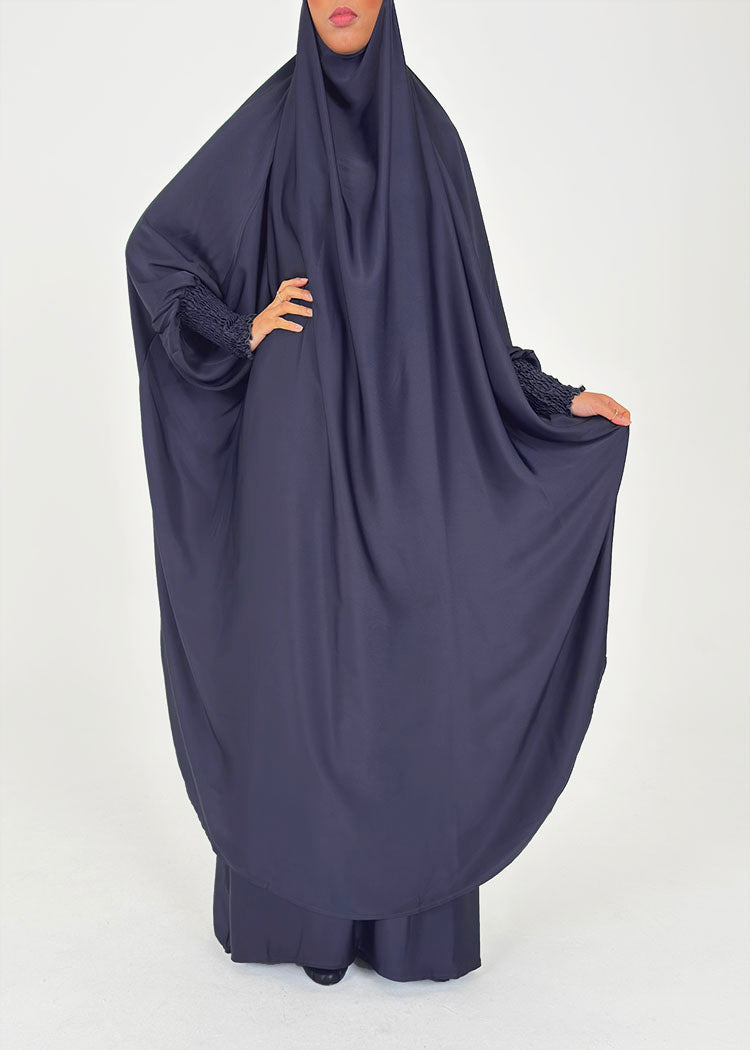
Arrazy Jilbab: How to Choose an Easy, Covered Jilbab When You’re Starting Again
Bismillah. If you searched for Arrazy Jilbab, there is a chance you were not only looking for a garment. You may have been looking for a way back into modesty that does not feel harsh, rushed or impossible. Maybe you have worn jilbab before and stopped for reasons only Allah knows fully. Maybe you are new to modest dressing and the word jilbab feels serious, beautiful and a little intimidating. Maybe you keep saving photos of sisters who look peaceful in full coverage, then closing the tab because you are not sure whether you could ever feel that settled yourself.
Starting again is tender. It is different from starting for the first time. When you are starting again, you may carry memories with you. A scarf that kept slipping. A jilbab that felt too heavy. A season when people made comments. A time when your heart wanted modesty but your life felt messy. You may be afraid of buying another jilbab and leaving it folded in the wardrobe because it feels like proof that you failed before. But a folded garment is not the end of your story. Sometimes it is simply waiting for the day you return to it with more mercy, more knowledge and a better fit.
This guide treats Arrazy Jilbab as a search phrase many sisters may use when looking for a jilbab style, jilbab shop or jilbab inspiration. It is not written as a claim that Amani’s is connected to any outside brand or seller. The heart of this article is the deeper question behind the search: what makes a jilbab easier for a sister who is starting again? Not easier because modesty is meaningless, but easier because real women need fabric that moves, sleeves that behave, coverage that feels secure, lengths that suit their height and styling that works on ordinary mornings.
You deserve a guide that does not shame you for needing practical help. You deserve to know what to check before buying. You deserve to understand why one jilbab might feel peaceful and another might feel overwhelming. You deserve to be spoken to gently, like a sister whose heart is trying. So take a breath. This is not about proving yourself in one dramatic purchase. It is about choosing a jilbab that can support your next sincere step, whether that step is wearing it for salah, the school run, a masjid visit, a walk outside, Ramadan nights, or simply one quiet morning when you decide to try again.
What a sister may really mean when she searches for Arrazy Jilbab
Search phrases can be very small, but the feelings behind them can be huge. A sister may type Arrazy Jilbab because she wants to find a particular style, but beneath that she may be asking, “Can I find something that will help me feel covered without feeling trapped?” She may want a jilbab that makes getting dressed simpler. She may want coverage that removes the stress of matching separate pieces. She may want an outfit that feels ready for prayer without needing ten adjustments. She may want to look modest without feeling like she has borrowed someone else’s identity.
This is why a jilbab purchase should never be treated like a random trend. A jilbab often covers more of the body than a scarf or loose dress, so it can feel emotionally bigger. It changes the shape of the outfit. It changes how fabric moves around you. It changes how visible your modesty feels in public. For a sister starting again, those details matter. She does not only need something pretty. She needs something that will not fight her confidence from the moment she puts it on.
The best jilbab for starting again is usually not the most dramatic one. It is the one that quietly removes obstacles. It gives enough room through the shoulders. It has sleeves that do not expose the arms every time you reach forward. It has length that does not drag dangerously or sit awkwardly above the ankles. It has fabric that is not too clingy, not too see-through and not so stiff that it makes you feel boxed in. It helps you move through real life without constantly thinking about your clothes.
A search like Arrazy Jilbab may also reveal a desire for reassurance. You may be wondering if there is a style that feels modest enough for worship but still soft enough for daily life. You may be looking for a sign that you can return without needing to become perfect overnight. The answer is not found in one brand name alone. It is found in choosing with intention, learning from past discomfort and refusing to let fear make the decision for you.
Why starting again deserves more mercy than pressure
When a sister starts again, she often speaks to herself more harshly than anyone else does. She remembers the time she said she would be consistent and then struggled. She remembers the outfit she bought with good intentions and barely wore. She remembers the confidence she hoped would arrive instantly but did not. The danger is that she begins to treat every new attempt as a test she is likely to fail. That feeling can make even a beautiful jilbab feel heavy before she has worn it.
Mercy does not mean pretending modesty does not matter. It means understanding that a sincere journey needs support, not only instruction. If you are returning to jilbab after a break, you may need to rebuild familiarity with coverage. You may need a lighter fabric than before. You may need a different colour because black felt too intense at that stage. You may need a style with better sleeve control or more room around the hips. These needs are not weaknesses. They are clues.
Pressure often says, “Buy the most covered option immediately and force yourself.” Wisdom asks, “What will help you continue next week?” Pressure wants one big emotional moment. Wisdom wants consistency. Pressure can make you buy a garment that looks strict enough to silence your guilt but does not suit your daily routine. Wisdom helps you choose a jilbab that honours your intention and still understands your life.
If you are starting again, do not measure your whole future by your last attempt. You are not the same woman you were then. You may have learned more. You may have softened. You may understand your body better. You may know which fabrics bother you. You may know which environments make you nervous. Returning with knowledge is not failure. It is growth with humility.
Let your next jilbab be chosen from a calmer place. Not as punishment for struggling before. Not as proof to anyone watching. Not because social media made you feel behind. Choose it because you want something that helps you obey Allah with more ease, dignity and steadiness. That intention deserves care.
What makes a jilbab feel easier in real daily life
A jilbab feels easier when it reduces decisions. Many sisters love jilbabs because they create one clear outfit. Instead of asking whether the top is long enough, whether the skirt is loose enough, whether the scarf covers the chest, whether the sleeves expose too much, and whether everything matches, the jilbab gives structure. You put it on and most of the modesty work is already done. For a sister who is tired of overthinking, that can feel like relief.
Ease also comes from movement. A jilbab that looks modest while standing still may not work when life begins. Can you walk up stairs? Can you get into a car? Can you lift your arms without the sleeves falling back too far? Can you hold a child, carry bags, make wudu, reach a shelf or sit comfortably? These questions are not small. If a jilbab makes daily movement awkward, you may stop reaching for it even if you love the idea of it.
The easiest jilbab is often the one that balances fullness and control. Too narrow can feel restrictive and reveal shape. Too wide can feel overwhelming, especially if you are petite or new to full coverage. The right amount of drape gives modesty without swallowing you. It lets the garment feel intentional rather than like a blanket you are trying to manage outside.
Closures and sleeve details also matter. Elastic cuffs can help with wudu and daily tasks. Wider sleeves can look elegant but may need inner sleeves or care when lifting the arms. A tie-back or adjustable head section can help the jilbab sit neatly, but only if it does not cause headaches or pull too tightly. These tiny details decide whether the garment becomes a trusted daily piece or a beautiful item you avoid.
| Ease factor | What to look for | Why it helps when starting again |
|---|---|---|
| Movement | Comfortable stride, easy sitting and practical sleeves | Helps you wear the jilbab beyond one careful photo |
| Coverage | Loose shape, good chest coverage and secure head area | Reduces constant checking and adjusting |
| Fabric | Opaque, breathable and not overly clingy | Makes the jilbab feel calm through the day |
| Length | Long enough for coverage but safe for walking | Prevents tripping, dragging and frustration |
When you are starting again, ease is not laziness. Ease is what helps you repeat the good choice tomorrow.

Fabric matters more than a perfect product photo
A product photo can make almost any garment look peaceful for a moment. Fabric decides how it feels after three hours. This is why a sister looking for an Arrazy Jilbab style should slow down and ask fabric questions before falling in love with the picture. Is the material opaque enough? Does it cling in wind? Does it crease heavily? Does it feel breathable? Does it move softly, or does it hold a stiff shape that may overwhelm your frame?
For daily jilbabs, many sisters prefer fabrics with enough weight to drape modestly but not so much weight that the garment becomes tiring. Very light fabric can feel comfortable but may show too much shape or become see-through in bright light. Very heavy fabric can look elegant but may feel hot, especially in busy routines or warmer weather. The best daily fabric usually sits between those extremes.
Texture can also help. A slightly textured fabric may feel more forgiving because it does not show every fold, crease or outline. Smooth fabrics can look polished but may cling more depending on the cut. If you are nervous about body shape, choose fabric and cut together. A loose cut in a clingy fabric may still feel uncomfortable, while a modest fabric in a balanced cut may give far more confidence.
Breathability is especially important if you plan to wear the jilbab for errands, school runs, work, study, travel or taraweeh nights. A garment can be modest but still make you feel physically stressed if it traps too much heat. If you already struggle with feeling overwhelmed in layers, do not ignore this. Choose fabric that supports calm, not only appearance.
Care matters too. A jilbab that needs delicate care after every wear may not suit a busy sister. If you want to start again consistently, you need clothing that can live with you. Check washing guidance, drying needs and whether the fabric is likely to need ironing. Practical care is not boring. It is part of making modesty sustainable.
Length, height and shape: the details that change everything
Length can make or break a jilbab. Too long, and you may feel unsafe walking outside or climbing stairs. Too short, and you may feel exposed or unfinished. The right length depends on your height, footwear, walking style and how much ground clearance you prefer. A sister who wants the jilbab for prayer at home may tolerate more length than a sister who needs it for school runs, commuting or busy shopping trips.
If you are petite, do not assume every full jilbab will work automatically. Extra fabric can look graceful on one body and overwhelming on another. Look for size options, length guidance or styles that do not gather too heavily around the feet. If you are taller, check that the jilbab gives enough length in both the body and sleeves. A garment may look long on a model but sit differently on you.
Body shape also affects how comfortable a jilbab feels. The aim is not to dress for vanity, but to choose enough room so the garment does its modest work properly. If you have a fuller bust, hips or arms, check whether the cut allows movement without pulling. If you are narrow-framed, check whether the garment will feel too wide or too heavy. Modesty is not one-size-fits-all. A good jilbab respects the body without clinging to it.
Do not ignore shoulder fit. A jilbab that pulls at the shoulders can make the whole outfit feel uncomfortable. A head-attached style that drags backward or tightens around the face can also become frustrating quickly. When a sister says a jilbab does not suit her, the issue is often not the concept of jilbab. It is the wrong proportions for her height, face, shoulders or routine.
| Your concern | What to check | Helpful choice |
|---|---|---|
| Petite height | Overall length and fabric volume | Cleaner drape, less excess width, safe hemline |
| Tall height | Body length and sleeve reach | Longer sizing and full sleeve coverage |
| Fuller shape | Pulling across bust, hips and arms | Roomier cut with non-clingy fabric |
| Nervous beginner | How easy it is to wear and repeat | Simple colour, soft fabric and secure fit |
The right jilbab should not make you feel like you are fighting your own body. It should give you room to move, breathe and worship with dignity.
One-piece or two-piece jilbab: which is kinder for starting again?
A one-piece jilbab can feel beautifully simple because everything is connected. There are fewer decisions, fewer pieces to match and less chance of forgetting part of the outfit. For prayer, quick errands or a sister who wants instant coverage, this can be a blessing. The challenge is that the attached head section must fit well. If it feels too tight, slips back, frames the face in a way you dislike, or pulls when you move, the whole garment may feel difficult.
A two-piece jilbab gives more flexibility. Usually, it separates the upper layer and skirt or lower section, which can help with fit, movement and washing. Some sisters like that they can adjust the waist or choose how the layers sit. It may feel more comfortable for daily tasks because movement is distributed differently through the garment. The challenge is that two pieces require a little more care when dressing, and the lower piece needs to sit securely.
For a sister starting again, the kinder choice depends on what overwhelmed her before. If styling decisions made you anxious, a one-piece may feel calmer. If feeling restricted made you stop wearing jilbab, a two-piece may feel more forgiving. If prayer ease is your main goal, either can work if the head coverage and sleeve control are right. If public confidence is your concern, choose the style that makes you adjust less.
Try to imagine your hardest moment, not only your best moment. What will you wear when you are tired? What will feel easy when you need to leave quickly? What will help you pray without searching for extra layers? What will you reach for when confidence is low? Your answer to those questions may reveal whether one-piece or two-piece is better for this stage.

There is no need to force yourself into the style that looks most impressive online. Choose the one that helps you keep going when real life is not polished.
Colour choices that make a jilbab feel less intimidating
Colour changes the emotional weight of a jilbab. Black can feel elegant, serious and classic, but for some sisters starting again it can also feel intense. That does not mean black is wrong. It simply means you should pay attention to how your heart responds when you put it on. A jilbab that feels too severe may stay unworn, while a softer colour may help you begin with less fear.
Deep green, chocolate, navy, charcoal, taupe, mocha, olive and warm brown can all feel modest without feeling as stark as black. These colours are especially useful because they pair easily with neutral hijabs and everyday shoes. They also photograph less dramatically, which can help a sister who does not want to feel overly noticed. If you want full coverage but a gentler emotional entry, earthy colours are worth considering.
Soft shades like dusty rose, beige, muted mauve, sage or light blue can feel tender and feminine, but they need more care. Pale fabrics may be more transparent, and stains may show more quickly. If you choose a light jilbab, check opacity carefully and think about your routine. A soft colour can be beautiful for calm days, gatherings and Ramadan evenings, but it may not be your easiest first daily jilbab if you have children, commute often or worry about marks.
Colour should also work with your existing hijabs. A jilbab becomes easier when you already own scarves that pair with it. If you buy a very specific colour and then need new hijabs, shoes and layers to make it work, the purchase becomes more complicated. For starting again, simplicity helps. Choose colours that build outfits quickly.
| Colour direction | Emotional feel | Best for |
|---|---|---|
| Black | Classic, serious, strong | Sisters who feel confident in timeless full coverage |
| Earthy dark tones | Grounded, calm, less stark | Daily wear and sisters easing back into jilbab |
| Soft muted colours | Tender, feminine, gentle | Masjid visits, gatherings and soft modest outfits |
| Bright shades | Expressive, noticeable, bold | Sisters who already feel settled in coverage |
The best colour is not only the one that looks beautiful. It is the one that makes you more likely to wear the jilbab again tomorrow.
How to style a jilbab without making it complicated
Jilbab styling should not become another source of stress. The beauty of a jilbab is that it can create a complete modest look with very little effort. If you are starting again, avoid building outfits that require too many layers, too many accessories or too much perfection. Begin with a simple base: one jilbab, one comfortable hijab or head layer if needed, practical shoes and a bag that suits your day.
For a calmer look, keep colours close together. A dark green jilbab with a brown, cream or taupe hijab can feel grounded. A black jilbab with a soft grey or mocha scarf can feel less severe. A beige jilbab with a deeper brown or olive hijab can add structure. You do not need exact matching. In fact, slightly tonal styling often looks more natural than trying to match every shade perfectly.
Footwear matters more than many sisters expect. If your jilbab is long, shoes with a little structure can help the hem fall better and keep walking safer. Very bulky trainers may work for errands but can change the overall feel. Simple flats, clean trainers, boots or sandals can all work depending on the season. Choose shoes that let you walk confidently. A modest outfit should not make you move nervously.
Bags and outerwear should support the jilbab, not fight it. Crossbody bags can sometimes pull fabric across the body in a way that disrupts modest drape. Shoulder bags may be easier for some styles. If you wear a coat over a jilbab, make sure the coat is roomy enough through the arms and shoulders. A tight coat over a loose jilbab can make the outfit uncomfortable quickly.
The goal is not to look styled for a photo. The goal is to feel ready for your day. A simple jilbab outfit worn with ease is more powerful than a complicated outfit you keep adjusting.
Prayer, masjid visits and the comfort of feeling ready
One reason many sisters return to jilbab is prayer ease. There is something comforting about having an outfit that feels ready for salah. When the adhan time comes, you are not searching for a large scarf, a loose cardigan, a skirt that covers enough or sleeves that will stay down. A jilbab can make worship feel physically simpler, and that simplicity can soften the heart.
For prayer, check head coverage, sleeve coverage and fabric opacity. If the jilbab has an attached head section, make sure it does not slip during sujood. If it needs a separate hijab, choose one that stays secure without constant adjusting. Sleeves should not ride back too far when you raise your hands or go into sujood. The garment should allow kneeling and sitting without pulling.
For the masjid, comfort becomes emotional too. A sister starting again may feel nervous walking into a prayer space. A jilbab can help because it removes some outfit worry. You know you are covered. You know you look modest. You know you can pray. That confidence does not remove every nervous feeling, but it gives your heart one less thing to carry.
If you are anxious about your first masjid visit in jilbab, prepare the outfit the night before. Choose a colour that makes you feel calm. Try it on at home. Walk around. Sit down. Pray two rak’ahs if you want to test the movement. This is not overthinking. It is preparing your nervous system gently. The more familiar the outfit feels, the less shocking the public moment becomes.

A jilbab can become part of your worship routine, not because fabric alone changes the heart, but because practical ease can remove barriers. Sometimes the garment that makes salah easier becomes beloved for that reason.
Buying guidance: what to check before ordering a jilbab online
Before ordering any jilbab online, slow the process down. Do not let urgency, guilt or a beautiful image decide for you. Start with measurements. Check length from shoulder or head depending on how the garment is described. Check sleeve length, garment width, waist details if it is a two-piece style, and whether size guidance is based on height or body measurements. If the product page does not explain enough, pause before buying.
Look at the fabric description carefully. Words like lightweight, flowing, opaque, crepe, jersey, nida, chiffon or polyester blend all tell you something, but they need context. Lightweight may be comfortable but less structured. Flowing may be elegant but could cling in wind. Thick may feel secure but warm. A good product description should help you imagine the garment in motion, not only in a photograph.
Read return policies before you buy. This is especially important if you are starting again and still learning your preferences. A jilbab can look right online and feel wrong on your body. Knowing the return window, condition rules and delivery times protects you from regret. It also helps you shop calmly instead of feeling trapped by one decision.
Check whether the jilbab suits your actual life. Are you buying it for daily wear, prayer, Ramadan, study, work, travel, school runs or occasional masjid visits? A garment can be excellent for one purpose and frustrating for another. For example, a very elegant wide jilbab may be beautiful for prayer and gatherings but less practical for a busy commute. A simpler everyday jilbab may not feel special enough for Eid but may become your most used modest piece.
| Before buying | Question to ask | Why it matters |
|---|---|---|
| Measurements | Will the length and width suit my height and shape? | Prevents dragging, pulling and poor coverage |
| Fabric | Is it opaque, breathable and suitable for my routine? | Controls comfort beyond the product photo |
| Purpose | Where will I actually wear this? | Helps you buy for real life, not fantasy |
| Returns | Can I return it if fit or feel is wrong? | Reduces fear and regret |
A wise purchase does not remove all uncertainty, but it reduces avoidable disappointment. The more clearly you understand the jilbab before it arrives, the more peacefully you can try it on.
Common mistakes that make jilbab feel harder than it needs to be
The first mistake is buying for guilt instead of daily life. A sister may choose the most severe or unfamiliar option because she feels she needs to prove her seriousness. Then the garment feels emotionally heavy, and she avoids it. A sincere jilbab does not have to be chosen from panic. It can be chosen from intention, practicality and a desire to continue.
The second mistake is ignoring height. Many returns and disappointments happen because the length was not checked carefully. A jilbab that drags can make you feel clumsy and unsafe. A jilbab that is too short may make you feel unfinished. Always check size guidance and compare it with garments you already own. Guessing is not the same as trusting Allah. Tie your camel by measuring properly.
The third mistake is choosing fabric only by appearance. Shiny, flowing or dramatic fabric can look stunning online, but if it slips, clings, creases badly or feels too hot, you may not wear it. Ask how the fabric will behave while walking, praying, sitting, driving and doing tasks. Beauty should support use, not replace it.
The fourth mistake is expecting one jilbab to solve every clothing problem. One garment can help a lot, but you may still need suitable underlayers, shoes, hijabs, outerwear or seasonal options. If the first jilbab does not work for every moment, that does not mean it failed. It may simply have a specific role in your wardrobe.
The fifth mistake is comparing your beginning to another sister’s settled stage. She may look peaceful in jilbab because she has worn it for years, learned her sizes, made mistakes, tried fabrics and found her style. You are seeing the result, not every adjustment that came before it. Give yourself permission to learn too.
The sixth mistake is abandoning the whole journey after one uncomfortable try-on. Sometimes the issue is the wrong size, colour, fabric, underlayer or expectation. Let the experience teach you. Write down what did not work, then choose differently next time. A failed purchase is disappointing, but it is not a verdict on your ability to dress modestly.
A gentle checklist for your first or returning jilbab
Before you buy, ask yourself whether this jilbab supports the version of modesty you are trying to live this month, not only the version you imagine for the future. Do you need daily ease? Do you need prayer readiness? Do you need a masjid outfit? Do you need something that helps you leave the house without overthinking? Your first returning jilbab should answer one clear need rather than trying to become your entire wardrobe.
Check comfort with honesty. Can you imagine wearing it when you are tired? Can you imagine wearing it without needing a perfect confidence day? Can you imagine praying in it, walking in it and sitting in it? If the answer is no, ask why. Maybe it is too dramatic. Maybe it is the wrong colour. Maybe it is too fitted, too wide, too long or too unfamiliar. Honest hesitation can guide you.
Check coverage in motion. The garment should not only look modest while standing still. Raise your arms. Sit down. Take a long step. Bend slightly to pick something up. Imagine wind. Imagine stairs. Imagine carrying bags. Modesty in real life is movement-based. A good jilbab respects that.
Check whether the colour works with at least three hijabs, shoes or bags you already own. This prevents the new purchase from creating more shopping pressure. If you need to buy five extra things to make one jilbab wearable, it may not be the best starting-again piece. Keep the first step simple.
| Gentle checklist | Yes or rethink? |
|---|---|
| The jilbab suits one real purpose in my life | Daily wear, prayer, masjid, Ramadan or errands |
| The length feels safe for my height | No constant lifting or dragging |
| The fabric supports comfort and opacity | No avoidable cling, heat or transparency worry |
| The colour pairs with what I already own | At least three easy outfit combinations |
| The style feels repeatable, not only impressive | I can imagine wearing it more than once |
If most answers feel calm, you may have found a good jilbab for this stage. If many answers feel tense, do not force it. The right garment should invite consistency, not create dread.
When you fear what people will say
Sometimes the hardest part of wearing a jilbab is not the fabric, length or colour. It is walking into a room where people have known you differently. You may worry that family will comment, friends will stare, colleagues will ask questions or strangers will treat you as if your clothing gives them permission to judge you. These fears are real for many women, and pretending they do not exist does not make them easier.
Prepare simple words before you need them. You do not owe everyone a long explanation. You might say, “I’m trying to dress more modestly now.” Or, “This is something I’ve wanted to take more seriously.” Or simply, “I feel comfortable like this.” You can be polite without opening your private spiritual journey for public discussion. Not every question deserves your full heart.
If your family struggles to understand, keep your tone steady where possible. Some people react strongly because your change makes them think about their own expectations, culture or fears. Their discomfort does not automatically mean you are wrong. At the same time, you do not need to fight every battle in one conversation. Continue gently, choose your moments wisely and ask Allah to soften hearts.
At work or in study spaces, choose a jilbab style that helps you feel composed. Calm colours, tidy drape and practical footwear can make the transition feel less overwhelming. You may still feel nervous on the first day. That does not mean you are not ready. Courage often feels like nervousness with intention attached.
If other Muslim women make comments, remember that people do not always know how much their words affect a returning sister. Some may mean well and still say too much. Take what is useful, leave what wounds you, and keep your connection to Allah stronger than your need for everyone’s approval. You are not dressing for applause. You are trying to walk closer to obedience.
Frequently asked questions
What is an Arrazy Jilbab?
Arrazy Jilbab is a search phrase some shoppers may use when looking for a jilbab style, jilbab seller or modest outfit inspiration. In this guide, the focus is not on claiming affiliation with any outside seller, but on helping sisters understand what makes a jilbab easier, more comfortable and more suitable when starting again.
What makes a jilbab beginner-friendly?
A beginner-friendly jilbab is easy to wear, opaque, loose without feeling unmanageable, suitable in length and practical for movement. It should help you pray, walk, sit and manage daily tasks without constant fixing. For many sisters, simple colours and soft but non-clingy fabrics make the first experience easier.
Is a one-piece or two-piece jilbab better?
A one-piece jilbab can be simpler because everything is connected, while a two-piece jilbab can offer more flexibility in fit and movement. The better choice depends on your routine, height, comfort needs and what made jilbab difficult for you in the past.
How do I choose the right jilbab size?
Check the length, sleeve reach, garment width and any height guidance before buying. Compare the measurements with clothing you already own. The jilbab should offer enough coverage without dragging dangerously or pulling across the body when you walk, sit or pray.
What colour jilbab is easiest to start with?
Black is classic, but softer dark colours like deep green, navy, chocolate, olive, charcoal and taupe can feel less intimidating for some sisters. Choose a colour that pairs easily with your existing hijabs and makes you feel calm enough to wear the jilbab outside.
People also ask
Can I wear a jilbab for everyday errands?
Yes, many sisters wear jilbab for everyday errands because it creates quick full coverage. For errands, choose a safe length, breathable fabric and sleeves that allow easy movement. Practical shoes and a simple bag can make the outfit feel easier.
Is jilbab suitable for prayer?
A jilbab can be very suitable for prayer if it gives proper coverage, stays secure during movement and is opaque enough. Check that the sleeves do not ride up, the head coverage sits well and the fabric allows comfortable sujood and sitting.
How can I stop feeling nervous in jilbab?
Practise wearing it at home, test movement, choose a colour that feels calm and begin with low-pressure outings if needed. Prepare simple answers for comments and remind yourself that confidence often grows after the first few wears, not before them.
What should I wear under a jilbab?
What you wear underneath depends on fabric, weather and coverage. Many sisters choose light, comfortable layers that do not create bulk. If the jilbab is not fully opaque or if sleeves are wide, inner layers can help you feel more secure.
How do I know if a jilbab is worth buying?
A jilbab is worth buying if it suits your height, gives enough coverage, uses practical fabric, fits your routine and feels repeatable. It should solve a real dressing problem in your life rather than only looking beautiful in a product photo.
About Amani’s and Sisterhood Notes
About Amani’s
Amani’s is a modest fashion brand created for sisters who want clothing that feels beautiful, practical and sincere. Our collections include hijabs, abayas, jilbabs, khimars, prayer dresses and everyday modest pieces chosen with real women in mind. We understand that modest dressing is not only about fabric. It can touch worship, self-image, return, confidence, motherhood, work, community and the quiet wish to feel closer to Allah.
Our Journal is written with a warm, sisterly voice because many women do not need more pressure. They need clarity, encouragement and practical help that respects real life. We are not scholars, and clothing guidance is not a religious ruling. For Islamic rulings, please ask a qualified scholar or trusted teacher. What we can offer is gentle modestwear support for sisters trying to choose with sincerity, dignity and care.
Sisterhood Notes
Starting again is not the same as failing. Sometimes it is Allah opening another door after you thought you had missed your chance.
Choose the jilbab that helps you pray, move and breathe with ease. A garment you can repeat is more valuable than one you only admire.
You do not need to become fearless before wearing modest clothes. You can begin while your hands are still shaking and let confidence grow slowly.

More than clothing and final shopping links
More than clothing
At Amani’s, modest fashion is connected to purpose. A jilbab can make a sister feel covered, calm and ready for worship, but community care matters too. In Ramadan, Amani’s donates abayas to reverts as part of our community work. This matters because a woman beginning or returning to modesty may need more than a product. She may need to feel remembered, welcomed and gently supported.
Give in a way that continues giving, even when you can’t. This sentence reflects the heart behind Amani’s. Clothing can cover the body, but kindness can help cover fear. A returning sister may remember the person who made her feel safe more than the garment itself. That is why modest fashion should never lose its softness.
If your search for Arrazy Jilbab brought you here because you are trying again, may this be a small mercy in your day. May you choose a jilbab that helps you worship more easily, walk outside more calmly and speak to yourself with less harshness. May the next step feel lighter than the last one.
Shop modest pieces with Amani’s
If you are ready to build a modest wardrobe slowly and thoughtfully, explore jilbabs, khimars, abayas and prayer dresses. These pieces can support prayer, masjid visits, daily errands and the quiet return to clothing that feels more aligned with your intention.
For styling support, you can also browse hijabs, chiffon hijabs, jersey hijabs, new arrivals and best sellers. Begin with pieces you can actually wear, repeat and care for easily. A smaller wardrobe chosen with sincerity can be more powerful than a large wardrobe built from pressure.
May Allah place barakah in your return, make your clothing a source of dignity and ease, and surround you with people who help you grow without making you feel small. A jilbab is not the whole journey, but it can be one beautiful step back toward the woman you are trying to become.