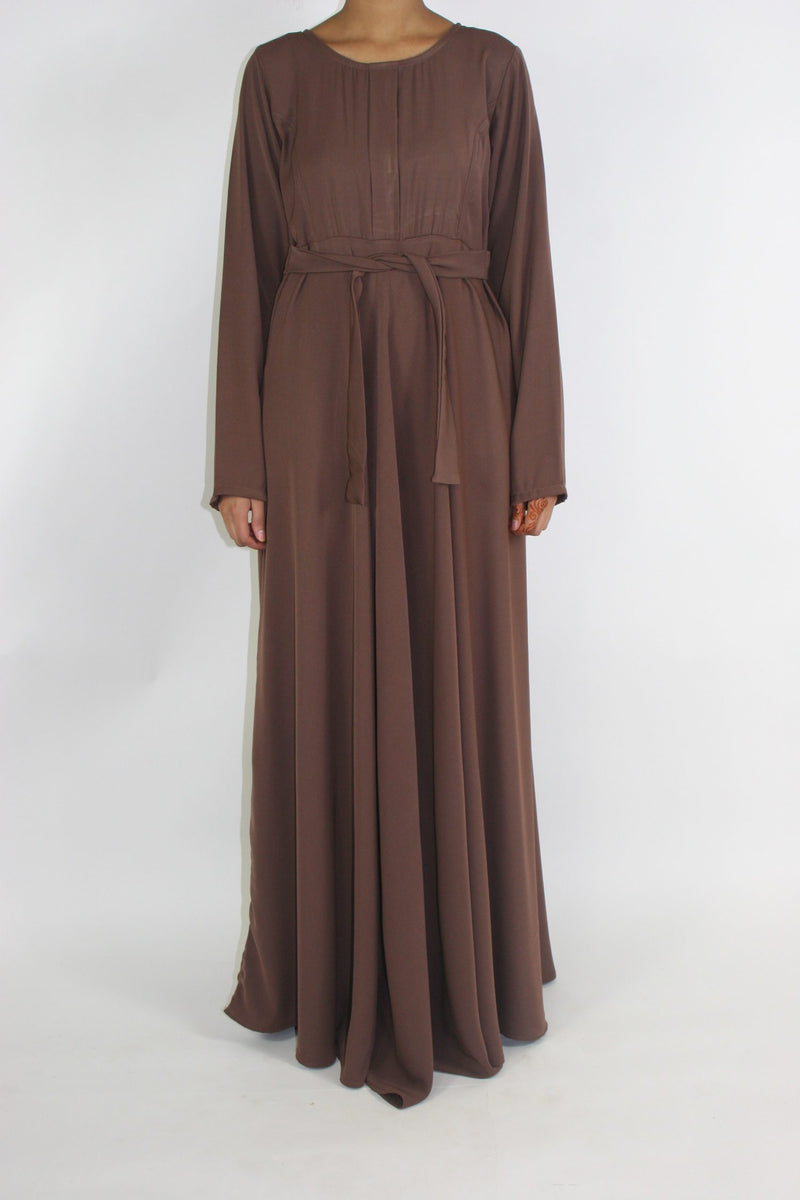
How Do You Choose a Modest Graduation Dress That Works Under a Gown While Still Feeling Special, Comfortable and Photo-Ready Afterwards?
Graduation is one of those days when an outfit has to do several jobs at once. You want to feel like yourself, look polished in photographs, stay comfortable through a long ceremony, and move confidently while wearing a gown that may add more fabric and warmth than you expected. Modesty adds another layer of thought, but it does not have to make the choice complicated. A good graduation dress is simply one that gives you the coverage you want without asking you to spend the whole day adjusting, pinning, pulling or worrying.
If you are deciding between different modest grad dresses, begin with the practical realities of your ceremony rather than with the prettiest product photograph. The most useful choice is the dress that still works when you put a graduation gown over it, sit for a long time, climb steps, walk across a stage and take photographs outdoors. Our complete modest fashion guide goes into the wider principles of coverage, fit and styling; here, the focus is narrower: how to choose a graduation dress that feels appropriate, celebratory and easy to wear from the first photograph to the last goodbye.
There is no single silhouette, colour or fabric that makes a dress modest enough for every woman. Your own coverage preferences, the dress code of your institution, the weather, the graduation gown and the shape of the day all matter. The aim is not to create another set of rules. It is to give you a calm way to make a decision, so you can enjoy the occasion rather than manage your clothes.
Start with the ceremony before you start with the dress
Before you browse, find out what the day will actually involve. Graduation ceremonies can include queues, security checks, robe collection, formal photographs, a long period of sitting, a walk across a stage and another stretch of standing afterwards. Some venues are cool and air-conditioned; others become surprisingly warm once hundreds of people are seated. You may also move between indoor halls, outdoor courtyards and restaurants. A dress that looks perfect for a ten-minute event can feel very different after several hours.
Check your university or college instructions for anything that affects clothing. The gown may need to sit flat at the shoulders, a hood may be placed around your neck, and some institutions use a cap while others do not. If there are rules about footwear, cultural dress, bags or what can be taken into the hall, knowing them early stops you building an outfit around something you cannot comfortably use.
Then picture the day in sequence. What time will you leave home? How long will you be in the gown? Will you walk from a car park or station? Are photographs planned before or after the ceremony? Is there a meal afterwards where you will remove the gown? These details tell you whether your dress needs to look especially complete without the robe, whether you need a layer for warmth, and how much walking the hem and shoes must tolerate.
This practical first step also protects you from buying for an imagined version of graduation. The dress does not need to be dramatic enough to compete with the gown. It needs to support the day beneath it. When the base outfit is comfortable and secure, you can add the celebratory details in ways that do not make movement harder.
Write down your own coverage non-negotiables
It is much easier to choose a dress when you know which details are genuinely non-negotiable for you. Instead of scrolling through hundreds of options and trying to judge each one from scratch, make a short personal list. You might want full-length sleeves, an ankle-length or floor-length hem, an opaque body, a neckline that does not need an extra camisole, and a cut that does not cling through the waist or hips. Someone else may be comfortable with a different combination. The useful point is to decide before the pressure of a sale, a trend or a flattering photograph changes your priorities.
Separate must have from nice to have. A specific colour can usually sit in the second category; secure coverage belongs in the first if it matters to you. This prevents a common shopping trap: falling in love with a dress because the colour or embellishment is beautiful, then discovering that it needs so many alterations and layers that it no longer feels simple.
Think about coverage in motion as well as when standing still. A high neckline may open when you bend. A wrap bodice may shift when you raise an arm. A skirt that looks generous in a front-facing image may pull across the hips when you sit. A sleeve may ride far above the wrist when you reach forward. None of these features automatically makes a dress unsuitable, but they are reasons to test the garment rather than relying on a static photograph.
Your list should make shopping calmer, not stricter for the sake of it. Once you know the few things you do not want to compromise on, you can be flexible about the details that are simply aesthetic. That is often where the best graduation outfit appears: firm on what keeps you comfortable, relaxed about what does not matter as much.
Choose a silhouette that behaves well under a graduation gown
A graduation gown changes the way a dress feels and falls. It adds volume through the shoulders and sides, can trap heat, and may cover most of the design while you are in the ceremony. For that reason, the easiest dress is often one with a clean silhouette underneath: enough room for modest coverage and movement, but not so much bulk around the shoulders, sleeves or upper back that the academic gown becomes uncomfortable.
A-line and softly flared shapes are popular for a reason. They can give room through the hips and legs without requiring a very full skirt. Straight or column-like dresses can also work when the cut is genuinely loose enough for sitting and walking. A gathered waist can be comfortable if it does not create a thick knot, bow or cluster of fabric exactly where the graduation gown closes or overlaps. Very structured shoulders, oversized sleeve heads and large back bows deserve an extra try-on with the robe if possible because those details can press, bunch or distort under another layer.
Do not assume that oversized automatically means easier. Too much fabric can become heavy, catch under the gown or make stairs awkward. Equally, choosing several sizes larger than your normal size can move armholes, shoulders and necklines into the wrong position. A better approach is to look for a dress intentionally cut with ease: a shoulder that sits where it should, sleeves that move freely, and enough width through the body that the fabric falls rather than grips.
If you can borrow your gown before the day, try the whole outfit together. If not, simulate the extra layer with a lightweight open coat or long cardigan. You are not checking the final appearance; you are checking whether the dress still feels comfortable at the shoulders, whether the sleeves drag against the outer layer and whether anything bulky becomes irritating.
Get the length right for stairs, photographs and the stage
For a graduation dress, long is not quite enough information. The useful question is where the hem finishes when you are wearing the exact shoes you plan to use. A floor-skimming length can look elegant, but a hem that disappears under your toes is a different matter when you are stepping onto a stage, turning for a photograph or walking through a crowded hall.
Put the shoes on and walk at normal speed. Then walk more quickly, because graduation days often involve catching up with family, following marshals and moving through queues. Try a few steps if you have stairs at home. Sit down and stand up without lifting the whole skirt with both hands. If you repeatedly tread on the hem, alteration is usually safer than hoping you will remember to manage it all day.
Pay attention to the back length as well. Some dresses have a dipped or trailing hem that looks beautiful in styled photographs but becomes less practical beneath a graduation gown. The gown itself may also be long, which means you are already managing one piece of fabric near your feet. Keeping the dress hem controlled reduces the chance of the two layers tangling.
If your preferred coverage is full length, a small amount of visible shoe does not spoil the look. In fact, a hem that clears the floor by a sensible margin often photographs more neatly because it hangs rather than crumples. If you are having the dress shortened, take the intended shoes to the fitting. A tailor can then judge the relationship between heel height, hem and movement instead of working from measurements alone.
Check sleeves for real arm movement
Full-length sleeves can still vary enormously in how practical they are. Graduation involves reaching for your gown, holding certificates or programmes, greeting people, adjusting a hood and often carrying a phone or small bag. A sleeve that is secure while your arms hang down may slide back once you start moving.
Raise both arms as if you are putting on an outer layer. Reach forward as if accepting something with both hands. Bend your elbows and hold a phone at face height. These simple movements reveal whether the cuff stays where you expect, whether the sleeve twists, and whether a tight upper arm pulls the bodice out of place. If the fabric has no stretch, you may need slightly more ease than you would in a casual dress.
Statement sleeves are not automatically impractical, but think about where their volume sits. A wide cuff below the wrist may be manageable; a very large balloon sleeve that bunches inside the graduation gown can become warm and uncomfortable. Long ties or trailing cuff details may also catch when you handle the robe. If a decorative sleeve is important to the outfit, make sure it can sit smoothly beneath the outer layer or be adjusted without constant attention.
For a neat finish, cuffs should feel secure without digging into the wrist. Buttons, elastic and zips can all work when they are comfortable. If you plan to wear bracelets or a watch, test them with the cuff too. Small conflicts between accessories and sleeves feel much bigger after several hours.
Treat the neckline as part of the graduation-gown system
The neckline matters not only for coverage but also because academic dress usually places fabric around the neck and shoulders. A hood, stole or gown fastening can sit over the top of your dress, so a neckline that already needs constant adjustment may become harder to manage once another layer is added.
Try looking down, turning your head and bending slightly forward. If the neckline gapes, consider whether the dress can be altered neatly rather than relying on an emergency pin. A high crew or softly raised neckline can be simple under a gown, but comfort still matters: something tight at the throat may feel irritating once a hood is added. A modest V or round neck can also work if it gives the coverage you want and stays flat in motion.
If you wear hijab, think about the neckline and scarf together rather than as separate decisions. The area around the neck may already contain scarf fabric, an undercap and pins or magnets. Adding a heavily embellished collar, a large bow and the academic hood can create unnecessary bulk. Often the cleanest dress neckline gives the scarf and gown room to sit properly.
When layering is necessary, use the lightest layer that solves the problem. A thin high-neck top can be useful under a dress with a slightly lower neckline, but only if the combination remains breathable and the underlayer does not create lines or bunching. The best solution is the one you can forget about once you are dressed.
Test opacity in more than one light
Opacity can be difficult to judge from an online image or a dim fitting room. Graduation photographs are often taken outdoors, near large windows or with flash, so fabric that seemed perfectly solid at home can appear more revealing in brighter conditions. Light colours, fine crepes, chiffons and some stretch fabrics deserve particular attention, but any fabric can behave differently when it is pulled across the body.
Stand in front of a window in daylight and check the dress from the front, side and back. If possible, ask someone you trust to take a photograph in normal light and another with flash. You are not looking for a perfect picture; you are checking whether the lining, seams or undergarments suddenly become obvious. Sit down too, because fabric can become more transparent when stretched over the knees or hips.
A lined dress is convenient, but lined does not always mean fully opaque. Linings can finish above the outer skirt or use a lightweight fabric that still lets light through. Check where the lining ends and whether that length matches your coverage preference. If you need a slip, choose one that moves independently without clinging to the dress and test it with your planned tights or other base layers.
Colour contrast matters. A dark underlayer beneath a pale dress can show through even when the fabric itself is not especially sheer. A closer-toned base often gives a cleaner result. The goal is not to build a complicated system of layers; it is to identify any transparency issue early enough to solve it calmly.
Choose fabric for hours of wear, not five minutes of photographs
Fabric determines a surprising amount of the day: how warm you feel, how easily the dress wrinkles, how it moves under the gown and whether you keep wanting to smooth or rearrange it. A fabric can look luxurious on a hanger and still be a poor match for a long ceremony if it is very heavy, stiff or prone to clinging.
For warm weather or crowded venues, lighter constructions can be easier than dense layers. That does not mean the thinnest fabric is always best; a little weight can help a skirt fall neatly and reduce static. In cooler conditions, a medium-weight fabric may let you avoid adding several bulky layers underneath. What matters is the whole outfit rather than the fibre name printed on the label.
Creasing is worth testing. Sit in the dress for twenty minutes at home, then stand in front of a mirror. Some creasing is normal and will not ruin photographs, but if the fabric collapses into deep wrinkles immediately, decide whether you are comfortable with that. Steam or press the dress according to its care instructions before the day, but do not rely on being able to repair it once you have left home.
Also notice how the dress behaves against your intended outer layers. Static can make skirts cling and sleeves twist. A slip or suitable base layer may help, but if the combination is uncomfortable in a short test, graduation day is unlikely to improve it.
Be careful with embellishment under the robe
Graduation is celebratory, so it is natural to want a dress with some detail. Embroidery, beadwork, pleats, covered buttons or a subtle sheen can make the outfit feel special even when most of it is hidden by the academic gown. The trick is to place interest where it does not fight with the robe.
Heavy beading at the shoulders can press beneath the gown. Raised embellishment around the neckline may catch on the hood. Large three-dimensional flowers at the waist or back can create lumps under the outer layer. None of these details automatically makes a dress wrong, but they deserve a full outfit test before you commit. If the dress is mainly for the celebration after the ceremony, you may decide the extra detail is worth it. If you want maximum ease during the formal part of the day, flatter decoration is usually simpler.
Consider how embellishment behaves when you sit. Beads on the back of a dress can become uncomfortable against a chair, and sequins near the cuffs may snag delicate scarf fabric. Check the reverse side of embroidery too; rough stitching can irritate skin or catch on a base layer.
A useful compromise is to let colour, drape and accessories carry some of the sense of occasion. A beautifully cut plain dress can look very polished with a considered hijab, shoes and bag. Once the gown comes off, the outfit still feels complete without needing every surface to be decorated.
Use layering only when it solves a specific problem
Layering can make a wider range of dresses workable, but every extra layer adds warmth and another set of seams that may show or shift. Before adding a top, slip, cardigan or jacket, name the exact problem you are solving. Is the skirt slightly transparent? Is the neckline lower than you prefer? Are the sleeves shorter than you want? Is the weather cold? If a layer does not have a clear job, it may simply make the outfit harder to wear.
For neckline or sleeve coverage, a thin fitted base can be useful when the dress itself remains loose enough over it. Check that the underlayer does not bunch at the armpits or pull the outer fabric. For opacity, a smooth slip usually creates less bulk than doubling up with another full dress. If you need warmth, remember that the graduation gown already acts as an outer layer during the ceremony; a removable coat for travelling may be more comfortable than thick clothing underneath.
Layer colours should be tested in daylight, especially with pale dresses. A base that is very different from the dress colour can create visible blocks through the fabric. Seam placement matters too. A high-neck top with a thick collar may be comfortable alone but crowded once you add scarf fabric and a graduation hood.
The ideal graduation outfit should not require a private engineering project every time you adjust the robe. Fewer, purposeful layers generally mean fewer things to monitor.
Plan for temperature without losing the shape of the outfit
Graduation weather can be deceptive because the ceremony and the photographs may happen in very different conditions. You might travel in cool morning air, sit in a warm hall, then spend an hour outside. A modest outfit already has good coverage, so temperature planning is often about fabric weight and removable outerwear rather than adding more permanent layers.
If the forecast is warm, look for a dress that feels comfortable before the gown goes on. If you are already overheating in the dress alone, the robe will not help. Keep the scarf or undercap lightweight if you wear one, and avoid unnecessary thick linings unless opacity requires them.
For cooler weather, think about the parts of the day when the gown is off. A smart coat can work for travel and outdoor photographs, while the dress remains comfortable beneath academic dress. If you add thermal layers, make sure they do not alter the fit or create visible lines. Tights can add warmth without much bulk, but test them with the dress fabric for static.
Make the final decision with the actual forecast closer to the day. You do not need a completely different dress for every temperature; you need a base outfit with enough flexibility to add or remove one sensible layer.
Choose colour with the gown and photographs in mind
There is no required graduation colour for the dress unless your institution says otherwise. The most successful choice is usually a colour you genuinely like and will feel comfortable seeing in photographs for years. Still, it helps to consider the robe because it may cover much of the dress during the ceremony.
If the graduation gown is black or another dark colour, almost any shade can work beneath it. A lighter or richer colour may show clearly at the neckline and hem, while a dark dress can create a seamless, understated effect. Neither is more correct. If your hood or stole has strong colours, you can choose to coordinate with them or simply let them stand alone.
Very pale shades deserve the opacity test described earlier, and very bright colours are worth viewing in natural light before deciding. Camera processing and indoor lighting can shift tones, so avoid choosing only because a colour looked perfect on a screen. If possible, take a quick phone photograph in daylight wearing the dress.
Prints can work beautifully too, especially once the gown comes off. Consider scale: a very busy print combined with a highly coloured hood, patterned scarf and statement accessories can make the overall look feel more complicated than you intended. If you love the print, simplify elsewhere. Graduation outfits often look strongest when one element is allowed to lead.
Make the shoes and hem one decision
Shoes should be chosen with the dress, not after it. The heel height changes the hem, the amount of walking changes what feels realistic, and the stage may include steps or a polished surface. A shoe that is comfortable for dinner can still be miserable after standing in registration queues and walking across campus.
Wear your intended pair around the house for a meaningful period rather than judging them after two minutes. Walk quickly, stop suddenly, turn and use stairs. Make sure the sole feels stable and the shoe stays on without gripping your toes. If you want a heel, choose the height you can walk in confidently. Graduation is not the best day to practise a new walking style in front of an audience.
Once the shoes are settled, reassess the hem. A dress that was safe with a heel may drag in flats, while a dress altered for flats can look shorter with a higher heel. If you plan to change shoes after the ceremony, make sure both pairs work with the length or accept that one will be for seated or indoor use only.
Think about the route to the venue too. Grass, cobbles, wet paths and long station platforms can all influence the best choice. A spare pair of simple flats in the car or with family can be useful, but only if carrying them does not create another burden. Confidence matters more than extra height.
Do a full movement test before removing the tags
A mirror tells you how a dress looks when you are standing still. Graduation requires much more. Before you commit, do a deliberate movement test at home while the garment is still returnable. This takes ten minutes and can reveal most of the problems that otherwise appear on the day.
Start by sitting in a normal chair for several minutes. Notice whether the skirt pulls tightly across the knees or hips, whether the waist rides up, whether buttons gap, and whether the neckline changes. Stand without tugging the dress back into place. Walk, take a long stride, climb a few steps, bend to pick up a small item and raise your arms as if someone is putting a gown over your shoulders.
Then test social movements. Turn your upper body as if talking to someone behind you. Hold your phone in front of you. Carry a small bag. Reach out as if receiving your certificate folder. If you wear hijab, put on the scarf style you are likely to use and repeat the arm and neck movements. The aim is to find out whether the whole outfit cooperates.
Finally, wear the dress for half an hour while doing something ordinary. Short try-ons can hide scratchy seams, tight cuffs or a waistband that becomes uncomfortable after sitting. If you keep touching the same area, ask why. A graduation outfit should not demand constant self-correction.
If you are buying online, read measurements like a fitter
Online shopping can give you more modest options, but it works best when you treat the size chart as useful information rather than as a suggestion. Do not choose only because you normally wear a particular number or letter size. Measure your bust, waist, hips and shoulder-to-floor length where relevant, then compare them with the garment measurements or body measurements the retailer actually provides.
Pay attention to wording. A body measurement chart tells you the person the size is designed to fit; a garment measurement chart tells you the dimensions of the dress itself. You need enough ease between your body and the garment for the loose fit and movement you want. If the page does not make clear which type of chart it uses, customer service may be able to confirm.
Read the fabric composition and care instructions as well as the size. A non-stretch woven dress and a stretchy jersey dress with the same measurements will behave differently. Look at close-up photographs for lining, seams, closures and sleeve cuffs. Reviews can help with recurring fit issues, but another shopper's idea of true to size may not match your preferred level of ease.
Order early enough to return or alter the dress without panic. Keep the tags on while you do the full movement, daylight and shoe tests. If the retailer allows returns, read the deadline before graduation season becomes busy. A slightly early decision gives you room to solve small fit issues rather than accepting them because there is no time left.
Use tailoring for small problems, not to rescue the wrong dress
A simple alteration can turn a nearly-right dress into a very good one. Hemming, shortening sleeves, closing a small neckline gap or adding a discreet fastening are often straightforward for an experienced tailor. More structural changes, such as rebuilding a bodice, adding significant width, changing armholes or redesigning a heavily embellished neckline, can cost more and alter the way the whole dress hangs.
Before buying with alterations in mind, ask whether the underlying dress already meets your main needs. If it fits well through the shoulders and body, has a suitable fabric and only needs length adjustment, that is a sensible candidate. If it is tight in several areas, too sheer, too low at the neck and too short at the sleeves, you are not making a small modification; you are trying to turn it into a different garment.
Take your graduation shoes and any important base layer to the fitting. Explain that you will wear an academic gown over the dress and that you need to sit, walk and raise your arms comfortably. If a seamstress pins the garment while you stand perfectly still, ask to sit and move before the final decision.
Leave time for a second fitting where possible. Alterations can affect another area: shortening a sleeve changes how the cuff sits; taking in the bodice can change the neckline; hemming a full skirt can alter its balance. The final try-on should be the same practical test you would give a new dress.
If you wear hijab, style it for the hood as well as the dress
If hijab is part of your outfit, graduation adds a practical question: how will the scarf, graduation hood and possibly a cap share the same space? The most comfortable answer is usually a style you already know how to wear, adjusted slightly for the academic layers rather than reinvented on the morning.
Try the scarf with the dress neckline first. Check that the front coverage sits where you want and that the fabric does not fight with high collars or embellishment. Then add something around the shoulders to mimic the gown or hood. Turn your head fully both ways and look down. If the scarf pulls, the hood shifts or pins press uncomfortably, simplify the arrangement.
If your institution uses a mortarboard or another cap, check its fit over your chosen scarf and undercap well before the ceremony. A very voluminous style at the crown can change the fit. Follow the institution's instructions for academic dress and use a scarf arrangement that lets the cap sit securely if you are expected to wear one.
Accessories should help rather than add anxiety. Use the fastening method you already trust and carry a small spare pin or magnet if that makes sense for your usual routine. Avoid adding so many new decorative pieces that you have to monitor them throughout the day. Your face and the achievement are what people will remember most clearly in the photographs.
Keep accessories intentional and easy to carry
Because the graduation gown is visually strong, accessories do not need to work very hard. A small bag, comfortable shoes and one or two considered pieces are often enough. The best accessories are those that still make sense when you remove the gown for later photographs or a meal.
Check whether bags are allowed in the ceremony hall and whether there are size restrictions. If you need to leave belongings with family, plan that handover before you enter the formal area. A tiny bag that cannot hold your essentials may be less useful than a slightly larger one you can actually manage. At minimum, think about your phone, identification if required, a card or payment method and any small item you genuinely need for comfort.
Jewellery should work with your neckline, scarf and academic hood. Long necklaces can disappear beneath the gown or tangle with it. Large earrings may press against scarf fabric. If you enjoy statement jewellery, choose the place where it can be seen and worn comfortably rather than adding several pieces that compete with each other.
For flowers or a bouquet, remember that you may also receive a certificate folder, programme or gift. You do not have to carry everything across the stage. Arrange for family or friends to hold celebratory extras until photographs. Looking composed is easier when your hands are free for the part of the ceremony that matters.
Frequently asked questions about choosing a modest graduation dress
What makes a graduation dress modest?
A modest graduation dress is one that gives you the level of coverage, looseness and opacity you want while remaining practical for the ceremony. Look at the neckline, sleeves, body fit and hem in motion rather than relying on a standing photograph. The best choice should let you sit, walk, climb steps and wear your graduation gown without repeated adjustments.
Should a graduation dress be floor length?
It can be, but it does not need to drag on the floor. If you prefer full-length coverage, aim for a hem that works with your exact shoes and clears your toes enough for safe walking. Test stairs and faster walking before the day. A slightly raised full-length hem is usually easier to manage beneath a long academic gown than a trailing one.
What fabric is best for a modest graduation dress?
There is no single best fabric. Choose according to weather, opacity, drape and how long you will wear it. A fabric with enough weight to fall neatly but not so much that it becomes hot or heavy under the gown is often comfortable. Test creasing, static and transparency at home, especially if the dress is pale or lightly lined.
Can I wear layers under my graduation dress for more coverage?
Yes, when the layer solves a specific coverage problem and remains comfortable. A thin high-neck top can help with a neckline or sleeves, while a smooth slip can help with opacity. Keep layers as light and simple as possible because the academic gown adds another layer. Always test the complete combination for heat, bunching and movement before graduation day.
How should I choose shoes for a long graduation dress?
Choose the shoes and hem together. Wear the intended shoes while checking the dress length, then walk, turn and use stairs. Pick a heel height you can already walk in confidently and consider the route to the venue, including outdoor paths. If you plan to change into flats later, make sure the longer hem will not become a trip risk.
How early should I buy my graduation dress?
Early enough to allow a calm try-on, return or alteration is better than buying at the last minute. Once the date is confirmed, work backwards from any retailer return window and a tailor's availability. You need time to test the dress with your shoes, layers and hijab if worn, check it in daylight and make small alterations without rushing.
Choose the dress that lets you enjoy the graduation
A modest graduation dress does not have to win on every possible feature. It has to work for your body, your coverage preferences and the real shape of your day. Start with what you need from the neckline, sleeves, fit, opacity and length. Add the graduation gown to the decision early. Test the dress sitting, walking, reaching and climbing steps. Then choose the colour, fabric and details that make the outfit feel special to you.
If you can put the full outfit on and stop thinking about it after a few minutes, that is a very good sign. Secure clothing creates space for everything else: hearing your name, crossing the stage, finding your family afterwards and taking the photographs you will keep. Graduation is the achievement. The dress should help you feel present for it.