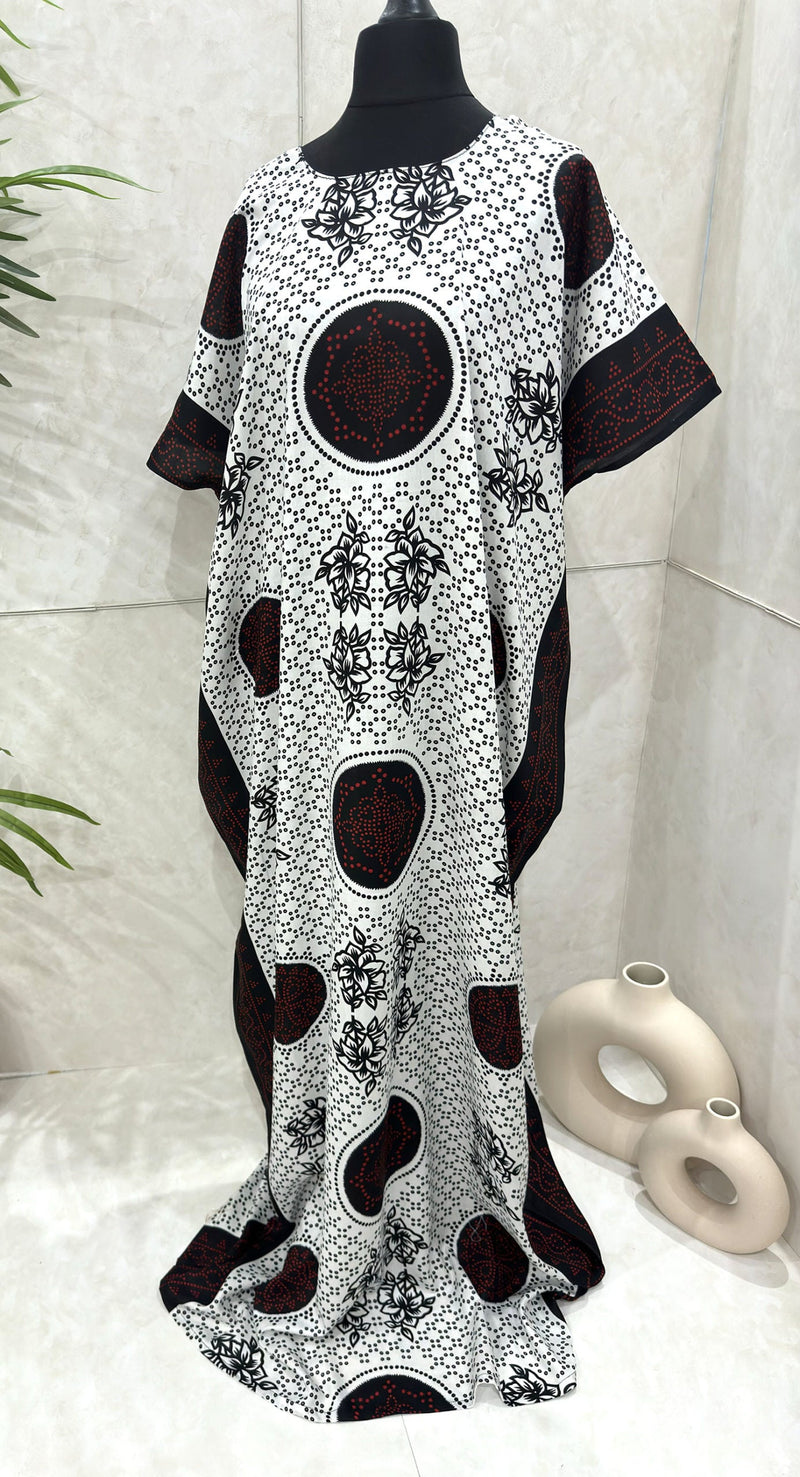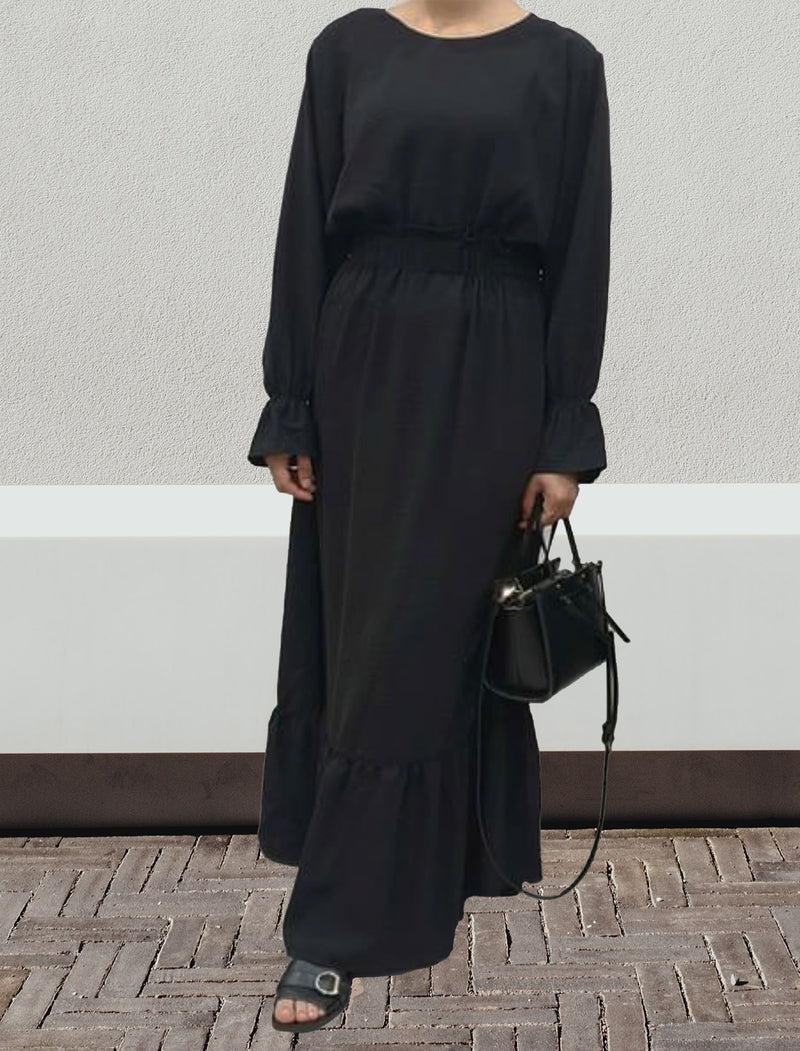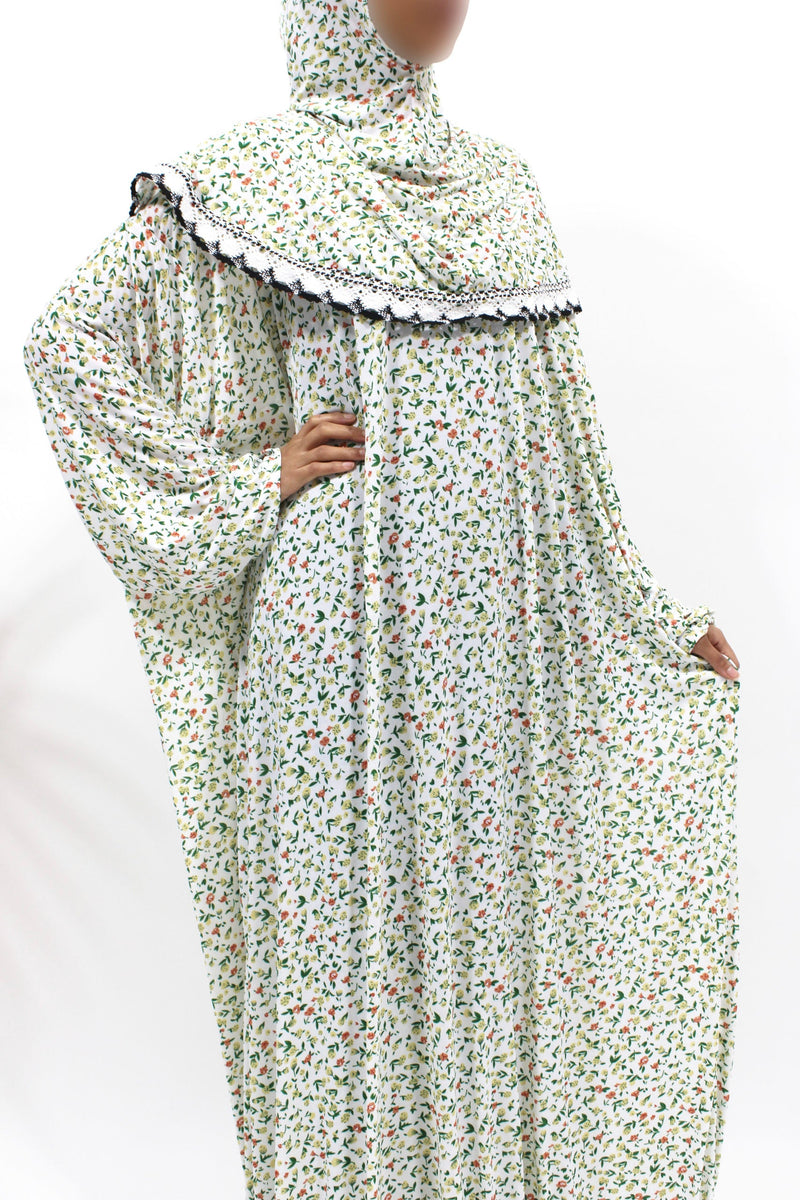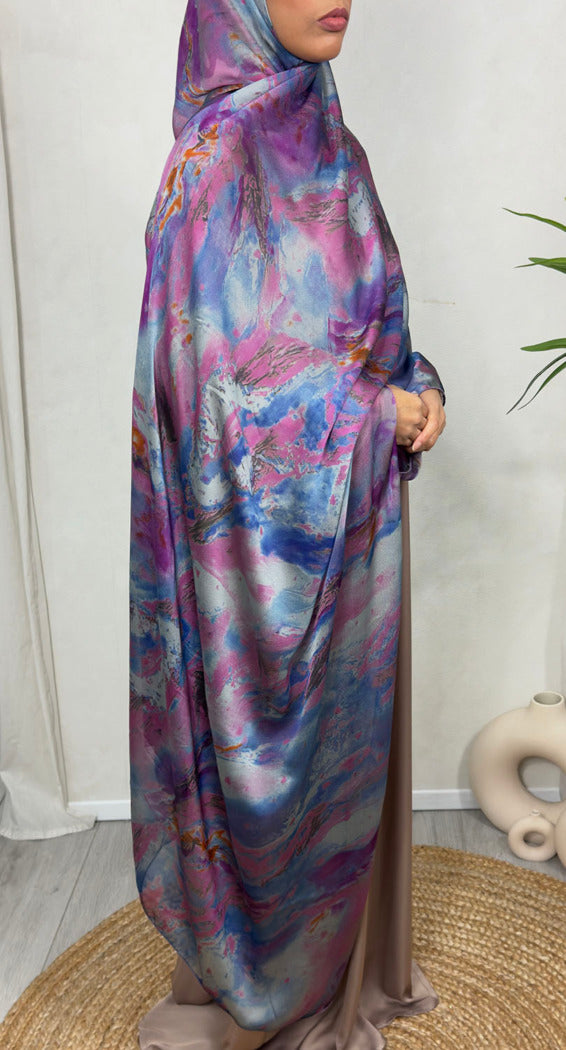
Spring outfits to wear with hijab
The first change you make to a spring wardrobe does not have to be a purchase. Try a lighter scarf with a familiar dress, wear a shirt beneath the jacket you already own or bring a skirt back into use with shoes that suit the day. A seasonal refresh can begin with different combinations rather than a complete replacement of your clothes.
Spring dressing is especially useful to approach in layers you can genuinely use. You may want one outfit for the journey and a lighter version once indoors. The clothes beneath the outer layer should still give you the coverage you prefer, so removing a coat does not leave you managing an outfit that was never meant to stand on its own.
Start with three outfits you can imagine wearing next week: one for an ordinary day, one for work or study, and one for a visit or gathering. Try them with the scarves and outer layers you own. A few useful combinations are worth more than a shopping list built around colours you rarely choose.
Start with what changes in your routine
Think about the activities you expect to do more often as your routine changes. You may be walking more, spending time outdoors, attending family gatherings or moving between rooms with different temperatures. Those details are more useful than a general instruction to dress for spring.
Look at the clothes you already wear for those activities. Identify the part that needs adjusting: the outer layer may be too substantial, the scarf may feel bulky beneath a collar or the footwear may no longer suit the route. Change that part first rather than replacing the whole outfit.
Keep a few reliable cooler-day options available. A wardrobe organised around a season should not depend on every day behaving the same way. Check the conditions for your plans and choose the appropriate version of the outfit, rather than assuming that a date on the calendar makes a light jacket sufficient.
Separate everyday needs from occasion dressing. A spring work outfit, a casual walk and a family celebration may share some pieces, but they do not have to be identical. Aim for useful connections between the clothes, not a rigid uniform.
Make the indoor outfit complete before adding a coat
Put on the main garments without the outer layer. Check sleeves, neckline, opacity and the way the top meets the skirt or trousers. If a jacket is providing coverage that you want throughout the day, decide whether you are comfortable keeping it on or whether another base outfit would be more practical.
A long shirt over trousers is one option. Check the side openings and the back hem while seated. Another is a dress with sleeves and suitable lining. A skirt with a blouse can also work, provided the top behaves as you want when you reach and move.
Try the scarf in this indoor version. A drape that relies on a coat collar to stay in place may need another arrangement once the coat is removed. Set the scarf so it works with the actual neckline beneath it.
Only then add the cardigan, blazer, jacket or coat. This sequence helps you see what the outer layer contributes rather than allowing it to conceal every unresolved detail in the rest of the outfit.
Choose spring layers by their job
A cardigan for an adjustable everyday outfit
A cardigan can be useful when you want a layer that is easy to remove, but check its length and sleeves over the clothes beneath. A substantial sleeve inside a narrow cardigan sleeve can feel crowded. A very long hem may also compete with a full skirt or dress.
Try it open and fastened. Notice whether the front pulls, whether the shoulder line sits comfortably and whether the scarf drape interferes with the buttons. If you intend to carry it later, check that it fits sensibly into your bag or can be managed without trailing.
A blazer for clearer structure
A blazer can bring a more defined outline to a dress or separates. Start with the shoulder and arm fit, not just the front view. Reach forward, sit down and see whether the underlying fabric remains comfortable.
Arrange the hijab beside the lapels or over them according to your preference. There is no requirement to display the jacket's collar. The guide to styling tailoring with hijab is useful when the neckline feels crowded or the jacket and scarf seem to be competing for the same space.
A denim jacket for a casual contrast
A denim jacket can change the feel of a simple dress without requiring another decorative accessory. Compare its length with the dress's waist and skirt shape. A shorter jacket may create a deliberate division, while a longer one gives another outline.
Do not assume that every denim jacket is light or flexible. Try the actual garment over the sleeves you plan to wear. If the combination restricts movement, choose another outer layer or a different base garment rather than forcing the fit.
A coat chosen for the conditions
A trench-style coat can be an appealing spring layer, but its shape does not prove that it is waterproof or suitable for every condition. Check the product information and the actual garment. Use an outer layer appropriate to your plans rather than relying on a style name.
Try the coat with the full skirt or trouser width beneath it. Walk and sit to see how the layers move together. Check the scarf around the collar and fastening, particularly if you expect to close the coat during the journey.
Refresh the palette without putting your dark clothes away
Pastels and floral prints are familiar spring ideas, but they are options rather than requirements. A navy dress, black skirt or charcoal trousers can remain useful. A different scarf, top or outer layer may be enough to make the combination feel new to you.
Try introducing one lighter colour at a time. A cream blouse beneath a familiar jacket or a muted green scarf with dark clothes creates a different balance without changing every piece. Compare the colours in the actual fabrics, because a label such as blush or mint can cover quite different shades.
For a brighter accent, choose a clear relationship. A mustard scarf with a navy outfit is one possible contrast; a pink jacket with neutral separates is another. Test the complete combination rather than assuming that colours described as seasonal will automatically work together.
You can also keep the colours similar and change the texture. A smooth scarf beside a textured jacket or a softly woven dress with a plain outer layer may provide enough variation. The outfit does not need a new pattern to feel considered.
Choose according to your preferences rather than a complexion rule. The useful question is whether you like the combination beside your face and within the whole outfit, not whether a chart assigns the colour to you.
Use a printed piece as the starting point
If you enjoy floral dresses, begin with the dress and choose one or two colours from it as possible scarf directions. Compare a plain scarf first so you can see the garment clearly. Then decide whether another print adds something you want.
Look at the scale of the print, not only its colours. A large motif can appear differently across a gathered skirt from across a straight panel. The same applies to a scarf once it is folded and wrapped. Try the pieces on rather than judging them only laid flat.
Geometric, striped and abstract patterns are equally valid options. A spring outfit does not have to be botanical. You may prefer one printed accessory with plain clothes or a bolder combination of patterns.
When mixing prints, simplify the other decisions during the trial. Keep the shoes and bag familiar and relatively quiet so you can assess the patterns themselves. If the outfit feels unresolved, change one printed element rather than adding more detail.
The principle is similar to the one explored in our guide to balancing a printed abaya: choose which design leads and let the surrounding pieces support it. The same question can help with a printed dress or skirt.
Five outfit combinations to build from your own clothes
A floral maxi dress with a simple outer layer
Choose a dress that already provides your preferred coverage, then add a cardigan or jacket that fits comfortably over its sleeves. Try a plain scarf using a colour from the print or a neutral you enjoy beside it.
Check the hem with the shoes you intend to wear. A long dress that works with one sole height may be less manageable with another. Walk and sit in the complete outfit, including the bag, before making it a regular combination.
Keep accessories modest in number while you assess the print. You may find that the dress already supplies the detail you want. There is no need to add a belt, necklace and patterned bag just because they each look attractive separately.
Wide trousers with a long shirt and a lighter jacket
Start with the trouser fit through the waist and seat. Add a shirt whose hem and side openings work for your coverage preferences. Then choose the jacket according to the setting and the outline you enjoy.
Try the outfit without the jacket as well. The shirt should still work while seated and reaching. If it does not, solve that before deciding the jacket makes the combination complete.
For the scarf, compare a soft contrast with a closer match. A simple arrangement around a shirt collar can be easier to manage than several folds beneath the jacket. Our tunic and trouser guide can help with the length relationships in this type of outfit.
A skirt, fine knit and removable layer
A fine knit can be useful with a skirt when its neckline, sleeves and length suit you. Check how the fabric sits over the waistband and whether it remains comfortable after sitting. A looser top does not have to be cinched to create an intentional outfit.
Add a suitable outer layer for the journey and test the scarf with both versions. If you prefer the knit untucked, make sure its hem falls where you want rather than catching on the skirt's fuller section.
Choose footwear for the activity rather than a fixed rule about skirts. The practical relationship between hem, shoes and walking matters more than whether the combination looks like a standard spring formula.
A plain dress with a coloured scarf
Use a dress you already know and change the scarf colour before buying another main garment. A lighter neutral can soften the contrast; a richer shade can make the scarf the main feature. Try each in the wrap you actually wear.
Check the neckline and shoulder area if the new scarf has different dimensions or weight. A colour change may also be a fabric change, and the arrangement may need adjusting accordingly.
This is a useful option when you want variety without a large wardrobe. Keep a note of the combinations that work so the new idea remains easy to repeat rather than becoming a one-off experiment.
A jumpsuit with carefully planned layers
A jumpsuit can be part of a modest outfit when the actual cut and coverage suit your preferences. Check the neckline, sleeves, rise and ease while seated. A single garment still needs a complete movement test.
If you add a long vest or cardigan, make sure the outfit beneath remains satisfactory when the outer layer moves. Consider practical dressing and access needs during the day, especially if several layers complicate removing or fastening the garment.
A cropped knit over a jumpsuit or dress is another possible styling layer, but it should not be responsible for coverage it cannot provide. Assess the complete base first and use the cropped piece for the shape or texture you enjoy.
Adapt the scarf to the outfit and activity
A familiar wrap can be more useful than a seasonal list of must-try styles. Start with an arrangement that gives you comfortable coverage, then alter the drape where the neckline or outer layer requires it.
A side-swept drape can work with a simple top, but try it with the bag strap and coat. A tucked arrangement may be convenient beside tailoring, provided it does not create pressure or crowd the neck. A broader chest drape may be your preferred option with another garment.
Decorative twists or braid-like folds can be explored after the foundation works. Keep their weight and fastening position comfortable. Do not assume that a complicated arrangement is more suitable for spring or more flattering than a simple one.
Some head-wrap or wrapped-tail styles leave areas of the hair, neck or chest uncovered. Check what the technique actually does rather than relying on its name. Use only an arrangement that fits your intended coverage, with any separate layers assessed as part of the complete outfit.
Our hijab fabric and styling guide can help when a scarf behaves differently from the one used in a tutorial. Its size, finish and weight may require a different fold rather than a tighter wrap.
Let accessories earn their place
Try the main clothes and scarf before adding accessories. Then ask what each detail contributes. A bag may introduce texture, a belt may change the silhouette and jewellery may provide a small decorative point. You do not need all three.
If you use a belt, check the result while seated and walking. It can gather fabric and alter the hem, particularly on a loose dress or coat. Keep the fit and coverage you want rather than adding a waist definition you do not actually enjoy.
Check sunglasses with the scarf arrangement if you plan to wear them. The arms should not be pressed into an uncomfortable position by the fabric, and the scarf should not interfere with their normal fit. Do not alter the frames to accommodate one wrap.
Choose a bag for what it needs to carry and how it sits against the clothes. A textured or embroidered bag can be a useful accent, but it should still be practical. A delicate surface that catches the scarf or a strap that pulls the outfit out of place may need another pairing.
Jewellery, cosmetics and decorative headpieces are personal choices. An outfit can be complete without them. Avoid turning a seasonal refresh into a requirement for a longer list of things to wear.
Try a wardrobe refresh before a shopping refresh
Check clothes coming back into use before planning around them. Look at buttons, pocket seams, hems and lining, and make sure any removable belt or matching component is still with the garment. A small repair is easier to arrange before the day you intend to wear the outfit.
Set aside three main garments you already like, then build a complete outfit around each. Include shoes, scarf and the appropriate outer layer. Once those versions work, exchange one piece at a time to find additional combinations.
Use the exercise to identify actual gaps. You may need a shirt with better side coverage, a jacket with more sleeve room or a scarf in a colour that works with several existing pieces. Those are more useful shopping briefs than a general desire for something spring-like.
Second-hand or borrowed pieces can also be options, but assess their condition and fit just as carefully. Check seams, fastenings, lining and care information. A low purchase price is less useful if the garment needs changes you cannot realistically make.
For a possible alteration, ask what is achievable before assuming a hem, sleeve or fastening can be changed easily. The garment's construction may limit the options. Include that practical assessment in the decision to keep or buy the piece.
Be cautious with broad environmental claims. A pale colour, natural-looking texture or description such as timeless does not establish how something was made. Keep those questions separate from the outfit's appearance and seek meaningful evidence where it matters to your purchase.
Prepare for a change of plan
Choose an outfit whose main version works independently, then consider the most likely change. If you move from outdoors to a warmer room, know which layer you can remove. If the day involves more walking than expected, make sure the shoes and hem are already practical.
Have somewhere sensible to put a removable layer. A cardigan or scarf draped loosely over a bag can become awkward to carry. Try folding it into the bag you plan to use or choose a layer you can manage comfortably.
Do not ask one outfit to solve every possible condition. Sometimes the appropriate response is to change the clothes or the plan. A seasonal wardrobe is useful when it offers choices, not when it depends on one supposedly versatile combination doing everything.
Four common spring-outfit problems, worked through
The dress works indoors, but every jacket seems wrong
Start by identifying whether the problem is practical or visual. If the sleeves feel trapped, compare the jacket's arm room with the dress's sleeve shape. If movement is comfortable but the outline feels awkward, compare jacket lengths while keeping the scarf and shoes unchanged. A shorter layer may create the division you want, or a longer one may sit more comfortably over the skirt. Changing the jacket colour will not necessarily resolve a sleeve-fit problem.
Also check whether the jacket is expected to fasten. An outer layer that works worn open may pull when closed over a full dress. Decide how you need to use it before judging the fit, and choose another layer when the intended version does not work.
The lighter scarf makes the outfit feel unfinished
Look at the relationship between the scarf, top and outer layer rather than assuming you need jewellery. The new scarf may be much smaller, have a different edge or create less shoulder coverage than the one you normally wear. Try another fold or a clearer colour contrast. You may simply prefer the familiar scarf's proportions, which is useful information for a future choice.
Compare the outfit from a distance as well as close up. A subtle combination can look complete across the whole silhouette even when the neckline alone seems quiet. Leave the outfit simple for one trial before adding several accessories.
You want variety, but most of your clothes are dark
Choose one existing dark outfit and try three small changes separately: a lighter scarf, a different top beneath the outer layer, or shoes in another colour you already own. Notice which change makes the most useful difference. You may discover that only one new piece is needed, or that the wardrobe already contains the alternative you were looking for.
Keep the dark pieces that fit and function well. A seasonal refresh does not require replacing reliable clothes with pale versions. Use the exercise to broaden the combinations, not to make a good wardrobe feel obsolete.
The outfit needs too many adjustments during the day
Write down the adjustment you keep making. If you repeatedly pull a shirt hem down, examine its length and the way the bag strap affects it. If the scarf catches at the collar, change that meeting point. If the trousers trail, address the hem and footwear. Solve the recurring mechanical problem before trying another decorative variation of the same outfit.
Spring dressing questions
Can I keep wearing black and navy?
Of course. Change the surrounding pieces if you enjoy a lighter or brighter contrast, or keep the palette restrained. The colour does not determine whether an outfit belongs in a season. The actual garment and the day's needs matter.
Do floral prints have to be paired with plain hijabs?
No, but a plain scarf is a useful first comparison because it lets you see the dress or skirt clearly. Try another print afterwards and assess the visible scale and colours. Choose the combination deliberately rather than adding pattern automatically.
Is a trench coat enough for a spring day?
That depends on the individual coat and the conditions. Check its construction and any stated weather protection rather than relying on the style name. Choose outerwear for the actual plans and forecast, not a general seasonal image.
How can I refresh an outfit on a limited budget?
Try different combinations first. A scarf you already own may work with a dress you have always paired another way. Solve a specific missing layer or fit issue before buying decorative extras. The most useful change is the one that makes existing clothes easier to wear.
Do I need a different hijab style for spring?
No. You can keep a comfortable familiar wrap and vary the colour, fabric or drape as needed. A new technique is an option to enjoy, not a seasonal obligation.
A useful spring wardrobe gives you a few tested ways to adjust your clothes to the day while still feeling like yourself. Keep the pieces that work, make small changes with a clear purpose and let colour or texture provide variety where you want it. A refresh is successful when getting dressed becomes easier, not when the shopping list becomes longer.