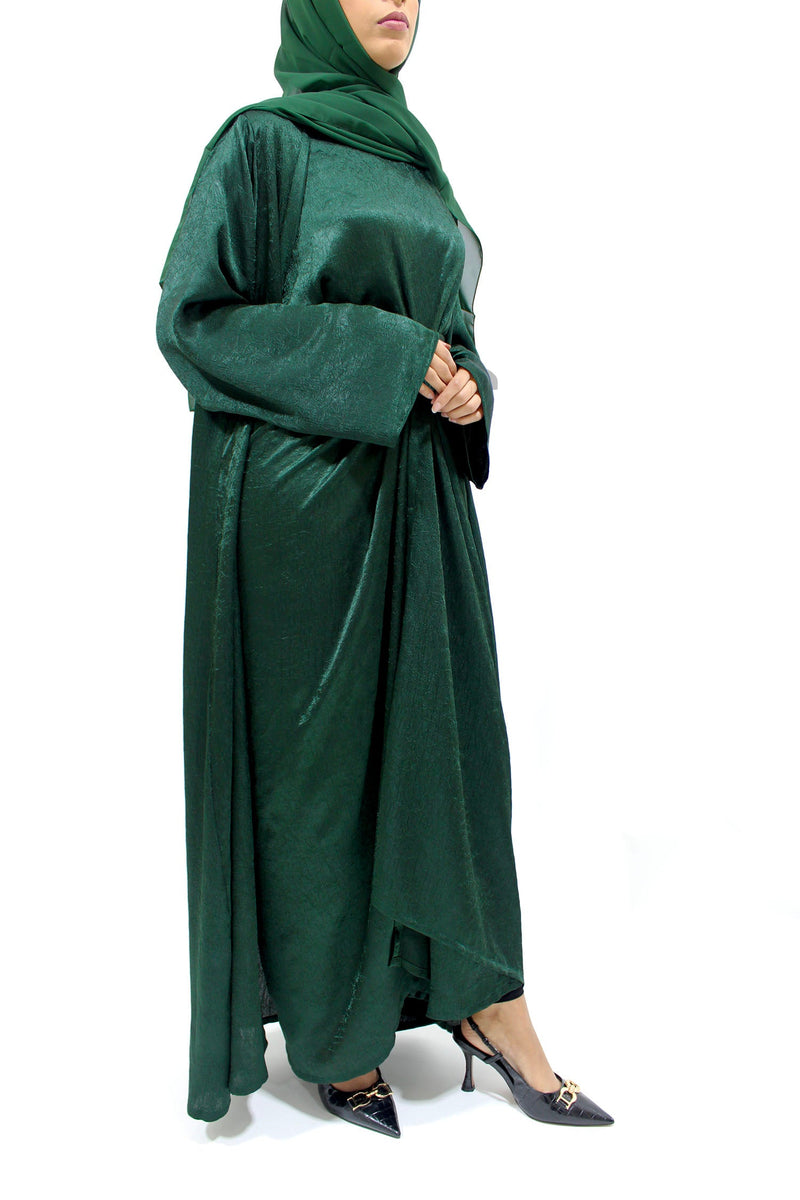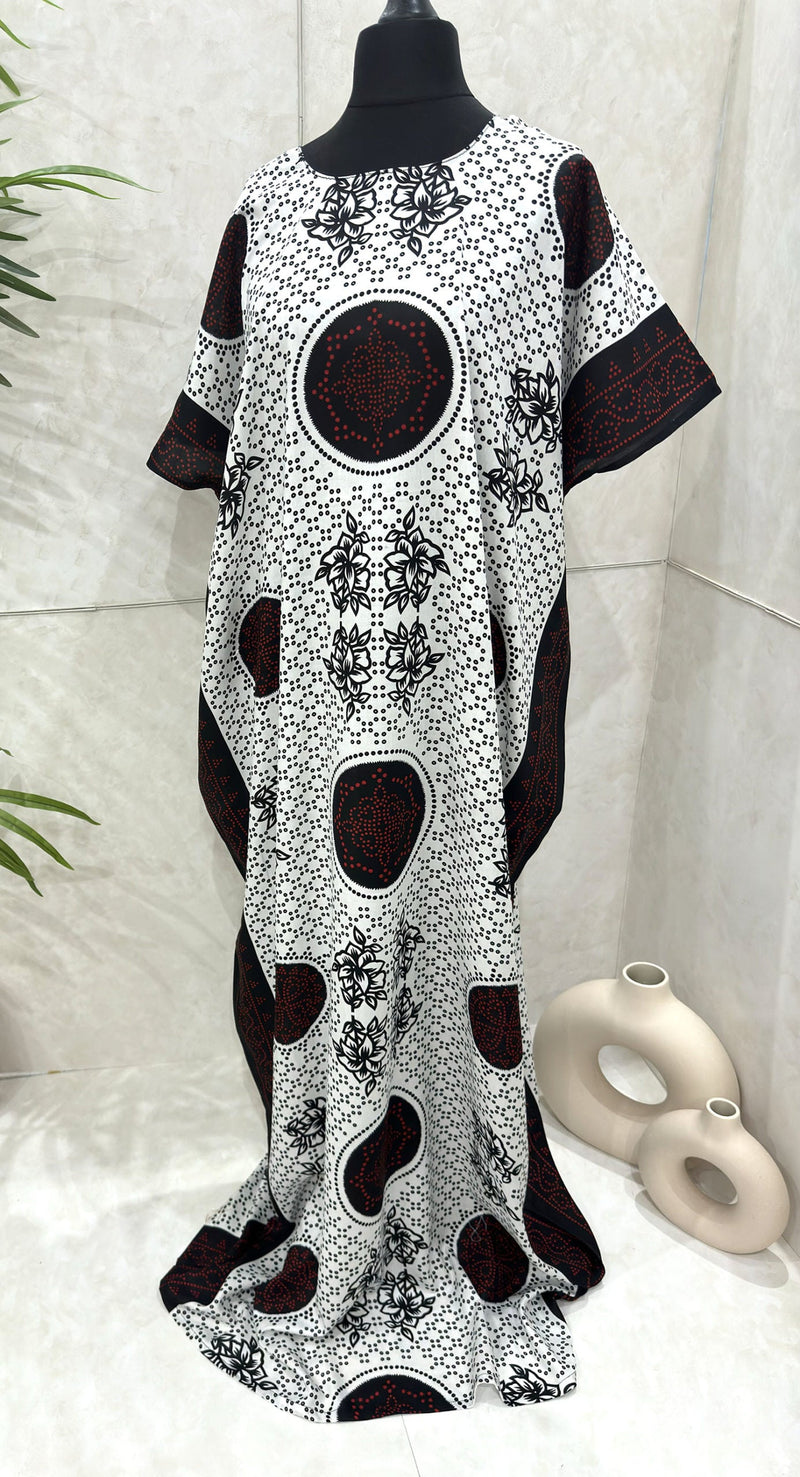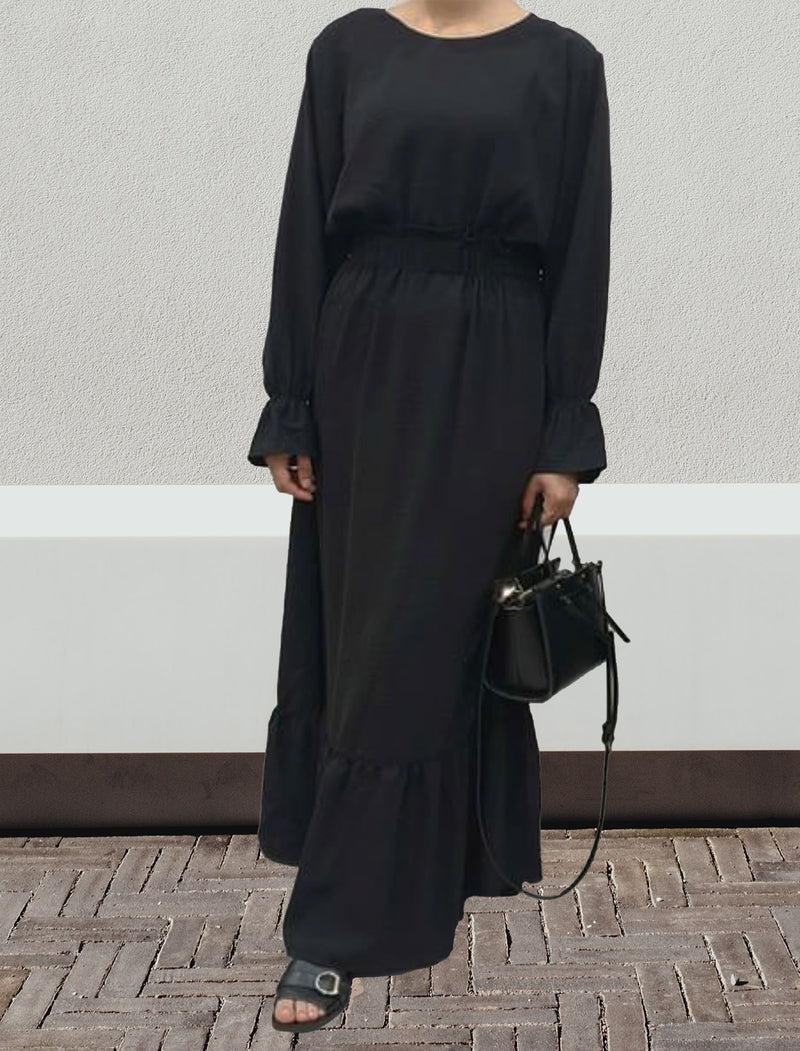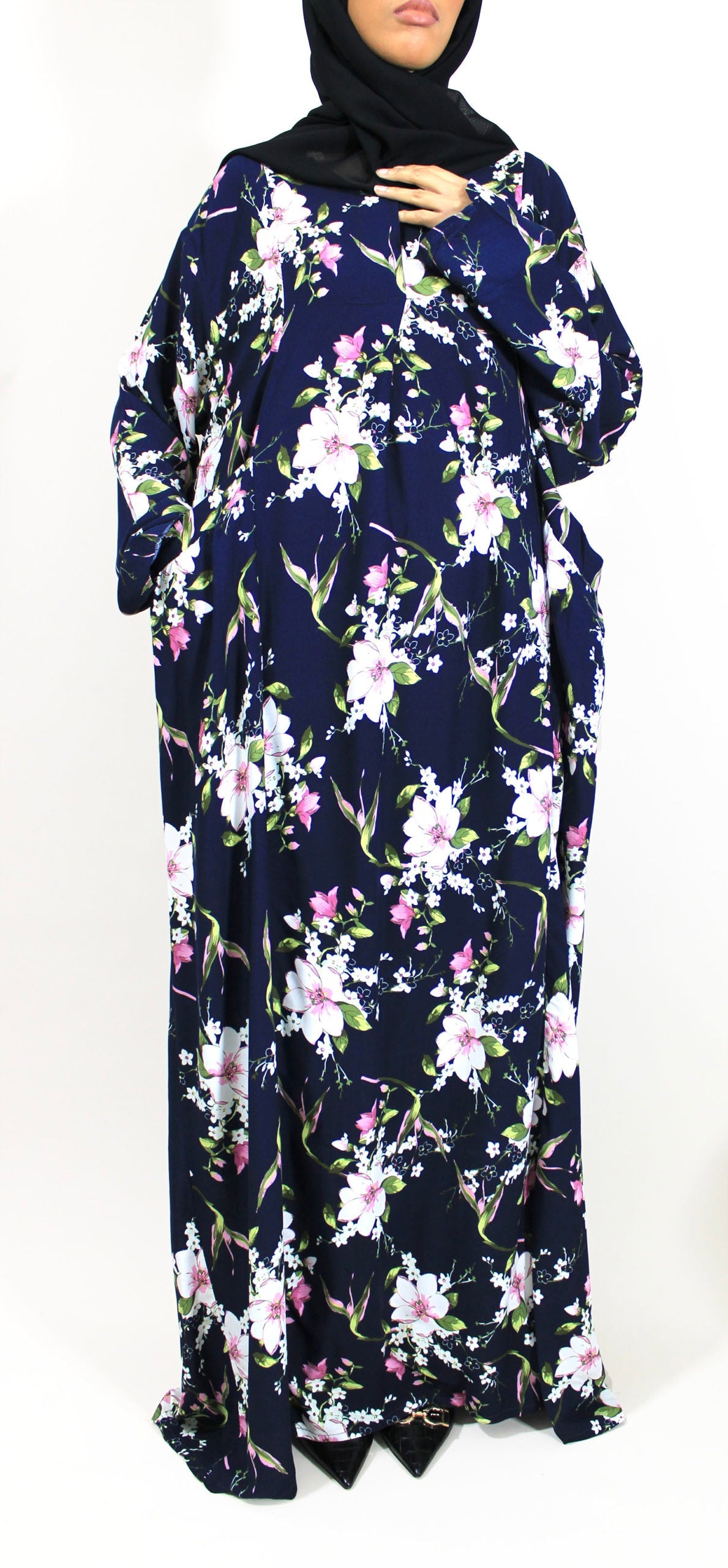
Simple summer outfits to wear with hijab
A summer outfit can look light and still feel like too much clothing once you put it on. A sheer blouse needs another top beneath it, a sleeveless dress needs an extra layer over the arms, and a large scarf adds several folds around the neck. The problem is not always the main garment. It can be the number of additional pieces needed to make the outfit work.
For casual hijab dressing in warmer weather, begin with the complete outfit rather than a list of fabrics said to be perfect for summer. Look for clothes that provide the coverage you prefer with a manageable amount of layering. Then check the fit, weight, opacity and scarf arrangement in the form you will actually wear.
These ideas are for everyday outfit planning, not a promise that particular clothes will keep you safe in extreme heat. Comfort depends on the garment, the activity and the conditions. Choose your plans as carefully as your clothes when the weather is unusually hot.
Count the layers the outfit really needs
Lay out the main garment and every supporting piece. Include the vest or base top, sleeve layer, slip or trousers, undercap, hijab and any outerwear. This gives you a more honest picture than judging a dress or blouse on its own.
Ask what each layer is doing. One may provide opacity, another may cover a neckline, and another may be there only because the outfit felt unfinished. You can remove a decorative layer when you do not need it, but do not simply remove a necessary coverage layer and hope the main garment will behave differently.
Instead, consider whether a different main garment would solve several needs at once. A dress with suitable sleeves and an opaque body may be easier to use than a sheer sleeveless dress that needs multiple additions. The better option depends on the actual construction, not the category name.
Try the outfit indoors without its travel layer, too. If you intend to remove a jacket on arrival, the clothes beneath should still work for you. A summer plan that relies on keeping an unnecessary jacket on all day may be worth reconsidering before you leave.
Compare fabrics by looking, handling and wearing
Cotton and linen are common starting points for warm-weather wardrobes, but two garments with the same fibre description can feel very different. Weight, construction, lining and fit all contribute. A substantial cotton knit is not interchangeable with a light woven cotton shirt simply because both contain cotton.
Read the composition label rather than relying on a short product title. A garment may be a blend, and the lining may use a different material from the outer fabric. Ask for the missing information when it matters to your decision.
Chiffon is often chosen for a light-looking scarf or outer layer, but its appearance does not establish the fibre content or guarantee comfort. Check how many layers you need for your preferred coverage and whether the scarf requires a support arrangement that changes the overall feel.
Jersey describes a knitted fabric structure, not a single fibre. A jersey hijab can vary in weight, stretch and finish. Try the individual scarf rather than assuming every jersey option will behave like one you already own.
Modal is a manufactured regenerated-cellulose fibre, not simply an unprocessed natural fabric. That distinction does not tell you whether a particular scarf will suit you. Check the finished item, including its dimensions, density and care requirements, rather than treating a material label as a complete comfort guarantee.
Our guide to hijab fabrics and their practical differences is a useful companion when comparing scarves. The important result is how the actual item works in your preferred wrap, not how persuasive its description sounds.
Make opacity a separate check from weight
A lighter garment is not automatically the better choice if it needs several additional layers. Check it with the underclothes and supporting pieces you would normally wear. Look at the front, sides and back in more than one available light.
Notice areas where the fabric stretches or comes closer to the body. A loose sleeve or skirt panel can look different from the upper arm, seat or chest. Do not assess opacity only by holding a folded section in your hand.
Check the lining rather than assuming its presence settles the issue. It may cover only part of the garment, stop above the hem or fit more closely than the outer layer. Try sitting and reaching to see whether the lining moves comfortably with the rest of the piece.
If you prefer a layered outfit for its appearance, choose it deliberately. A light outer layer over a suitable base can be attractive and practical for some days. The point is to understand the whole arrangement before calling it a simple summer outfit.
Choose ease without buying a garment that is simply too large
A relaxed fit can give you room to move, but size and shape are not the same thing. A garment several sizes larger may have shoulders, sleeves or a neckline that no longer sit where you want. Look for the cut that provides ease in the relevant places.
Check the upper arms and back when reaching forward. A blouse can appear loose through the body while restricting the sleeves. A dress can have a full skirt but a close-fitting lining. The useful test is movement, not the amount of fabric visible at the hem.
Consider sleeve ends in relation to your day. Very wide cuffs may be less convenient around food, desk work or public transport. You can choose room through the sleeve with a more manageable opening, or another design that suits the activity.
For trousers and skirts, sit down during the trial. Check the waistband, rise and lining. A relaxed-looking outfit should not require you to stand all day to remain comfortable.
Use the complete modest fashion guide for a broader view of coverage and fit. There is no need to trade the looseness you prefer for a particular summer silhouette, but the clothes still need to be manageable.
Four casual outfit ideas with fewer unnecessary layers
A suitable long-sleeved dress and a simple scarf
Choose a dress whose neckline, sleeves and body already provide the coverage you want. Check whether it needs a slip or another underlayer and include that in the trial. A simple scarf arrangement can keep the outfit easy to repeat without requiring elaborate folding.
Try the dress with the footwear you expect to use for the day. A long hem needs to be practical for walking, steps and the surfaces on your route. If you keep changing between shoes with different sole heights, decide which ones the dress actually works with.
Carry an outer layer only when it serves a real need, such as a cooler indoor space or a change in conditions. Choose one that fits over the dress sleeves without crowding them. The outfit should still work when that layer is folded away or carried.
A long shirt with comfortable trousers
A longer shirt can be useful over straight or wide trousers, provided its side openings and front buttons behave as you want. Check the shirt while seated and with your arms forward. A curved hem may leave less coverage at the sides than the front view suggests.
Choose the trouser fit and fabric with equal care. A light shirt does not make an uncomfortable waistband or a heavy trouser lining disappear. Try the full combination for a while before deciding it is your warm-weather default.
Keep the scarf clear of any bulky collar arrangement. You can lay a drape over the shirt front or choose a more compact fold, depending on your preferences. The collar does not have to remain visible if covering it gives a more comfortable result.
A maxi skirt with a top that stands on its own
Start with the skirt and a top that provides the sleeves, neckline and length you prefer without depending on an additional jacket. Decide whether you like the top untucked, tucked or arranged with another suitable layer. A full tuck is a styling choice, not a requirement.
Check the skirt's lining and waist while sitting. A generous outer skirt may still have a narrow lining, and a lightweight fabric may need a different underlayer from the one you first expected. Resolve those details before choosing accessories.
A printed skirt can provide the main visual interest, leaving the scarf and top plain. Alternatively, keep the clothes simple and use a scarf colour you enjoy. You do not need to combine every summer print in one outfit.
A casual tunic outfit
A tunic with suitable sleeves and a manageable hem can work with trousers you already find comfortable. Check the side slits carefully. Their position matters when you sit, reach or carry a bag that draws the fabric closer to the body.
Compare the tunic with more than one trouser shape. A straighter leg may make the outfit feel simpler; a wider one may be exactly the silhouette you prefer. Choose through a complete try-on rather than a rule that a loose top must always have a narrow lower half.
Our tunic styling guide explores those length and coverage questions in more detail. Use it to identify the relevant checks, not to copy a single formula for every day.
Adapt shorter skirts, sleeveless dresses and oversized T-shirts thoughtfully
A midi skirt may be convenient for some activities, but assess the length against your own coverage preferences. Shoes, socks, tights or trousers can change the outfit, yet they also add pieces. Try the complete arrangement and decide whether it is genuinely the easiest option for that day.
A sleeveless dress can be layered over a suitable top, but check the armholes and neckline together. A close armhole may pull the layer beneath, while a loose one may reveal more than you intended. If the combination feels awkward, a dress with sleeves may answer the need more simply.
An oversized T-shirt can form part of an outfit when its actual length, sleeves and opacity work for you. “Oversized” does not guarantee coverage at the sides or during movement. Check it with the trousers and any base layer rather than assuming the label settles those questions.
There is no prize for using the fewest pieces if the result does not meet your needs. The goal is a considered amount of layering, with each piece doing something useful.
Keep the hijab arrangement comfortable and familiar
Compare scarves in the arrangement you actually wear. Spread one flat, note its dimensions, then wrap it normally. Look at how many folds gather around the neck and shoulders and whether all the extra length is useful.
A smaller or differently proportioned scarf may sometimes give you the coverage you want with less redundant fabric. That does not mean simply reducing the size until coverage becomes difficult. It means choosing dimensions that suit the arrangement rather than managing excess length out of habit.
Check any undercap separately. If it is tight, thick or slipping, the scarf above may not be the main problem. Try a support option that fits comfortably and gives you the function you need. Do not add layers automatically in the hope that more fabric will make the wrap more secure.
Use a familiar style for a long or busy day. A complicated new arrangement may need more adjustment, especially when you add glasses, a bag strap or outerwear. Test those combinations at home so you are not solving them while out.
Keep scarf ends and accessories manageable for the activities you plan. A long loose end may be attractive while standing still but inconvenient around a meal, a pushchair or a busy route. Adjust the drape in a way that preserves your preferred coverage.
Use summer colour without making it another set of rules
Bright colours can be enjoyable, but you do not need coral, yellow or turquoise to make an outfit seasonally appropriate. A restrained palette can be just as personal. Begin with the colours you like wearing and assess the garments' practical qualities separately.
For a brighter look, choose one main colour and let the others support it. A coloured scarf with simple clothes is one option. A printed dress with a plain scarf is another. This gives you a clear starting point without requiring every accessory to match exactly.
When mixing prints, compare their scale in the finished outfit. A scarf pattern looks different folded around the face from when it is laid flat. Try a quieter alternative as well so you can decide whether the busier combination is intentional or merely unresolved.
Do not confuse a light colour with an opacity guarantee. A pale garment still needs its own coverage check, and a darker one still needs assessment for the conditions in which you plan to wear it. Colour is one element of the outfit, not a substitute for handling the fabric.
Choose footwear for the route, then check the hems again
Trainers, flats, sandals and other casual shoes can each work with different outfits. The useful question is whether the particular pair suits your day and feels comfortable to you. A shoe category alone does not guarantee support or suitability.
Try shoes with the socks or other layers you intend to wear. Walk for more than a few steps and check the interaction with long trousers or a skirt. A hem that catches under a sole needs attention before the outfit becomes a regular choice.
Think about the surface and the amount of walking. A casual visit by car and a day moving around on foot may call for different choices. Do not preserve an outfit photograph at the expense of footwear that works for the activity.
Keep bags practical, too. A heavy shoulder bag can change how a loose top sits and may pull at a scarf drape. Carry only what you need where possible and test the strap position with the complete outfit.
Carry any spare layer in a way that does not leave it trailing from your bag or competing with the scarf at your shoulders. Try folding it into the bag you plan to use before leaving; an outfit is easier to manage when its removable pieces have somewhere practical to go.
Build a small warm-weather rotation
Choose two or three outfits that already work, then see which pieces can be exchanged. A scarf may serve more than one dress, or a longer shirt may work with two trouser pairs. Test each combination rather than assuming that similar colours guarantee a good fit together.
Make a note of the underlayers each outfit needs. This avoids the common problem of having the main garment ready while the piece that makes it wearable is not. Keep the practical dependencies visible when planning laundry or packing.
Check care instructions before selecting a garment for frequent wear. If a fabric or trim needs a routine that does not fit your life, it may be better as an occasional piece. A useful summer wardrobe is not just comfortable to put on; it is realistic to maintain.
When shopping, identify the missing function. You might need a shirt with better side coverage or a scarf that works beneath a particular jacket. A specific brief helps you avoid buying another attractive piece that creates the same layering problem.
Buying summer pieces online without relying on the photograph
Begin with the description of what is included. An outfit photograph may show a slip, sleeves or a separate inner dress that is not supplied with the main garment. Confirm the components before deciding that the picture represents a simple one-piece outfit. This is particularly important with sheer outer layers and coordinated sets.
Look for views that show the back, side openings and sleeve ends. A front-facing photograph with the model's arms held close to the body can conceal the shape of an armhole or the height of a slit. Ask for clarification when a detail affects the coverage you want. It is more useful to settle that question before ordering than to hope an extra layer will solve it later.
Compare the stated measurements with a garment you already use comfortably. Keep the measurement methods consistent: a finished garment width is not the same as a body measurement. If the website supplies only a general size chart, ask which measurements relate to the particular design. A relaxed description does not tell you how much room is present through the upper arm or hip.
Check the lining information alongside the main composition. A lightweight outer fabric may be paired with a more substantial lining, while another garment may be unlined. Neither arrangement is automatically wrong, but they lead to different outfit decisions. Ask whether the sleeves are lined as well as the body where that distinction matters.
For a scarf, look for dimensions rather than relying on how much fabric appears in a styled photograph. A long end may have been folded away, or a broad scarf may have been used in several layers. Compare those measurements with a scarf whose handling you know. This makes the choice more concrete than selecting solely by a summer-themed name.
Read the care instructions before committing to a garment intended for frequent use. If they are missing, ask for them. A decorative trim can change what is appropriate even when the main fabric seems familiar. Consider how the piece will fit into your normal washing and drying arrangements rather than assuming that every casual garment will be straightforward to maintain.
When the order arrives, try the complete outfit with the intended underlayers and shoes before removing tags or altering anything. Check the seller's stated process for reporting a problem and keep the original product information available. This is a practical way to compare what arrived with what was described, not a substitute for checking any terms relevant to the purchase.
Finally, resist buying several nearly identical options because their descriptions all promise comfort. Identify what you need to learn from the first garment: whether the sleeve has enough room, whether the length works with flats or whether the scarf dimensions suit your wrap. Those observations will help you make a more informed next choice than repeating a broad fabric label.
Comfort in heat is more than an outfit decision
Clothing does not make extreme heat harmless. NHS heat-illness guidance recommends loose, light-coloured clothing alongside measures such as seeking cooler conditions and drinking regularly. If heat makes you unwell, do not treat it as a styling problem or simply tighten or rearrange your scarf and carry on. Seek appropriate help. In the UK, call 999 for signs of heatstroke such as confusion, seizures or loss of consciousness; elsewhere, use the local emergency number.
Plan breaks and the practicalities of the day rather than relying on a fabric description that promises to keep you cool. A different route, time or activity may matter more than a different accessory. Follow current local health advice for the conditions and your circumstances.
Questions to ask when a summer outfit is nearly right
The fabric is light, so why does the outfit feel bulky?
Count the folds and supporting layers. A fine fabric can still create a substantial arrangement when wrapped several times or worn over another garment. Check whether each layer is needed and whether a different main piece would provide the same coverage more simply.
Can I wear jersey hijab in summer?
Assess the individual scarf. Jersey varies in fibre content, weight, stretch and dimensions. Try it in your usual arrangement and compare it with another option you already find comfortable. Do not assume that every jersey scarf is either ideal or unsuitable for warm weather.
Is chiffon always the coolest option?
No fabric name gives that guarantee. Consider the scarf's actual composition and weight, the number of layers you use and any support beneath it. A light appearance can be useful, but it is not a complete description of the finished wrap.
Do I need a new summer wardrobe?
Not necessarily. Start by identifying existing pieces that provide comfortable coverage without unnecessary additions. Change the combinations and solve specific gaps before buying more. A few tested outfits can be more useful than many untested summer-labelled items.
How can I look put together without jewellery or makeup?
Use a colour relationship you enjoy, clothes that fit as intended and a scarf arrangement that feels comfortable. Jewellery and cosmetics are personal choices, not requirements for a complete outfit. The garment's shape, texture or print may already provide all the interest you want.
What should I do if the outfit only works with a jacket?
Decide whether wearing that jacket suits the day. If you expect to remove it, try a different top or underlayer that makes the indoor version work independently. A jacket should not become an unavoidable extra simply because the rest of the outfit was never tested without it.
Good casual summer hijab outfits begin with honest checks: the real number of layers, the actual fabric, the movement you need and the conditions you expect. Once those are settled, colour and styling can be enjoyable rather than another problem to solve. Keep the clothes useful, the combinations familiar enough to manage and the day itself comfortable enough to enjoy.