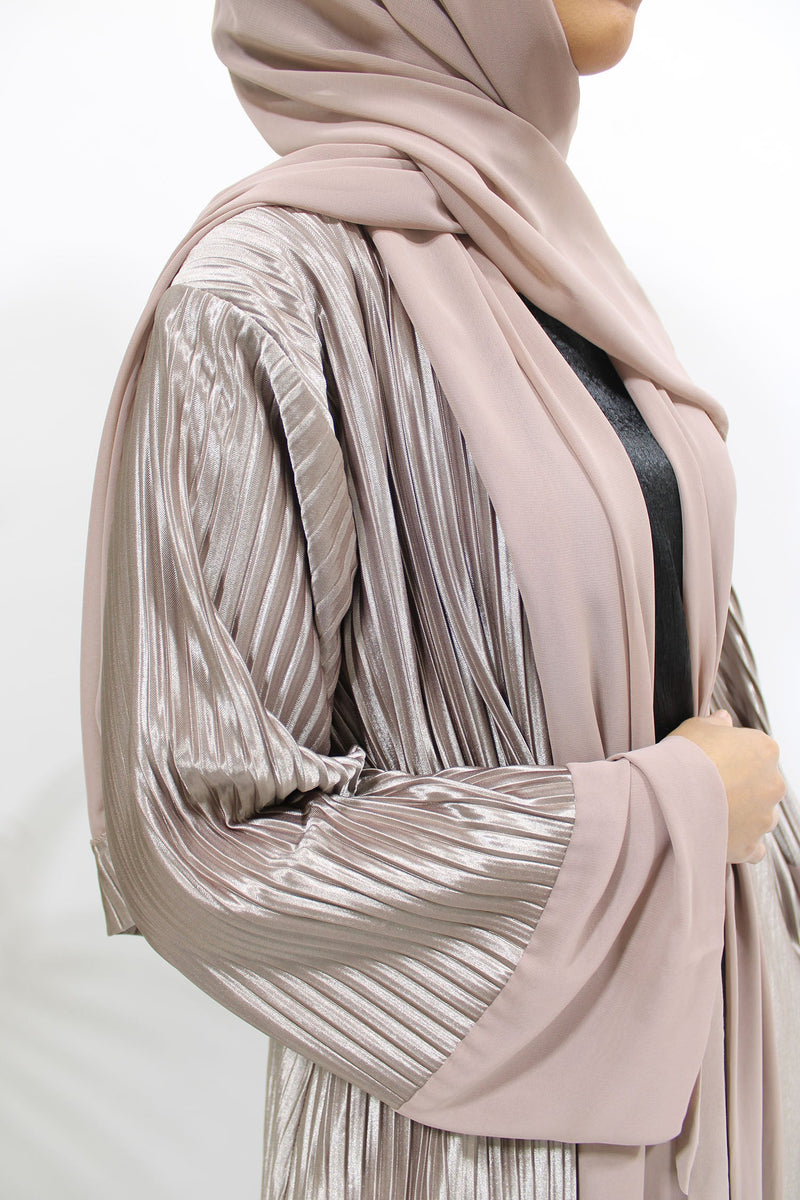
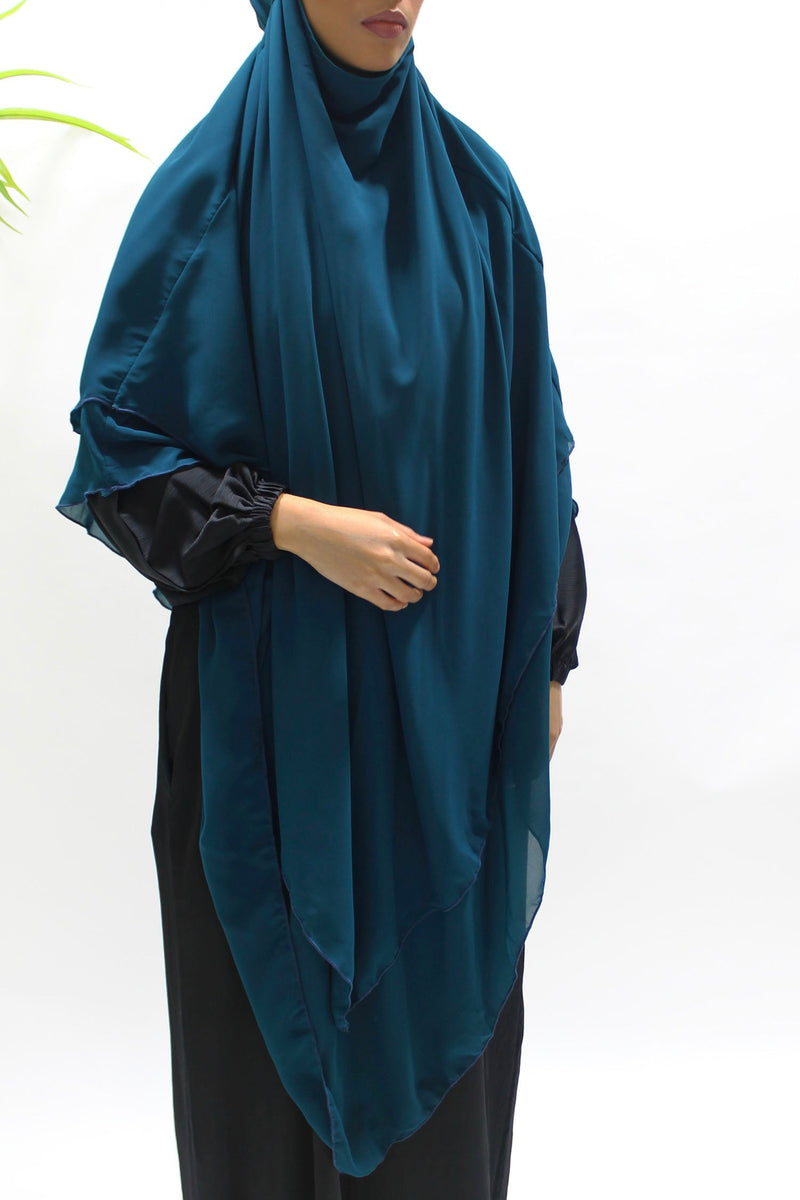
What Should You Look for in Modest Training Clothes When Stretch, Sweat, Coverage, Breathability and Secure Movement All Matter During Exercise?
Choosing clothes for exercise can look simple until you actually start moving in them. A top can seem long enough in front of a mirror, then ride up when you reach overhead. Trousers can feel comfortably loose while standing, then pull tightly across the knees or hips in a squat. A light fabric can feel wonderfully cool, yet become more revealing when it stretches, catches bright light or becomes damp. For a woman who wants her training clothes to support modest dressing as well as movement, those details matter far more than a fashionable silhouette on a product page.
The most useful way to shop is to think about the whole outfit in motion: coverage, fabric, fit, opacity, temperature, security and the activity you actually do. If you are also working out how sportswear fits into your wider wardrobe, our complete hijab guide explains fabrics, undercaps and modest outfit choices in more detail. This guide focuses specifically on what to look for before buying training clothes, how to test them properly and how to avoid the pieces that appear practical until the workout begins.
Start with the movement you actually do
There is no single perfect modest workout outfit because different activities ask different things from clothing. A relaxed walking set does not need to behave like a running outfit. Strength training involves bending, hinging, reaching and sometimes lying on a bench. Pilates and mobility work can involve deep stretches and inverted positions. Outdoor sessions add wind, changing temperatures and the possibility of rain. Before looking at colours or styling, write down the movements your clothes need to handle.
A useful test is to picture your most demanding five minutes of a normal session. Do you lift your arms fully overhead? Take long strides? Cycle? Kneel? Sit on the floor? Sprint? Use machines where loose fabric could catch? The answer changes what “modest” and “comfortable” need to mean in practical terms. A very wide sleeve might give generous coverage for a walk but become irritating around dumbbells. An ankle-skimming outer layer might feel elegant but be unsafe near moving equipment or bicycle components. Modesty works best when the garment is designed around real movement rather than simply made larger.
That is why shopping by activity is usually more reliable than shopping by label. A product may be described as modest activewear, but you still need to decide whether its cut works for your routine. Look at the garment as equipment: it should help you move without repeatedly pulling, pinning, tucking or checking it.
Look for coverage that stays in place, not coverage that only looks good standing still
Length is often the first thing people notice, but stable coverage matters more than a measurement on its own. A long top that clings or rides upwards can become less useful than a slightly shorter top with better weight, side construction and ease. When trying a top, raise both arms, reach forward, bend to tie a shoe, sit, squat and take a long step. Watch what happens at the back, sides and hem rather than only checking the front.
Pay particular attention to side splits. They can make a long top much easier to move in, but a very high split may reveal more of the trouser shape than you expected. Curved hems can also shorten dramatically at the sides. If fuller hip and thigh coverage is important to you, check the shortest point of the garment, not just the centre-back length listed online.
Sleeves need the same treatment. A sleeve that finishes neatly at the wrist while your arms are down may pull halfway up the forearm when you reach. A cuff, thumbhole or gently narrowed wrist can help keep coverage in place, but it should not feel restrictive or trap too much heat. For vigorous exercise, very open bell sleeves and hanging ties can become distracting. Secure details tend to work better than decorative ones.
Choose a fit with movement room, without relying on extreme oversizing
Loose does not automatically mean functional. If a garment is several sizes too large, the shoulder seams can drop so far that arm movement feels heavy, the neckline may shift, and excess fabric can bunch under outer layers or equipment. On the other hand, a technically stretchy outfit can still outline the body closely. The aim is usually controlled ease: enough room that the fabric does not trace every movement, while keeping the garment stable and manageable.
Look at where the garment is shaped. Raglan sleeves or dropped armholes can allow comfortable reach, but the overall cut still needs to sit securely at the neckline. A slightly A-line or straight long top often gives more room through the hip without creating a huge amount of fabric around the waist. In trousers, a relaxed or straight leg can give space without the bulk of an extremely wide hem.
If you are between sizes, compare the garment measurements rather than assuming the larger size is always better. Chest, hip, sleeve, inseam and garment length tell you far more than the size label. For online shopping, compare those numbers with a training outfit you already own and like. That gives you a real reference point for how much ease feels comfortable on your body.
Fabric should manage heat without becoming flimsy
Training clothes have to deal with warmth and moisture, but modest dressing can add extra fabric or coverage. That makes fabric choice especially important. A heavy everyday jersey may feel beautifully opaque in normal wear but become hot during cardio. A very thin performance knit may feel cool but show every line underneath. The best option is not simply “lightweight”; it is a fabric that balances breathability, coverage, stretch and enough substance to remain comfortable when you move.
When comparing pieces, notice the hand feel and construction. A smooth, dense knit can provide good opacity without being thick. A fabric with some mechanical stretch or elastane can move well, but it should recover instead of becoming baggy at the knees or elbows. Quick-drying performance fabrics are useful when you perspire heavily or need to wash your kit often, while softer cotton-rich blends can be comfortable for lower-intensity sessions where drying speed matters less.
When people talk about hijab training clothes, the conversation sometimes focuses only on the head covering. In reality, the fabric of the entire outfit determines how manageable the session feels. A secure sports hijab cannot compensate for a tunic that traps heat or trousers that become heavy with moisture. Think of the top, bottoms and head covering as one system.
Test opacity in stretch, light and moisture
Opacity is one of the easiest qualities to misjudge online. Dark fabric can still become translucent under tension. Light colours can reveal seams or underlayers in strong daylight. Some fabrics look completely opaque when dry but become more revealing when damp. A reliable check therefore needs more than holding the garment up indoors.
If you can try the piece at home before removing tags, stand in front of a bright window or strong light. Bend your knees, stretch the fabric over the thigh, raise your arms and look at the back of the garment as well as the front. If possible, use a mirror or ask someone you trust to check the areas that are difficult to see. A contrasting underlayer can make transparency easier to notice.
For a sports hijab or top, gently stretch the fabric between your fingers. If the weave or knit opens dramatically, think about how it will behave across the shoulders, elbows or head during movement. Opacity does not require a thick fabric, but it does require enough density and suitable construction. It is much easier to discover this before a workout than halfway through one.
Check the neckline before you think about the rest of the top
A neckline that shifts can make an otherwise excellent training top frustrating. Wide neck openings, loose cowls and deep zips may move when you bend, lie back or reach overhead. If you wear a hijab, the neckline also affects how neatly the scarf and top meet. A higher, stable neckline often reduces the need for constant adjustment or an extra visible layer around the chest.
This does not mean the neck needs to feel tight. Look for a shape that sits flat and stays where it is placed. A modest crew neck, small stand collar or close round neck can work well, provided the fabric has enough give to dress comfortably and does not rub. If there is a zip, check whether the backing and zip pull feel smooth against the neck during repeated movement.
It is worth doing a simple bend test. Put on the full outfit, including the hijab or undercap you would actually wear, then bend forward as you would during stretching or lifting. If you immediately reach for the neckline, that is useful information. Training clothes should reduce the number of things you have to think about once the session starts.
Pay attention to hems, splits and garment weight
A modest training top often needs extra length, but longer garments behave differently during exercise. Very light hems can fly up in wind or flip during jumping. Very heavy hems can pull on the shoulders and become uncomfortable when damp. The sweet spot is enough weight for stability without so much fabric that movement feels laboured.
Side splits should begin low enough for the coverage you want while still allowing a natural stride. If the garment has a dropped back hem, check that the front is still long enough for your preference when you sit or lift your arms. If it has drawcords, toggles or ties, ask whether they serve a real function. Dangling details can strike the body, catch on equipment or simply become annoying.
For running or fast walking, a slightly shaped hem can reduce flapping. For strength work, a straighter hem can sit more predictably against benches and machines. These are small construction choices, but they often determine which outfit you keep reaching for and which one stays in the drawer.
Choose trousers by rise, waistband and leg shape
Training trousers deserve as much attention as the top. A waistband can feel fine while standing and then roll, slide or dig in once you squat. A low rise can create a gap at the back when you bend. A very high rise can be supportive for some women but uncomfortable for others when sitting or breathing deeply. There is no universal best rise; the useful question is whether it stays stable through your full range of movement.
Look for a waistband that lies flat without needing constant tightening. An internal drawcord can be useful, especially for running or if your waist-to-hip proportions make elastic waistbands difficult. If there is a drawcord, check that it can be secured without a bulky knot pressing into the body.
Leg shape matters for both coverage and safety. Straight and relaxed tapered cuts are often easy to manage. Extremely wide legs can offer generous drape but may brush equipment or interfere with fast footwork. If you cycle, use a treadmill or train near moving mechanisms, avoid loose fabric that could catch. A modest outfit should never compromise physical safety for the sake of a particular silhouette.
Do not ignore what happens at the ankle
The bottom of the trouser can change how the whole outfit performs. Elasticated cuffs keep fabric away from the foot and can be helpful for running, circuits and outdoor sessions, but very tight cuffs may ride up and expose the ankle. Open straight hems can feel cooler and drape naturally but should not be long enough to step on.
Check your footwear with the trousers you intend to wear. A length that works barefoot may bunch over trainers. If you prefer full ankle coverage, sit down and bend the knee to see how far the trouser rises. In cold weather, socks can bridge a small gap; in warmer weather, you may prefer a trouser cut that remains longer without needing extra layers.
Again, test the real movement. Walk up stairs, sit cross-legged, lunge and take a long stride. The aim is not to find a garment that never moves at all, which is unrealistic, but one that moves predictably and returns to place without repeated fixing.
A sports hijab should feel secure without feeling over-engineered
A training hijab has a different job from an occasion scarf. During exercise, security, airflow, softness and a clear field of vision are more important than elaborate draping. The fewer adjustments required, the better. Pull-on designs can be especially convenient because they remove loose ends, but the opening and length still need to suit your face shape, neck coverage and activity.
Check whether the fabric stays put when you turn your head quickly. Notice whether it creeps backwards at the forehead, presses on the ears or bunches at the neck. If you wear glasses, headphones or a cap, try them together. A design that feels perfect alone can become uncomfortable when several items compete for space around the ears.
Undercaps are personal. Some women find a lightweight breathable undercap improves grip and keeps hair secure; others feel cooler and more comfortable without one under a well-designed pull-on hijab. If you use an undercap, avoid making the combined layers so tight that you finish the workout with pressure or a headache. Security should come from fit and fabric, not from squeezing.
Use layering deliberately rather than adding layers by habit
It is easy to solve every modesty concern by adding another garment, but extra layers can increase heat, bulk and friction. A better approach is to make each layer earn its place. If a long training top is already opaque, stable and high-necked, you may not need a second full top beneath it. If the outer layer is lightweight and slightly translucent, a thin base layer might be useful, but then the combined fabrics need to remain comfortable during exercise.
For colder outdoor sessions, layering becomes an advantage. A breathable base, modest mid-layer and light outer shell can be adjusted as the weather changes. In warm indoor environments, one well-chosen top may be more practical than several ordinary clothing layers.
Think about where layers overlap. Two tight waistbands can dig in. Multiple sleeve cuffs can restrict the wrist. A long cotton under-top beneath a synthetic tunic can hold moisture next to the body. Simplifying the outfit often improves both comfort and modesty because you spend less time pulling different layers back into place.
Seams, labels and friction matter more as sessions get longer
A garment can pass every mirror test and still fail after forty minutes because of rubbing. Training involves repeated movement, so small seam placements become important. Thick inner-thigh seams, rough labels, hard zip guards and bulky stitching under the arm can become uncomfortable over time.
Run your fingers along areas likely to move repeatedly: underarms, inner thighs, waistband, neck and the edge of a sports hijab. Flat or smooth seams are often more comfortable, but the important thing is how the garment feels on your skin. If you already notice an irritating seam in the changing room, it is unlikely to improve once you are warm and perspiring.
For longer walks or runs, consider whether the cut prevents fabric from bunching between the thighs. For strength training, check areas that will press against a bench. For floor work, avoid bulky back pockets, hard toggles or zips where your body contacts the mat. Comfort is not a luxury in training clothes; it affects whether you can focus on the session.
Think about temperature before choosing how much coverage to add
Modest coverage and temperature control are not opposites, but they do require planning. In summer or heated gyms, look for lighter, breathable fabrics, ventilation-friendly cuts and colours you are comfortable wearing in bright light. In winter, choose layers you can remove without leaving yourself with an outfit that no longer meets your coverage preference.
Outdoor wind changes how loose garments behave. A long tunic that hangs beautifully indoors may press against the body in a strong headwind, while a very wide outer layer may flap and feel cumbersome. A slightly more structured or layered approach can feel more secure. In rain, fabrics that absorb a great deal of water can become heavy, so a light outer shell may be worth carrying.
If you commute to a class, remember the temperature before and after training too. A breathable exercise layer may feel cold the moment you stop. A loose overshirt, jacket or long outer layer that goes on easily over the training set can make the transition home much more comfortable.
Pockets should be useful without pulling the garment out of shape
Pockets sound like a small feature until you have nowhere to put a key, access card or phone. For walking and outdoor training, secure zipped pockets can be particularly useful. But placement matters. A heavy phone in a loose side pocket can make a long top swing or pull against the body. A trouser pocket can drag the waistband down if the fabric is too soft.
Think about what you genuinely carry. If you use a gym locker, you may only need space for a key. If you run outdoors, you might need a phone and small essentials. A pocket that holds items close to the body without bouncing is usually more comfortable than a large decorative pocket.
Avoid relying on pockets that create obvious bulk in an area where you wanted smooth drape. Sometimes a small waist belt worn under a longer top or a secure jacket pocket works better. The right solution is the one you can forget about while moving.
Check care instructions and recovery before you buy multiples
Training clothes are washed more frequently than many everyday garments, so durability matters. A piece that loses shape after a few washes is poor value even if it felt perfect on day one. Read the care label before buying, especially if the item needs unusually delicate treatment that does not fit your routine.
Stretch fabrics can be sensitive to high heat, while technical finishes may not respond well to heavy fabric softener. Follow the actual care instructions rather than assuming all sportswear can be treated the same way. Closing zips, washing similar textures together and using a laundry bag for lightweight hijabs can also help reduce snagging.
Before buying the same set in several colours, wash and wear one piece a few times if you can. Check whether the knees bag, the neckline stretches, the hem twists, the fabric pills or the colour changes. A small trial gives you more useful information than ordering a whole training wardrobe at once.
For online shopping, measurements and return terms are part of the product
When you cannot try an outfit on first, the size chart and return policy become part of your decision. Look for garment measurements rather than only body-size ranges. A top length of 80 cm means something concrete; a label such as “relaxed fit” is much harder to judge. Sleeve length, chest width, hip width, rise and inseam are especially useful.
Measure a garment you already own flat and compare like with like. If the website gives body measurements instead, compare those with your own measurements while remembering that the finished garment should include the intended ease. Read whether the model is wearing her usual size or sizing up, but do not assume the same choice will work for every body shape.
Also check whether sale items, worn items or hygiene-sensitive headwear can be returned. Ideally, your first try-on should include the movements you plan to do while keeping the garment in returnable condition. You are not trying to perform a full workout; you are checking whether the cut behaves as promised.
Build a small training capsule around the hardest-working pieces
You do not need a huge activewear wardrobe to train comfortably. A small capsule is often easier to manage: a few reliable long tops, two or three pairs of bottoms, one or two sports hijabs, and weather layers if you train outdoors. Choose pieces that can be mixed without creating awkward gaps in coverage or mismatched fabric weights.
Start with the activity you do most. If you walk five days a week and attend one class, build for walking first. If your routine is mostly strength training, prioritise tops that stay in place when you bend and trousers that do not interfere with equipment. Buy for your real life rather than the workout wardrobe you imagine you might need later.
Neutral colours can make mixing easier, but a capsule does not have to be dull. The practical point is compatibility. If every top only works with one pair of trousers because of length, opacity or colour, you have not really created flexible training clothes. A smaller set of pieces that all work together usually gets worn more.
What to look for by activity
Walking
For everyday walking, comfort and weather adaptability usually matter most. A relaxed long top, straight or tapered trousers and a secure lightweight hijab can be enough. Check pockets if you carry your phone and make sure the hem does not flap excessively in wind. If you walk after dark, practical visibility details can be useful, especially on outer layers.
Strength training
For strength work, test deep bends, squats, overhead reaches and bench positions. Avoid very loose hems or sleeves around machines and free weights. A stable neckline, controlled sleeve shape and trouser leg that stays clear of equipment are valuable. Fabric should stretch without becoming see-through when loaded across the knees, hips or shoulders.
Running and higher-intensity cardio
For running, reduce anything that bounces, twists or flaps. Secure pockets, a stable waistband, lighter fabric and a sports hijab that does not creep backwards can make a large difference. A long top can work, but it needs enough shaping or weight to stay manageable at speed. Test it with your actual stride rather than assuming walking behaviour will translate to running.
Pilates, mobility and floor work
Floor-based sessions reveal necklines and hems very quickly. Bend forward, lie back, raise your legs and move through stretches before deciding a set works. Avoid hard back-pocket hardware, bulky toggles and garments that slide towards the shoulders when you invert. A longer top with a stable neckline and enough side room can be particularly useful.
Cycling
Cycling requires extra care around loose fabric. Keep wide trouser hems, long ties and flowing outer layers away from moving wheels, chains and pedals. If you prefer more coverage, use shapes that are secured or cut to stay clear of the bicycle rather than simply adding length. Safety has to come first.
Common signs a garment may become frustrating
Some warning signs are easy to miss because they seem minor in a quick try-on. If you notice several of the following, think carefully before keeping the piece:
- The neckline needs adjusting after one forward bend.
- The top rises above your preferred coverage point when both arms are lifted.
- The fabric becomes visibly thinner when stretched over the knee or hip.
- The waistband rolls during a squat or slips when you jog on the spot.
- Side splits open higher than you expected during a long stride.
- Sleeves fall over the hands or loose cuffs interfere with equipment.
- The sports hijab moves backwards when you turn your head.
- The full outfit already feels hot before you have begun exercising.
- Drawcords, zips or seams rub during a few repeated movements.
- You keep telling yourself you can “fix” the garment with several extra layers or pins.
One small compromise may be perfectly manageable. Several compromises usually mean the outfit will demand attention every time you wear it. Good training clothes should make the session simpler.
A practical buying checklist
| Area | What to check | Simple test |
|---|---|---|
| Coverage | Length, side splits, sleeve and neck stability | Reach, bend, squat and sit |
| Opacity | Fabric density under tension and bright light | Stretch at knee/hip near a window |
| Fit | Ease without excessive loose fabric | Take a long stride and raise both arms |
| Temperature | Breathability and number of layers | Wear the full outfit for several minutes indoors |
| Bottoms | Waistband, rise, leg width and ankle length | Squat, lunge and sit |
| Hijab | Grip, face opening, neck coverage and pressure | Turn head quickly and bend forward |
| Safety | Loose hems, ties and sleeves near equipment | Recreate your activity movements |
| Care | Wash requirements and shape recovery | Trial one set before buying multiples |
What matters most when choosing modest training clothes?
The strongest training wardrobe is not the one with the most layers or the loosest possible fit. It is the one that lets you move confidently while maintaining the coverage you intended at the start of the session. Prioritise stable coverage, reliable opacity, manageable fabric weight, a secure neckline, safe hems and an activity-appropriate cut.
If you are comparing hijab training clothes, look beyond the product name. Put the full outfit through the movements you actually perform. Check it in bright light. Notice heat and pressure. Think about laundry, pockets and how the pieces combine. A few minutes of careful testing can prevent months of irritation.
Most importantly, choose clothes that reduce distraction. Training already asks enough from your attention. Your outfit should not need to be pulled down after every set, retied after every run or checked every time you bend. When the cut, fabric and coverage work together, modest activewear can feel straightforward rather than complicated.
Frequently asked questions
What fabric is best for modest training clothes?
There is no single best fabric for every activity. Look for a material that is breathable enough for your training intensity, dense enough to remain opaque when stretched, comfortable against the skin and able to recover its shape. Quick-drying performance knits can suit higher-intensity sessions, while softer blends may feel pleasant for walking or lower-intensity exercise. Judge the finished fabric, not just the fibre name.
How loose should workout clothes be for a modest fit?
A practical modest fit usually needs enough ease that the garment does not cling closely through normal movement, without so much excess fabric that it catches, flaps or shifts unpredictably. Test the outfit while squatting, reaching and taking long strides. Your own coverage preference and activity both matter, so garment measurements are more useful than simply buying several sizes larger.
Does an oversized top automatically make a workout outfit more modest?
No. Oversizing can add room, but it can also create a wider neckline, unstable shoulders, very long sleeves or excess fabric around equipment. A purposefully relaxed cut is often easier to manage than a standard top bought far too large. Look at how the garment behaves in motion, particularly at the neck, hem, sides and sleeves.
How can I check whether training trousers are see-through?
Test them in strong natural light and under stretch. Wear a contrasting underlayer if appropriate, then bend, squat and look at the knee, hip and seat areas. A fabric can appear opaque while standing and become more transparent when tension opens the knit. Checking before removing tags is especially useful when buying online.
How do I stop a sports hijab moving during exercise?
Start with the correct face opening and overall size rather than relying on tightness. A pull-on design with a grippy, lightweight fabric can reduce movement. Some women prefer a breathable undercap for extra hold, while others find one unnecessary. Test the hijab by turning your head, bending and jogging gently on the spot, and avoid excessive pressure around the head and ears.
Are long tops practical for running?
They can be, provided the cut is designed for faster movement. Look for a manageable hem width, secure neckline, enough stride room and fabric that does not become heavy when damp. Very wide or extremely light hems may flap, while restrictive long tops can shorten your stride. A short movement test will tell you more than the length measurement alone.
Do I need different modest workout clothes for summer and winter?
Not necessarily, but seasonal layers make training more comfortable. A breathable core set can work through much of the year, with a light outer layer for wind or rain and warmer pieces for colder conditions. In summer, reduce unnecessary layering and choose fabrics that balance airflow with opacity. In winter, use removable layers so you can adjust as your body warms.
What should I prioritise if I am buying my first modest training outfit?
Start with one outfit for the activity you do most. Prioritise a stable long top, comfortable trousers, reliable opacity, safe hems and a head covering that stays secure if you wear hijab. Test the complete outfit through your normal movements and wash it a few times before buying duplicates. A proven set is more valuable than a large wardrobe of untested pieces.