How to accessorise a simple abaya
A plain abaya does not need rescuing from simplicity. Its clean surface gives you room to decide what the outfit should emphasise: a scarf colour, a useful bag, a favourite ring or the garment’s own shape. The most effective change is often one you can explain in a sentence.
Instead of adding accessories until the outfit feels “finished”, choose what you want to change. Perhaps the colour feels too flat, the outfit needs to suit a dinner rather than errands, or the bag is interrupting the drape. A clear purpose makes it easier to use what you already own and stop before the details become a distraction.
Check the base garment before changing the accessories
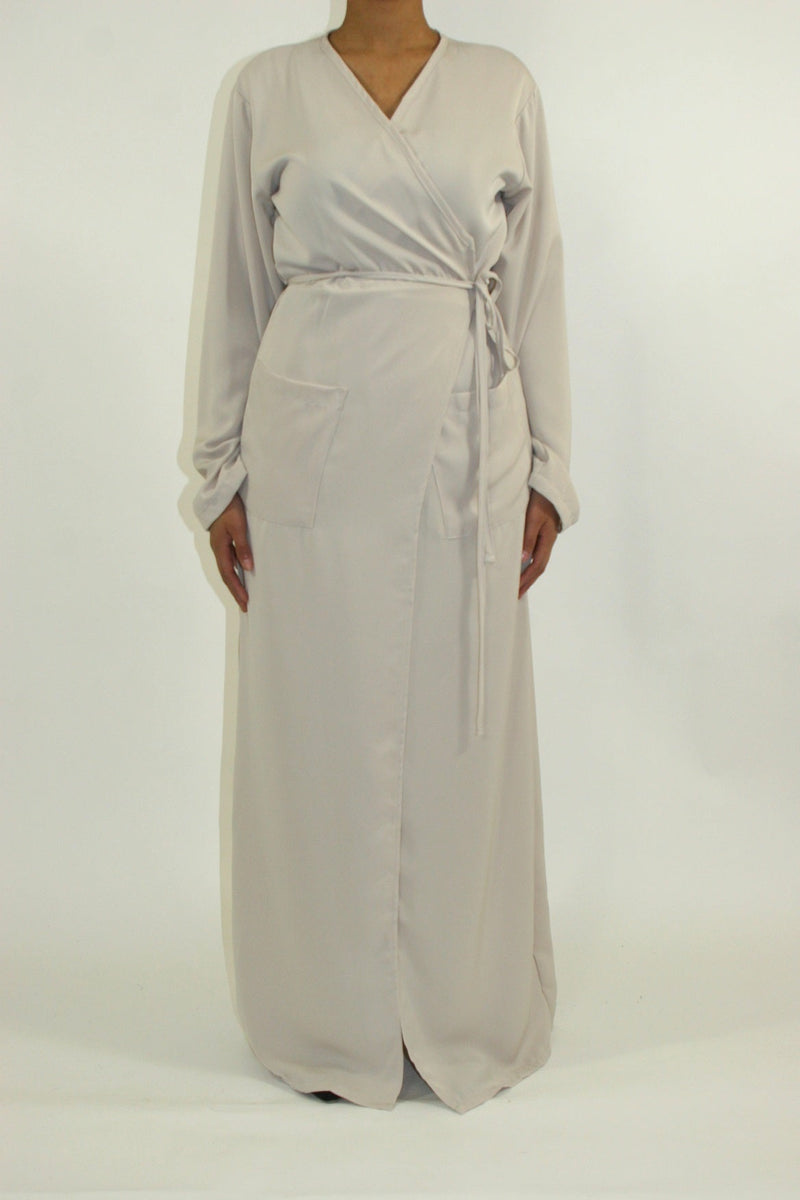
Start with a clean, well-presented abaya whose length and sleeves work for you. Accessories cannot correct a hem that drags or a neckline that pulls. Put the garment on with the intended inner layer and look at the front, sides and back.
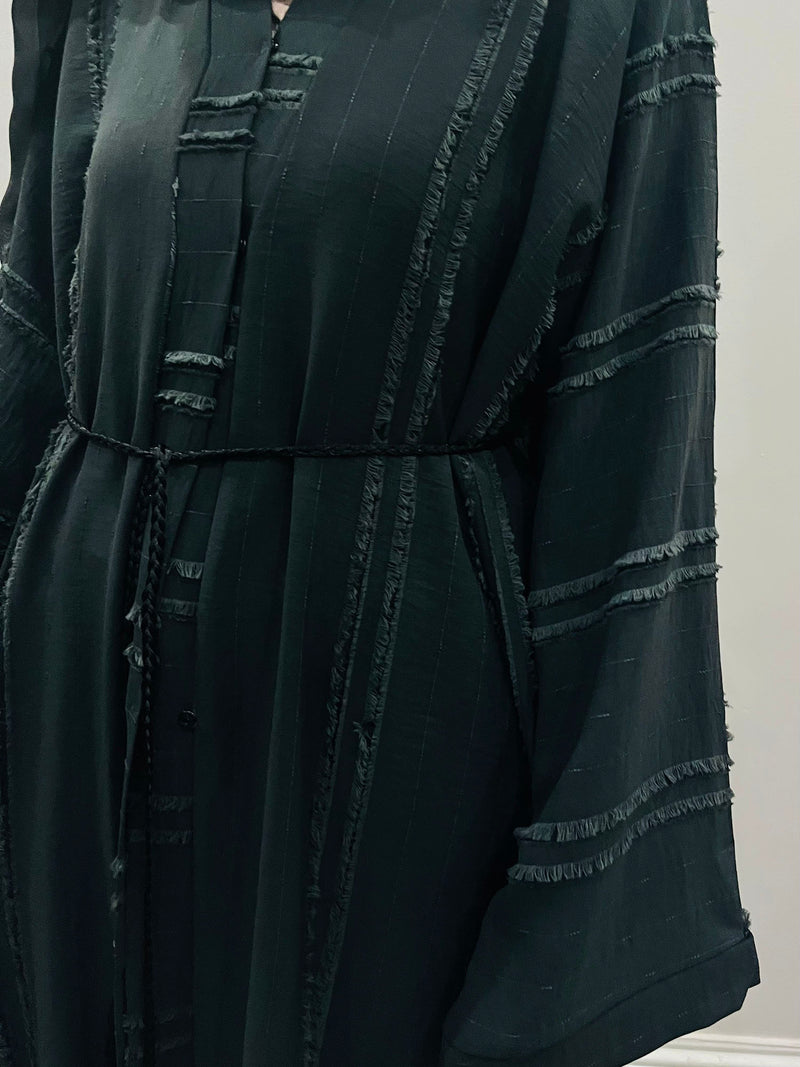
Notice its existing features. A plain colour may still come with a textured weave, a shaped cuff, a subtle front seam or an unusual collar. Those details are part of the outfit. You may need fewer additions than you thought once the garment is sitting properly.
If the abaya is open, assess the inner outfit too. It is not background that disappears as soon as the outer layer is added. Its colour, neckline and hem will be visible whenever the front moves, so include it in the styling decision from the beginning.
Choose one point of interest
Decide where you would like the strongest detail to sit. A patterned hijab draws attention near the face. A distinctive bag adds a shape lower down. A decorated cuff or bracelet creates interest as your hands move. The choice changes the character of the same plain garment.
This does not mean you are limited to one accessory. It means the pieces should have a hierarchy rather than all demanding equal attention. A bright scarf can be accompanied by a useful bag and shoes without those items also needing strong colour, texture and decoration.
Try taking one item away when the outfit feels busy. The result can be more intentional even though there is less to look at. Simplicity is a positive styling choice, not a stage you have to move beyond.
Use the hijab to change colour or texture
A scarf close to the abaya’s colour can create a continuous effect. A contrasting one makes the face area more distinct. A print can introduce several colours at once, but check how the pattern appears when wrapped rather than judging it only laid flat.
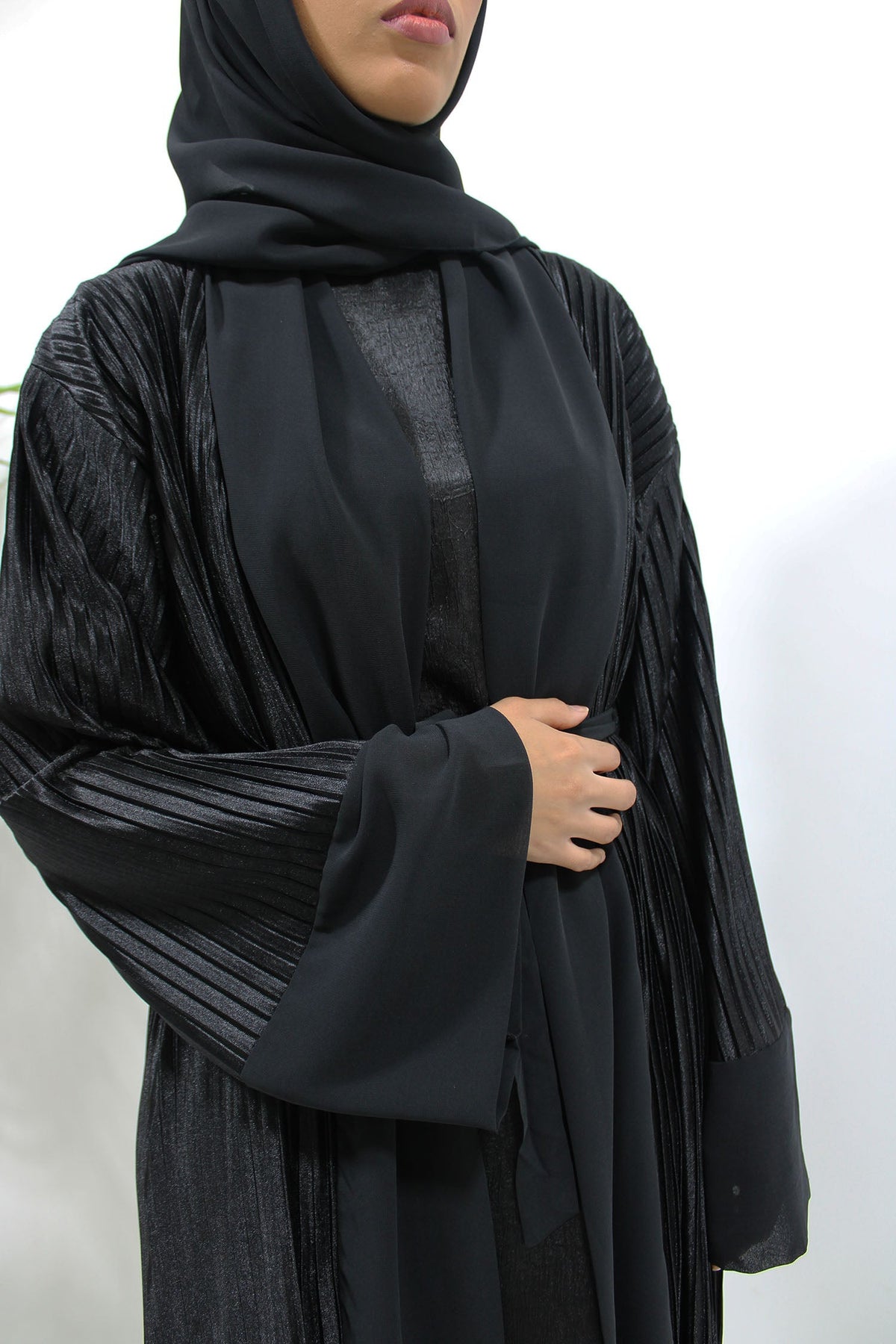
Texture is another route. A matte scarf beside a smoother garment can add contrast without a new colour. A softly lustrous scarf may give a plain outfit an occasion feel, provided it works with your preferred coverage and does not need constant adjustment.
Choose the fabric for how you wear it. A beautifully coloured scarf that slips in your usual arrangement may be less useful than a quieter one that stays comfortable. The hijab fabric guide helps connect the visual choice with drape, coverage and care.
Make a small colour plan
Begin with the abaya, then choose the scarf and one accessory to compare beside it. You might keep all three in related tones, use a neutral scarf with a stronger bag, or repeat a small colour from a printed hijab in the shoes.
You do not need to match the bag and shoes exactly. Similar visual weight can be enough: two quiet pieces, for example, rather than one very ornate item and one that belongs to a completely different mood. Compare the actual materials because sheen and texture change how a colour reads.
For a black abaya, a warm neutral scarf and a simple brown bag create a different effect from a cool grey scarf and a dark bag. For a pale abaya, a deeper scarf can give definition without adding decoration. These are options to test, not formulas that override your taste.
Choose a bag that works with the cut
A bag has to carry things, so start with capacity and how you prefer to hold it. A tote may suit a busy day, a cross-body bag may leave your hands free, and a smaller hand-held bag may work for an evening. None is automatically more stylish than the others.
Put the usual contents inside before testing it with the abaya. Weight changes how a strap sits. A cross-body strap can gather loose fabric at the side, while a shoulder bag may slide against a smooth sleeve. The right adjustment is often a different strap position rather than a completely different outfit.
Inspect rough hardware and decorative edges near the garment. A plain abaya can still be made from a delicate fabric. A bag that repeatedly catches it is not a useful finishing touch, however well the colours coordinate.
Let shoes determine the practical tone
Footwear can make the same abaya feel more relaxed or more formal, but the choice should begin with the day’s route. Walking, standing, weather and the surfaces you will cross matter more than a rule that elegance requires heels.
Try the hem with the shoes on. A change in sole or heel height can alter how the fabric clears the ground. Make sure you can move at your normal pace and use a step without holding the garment continuously.
For an everyday outfit, simple trainers, loafers or another comfortable style may be appropriate to your setting. For dinner, a more refined shoe shape can change the mood without adding a high heel or heavy decoration. Choose the option that remains comfortable once the photograph is over.
Use jewellery where it can be seen and worn easily
A ring or bracelet may provide enough detail when the neckline is covered by the hijab. A necklace can work with some arrangements, but there is little reason to add one that is entirely hidden or catches the scarf every time you turn.
Check how a bracelet meets the cuff. A smooth piece may be easier to wear with delicate fabric than one with projecting edges. A watch has a practical role, but its size can affect the fit of a narrow wrist opening.
There is no obligation to wear statement jewellery with a simple abaya. The absence of ornament can be part of the look. Keep the pieces that you enjoy and that suit your usual movements rather than using jewellery to prove that effort has been made.
Treat a belt as a change of silhouette
A belt does more than add an accessory: it redistributes fabric and changes the garment’s outline. Try the abaya without it first, then compare the effect. Decide whether you prefer the free fall or the gathered shape.
Use a belt only where the garment can accommodate it comfortably. Tightening it may pull the front, lift the hem unevenly or restrict a sleeve that is connected to the body in a broad cut. Sit and reach after adjusting it, not just while standing in front of the mirror.
A wider belt and a narrow one can create different effects, but neither is required to make a loose garment look balanced. You do not need to define the waist unless that is a choice you actually want for the outfit.
Place brooches and decorative fastenings cautiously
A small brooch can add interest to a suitable collar, scarf or structured section. Before using it, consider the weight of the piece and the strength of the fabric at the attachment point. A fine material may not support the same ornament as a heavier one.
Do not use a decorative pin as a substitute for a missing or unsuitable garment closure. An open abaya should still work with the inner outfit as intended. A fastening that pulls one point tightly may distort the front rather than solve the coverage issue.
Try the placement while moving your head and shoulders. A brooch that looks well positioned but catches the scarf or presses against a bag strap is better moved or left off.
Three outfit changes using the same plain abaya
For a practical daytime version, use a scarf that is comfortable in your regular wrap, shoes suited to walking and a bag with enough capacity. Keep the palette simple so the outfit can be assembled without a long decision process. A watch or one familiar piece of jewellery may be all the detail needed.
For lunch or a relaxed gathering, change the scarf colour or introduce a restrained print. Keep the footwear and bag if they still suit the day. This makes the outfit feel different without requiring a separate set of accessories for every occasion.
For an evening version, choose a compact structured bag that holds your essentials and a scarf texture that complements the abaya’s surface. Add one decorative element if it improves the arrangement. Check the lighting, hem and comfort in the completed outfit before deciding it is ready.
Use an outer layer without losing the line
A jacket or coat becomes part of the outfit whenever it is worn, not merely a cover to ignore until you arrive. Check that its sleeves have room for the abaya and that its hem sits in a way you like over the longer garment.
A short jacket can give a more casual structure; a longer coat may create a more continuous line. Either needs to be tried with the hijab and bag. A crowded collar area or tightly packed sleeve will not be solved by coordinating the colours more precisely.
For a wider look at the base garment, our abaya style guide explains how different cuts respond to layering and detail.
Use the invitation to narrow the accessory choices
“Dressy” can mean a family lunch, a seated dinner or a celebration that involves substantial walking. Start with the arrangements you actually know. A daytime gathering in a small room may need little beyond a well-chosen scarf and tidy shoes. An evening event could accommodate a more decorative bag, but only if that bag carries what you need and leaves your hands comfortable.
Lay out two versions of the same abaya rather than every accessory you own. In the first, let the scarf supply the interest and keep the bag quiet. In the second, choose a plain scarf and make the bag the accent. Compare the entire outfit from a normal viewing distance. The better combination is not necessarily the one with the more striking individual pieces.
Then remove one item from the preferred version. If the outfit becomes clearer and you do not miss the item’s function, leave it out. This is a useful way to edit a simple abaya outfit without treating minimalism as a rule. Some days a rich arrangement will suit you; on others, a single deliberate detail will be enough.
Make a useful outfit record
When a combination works, take a simple photograph and note the pieces used. This is particularly useful when two similar scarves create different results or when the shoe choice determines the right hem clearance.
Keep the record practical rather than aspirational. Include the outfit you actually wore comfortably, not only a version arranged for a moment. Over time, a few dependable combinations can make a plain abaya one of the easiest pieces in your wardrobe to use.
The aim is not endless transformation. It is knowing how a small change can serve a different day while keeping the garment, coverage and comfort you already like.