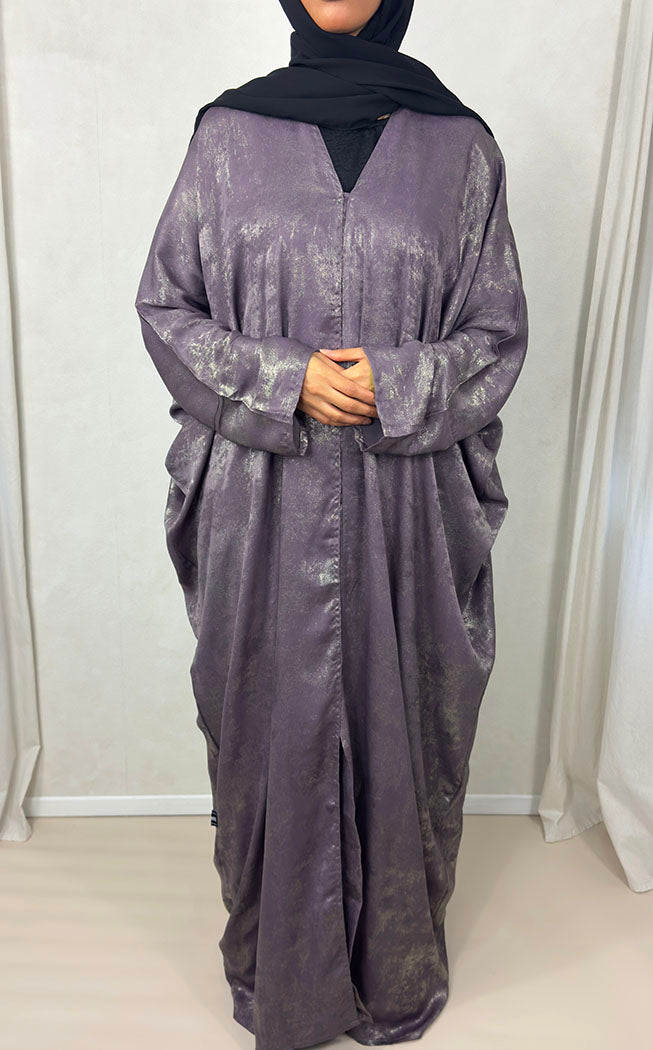
How Does a Hijab Olive Shade Help Balance Outerwear and Inner Calm?
Bismillah. A hijab olive shade can feel quiet at first. It does not shout like a bright colour, and it does not disappear like a plain black scarf. It sits somewhere softer, deeper and more grounded. For many sisters, that is exactly why it feels special. Olive can make an outfit feel calm without feeling dull. It can soften black outerwear, warm up beige layers, steady cream abayas, and add a little earthiness to a modest wardrobe that has started to feel too predictable.
But choosing a hijab olive shade is not only about liking the colour. A sister may be asking a much deeper question without even realising it. How do I wear colour without feeling too visible? How do I match my hijab with coats, abayas and long outer layers? Will olive suit my wardrobe? Will it make me look washed out near the face? Does it work for the masjid? Can it feel smart for work and soft for daily errands? Can a colour help me feel more balanced inside as well as outside?
Dear sister, these questions matter because modest dressing is not only about putting garments together. It is also about how you feel when you leave the house. Some colours make you feel exposed. Some make you feel hidden. Some make you feel too formal. Some make you feel too plain. Olive is one of those shades that can give a middle path. It is colour, but not loud colour. It is different, but not difficult. It can carry a sense of calm, nature, depth and maturity while still working with practical outerwear.
This guide is for the sister who wants to bring olive into her hijab wardrobe with confidence. Maybe you mostly wear black and want a softer step into colour. Maybe you own a beige abaya and do not know which hijab will make it feel grounded. Maybe you have a long coat, open abaya or jilbab and want the scarf to feel intentional. Maybe you are a revert building your first modest wardrobe and you want colours that feel easy, not overwhelming. Maybe you have tried olive before, but it never quite looked right.
We will talk about what hijab olive really means, why it feels calming, how to pair it with abayas and outerwear, which fabrics work best, how to choose the right shade, what colours to avoid, how to style it for prayer and masjid visits, and how to build a small wardrobe around earthy tones without losing softness. A good colour does not need to change who you are. It should help you feel settled enough to be yourself with modesty, dignity and peace.
Why does a hijab olive shade feel so calm?
A hijab olive shade feels calm because it belongs to the family of earth tones. It carries the feeling of leaves, deep gardens, natural fabric, quiet walks and steady ground. Even when it is used in a polished outfit, olive rarely feels harsh. It has colour, but it does not demand attention in the same way as brighter greens, reds or strong jewel tones. This makes it useful for sisters who want to add depth to their wardrobe while keeping modest softness.
Olive also has a balancing quality. Black can feel strong and private. Cream can feel light and gentle. Beige can feel warm. Grey can feel cool. Olive sits between warmth and depth. It can make a black abaya feel less severe, a beige coat feel more grounded, a white inner layer feel less delicate and a brown outfit feel more natural. That is why it works beautifully with modest outerwear. It does not compete with the outfit. It settles it.
There is also an emotional side. Some sisters feel nervous wearing colour because they worry it will make them stand out. Olive is often a gentle first step because it does not feel loud. It allows a sister to move away from only black without feeling like she has entered bright fashion territory. It gives her a sense of variety while still respecting her desire for quietness.
For reverts and beginners, olive can feel especially helpful. A new sister may not yet know which colours suit her or how to match hijabs with abayas. She may want something less intense than black but more practical than pale shades. Olive can become a safe middle colour. It pairs with many basics, it works across seasons, and it can look modest without appearing too formal.
Olive also works because it can be dressed up or down. A chiffon olive hijab can feel refined with an occasion abaya. A jersey olive scarf can feel practical for errands. A khimar in an olive or sage family can give fuller coverage with softness. The same colour family can move through daily life without feeling out of place.
Inner calm in clothing does not come from colour alone, but colour can help. When a shade supports your wardrobe, your routine and your modest purpose, it removes one layer of worry. Olive does that quietly.

What does hijab olive mean in a modest wardrobe?
Hijab olive can mean different shades in the green family. Some olive hijabs are deep and almost khaki. Some are soft sage. Some are brown-green. Some are smoky and muted. Some lean warm, while others lean cooler. This matters because not every olive shade will feel the same near the face or with your abayas. The word olive is helpful, but the exact tone decides how easy it is to wear.
A deep olive hijab feels more grounded and serious. It works well with black, cream, brown, taupe, charcoal, navy and beige outerwear. It can feel modest and mature, especially for work, masjid visits or colder seasons. If you are used to black, deep olive may feel like the easiest transition because it still has depth.
A soft sage olive feels lighter and more gentle. It can look beautiful with cream, beige, light grey, taupe, white and soft brown. It may feel more spring-like or feminine. The caution is opacity and fabric strength. Softer shades often need better fabric confidence, especially in light chiffon.
A khaki olive can feel casual and practical. It pairs nicely with long coats, trainers, utility-style outerwear and everyday abayas. It can look modern without being overly polished. But it may feel too casual for sisters who prefer a softer or more elegant look.
A brown-olive shade is warm and modest. It can sit beautifully with mocha, chocolate, beige and cream. If your wardrobe has many earthy abayas, brown-olive may become a repeat colour. It is less sharp than green and often easier to match with warm neutrals.
When adding hijab olive to your wardrobe, think of it as a bridge colour. It can bridge black and beige, winter and spring, casual and smart, neutral and colourful. It is not a random colour if your wardrobe already includes abayas in black, cream, taupe, mocha, grey or brown. It belongs naturally.
| Olive shade | Best with | Feeling |
|---|---|---|
| Deep olive | Black, cream, brown, navy | Grounded and modest |
| Sage olive | Cream, beige, light grey | Soft and gentle |
| Khaki olive | Casual outerwear and trainers | Practical and modern |
| Brown olive | Mocha, taupe, chocolate | Warm and natural |
| Muted olive | Most neutral wardrobes | Quiet and versatile |
Once you understand the shade, olive becomes much easier to style. You stop asking whether olive suits you in general and start asking which olive belongs to your wardrobe.
How does olive balance black abayas and dark outerwear?
Olive balances black abayas and dark outerwear by softening the overall outfit without removing depth. Many sisters love black because it feels secure, modest and easy. But wearing black with black every day can sometimes feel heavy, especially near the face. A hijab olive shade gives a gentle shift. It keeps the outfit grounded but adds warmth and natural colour.
With a black closed abaya, an olive hijab can make the look feel more relaxed and earthy. The abaya remains simple, while the scarf adds interest. This is useful for sisters who want to look put together without using bright colours. Deep olive with black feels mature. Sage olive with black feels softer. Khaki olive with black feels casual and modern.
With a black open abaya, olive can connect the outer layer to a cream, beige, brown or grey inner outfit. For example, a black open abaya, cream inner dress and olive hijab can feel balanced because the scarf ties the light and dark pieces together. A black abaya with a mocha inner and olive hijab can feel warm and autumnal. A black abaya with a grey inner and olive scarf can feel calm and slightly cooler.
Dark coats also work well with olive. A black coat, charcoal coat or navy coat can feel less severe when paired with olive. This matters in colder months when outerwear dominates the outfit. If your coat covers most of your abaya, the hijab becomes one of the only visible colour choices. Olive adds softness without making the winter outfit feel loud.
The key is choosing the right fabric. A chiffon olive scarf can lift a black abaya with elegance. A jersey olive scarf can make dark outerwear feel practical and easy. A khimar in olive or sage can give more upper coverage while still softening the dark outfit. If the black garment is very structured, a softer drape can create balance. If the outerwear is casual, a textured olive scarf can feel natural.
Olive also helps when black feels emotionally heavy. Some sisters love black but do not always want to feel severe. Olive gives them a modest alternative that still feels covered. It is not a loud change. It is a gentle change. Sometimes that is enough to make an outfit feel alive again.
How can olive work with beige, cream and brown outerwear?
Olive works beautifully with beige, cream and brown outerwear because these colours share an earthy softness. Beige can sometimes feel too pale on its own. Cream can feel delicate. Brown can feel warm but heavy. Olive adds balance. It grounds lighter shades and freshens darker warm tones without clashing.
With a beige abaya or coat, a hijab olive shade can make the outfit feel more complete. Beige and olive together feel natural, like sand and leaves. This pairing works especially well for sisters who want a soft look that still has modest depth. A sage olive hijab with beige feels gentle. A deeper olive with beige feels more mature. Add cream shoes or a brown bag and the outfit becomes calm without needing much else.
With cream outerwear, olive prevents the outfit from feeling too light. A cream maxi dress, cream abaya or ivory layer can look beautiful but may need a grounded scarf. Olive gives that grounding. It also helps if you are nervous about wearing pale outfits. The olive hijab brings the attention back to a steadier tone near the face.
With brown outerwear, olive feels warm and natural. Chocolate, mocha, camel and taupe all pair well with olive. A brown abaya with an olive hijab can feel rich without being dramatic. A mocha coat with a sage scarf can feel soft and modern. A taupe open abaya with deep olive can feel modest and polished.
The only caution is undertone. Some beige tones are warm and golden. Some are cool and grey. Some olive shades are yellow-based, while others are smoky. If the pairing feels slightly wrong, it may be undertone rather than colour. Try placing the scarf and outer layer together in daylight. If the olive looks muddy against the beige, choose a softer sage or deeper green. If it looks too cool, try a brown-olive shade.
Olive also works with natural fabrics. Linen abayas, cotton outerwear, ribbed basics, jersey hijabs and textured khimars all suit earthy colour stories. This makes olive useful for everyday modest dressing, not only styled photos.
When beige, cream and brown feel too soft alone, olive gives quiet structure. When brown feels heavy, olive brings freshness. This is why the colour works so well for sisters who love calm wardrobes.

Which fabrics make an olive hijab easiest to wear?
The fabric of an olive hijab changes the feeling of the colour. Olive in chiffon can feel soft and graceful. Olive in jersey can feel practical and grounded. Olive in crinkle can feel relaxed. Olive in a khimar can feel covered and calming. Choosing the right fabric matters because the colour may be lovely, but the scarf must still serve your day.
Chiffon olive hijabs are beautiful with abayas and occasion outfits. Chiffon lets olive feel lighter and more elegant, especially in deep or muted shades. It can drape softly over black, cream, beige or brown outerwear. The caution is that chiffon usually needs an undercap or secure styling because it can move. For a sister who likes a polished look and does not mind a little styling support, chiffon olive can be a wardrobe treasure.
Jersey olive hijabs are excellent for daily wear. Jersey grips better, stretches gently and often stays in place with less effort. This makes it useful for work, errands, motherhood, university and travel. A jersey hijab olive shade can feel casual but still intentional. Choose a medium weight if you want comfort without too much warmth.
Crinkle olive scarves feel relaxed and forgiving. They are good for sisters who do not want to iron and who prefer texture. A crinkle olive scarf can work with casual abayas, long coats and simple everyday outfits. Check width and opacity because some crinkle fabrics are lighter than expected.
Modal olive scarves can feel smooth and refined. They often give a modern finish, but some modal fabrics move easily. A good undercap can help. Modal is lovely if you want softness near the face and a clean drape without the crispness of chiffon.
An olive khimar can be especially powerful for sisters who want fuller coverage. It gives the calm colour story of olive while reducing styling decisions. A khimar can work for prayer, masjid visits, high-coverage days and beginner wardrobes. For reverts who feel overwhelmed by wrapping scarves, an olive khimar may feel both practical and gentle.
| Fabric | Best for | What to check |
|---|---|---|
| Chiffon olive | Soft abaya styling | Needs grip support |
| Jersey olive | Daily wear and movement | Weight and warmth |
| Crinkle olive | Casual easy outfits | Width and opacity |
| Modal olive | Smooth modern drape | How much it moves |
| Olive khimar | Fuller coverage and prayer | Length and face comfort |
The best fabric is the one that lets the colour support your life. Olive should not become another scarf you admire but avoid wearing.
How do you choose the right olive shade near the face?
Choosing the right olive shade near the face is about softness, contrast and comfort. Some sisters try one olive hijab, feel it does not suit them, and decide olive is not for them. But often the problem is not olive itself. It is the wrong version of olive. A yellow-green olive, smoky sage, deep khaki and brown-olive can all look very different when worn close to the face.
If you usually feel good in warm colours like beige, camel, brown, cream, peachy tones or gold accessories, you may prefer warmer olive shades. Brown-olive, khaki olive and soft moss tones may feel more natural. These shades pair beautifully with mocha abayas, warm beige outerwear and cream basics.
If you usually feel better in cooler colours like grey, navy, white, dusty rose or silver-toned accessories, you may prefer muted sage, grey-olive or deep smoky olive. These shades can look cleaner with charcoal, navy, black and cool beige outfits. They may feel calmer near the face than yellow-based olives.
If you are unsure, start with a muted olive. Very bright green can feel harder to style, while a muted shade behaves more like a neutral. A deep muted olive is often the easiest first choice because it gives colour without too much risk. It can work with black, cream, taupe, navy, brown and grey.
Think about contrast too. If you like gentle outfits, choose soft olive with cream or beige. If you like stronger outfits, choose deep olive with black or charcoal. If you feel washed out in pale shades, deeper olive may give more definition. If dark colours feel heavy, sage may feel lighter.
Try the scarf in daylight before deciding. Indoor lighting can make olive look dull or yellow. Daylight shows whether the shade feels fresh, muddy, warm or cool. Also test it with the abayas you actually wear. A colour should not only suit your face. It should suit your wardrobe.
Do not let one wrong shade discourage you. Olive is a family. Somewhere in that family may be the shade that makes your outfit feel quietly complete.
How can reverts and beginners wear olive without feeling unsure?
Reverts and beginners can wear olive without feeling unsure by treating it as a gentle neutral rather than a bold fashion statement. When you are new to hijab or building a modest wardrobe from the beginning, colour can feel intimidating. You may wonder if you should only wear black. You may want variety but worry about standing out. Olive can be a kind middle ground because it adds softness while still feeling grounded.
Start with one olive piece, not a full olive wardrobe. A hijab olive shade is usually easier than an olive abaya if you are testing the colour. Pair it with a black abaya, cream dress, beige coat or brown cardigan. This lets the scarf do the colour work while the rest of the outfit stays familiar. If you like it after wearing it a few times, then consider adding another olive or sage piece later.
Choose an easy fabric first. If you are still learning scarf styling, a jersey olive hijab or olive khimar may feel simpler than slippery chiffon. If you love chiffon, use an undercap or a secure wrap so you are not adjusting all day. The goal is for the colour to feel calming, not stressful.
Build one ready outfit. For example, black abaya, olive hijab, black shoes. Or cream maxi dress, beige outer layer, olive hijab. Or brown abaya, olive khimar, simple flats. Keep the outfit saved in your mind for days when you feel nervous. A ready outfit is a mercy when your heart is tired.
For first masjid visits, olive can feel respectful and soft. It is not loud, but it is not as severe as all black if black feels heavy for you. Pair it with a fuller scarf style, khimar, jilbab or loose abaya so the outfit feels secure. When you are entering a new space, clothing should reduce worry, not add to it.
Remember that learning colour is part of learning your modest wardrobe. You are allowed to try a shade, adjust it, save it for certain outfits or decide it is not for you. There is no shame in learning slowly.
Dear sister, olive does not need to make you feel visible in a way that scares you. Styled gently, it can help you feel calm, natural and quietly present.
How does olive support prayer and masjid comfort?
Olive can support prayer and masjid comfort because it is a calm colour that often feels respectful, grounded and easy to wear. Of course, colour alone does not make an outfit prayer-friendly. The fabric, coverage, security and garment shape matter more. But a hijab olive shade can contribute to the emotional feeling of calm when paired with the right clothing.
For prayer, choose a style that stays secure through movement. If your olive hijab is chiffon, make sure it has enough grip support. If it is jersey, avoid wrapping it so tightly that it becomes uncomfortable. If it is a khimar, check the length, face opening and shoulder coverage. The aim is to begin salah without feeling distracted by fabric.
Olive works well with prayer dresses, jilbabs and abayas because it complements many modest colours. A black prayer abaya with an olive hijab feels calm and grounded. A cream prayer dress with olive feels soft and natural. A brown or mocha outfit with olive feels warm and modest. The colour does not fight the prayer garment.
For the masjid, olive can be a gentle alternative to brighter colours. Some sisters feel more comfortable in quiet tones when entering a shared worship space. Olive gives colour without feeling showy. This can be reassuring for reverts, beginners and sisters who are nervous about being noticed.
Think about practical worship too. If you will make wudu outside the home, choose fabric that is easy to manage. A very delicate scarf may feel stressful if water touches it. A jersey or khimar may feel easier. If you attend classes, taraweeh or long gatherings, breathability matters. A heavy wrap may become tiring. A soft olive khimar or lightweight scarf may feel more comfortable.
Coverage is still the main question. Does the scarf cover according to your comfort during standing, bowing and sujood? Does it move when you raise your hands? Does it stay forward when you sit? If not, add a prayer khimar or choose a fuller style. There is no shame in carrying a dedicated prayer layer.
Prayer comfort comes when the outfit lets you stop thinking about the outfit. Olive can help create a calm mood, but the full garment must help your heart focus.

Which seasons make olive easiest to style?
Olive is one of those colours that can work across the year, but it changes feeling with the season. In autumn and winter, olive feels natural with coats, boots, long abayas, knits, dark layers and warm neutrals. In spring, sage and softer olive shades feel fresh with cream, beige and light grey. In summer, lighter olive fabrics can feel calm if the material is breathable and not too heavy.
In autumn, olive is at its strongest. It pairs beautifully with chocolate, camel, taupe, black, cream and rust-toned neutrals. A deep olive hijab with a brown abaya or beige coat can feel rich without being loud. This is when earthy wardrobes feel especially natural.
In winter, olive helps soften dark outerwear. A black coat, charcoal abaya or navy jilbab can feel warmer with an olive scarf. If your winter wardrobe is mostly black, adding olive can make repeated outfits feel less heavy. Choose jersey, modal or textured fabrics for comfort, but avoid too much bulk around the neck if you wear thick coats.
In spring, choose softer olive or sage. These shades look lovely with cream abayas, beige layers, light denim-inspired casual pieces and pastel hijabs. A sage olive khimar can feel gentle for masjid visits, family gatherings and everyday errands.
In summer, fabric matters more than colour. Olive can still work, especially in chiffon, light crinkle or breathable modal. Avoid heavy jersey if you get warm easily. Pair olive with cream, white, light beige or soft taupe to keep the outfit fresh. A deep olive can still be beautiful, but lighter fabrics will help it feel seasonal.
For rainy UK days, olive also feels practical. It does not show every mark as quickly as cream and it pairs well with coats, trainers and casual abayas. It can make an everyday outfit feel intentional even when the weather is not helping.
| Season | Best olive choice | Pair with |
|---|---|---|
| Autumn | Deep olive or brown olive | Mocha, black, camel, cream |
| Winter | Muted deep olive | Black, charcoal, navy |
| Spring | Sage olive | Cream, beige, light grey |
| Summer | Light olive in breathable fabric | White, taupe, soft beige |
| Rainy days | Medium olive | Long coats and casual abayas |
Olive works best when the fabric follows the season. The colour can stay. The weight should change.
What colours should you avoid pairing with olive?
Olive is versatile, but not every pairing will feel calm. Some colours can make olive look muddy, too sharp or too busy. This does not mean you can never wear them together. It means you should be thoughtful, especially if your goal is quiet modest style.
Be careful with very bright greens. Olive already belongs to the green family, so pairing it with a bright green can make the outfit feel less refined. If you want a tonal green look, choose muted shades. Sage, forest, khaki and olive can work together when the tones are soft. Neon or very vivid green may feel too loud for daily modest dressing.
Be careful with strong orange unless you love warm autumn styling. Orange and olive can work in small amounts, but large blocks of both can feel heavy or overly seasonal. A rust bag or warm brown shoe may be easier than a bright orange garment.
Be careful with icy pastels. Some cool pale colours can make warm olive look dull. If you want softness, choose cream, stone, warm grey, dusty pink or muted lilac rather than very icy tones. The best pastel pairing depends on whether your olive is warm or cool.
Be careful with too many earthy colours at once. Olive, brown, beige, khaki, camel and cream can look beautiful together, but if every item is a slightly different earth tone, the outfit may feel confused. Choose one main neutral, one olive piece and one supporting shade. Simplicity makes the outfit cleaner.
Be careful with bold prints. An olive hijab with a busy printed abaya can work, but only if the print contains olive or a related neutral. If the print is already loud, choose a quieter hijab or let the olive appear in accessories instead.
Black, cream, beige, taupe, brown, navy, charcoal, white and soft rose are usually easier. These colours help olive feel intentional. When unsure, pair olive with a neutral first. Once you understand the shade, you can experiment gently.
Colour should make getting dressed easier, not create a fight between garments. If the outfit feels restless, remove one colour and let olive breathe.
What online shopping details should you check before buying?
Before buying a hijab olive shade online, check the details that affect colour, fabric and coverage. Olive can look very different from screen to screen. A product photo may show sage, but the scarf may arrive as khaki. A deep olive may look brown in indoor lighting. A pale olive may look lighter than expected in daylight. Because colour accuracy matters, shop carefully.
Look for multiple images. A scarf shown in only one studio photo may not give enough information. Photos on different backgrounds can help you understand the tone. If the scarf is shown with black, beige or white, you can judge the shade more easily. If there are close-ups, check texture and thickness.
Read the fabric description. Olive in chiffon will not behave like olive in jersey. If the listing only says soft or premium, that is not enough. Look for fabric type, size, care instructions and whether it needs support when styling. If you want prayer comfort, make sure the scarf is wide enough for the coverage you prefer.
Check the size. A narrow olive scarf may be pretty but may not provide the drape you want with abayas. A very large scarf may feel bulky under coats. Decide whether you want a tucked style, shoulder drape, chest coverage or khimar-style fullness before buying.
Check opacity. Dark olive is usually more forgiving, but lighter sage shades may need better fabric confidence. If the scarf is very light, ask whether it needs layering. For khimars, check whether the fabric gives comfortable coverage in daylight.
Check return policies before buying several colours. Olive can be personal. You may need to try one shade before ordering more. A clear return or exchange policy helps reduce risk.
| Detail | Why it matters | What to look for |
|---|---|---|
| Colour photos | Olive varies widely | Multiple lighting or background images |
| Fabric type | Changes drape and grip | Chiffon, jersey, modal or crinkle |
| Scarf size | Affects coverage | Width and length information |
| Opacity | Supports confidence | Fabric confidence in daylight |
| Care | Protects repeat wear | Washing and ironing guidance |
A good hijab purchase should not leave you guessing. If the colour matters, the product page should help you understand it before checkout.
A gentle hijab olive checklist before styling
Use this checklist when styling or buying a hijab olive shade. It is not here to make your wardrobe feel complicated. It is here to help you choose with calm rather than doubt.
- Is this olive shade deep, sage, khaki, brown-olive or muted?
- Does it work with at least three abayas or outerwear pieces I own?
- Does it feel calm near my face in daylight?
- Does the fabric suit my routine?
- Is the scarf wide enough for the coverage I prefer?
- Does it pair well with black, beige, cream, brown or navy in my wardrobe?
- Can I wear it for work, errands or masjid visits?
- Will it stay secure through movement?
- Can I pray comfortably in this style?
- Do I need a khimar or fuller layer for salah?
- Does the shade make my outfit feel grounded rather than busy?
- Am I choosing olive because it serves me, not only because it is trending?
- Can I care for the fabric easily?
- Does this colour help me feel covered, calm and quietly confident?
The final question matters most. A colour may be beautiful, but it should also serve your heart. If olive makes your outfit feel balanced and your morning feel easier, it has earned its place. If a certain shade makes you unsure, try another olive family before giving up on the colour completely.
Modest dressing is often built through small discoveries. One shade that works. One scarf that stays. One abaya that feels easy. One outfit that makes you feel ready. Olive can be one of those discoveries.
Frequently asked questions
What does hijab olive mean?
Hijab olive usually refers to an olive green hijab shade, ranging from deep khaki olive to soft sage olive. It is a muted earthy colour that can work like a gentle neutral in a modest wardrobe.
Is olive hijab easy to style?
Yes, olive hijab is easy to style when paired with black, cream, beige, brown, taupe, navy, grey or white. It works especially well with abayas and long outerwear in neutral colours.
What abaya colour goes with olive hijab?
Black, beige, cream, mocha, brown, grey, navy and taupe abayas all pair well with olive hijab. The best choice depends on whether your olive shade is deep, sage, warm or smoky.
Is olive hijab good for beginners?
Olive can be good for beginners because it adds colour without feeling too bright. A jersey olive hijab or olive khimar can be especially practical for sisters who want ease and coverage.
Can I wear olive hijab to the masjid?
Yes, olive hijab can be worn to the masjid when the full outfit gives the coverage and comfort you want. Many sisters find olive calm, modest and easy to pair with abayas or prayer wear.
Which fabric is best for an olive hijab?
Jersey is practical for daily wear, chiffon is elegant with abayas, crinkle is relaxed and forgiving, modal is smooth, and khimars are helpful for fuller coverage and prayer comfort.
Does olive hijab work with black coats?
Yes, olive hijab works beautifully with black coats because it softens the outfit while keeping it grounded. Deep olive and muted olive are especially easy with dark outerwear.
How do I make olive hijab look feminine?
Pair olive with cream, beige, soft rose, warm brown or a gently draped chiffon fabric. A softer olive shade or sage tone can make the look feel more feminine without becoming loud.
People also ask
What colours match olive green hijab?
Olive green hijab matches black, cream, beige, white, mocha, brown, taupe, navy, charcoal, grey and soft rose. Earth tones and calm neutrals are usually easiest.
Is olive hijab a neutral colour?
Olive hijab can act like a neutral because it is muted and earthy. It gives more colour than black or beige, but it still pairs easily with many modest outfits.
Can olive hijab be worn all year?
Yes, olive can be worn all year. Deep olive feels strong in autumn and winter, while sage and lighter olive shades feel softer in spring and summer.
What outerwear goes with olive hijab?
Black coats, beige coats, camel layers, brown abayas, cream maxi jackets, grey outerwear and navy coats all work well with olive hijab. Choose the olive shade based on the outerwear undertone.
Does olive hijab suit simple abayas?
Yes, olive hijab can make simple abayas feel more intentional. It adds softness and colour without making the outfit feel too busy.
How do I choose between sage and dark olive hijab?
Choose sage if you want a lighter, softer look with cream and beige. Choose dark olive if you want more depth with black, brown, navy and winter outerwear.

About Amani’s
Amani’s writes for sisters who want modest clothing to feel sincere, practical and beautiful in real life. We understand that choosing a hijab colour is not always a small decision. A sister may be asking whether the shade suits her wardrobe, whether it feels too noticeable, whether it works with prayer wear, whether it pairs with her abayas and whether it helps her feel calm enough to leave the house with confidence.
Our modest fashion experience comes from listening to real women. Sisters ask about hijabs, khimars, abayas, jilbabs, colour matching, fabric, coverage, prayer comfort, revert wardrobes and how to shop online without regret. These questions deserve patient answers because they affect confidence, worship and daily peace.
At Amani’s, our guides are written to feel like sisterhood. Not pressure. Not judgement. Just warm, practical support for the woman trying to choose with Allah in mind and mercy toward herself.
With love and du’a,
Amani’s
Sisterhood notes to carry with you
Sometimes a colour does not need to be bold to be beautiful. Olive can remind you that quiet choices can still feel deeply intentional.
A modest wardrobe becomes calmer when the colours work together and your heart no longer has to solve every outfit from the beginning.
You are allowed to choose softness, depth and ease. A hijab that helps you feel settled is doing more than completing an outfit.
More than clothing
Amani’s was built with purpose beyond selling garments. We believe modest clothing can be a form of reassurance, welcome and sisterhood. This matters especially for sisters who are new to hijab, returning to modesty or learning how to build a wardrobe that supports faith in ordinary life.
In Ramadan, Amani’s donates abayas to reverts as part of our community work. This matters because a first modest garment can feel like more than fabric. It can feel like being seen, supported and welcomed into the ummah.
Give in a way that continues giving, even when you can’t.
Find your modest wardrobe
Choosing a hijab olive shade begins with a simple question: does this colour help me feel balanced? If it grounds your black abaya, softens your beige coat, warms your brown layers or gives your everyday outfit quiet confidence, then olive may become one of your most useful hijab colours.
You can explore hijabs for everyday scarf styling, chiffon hijabs for soft drape, jersey hijabs for secure daily wear, premium hijabs for polished outfits, khimars for fuller coverage, abayas for graceful modest dressing, open abayas for outerwear styling, jilbabs for complete coverage and prayer wear for salah-friendly ease.
May your colours feel peaceful, your layers feel easy and your modest wardrobe help you move through the world with quiet dignity and inner calm.