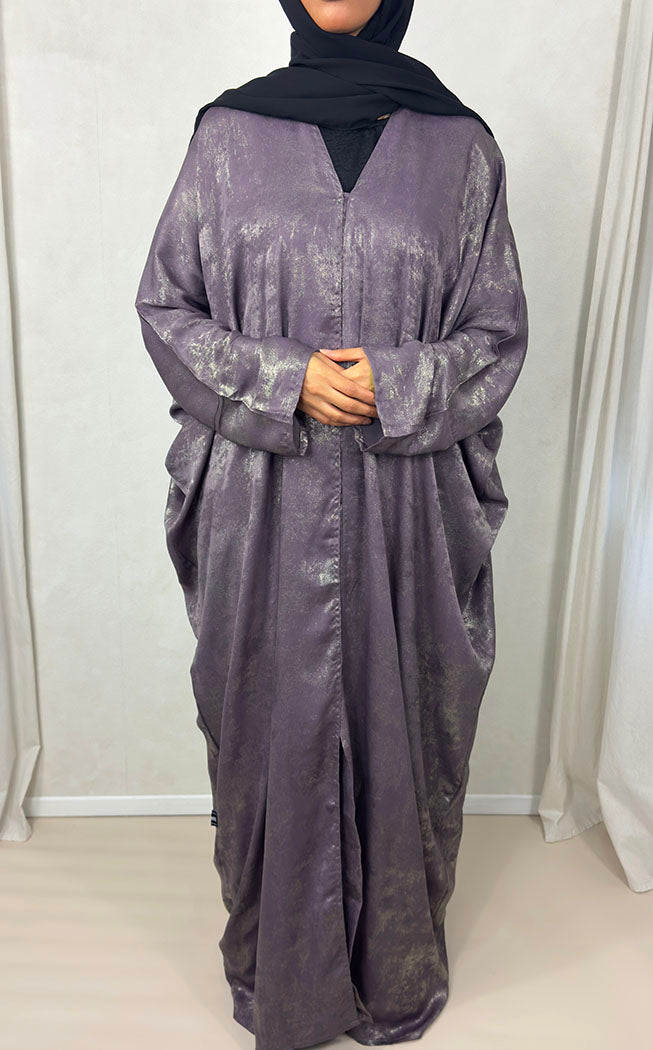
What Does Style Hijab 2020 Mean When You Are Learning Modesty From the Beginning?
Bismillah. When a sister searches for style hijab 2020, she may not only be looking for an old trend or a picture from a certain year. She may be looking for a way to begin. She may be trying to understand what kind of hijab style feels modern but still modest, simple but still beautiful, covered but not overwhelming. She may have seen older hijab inspiration online and wondered whether any of it still makes sense for the woman she is becoming today.
Sometimes learning modesty begins in a quiet place. Not always with a dramatic wardrobe change. Not always with a perfect abaya and scarf collection. Sometimes it begins with one saved photo, one new hijab, one nervous masjid visit, one moment in front of the mirror asking, “Can I do this? Can I still feel like myself? Will people notice? Will I know how to style it? Will I feel covered enough outside?”
That is why this guide is not written like a trend report. Trends come and go. A sister’s modesty journey is more personal than that. A hijab style that was popular in 2020 may still teach useful lessons if we look at it carefully: soft drape, simple colour, everyday comfort, scarf width, undercap support, abaya balance and coverage confidence. But not every trend deserves to be copied. Some styles may have looked beautiful online while leaving a sister unsure in real life. Some worked for photos but not for prayer. Some were neat but too tight. Some were easy but needed more upper coverage. The goal is not to copy a year. The goal is to understand what serves your modesty now.
Dear sister, whether you are a revert, a beginner, a student, a mother, a working woman or a sister returning to hijab after time away, you do not need to master every style at once. You need a few honest principles. You need to know what fabric helps you, what coverage helps your heart settle, what colours you will actually wear, what style stays secure through daily life and what outfit makes prayer easier. Once you learn those things, hijab styling becomes less frightening.
So let us take the phrase style hijab 2020 and turn it into something useful, gentle and timeless. Let us talk about how to learn from past styles without being trapped by trends, how to build a modest scarf routine, how to choose beginner-friendly fabrics, how to style with abayas and khimars, and how to keep your heart present while your wardrobe slowly changes.
Why does style hijab 2020 still appear in searches?
Style hijab 2020 still appears in searches because many sisters use older search phrases when they are trying to find visual inspiration. A style may have been saved years ago, shared in tutorials, used in modest fashion posts or remembered as a clean, modern look. Search engines keep these phrases alive because people keep returning to them. But a sister searching today may not care about the year itself. She may care about the feeling behind the style.
In 2020, many women were looking for practical, everyday hijab styles. Life changed for many families. Home routines, online work, quieter gatherings and practical dressing became more common. Many hijab looks became softer, simpler and easier to repeat. Sisters wanted scarves that could be worn at home, on video calls, for quick errands, for prayer and for daily comfort. That practical spirit is still useful.
But a style from a year can become confusing if it is copied without thought. What looked modern in one season may not meet your current modesty needs. A tucked style may look clean but need a high neckline. A turban-inspired look may feel neat but may not give the coverage you want outside. A loose chiffon drape may look beautiful but slip if you do not use an undercap. A layered look may be elegant but too warm for daily wear. The year does not decide what is right. Your purpose does.
Older hijab inspiration can still be helpful when you use it as a starting point rather than a rule. You can ask: what do I like about this style? Is it the colour? The softness? The neat face frame? The low-maintenance wrap? The way it works with an abaya? Once you identify the useful detail, you can adapt it to your own modesty standard and routine.
This is especially important for beginners. A new sister may search old phrases because she does not yet know the right words. She may type style hijab 2020 when she really means “easy hijab style for daily life” or “modern modest hijab that does not feel too hard.” That is completely normal. Search terms are often messy because the heart is still learning what it needs.
The best way forward is to take what is beneficial and leave what does not serve you. Modesty is not about being stuck in one trend year. It is about learning how to cover with sincerity in the life Allah has placed you in today.

How can you learn from a trend without copying it blindly?
You can learn from a trend without copying it blindly by separating the useful principle from the exact look. A trend might show you a colour palette, a neat wrap, a fabric choice or an outfit balance. But it does not know your life. It does not know your prayer routine, your climate, your work, your family, your comfort level, your height, your face shape or your modesty standard. That is why every trend needs to be filtered with wisdom.
Start by naming what attracted you. Did you like the simplicity of the style? The way the scarf framed the face? The calm neutral colour? The fact that it looked easy? The way it sat with an abaya? The way it felt young and modern? Once you name the attraction, you can keep that part while adjusting what needs more coverage or comfort.
For example, if you like a tucked hijab style because it looks neat, you can still make it more modest by pairing it with a high-neck inner, a looser abaya, a khimar layer or a scarf with more front drape. If you like a turban-inspired style because it feels practical, you may choose to wear it at home, under a khimar or with a neck cover rather than treating it as your full outdoor hijab. If you like a chiffon look but find it slippery, use an undercap or choose a textured fabric instead.
Do not let a trend make you feel behind. Some sisters discover hijab through older images, some through current videos, some through family, some through masjid friends and some through trial and error. Your beginning does not need to look current to be sincere. A simple, covered style chosen with a calm heart can be more valuable than a fashionable wrap that makes you feel unsure all day.
Also remember that modest fashion content is often designed to be visually appealing. It may not show the full movement of the garment. It may not show prayer. It may not show wind, rain, children pulling fabric, long work shifts or wudu. You are allowed to ask more practical questions than the picture answers.
| Trend detail | What to keep | What to adjust |
|---|---|---|
| Tucked scarf | Neatness | Add neck and upper coverage if needed |
| Chiffon drape | Soft elegance | Use grip support for daily wear |
| Neutral palette | Easy matching | Choose shades that suit your wardrobe |
| Minimal wrap | Comfort | Check coverage through movement |
| Layered look | Fullness and polish | Avoid too much warmth or bulk |
A trend is only useful when it becomes a tool, not a pressure. Let it inspire you, but do not let it lead your intention.
What should a beginner focus on first?
A beginner should focus on comfort, coverage and repeatability before chasing variety. When you are learning hijab from the beginning, too many options can make everything harder. Every fabric behaves differently. Every wrap feels different. Every undercap changes the face frame. Every colour affects the outfit. If you try to learn all of it at once, you may feel overwhelmed before the habit has had time to settle.
Start with one or two simple scarf styles. A basic under-chin wrap, a side drape, a large square scarf or a khimar can be enough. Repeating one style is not failure. It is how your hands learn. The first goal is not to look different every day. The first goal is to leave the house feeling covered, secure and calm.
Choose easy fabrics. Jersey can be helpful because it grips and stays in place. Crinkle scarves can be forgiving because they have texture and hide creases. Chiffon is beautiful but may need an undercap and more careful securing. If you are a beginner, do not start with the fabric that makes you anxious. Start with the fabric that makes consistency easier.
Choose colours that reduce stress. Black, navy, taupe, mocha, grey, cream and olive can pair with many outfits. A soft rose or mauve can add gentleness if you like feminine tones. You do not need every colour. A small reliable palette helps you get dressed without panic.
Think about your outfit as a whole. A scarf alone cannot solve every coverage issue. If your top or dress feels too shaped, add an abaya, long cardigan, jilbab or khimar. If your neckline makes you worry, choose a higher inner layer or fuller scarf. If your scarf is short, pair it with clothing that already gives upper coverage. Beginners often feel they are failing at hijab when the real issue is that the outfit is not working together.
Most importantly, build one ready outfit. A simple abaya, a comfortable hijab, an undercap if needed and shoes that feel practical. Keep it ready for nervous days. When your heart is tired, you should not have to invent modesty from scratch.
Learning modesty from the beginning is not about becoming perfect quickly. It is about making the next good step easy enough to repeat.
Which fabrics make hijab easier when modesty is new?
Fabric can make hijab feel gentle or difficult, especially when modesty is new. A sister may think she is bad at styling, but the scarf may simply be the wrong fabric for her stage. The right fabric gives her more patience because it stays where she places it, feels comfortable on the skin and supports the level of coverage she wants.
Jersey is often one of the easiest beginner fabrics. It stretches, grips and usually needs less adjustment. It can be helpful for work, school, errands, travel and long days. A jersey scarf can create a simple daily wrap without sliding. But choose a lighter or medium-weight jersey if you do not want too much warmth around the neck.
Crinkle fabric is forgiving. It has texture, so it grips better than smooth fabrics. It also hides creases, which matters on busy mornings. Crinkle can feel relaxed and practical, especially for sisters who do not want to iron every scarf. Check that it is opaque enough and wide enough for your coverage needs.
Chiffon is elegant and loved by many sisters, but it can be more demanding. It often needs an undercap because it may slide. It can create beautiful soft drape with abayas and dresses, but it may frustrate a beginner if worn without the right support. Chiffon is not wrong for beginners, but it is better when a sister understands that it needs a little structure.
Modal can feel soft and premium, but it varies. Some modal scarves grip enough, while others move easily. If you love a smooth modern look, modal may be worth trying after you have one reliable everyday scarf already. Do not make your first hijab experience depend on a fabric that keeps sliding.
Instant hijabs and khimars can be wonderful for beginners because they reduce styling decisions. A khimar especially can give upper-body coverage without complicated wrapping. For reverts and sisters attending the masjid for the first time, a khimar can feel like a mercy because it removes so much worry.
| Fabric or style | Why it helps beginners | What to check |
|---|---|---|
| Jersey | Grips and stays secure | Weight and warmth |
| Crinkle | Forgiving and textured | Opacity and width |
| Chiffon | Elegant and soft | Needs undercap support |
| Modal | Smooth and gentle | May slide depending on weave |
| Khimar | Ready fuller coverage | Length and face comfort |
The best fabric for a beginner is not the most fashionable one. It is the one that makes her feel able to continue tomorrow.

How do you choose coverage without feeling overwhelmed?
Choosing coverage can feel overwhelming because sisters often hear many opinions at once. One person says a small scarf is fine. Another says you need a khimar. One tutorial shows a tucked wrap. Another shows a full drape. A new sister may feel pulled between wanting to do things properly and wanting to breathe through the transition. This is where gentle honesty helps.
Begin by asking what makes you feel settled outside. Do you keep pulling the scarf forward? Do you feel worried about your neckline? Do you feel calmer when the scarf covers the upper front? Do you prefer a khimar because it removes doubt? Your body language often tells you what your heart needs. If your hands keep adjusting, the style may need more coverage or better security.
Coverage does not have to be solved by scarf alone. It can come from the whole outfit. A closed abaya gives a different foundation than an open abaya. A jilbab gives a different feeling than a maxi dress. A khimar gives upper coverage that a small scarf may not. A high-neck inner can help a tucked scarf feel more secure. Modest dressing is a system, not one piece trying to do everything.
If you are beginning, try three levels. First, a simple scarf with a loose abaya. Second, a wider scarf with front drape. Third, a khimar or longer coverage style. Notice which one helps you leave home with the least anxiety. You may discover that your heart prefers more coverage than you expected. Or you may discover that a secure medium style works well for your routine. Either way, you are learning.
Do not force yourself to jump to the most covered style overnight if it makes you panic. But also do not ignore the desire for more coverage if it keeps returning. Growth can be gradual and sincere. A sister can move from a smaller scarf to a wider scarf, then to a khimar, then to jilbab or abaya layering as her confidence grows.
Practicality matters too. More coverage should not mean constant tripping, overheating or fabric stress. Choose pieces that suit your height, climate and routine. The most sustainable coverage is the coverage you can live in.
When coverage is chosen with mercy and intention, it stops feeling like a burden and starts feeling like protection.
How can style hijab 2020 work with abayas today?
Style hijab 2020 can work with abayas today when you take the useful parts of older styling and pair them with stronger modest foundations. Many older hijab looks focused on neatness, soft colours and simple wraps. Those qualities are still useful. But the abaya you choose changes how the scarf should behave.
With a closed abaya, you may not need a complicated scarf. The abaya already gives body coverage, so the hijab can focus on hair, neck and upper-front comfort. A jersey wrap, soft chiffon drape, crinkle scarf or khimar can all work. If the abaya has a high neckline, a neat style may feel comfortable. If the neckline is lower, choose a wider drape or inner layer.
With an open abaya, the scarf often needs to do more work. Open abayas move, reveal the inner layer and create more styling decisions. If you like a tucked hijab look, make sure the inner garment gives coverage. If you prefer front drape, choose a scarf wide enough to sit calmly over the outfit. A khimar can be a beautiful option with open abayas because it covers the upper body while the abaya adds flow.
With satin or occasion abayas, soft chiffon styles may look elegant. But do not let elegance remove practicality. Make sure the scarf stays secure, especially if you will be greeting people, eating, praying or moving around. Occasionwear still needs comfort.
With everyday abayas, simplicity usually wins. A scarf style that takes one minute and stays all day is more useful than a delicate wrap that needs constant fixing. Jersey, crinkle and khimars can be excellent for daily abaya styling.
Colour pairing matters too. A 2020-inspired neutral scarf may still feel modern with a black, beige, grey or navy abaya. Soft rose, taupe, mocha, olive and cream can refresh older styling without making it loud. If the abaya is detailed, keep the scarf simple. If the abaya is plain, the scarf can bring softness through colour or fabric.
| Abaya type | Hijab style that helps | Why it works |
|---|---|---|
| Closed abaya | Simple wrap or khimar | Balanced and easy |
| Open abaya | Wider drape or khimar | Adds upper coverage |
| Occasion abaya | Soft chiffon style | Elegant and graceful |
| Everyday abaya | Jersey or crinkle | Secure for movement |
| Layered abaya | Neutral scarf | Keeps the outfit calm |
The best abaya and hijab pairing is not the one that copies a year. It is the one that makes you feel covered, comfortable and ready today.
What colours feel timeless instead of trend-led?
Timeless hijab colours are the shades that keep working long after a trend has moved on. Style hijab 2020 may bring up certain palettes, but a sister building her modest wardrobe should focus on colours she can repeat with ease. A timeless colour does not have to be boring. It simply needs to support many outfits and make you feel calm.
Black is the most obvious timeless colour. It is practical, modest, easy to match and often gives strong coverage confidence. A black hijab can work with almost every abaya, especially for sisters who want simplicity. But if black feels too strong near your face, use it as a foundation rather than your only choice.
Navy is soft and deeply useful. It gives seriousness without the sharpness of black. Navy works beautifully with grey, cream, taupe, white, denim tones and muted pinks. For sisters who want a calm everyday alternative, navy is often underrated.
Mocha, taupe and chocolate shades feel warm and graceful. They pair well with beige, cream, black, olive and soft rose. These colours can make modest outfits feel gentle without becoming too bright. They are especially useful for autumn and winter but can work year-round in lighter fabrics.
Cream and ivory bring softness, but they need care. Choose fabric with enough opacity and be prepared for washing. Cream hijabs can brighten dark abayas and soften structured outfits. They can also make a simple look feel more polished.
Olive, sage and muted green are quietly beautiful. They add colour while staying grounded. If you are nervous about colourful hijabs, these shades are a gentle step. They pair well with black, cream, brown and beige.
Rose mauve, dusty pink and muted lilac can feel feminine without being loud. The key is choosing muted versions rather than very bright shades if you want a calm modest wardrobe. A soft rose hijab with a black abaya can feel tender and balanced.
A timeless palette does not trap you. It frees you. When colours work together, you spend less time worrying and more time living.
How do prayer and masjid visits change your hijab choice?
Prayer and masjid visits change your hijab choice because they test whether the style supports worship, not only appearance. A scarf may look neat in the mirror, but salah includes raising the hands, bowing, sujood and sitting. A masjid visit may involve walking, removing shoes, greeting sisters, sitting on the floor, attending a class and praying in a shared space. Your hijab needs to feel steady through all of that.
For prayer, check the hairline and neck first. Does the scarf stay in place when you move? Does the undercap shift? Do you feel the need to keep pulling fabric forward? If yes, choose a more secure fabric, add an undercap, use a wider scarf or wear a khimar. Prayer should not become a constant adjustment session.
Check upper-body coverage. Some hijab styles look neat around the face but do not cover the upper front. If your outfit already gives strong coverage, that may feel fine. If not, choose a larger drape or khimar. Many sisters prefer keeping a prayer khimar nearby because it creates instant calm. This can be especially helpful at work, university or while travelling.
For the masjid, consider emotional comfort too. A sister visiting for the first time may already feel nervous. She may wonder where to enter, where to put her shoes, how to greet people and whether she will be judged. A secure hijab style can reduce one layer of worry. A khimar, larger scarf or full abaya outfit may help her feel more prepared.
Think about wudu. If the scarf is difficult to adjust, you may feel stressed before prayer. If the sleeves of your outfit are hard to raise, wudu becomes harder. Your hijab choice should work with the whole outfit. Modest worship is easier when the clothing is practical.
Do not feel bad about using different styles for different moments. You may wear a simple scarf during errands and add a khimar for salah. You may wear a chiffon style for an event and keep a prayer hijab in your bag. Practical layering is not inconsistency. It is wisdom.
The best prayer-friendly hijab is the one that lets your heart focus after takbir. If the style helps you forget the fabric and remember Allah, it is serving you well.

How can reverts begin without feeling judged?
Reverts can begin without feeling judged by starting with what is sincere, sustainable and clear. The beginning of modesty can feel emotionally heavy for a new Muslim woman. She may be learning faith while also facing family reactions, workplace questions, social changes and her own private fears. Hijab can feel beautiful and frightening at the same time. That does not mean she is weak. It means the step matters.
If you are a revert, begin with one outfit that feels safe. A loose abaya, comfortable hijab scarf, simple undercap and shoes you can walk in. Choose colours that do not make you feel overwhelmed. Black, navy, grey, taupe, mocha and olive are often easier starting points. Add softer colours when you feel ready.
Choose a scarf style that you can repeat. You do not need to know every tutorial. One secure wrap is enough for now. If wrapping feels hard, try a khimar or instant hijab. If you feel exposed in a small scarf, choose a wider one. If you feel too visible in a bold colour, choose neutrals. Your first steps should support your heart, not test it harshly.
When people comment, keep your answer simple. “I feel more comfortable like this.” “I am learning.” “This is something I wanted to try.” You do not owe every person a long explanation. Your modesty journey belongs to Allah before it belongs to anyone’s opinion.
Find gentle support where possible. A kind sister, a masjid class, a modest fashion guide or a simple wardrobe checklist can help. But be careful with voices that make you feel hopeless. Advice should bring clarity, not shame. If you need religious rulings, ask a qualified scholar. For styling, seek practical guidance that respects your pace.
Remember that confidence often comes after action, not before it. You may not feel fully ready the first time you leave home in hijab. You may feel nervous. You may check the mirror too much. You may adjust your scarf often. Over time, the unfamiliar becomes familiar. What once felt like a huge step can become part of your ordinary day.
You are allowed to begin gently. A small sincere step can be the doorway to a steadier life.
What mistakes should you avoid when learning hijab style?
The first mistake is choosing beauty before ease. A beautiful scarf that slips, overheats or needs constant fixing may discourage you. Begin with fabrics and styles that help you continue.
The second mistake is thinking one style suits every setting. Work, prayer, errands, family events and masjid visits may need different levels of coverage or security. This is normal. Build a small set of reliable options.
The third mistake is copying a trend without checking coverage. A style may look modern but leave you uneasy outside. Add layers, choose a different wrap or use a khimar if needed.
The fourth mistake is buying too many colours before knowing what you wear. A large scarf collection can still feel useless if the colours do not match your wardrobe. Start with practical shades.
The fifth mistake is ignoring fabric. If you dislike slippery scarves, do not force yourself to wear them daily. If you get warm easily, do not wrap heavy fabric many times. Fabric should serve your life.
The sixth mistake is wrapping too tightly. A secure hijab should not cause headaches, pressure or discomfort. Comfort helps consistency.
The seventh mistake is forgetting the full outfit. Hijab, abaya, inner layer and shoes work together. If one part feels wrong, the whole outfit may feel uncertain.
The eighth mistake is comparing your beginning to someone else’s years of practice. A sister who styles hijab beautifully may have learned through many awkward attempts. You are allowed that learning stage too.
The ninth mistake is letting comments decide your pace. Listen to sincere advice, but do not let every opinion shake your intention.
The tenth mistake is being harsh with yourself. Modesty is a journey of the heart and the wardrobe. You can improve without speaking to yourself cruelly.
A gentle checklist for learning modest hijab style
Use this checklist when a style inspires you, whether it comes from style hijab 2020 searches, a current video, a saved photo or a sister you admire. Let it help you choose with peace.
- What do I actually like about this style?
- Is it the colour, fabric, drape, neatness or coverage?
- Does it cover what I want covered?
- Would I feel calm wearing it outside?
- Does it work with my abayas or jilbabs?
- Can I pray comfortably in it?
- Do I need a khimar or wider scarf for salah?
- Is the fabric suitable for my day?
- Will it stay secure in wind, work or travel?
- Does the colour match pieces I already own?
- Can I repeat this style on a busy morning?
- Does it make modesty feel easier or more stressful?
- Am I copying it because it helps me, or because I feel pressured?
- What small adjustment would make it more modest and practical?
The best style is not always the most impressive one. It is the one that helps you show up sincerely, covered and steady in the life you actually live.
Frequently asked questions
What does style hijab 2020 mean?
Style hijab 2020 is a search phrase sisters may use when looking for hijab styles inspired by older modest fashion trends. It can still be useful if you adapt the look for your current coverage, comfort and prayer needs.
Is a 2020 hijab style still fashionable?
Some older hijab styles still feel timeless, especially simple wraps, neutral colours and soft drapes. The key is to choose what serves your modesty now rather than copying a trend exactly.
What hijab style is easiest for beginners?
A simple jersey wrap, crinkle scarf, large square scarf, instant hijab or khimar is often easiest for beginners because these options reduce slipping and styling stress.
How do I choose a hijab style for everyday life?
Choose based on fabric comfort, coverage, outfit pairing, prayer needs and how long you will wear it. A repeatable style that stays secure is better than a complicated style that makes you anxious.
Can reverts wear modern hijab styles?
Yes, reverts can wear modern hijab styles when the full outfit feels modest, comfortable and sincere. It is helpful to start with simple styles and grow gradually.
What colours should I choose when starting hijab?
Black, navy, taupe, mocha, grey, cream and olive are useful starting colours because they match many abayas and modest outfits. Add softer colours once you know what you enjoy wearing.
How do I make a hijab style more modest?
You can add a wider scarf, choose a khimar, wear a high-neck inner, use a looser abaya or add more upper-body coverage. Small changes can make a style feel more secure.
Can I pray in everyday hijab styles?
You can pray in an everyday hijab style if it stays secure and gives the coverage you want through prayer movement. Many sisters keep a prayer khimar nearby for extra calm.
People also ask
How do I start wearing hijab without feeling overwhelmed?
Start with one easy fabric, one simple wrap and one modest outfit you can repeat. Build slowly instead of trying to learn every style at once.
Is chiffon hijab good for beginners?
Chiffon can be beautiful, but it may slide without support. Beginners may find jersey, crinkle or instant hijabs easier at first.
What hijab style works with abayas?
Simple wraps, chest drapes, khimars and large square scarves all work well with abayas. The best choice depends on whether the abaya is open, closed, casual or occasionwear.
How do I know if my hijab style gives enough coverage?
Check whether your hair, neck and upper body feel secure when you move, sit, bow and pray. If you keep adjusting, choose a wider scarf, khimar or better layering.
Can I wear the same hijab style every day?
Yes. Repeating a simple, comfortable hijab style can make modesty easier and more consistent. You do not need a new style every day.
How can I make hijab feel like myself?
Choose colours, fabrics and drapes that match your personality while still supporting your modesty. You do not have to lose yourself to dress with more intention.

About Amani’s
Amani’s writes for sisters who want modest clothing to feel sincere, practical and beautiful in real life. We understand that a hijab search can be more than a style search. A sister may be asking how to begin, how to feel covered, how to face comments, how to choose fabric, how to pray comfortably and how to feel like herself while becoming more modest.
Our modest fashion experience comes from listening to real women. Sisters ask about hijabs, khimars, abayas, jilbabs, prayer wear, fabric, colour, sizing, revert wardrobes and online shopping worries. These questions deserve patient answers because they affect confidence, worship and daily peace.
At Amani’s, our guides are written to feel like sisterhood. Not pressure. Not judgement. Just warm, practical support for the woman trying to choose with Allah in mind and mercy toward herself.
With love and du’a,
Amani’s
Sisterhood notes to carry with you
You do not have to copy a trend to begin modesty. You can take what helps and leave what unsettles your heart.
A simple hijab style repeated with sincerity can carry more peace than a complicated look worn with anxiety.
Learning modesty from the beginning is allowed to be gentle. Growth does not have to be rushed to be real.
More than clothing
Amani’s was built with purpose beyond selling garments. We believe modest clothing can be a form of reassurance, welcome and sisterhood. This matters especially for sisters who are new to hijab, returning to modesty or learning how to build a wardrobe that supports faith in ordinary life.
In Ramadan, Amani’s donates abayas to reverts as part of our community work. This matters because a first modest garment can feel like more than fabric. It can feel like being seen, supported and welcomed into the ummah.
Give in a way that continues giving, even when you can’t.
Find your modest wardrobe
Learning from style hijab 2020 begins with a simple truth: trends can inspire, but intention must lead. Choose the fabric that helps you continue, the colour that suits your wardrobe, the drape that gives you confidence and the outfit that helps you pray with calm. You do not need to become someone else to dress modestly. You are allowed to become more yourself, with more peace.
You can explore hijabs for everyday scarf styling, chiffon hijabs for soft drape, jersey hijabs for secure daily wear, premium hijabs for polished outfits, khimars for fuller coverage, abayas for graceful modest dressing, jilbabs for complete coverage and prayer wear for salah-friendly ease.
May your hijab journey feel less frightening and more supported. May every style you choose bring you closer to modesty with calm, confidence and sincerity.