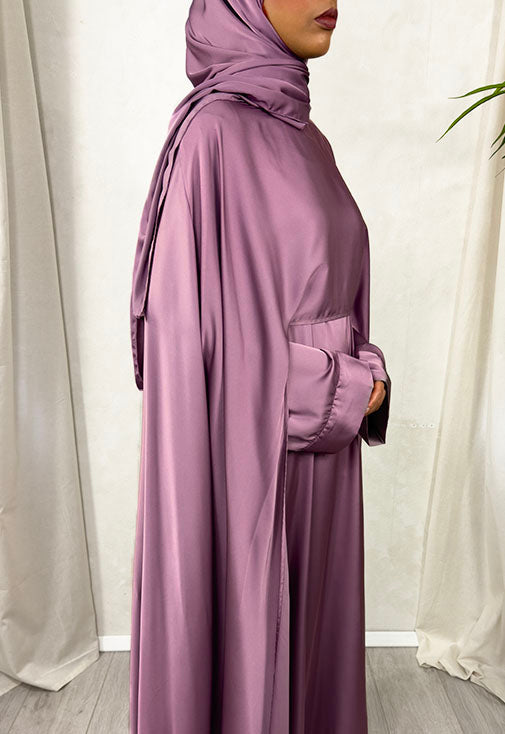
Abaya Butterfly Style: Can Modesty Feel Tender Instead of Heavy?
Bismillah. Let us speak gently about a feeling many sisters understand.
Sometimes modest clothing is described only in practical words: loose, long, covered, opaque, wide, modest. Those words matter. They protect the purpose. But they do not always describe what a sister hopes to feel when she puts the garment on. She may not only want to be covered. She may want to feel calm. She may want to feel soft. She may want to feel feminine without feeling exposed. She may want to feel held by the fabric rather than hidden by it. She may want modesty to feel like mercy, not weight.
That is where abaya butterfly style can speak to the heart. A butterfly style abaya is usually loved for its flowing shape, relaxed drape and gentle movement. It can feel less sharp than structured tailoring and less restrictive than narrow cuts. It can give a sister room to breathe, move, pray and be herself. But like every modest fashion style, it needs an honest conversation. Not every flowing abaya is automatically practical. Not every wide sleeve suits every routine. Not every soft shape gives the coverage a sister needs. Beauty still needs wisdom.
This guide is written for the sister who is drawn to butterfly abayas but feels unsure. Maybe you love the shape but worry it will be too dramatic. Maybe you want fuller coverage but fear looking swallowed by fabric. Maybe you are a new Muslim sister trying to choose your first abaya and you want something soft, not intimidating. Maybe you already wear abayas but want a piece that feels tender for Eid, masjid visits, family gatherings or calm everyday moments. Maybe you are tired of modest fashion making you feel like you must choose between being covered and feeling graceful.
You do not have to choose harshness to be modest. You do not have to choose tightness to feel feminine. You do not have to buy the loudest outfit to feel beautiful. A well chosen butterfly abaya can be gentle, covered, practical and emotionally comforting. But it should be chosen with your body, height, routine, fabric needs and confidence in mind.
Let us slow down and talk about it properly. Not as a trend. Not as a quick product photo. As a real garment for real sisters, with real lives and real hearts.
What is abaya butterfly style?
Abaya butterfly style usually refers to an abaya with a wide, flowing cut that creates a soft wing-like silhouette when the arms move. The garment may have batwing sleeves, a cape-like drape, loose side panels, wide arm openings or a relaxed shape that falls from the shoulders with more movement than a straight cut abaya. In some shops, the words butterfly, batwing, farasha, cape abaya or flowing abaya may overlap. The exact design can vary, so the name alone is not enough. You always need to look at the shape, sleeve style, closure, fabric and length.
The appeal is easy to understand. A butterfly abaya can feel graceful without needing heavy decoration. The movement of the fabric becomes the beauty. When the cut is done well, it can create coverage across the arms, sides and body without clinging. It can feel airy, soft and feminine. For sisters who dislike fitted cuts, it can offer relief. For sisters who want an occasion look without tightness, it can feel like a beautiful middle path.
But the same features that make butterfly abayas beautiful can also create practical questions. Wide sleeves may fall back when reaching. Flowing fabric may feel dramatic in wind. A very wide cut may overwhelm petite sisters if the fabric is heavy. An open cape style may need an underdress. A soft drape may require careful fabric choice so it does not cling. This is why the style deserves honesty, not just praise.
When shopping, ask what kind of butterfly style you are seeing. Is it a closed abaya with batwing sleeves? An open abaya that needs layering? A three piece set with a cape, inner dress and scarf? A satin occasion piece? A daily crepe style? A farasha-inspired cut? Each one serves a different purpose. A sister looking for everyday errands may need something different from a sister choosing an Eid outfit.
At its best, abaya butterfly style gives a sister softness without losing modest purpose. It lets the garment move with the body rather than cling to it. It can feel tender because the fabric has space. It can feel dignified because the coverage is generous. It can feel beautiful because the shape itself is graceful.
Why a butterfly abaya can make modesty feel tender
Some garments feel strict the moment you put them on. They may be modest, but emotionally they feel heavy. The fabric might be stiff, the cut too severe, the colour too harsh for your current confidence, or the shape too formal for your life. A sister can respect modesty deeply and still struggle when the clothing feels like armour every day. Tenderness matters because the heart is part of the journey.
A butterfly abaya can feel tender because it often softens the outline of the outfit. Instead of sharp seams and narrow shaping, the fabric flows. Instead of making the body feel measured, it gives room. Instead of demanding perfect styling, the drape can carry the look. That kind of softness can be comforting, especially for sisters who feel self-conscious about their shape, body changes or visibility in public.
For a revert sister, this softness can be powerful. Wearing an abaya for the first time may already feel like a big public step. A harsh or overly formal garment can make the step feel heavier. A flowing abaya in a calm colour can feel more approachable. It can help her feel covered without feeling like she has become someone she does not recognise. It can say, “You are allowed to grow gently.”
For a sister returning to modesty after years of uncertainty, a butterfly style can also feel merciful. It may offer coverage without the emotional tightness of feeling watched. The fabric moves, but it does not expose. It gives presence, but not pressure. It can feel feminine in a way that does not rely on showing the body.

A soft shade like heather mauve can add to that feeling of tenderness. It is not as strong as black and not as bright as a statement colour. It can feel gentle for family gatherings, Eid, dinners or moments when a sister wants her modest outfit to feel warm. But tenderness is not only about colour. It is about whether the garment allows comfort, coverage and ease.
There is nothing weak about wanting softness. Muslim women carry many responsibilities. Many sisters are tired. Many are balancing worship, family, work, study, anxiety, body changes, motherhood, grief, hope and constant expectations. A garment that feels gentle on the body can become a small mercy in a busy life. Modesty does not have to feel like punishment. It can feel like protection with kindness.
Coverage without clinging is the real beauty
The beauty of a butterfly abaya is not only in the way it looks from a distance. It is in the way it can offer coverage without clinging. Many sisters choose loose modest clothing because they do not want fabric outlining the body. A wide, flowing cut can help with this, especially around the arms, waist, hips and sides. But the coverage depends on both cut and fabric. A wide abaya in clingy material can still reveal more than expected. A flowing design in thin fabric may still need layering.
When looking at a butterfly abaya, study how the fabric falls from the shoulders. Does it skim gently, or does it collapse into the body? Does it pull at the bust or hips? Does the front stay closed? If the abaya is open, what underlayer is shown? Does the sleeve shape protect the arms when moving? The answers matter more than a beautiful pose.
Good coverage should work in motion. Raise your arms. Reach forward. Sit down. Walk. If the abaya only looks modest when you stand perfectly still, it may not be practical. Butterfly styles often have generous movement, but that movement must be controlled enough to keep you comfortable. Too much loose fabric in the wrong place can become stressful.
Chest coverage is especially important. Some butterfly abayas have a wide upper shape that naturally drapes over the chest. Others are open-front styles that need a modest inner dress and a longer hijab or khimar. If you are fuller in the bust, choose a design that gives enough front fall. If you prefer extra security, pair the abaya with a khimar or long scarf. Do not rely on the photo alone.
Hips and lower body coverage also matter. A butterfly abaya can be forgiving because the fabric falls away from the body, but check side seams and slits. Some flowing pieces have openings that may reveal the underlayer when walking. That can be fine if the underlayer is modest and planned. It can feel uncomfortable if you were not expecting it.
The real beauty is peace. When a sister knows her garment is not clinging, not pulling and not revealing shape in a way she dislikes, she relaxes. She walks differently. She prays with less worry. She interacts without constantly checking herself. That is modest beauty from the inside out.
Choosing fabric for softness, movement and real life
Fabric decides whether a butterfly abaya feels elegant or exhausting. Because the style uses more fabric than a narrow abaya, the material matters even more. A heavy fabric can make the garment feel dramatic but tiring. A very light fabric can feel airy but may need layers. A slippery fabric can look luxurious but shift throughout the day. A stiff fabric can hold shape but may lose the soft tenderness sisters love about butterfly styles.
For everyday wear, look for fabric that moves without becoming unmanageable. It should have enough weight to drape modestly, but not so much that the sleeves and sides feel heavy. It should not cling to the body. It should not be so transparent that you feel anxious in daylight. It should be easy enough to care for if you plan to wear it often.
For occasion wear, you may choose a fabric with more shine, softness or special finish. Satin touch fabrics, foil detail, cape overlays and smoother drapes can feel beautiful for Eid, weddings or family gatherings. But ask whether you can sit, walk, eat, greet people and pray comfortably in it. Occasion clothing still belongs to real life.

A soft rose or foil detail abaya can look tender and feminine, especially when styled simply. But with open styles, the underlayer becomes part of the modesty. Check whether the inner dress is opaque. Check whether the open front stays comfortable when walking. Check whether the sleeves are practical. A pretty fabric should not make you feel nervous.
Care is another part of fabric choice. If a butterfly abaya is delicate, will you realistically wear it often? If it creases easily, will you have time to steam it? If the fabric shows marks, is it suitable for school runs, cooking or travel? A garment can be beautiful and still not be right for your routine. That is not failure. It is wisdom.
Think about season too. A wide abaya can feel cooling because air moves through it, but only if the fabric breathes. In winter, a flowing style can layer well, but make sure coats fit over the sleeves or drape. If outerwear crushes the shape, the outfit may become awkward. A good fabric choice considers the whole day, not only the mirror.
Will butterfly abaya style suit my body shape and height?
Many sisters ask this quietly because they worry flowing styles may not suit them. A petite sister may fear being swallowed by fabric. A curvier sister may worry the width adds volume. A tall sister may worry the sleeves or length will not cover properly. A sister with broad shoulders may worry the batwing shape will feel too wide. These concerns are normal, but they should be met with kindness, not self-criticism.
Your body is not wrong because a particular garment needs adjustment. Clothing should be chosen for your body, not against it. Butterfly abayas can suit many shapes when the proportions, fabric and length are right. The key is matching the style to your frame and routine.
If you are petite, choose softer fabric and avoid excessive bulk. A very heavy butterfly abaya may overwhelm your frame, especially if it is too long. Look for length guidance and consider a cleaner drape. Pair with simple hijabs rather than heavy layers if you want the outfit to feel balanced. A slightly structured shoulder or smoother sleeve can help the garment feel intentional rather than too large.
If you are curvier, the flowing shape can be beautiful because it does not cling. Look for enough width across the bust, hips and arms. Avoid thin clingy fabrics that collapse into the body. A longer front drape, cape layer or khimar pairing can offer extra comfort. Darker or deeper colours may feel grounding, while soft neutrals can work if the fabric and underlayers are right.
If you are tall, check the length carefully. A butterfly abaya may look full on the model but sit shorter on you. Sleeve length matters too, especially with wide cuts. When you lift your arms, do the sleeves expose more than you want? Does the hem still feel modest with your shoes? Tall sisters deserve real coverage, not a guess.
If you have broad shoulders or prefer less volume, choose a butterfly style with softer drape rather than sharp winged structure. If you love volume, a more dramatic cape or farasha shape may feel beautiful. The choice is personal. Modest clothing should not force every sister into the same silhouette.
| Body or height concern | What to look for | What to avoid |
|---|---|---|
| Petite height | Soft drape, manageable length, simple layers | Very heavy fabric or excessive length |
| Curvier shape | Generous width, non-clingy fabric, longer front coverage | Thin fabric that collapses onto the body |
| Tall height | Clear length and sleeve coverage | One size claims without measurements |
| Broad shoulders | Soft flowing sleeves and balanced drape | Overly stiff wing shapes if they feel too wide |
| New to abayas | Calm colour, easy fabric, simple styling | Very dramatic cuts as a first step if they feel overwhelming |
Do not ask, “Is my body right for this style?” Ask, “Is this version of the style right for my body and life?” That small change protects your confidence.
Is butterfly abaya style better for everyday wear or occasions?
A butterfly abaya can work for both everyday wear and occasions, but not every butterfly abaya is suited to both. The difference usually comes down to fabric, detail, colour, sleeve practicality and how much styling is required. A simple flowing abaya in an easy fabric can become an everyday favourite. A satin cape or foil detail piece may feel more suited to gatherings, Eid or weddings. The name does not decide the purpose. The design does.
For everyday wear, choose comfort first. The sleeves should not make normal tasks difficult. The length should be safe. The fabric should be washable enough for your lifestyle. The colour should be repeatable. The abaya should not require a complicated underlayer every time unless you are happy with that. If it takes too much effort, you may stop reaching for it.
For occasions, you can allow more softness, shine or drama. A butterfly silhouette can be beautiful for Eid because it feels graceful without needing tightness. It can also be lovely for family gatherings because it photographs well while still offering coverage. But even for special days, check prayer movement. Many occasions include salah, masjid visits or long hours, and comfort still matters.

A nude cape abaya set can feel occasion ready because the coordinated pieces create a complete look. It may be perfect for sisters who want softness without building an outfit from many separate items. But if you want daily wear, ask whether the shade, fabric and styling work for repeated use. A piece can be beautiful and still have a specific role.
One helpful approach is to decide the role before buying. Is this your everyday butterfly abaya, your Eid butterfly abaya, your masjid visit abaya, your family gathering abaya, or your confidence piece for days when you need softness? When a garment has a clear role, you are less likely to feel disappointed. You know what it is for.
Some sisters prefer one versatile piece that can move between daily and occasion wear. If that is your goal, choose a calm colour, moderate fabric and simple detailing. Then change the styling. Trainers and a plain hijab can make it casual. Flats, a softer scarf and a neat bag can make it dressier. Versatility comes from balance.
How to style a butterfly abaya without losing the purpose
Styling a butterfly abaya should not fight the modest purpose of the garment. Because the silhouette already has movement, you often need less styling than you think. The most elegant butterfly abaya outfits are usually calm. The fabric is allowed to flow. The hijab is neat. The shoes support the length. The bag does not disturb the drape. The overall look feels complete without shouting.
Start with the hijab or khimar. If the abaya has a wide upper shape, a simple hijab can keep the outfit balanced. If the neckline or chest coverage needs more support, choose a longer scarf or khimar. Avoid scarf styles that create too much bulk around the shoulders if the abaya already has volume, unless you love that look and it feels comfortable.
Then consider shoes. A flowing abaya needs the right hem balance. If the garment is long, flat shoes may cause dragging. If the garment sits slightly higher, boots or covered shoes may help you feel more modest. Trainers can make a soft butterfly abaya feel practical for errands. Simple flats can make it suitable for visits. Occasion shoes should be comfortable enough for walking and prayer spaces.
Bags need thought. Crossbody bags can pull fabric across the chest and disrupt the flow. A shoulder bag, small handbag or clutch may sit better depending on the event. For everyday wear, a tote can work, but test whether it catches the sleeve. Styling should not create new problems.
Jewellery, if worn, should be simple. A butterfly abaya already carries visual softness. Heavy accessories can make the outfit feel crowded. If your abaya has shine, embroidery or foil detail, let that be the special element. If the abaya is plain, texture can come from the scarf or bag.
The key is restraint. A modest outfit does not need to be empty, but it does need intention. Ask what the outfit is saying. Does it feel covered, calm and graceful? Or does every element compete? When the abaya already has a beautiful silhouette, supporting pieces should help, not overpower.
Modesty that does not feel heavy emotionally
There is physical heaviness and emotional heaviness. Physical heaviness comes from thick fabric, too many layers, long hems or bulky sleeves. Emotional heaviness comes from pressure, comparison, fear of judgement, feeling unlike yourself, or thinking modesty means you must disappear. A butterfly abaya can help with both, but only if chosen carefully.
Physically, the right butterfly abaya gives room without unnecessary weight. It lets air move. It does not cling. It does not force the body into a narrow shape. But if the fabric is too heavy or the length too much, it can become tiring. So tenderness requires practical checks.
Emotionally, the right butterfly abaya can help a sister feel modest without feeling harsh. The soft movement can make coverage feel less intimidating. A gentle colour can make the step feel easier. A flowing shape can help sisters who feel self-conscious about body changes. The garment can become a comfort rather than a costume.
For sisters who are new to visible modesty, this matters. You may already feel nervous about being looked at differently. You may worry that people will think you have changed too much. You may fear that wearing an abaya means everyone expects perfection from you. A softer style can remind you that modesty is a journey. You are allowed to take steps that feel steady.
For sisters who have worn modest clothing for years, tenderness still matters. Sometimes we become used to discomfort and call it normal. We keep wearing pieces that make us feel restricted, overheated or unlike ourselves. A beautiful modest wardrobe should not ignore the heart. If a flowing abaya helps you feel more at ease, that is meaningful.
Modesty is not meant to crush the spirit. It is meant to honour the body, protect dignity and help a believer move through the world with consciousness of Allah. Clothing alone does not create taqwa, but clothing can support intention. When a garment helps you feel peaceful and covered, it can become part of a gentler daily rhythm.
Mistakes sisters make when buying butterfly abayas
The first mistake is buying only because the silhouette looks beautiful in motion. Videos can be tempting. A flowing sleeve, a turning shot, a soft fabric catching light. It can feel magical. But ask what happens after the video. Can you walk normally? Can you sit? Can you pray? Can you manage the sleeves? Is the fabric opaque? Beauty in motion should still work in real life.
The second mistake is ignoring the underlayer. Many butterfly or cape abayas are open or semi-open. If the inner dress is not included, you must plan one. If the inner dress is thin, you may need another layer. If the colours do not match, the outfit may feel unfinished. Always check what is included before buying.
The third mistake is choosing too much volume as a first abaya. If you are new to abayas, a very dramatic butterfly cut may feel overwhelming. You may prefer a softer, moderate flow first. There is no shame in building confidence gradually. You can always explore more dramatic styles later.
The fourth mistake is choosing a delicate fabric for a rough routine. If you have young children, commute daily, walk in rain or need frequent washing, very delicate fabrics may frustrate you. Choose fabric according to use. An occasion piece can be delicate. An everyday piece needs resilience.
The fifth mistake is buying a colour that does not fit your wardrobe. Butterfly abayas use a lot of visible fabric, so the colour has strong impact. If the shade is hard to match, you may avoid wearing it. Choose colours that work with your hijabs, shoes and bags.
The sixth mistake is thinking softness means lack of seriousness. A tender modest outfit can still be sincere. A flowing abaya can still be dignified. A feminine colour can still be modest when the coverage and intention are right. Do not let harsh opinions make you fear beauty.
The seventh mistake is keeping a style that does not work because you feel guilty. If the length, fabric or fit is wrong and you can return it, return it. If not, consider gifting it to someone it may suit. One wrong butterfly abaya does not mean the style is wrong for you. It means that version was not right.
A gentle note for revert sisters and new modest dressers
If you are a revert sister, choosing an abaya can feel emotional in a way that product pages rarely acknowledge. You may be learning prayer, Arabic words, masjid etiquette, family boundaries and modest clothing all at once. You may feel excited and nervous. You may want to dress in a way that honours your faith, but you may also fear being judged by Muslims and non-Muslims at the same time.
A butterfly abaya may appeal because it feels softer than some other styles. It may look welcoming, feminine and less severe. That can be a beautiful reason to choose it. But choose one that makes your life easier, not harder. Start with manageable fabric, a calm colour and a shape that does not require complicated styling. You do not need the most dramatic abaya to prove sincerity.
Wear it at home first. Pray in it. Walk around. Sit down. Try it with the hijab you plan to wear. Notice how your heart feels. If you feel nervous, that is normal. Confidence often comes after wearing something a few times, not before. You may start with short outings: a masjid class, a visit to a trusted sister, a quiet errand. Let your courage grow gently.
If family members ask questions, you do not need a long explanation. You can say, “I feel comfortable dressing more modestly.” You can say, “This is part of my faith journey.” You can say, “I am taking things step by step.” You are allowed to keep your answer simple.
Most importantly, do not wait until you feel perfect. Wearing abaya does not mean you know everything. It does not mean you never struggle. It does not mean you are claiming to be better than anyone. It may simply mean you are taking a sincere step toward the way you want to live. Allah knows the hidden effort behind that step.
Care, storage and making a flowing abaya last
Because butterfly abayas often use more fabric, caring for them properly matters. A flowing garment can crease, catch, drag or lose its shape if treated carelessly. Good care protects your investment and helps the abaya keep its softness. It also teaches a calmer relationship with clothing: choose well, care well, wear often.
Always read the care label or product guidance. Some fabrics need gentle washing. Some should be hand washed or placed on delicate cycles. Some should be air dried away from strong sunlight. Heat can damage certain fibres, affect shine or cause shrinkage. If the abaya has foil detail, embroidery or delicate finish, extra care is needed.
When washing wide garments, avoid overcrowding the machine. Too much friction can crease or stress the fabric. Use gentle detergent where suitable. Turn darker garments inside out if appropriate. Keep delicate pieces away from zips or rough items that may snag. Air drying often helps preserve drape better than harsh tumble drying.
Storage matters too. Hang flowing abayas if you have space, especially occasion styles. Use a hanger that supports the shoulders. Avoid stuffing them tightly between heavy garments because this can create deep creases. If folding, fold gently along natural lines and avoid crushing delicate sleeves.
For everyday butterfly abayas, keep them accessible. If the garment is buried at the back of the wardrobe, you will not wear it. If it is easy to reach, steamed or folded neatly, and already matched with a hijab in your mind, it becomes part of your routine.
Repeat wear is not a problem. A beautiful abaya is meant to be worn. Change the scarf, shoes or bag to create different looks. Let the garment serve you. There is more barakah in wearing and caring for what you own than constantly chasing the next piece.
Frequently asked questions about abaya butterfly style
What is a butterfly abaya?
A butterfly abaya is usually a loose, flowing abaya with wide sleeves or a wing-like drape. The exact design can vary between shops. Some are closed, some are open, some are cape inspired and some are farasha style. Always check the cut, fabric, length and what pieces are included.
Is butterfly abaya style modest?
It can be modest when the fabric is opaque, the cut is loose, the chest and body coverage feel secure, and the underlayers are planned properly. Like any abaya, modesty depends on the full outfit, not just the name of the style.
Can petite sisters wear butterfly abayas?
Yes, petite sisters can wear butterfly abayas, but length and fabric weight matter. A very long or heavy style may feel overwhelming. Softer fabrics, manageable width and clear length guidance can help the outfit feel balanced.
Are butterfly abayas good for everyday wear?
Some are suitable for everyday wear, especially if the fabric is comfortable, washable and easy to move in. More delicate satin, foil or cape styles may feel better for occasions. Decide based on fabric, sleeve practicality, length and your daily routine.
What should I wear under an open butterfly abaya?
You can wear an underdress, slip dress, long sleeve base, trousers or a modest inner layer depending on the design. The underlayer should be opaque, comfortable and long enough to maintain coverage when the abaya moves.
How do I style a butterfly abaya without looking too dressed up?
Choose a simple hijab, practical shoes and a calm bag. Let the flowing shape be the main feature. For everyday styling, avoid heavy accessories and choose colours that feel natural in your wardrobe.
Is a butterfly abaya suitable for prayer?
It can be, but test it at home. Check whether the sleeves stay covered, the front remains secure, and the lower half allows ruku and sujood comfortably. If it is open or light, wear suitable underlayers before praying outside the home.
Which colour is best for a butterfly abaya?
Black, navy, taupe, warm beige, mauve, sage and brown can all work depending on your wardrobe. Choose a colour you can repeat with hijabs and shoes you already own. The best colour is one that makes you feel calm and covered.
Do butterfly abayas make you look bigger?
A very bulky fabric or overly wide cut can add visual volume, but a well chosen butterfly abaya can drape beautifully without overwhelming the body. Fabric weight, length and styling make a big difference. Choose softness and proportion rather than excessive bulk.
People also ask
What is the difference between a butterfly abaya and a farasha abaya?
The terms can overlap. Farasha means butterfly in Arabic and is often used for wide, flowing abayas with wing-like drape. Some shops use butterfly and farasha for similar styles, while others distinguish them by sleeve shape, cut or detail. Always look at the actual design.
Can a butterfly abaya be worn for Eid?
Yes. Butterfly abayas can be beautiful for Eid because the flowing silhouette feels graceful and feminine while keeping coverage. Choose a fabric and colour that feel special but still comfortable enough for prayer, family visits and long wear.
How do I stop wide sleeves from exposing my arms?
You can wear inner sleeves, choose cuffed designs, or select a butterfly abaya with more controlled sleeve openings. Test arm movement at home before wearing it outside. Sleeve coverage should work when reaching, not only when standing still.
Can I wear a khimar with a butterfly abaya?
Yes. A khimar can add chest coverage and make the outfit feel more secure. Choose a khimar that balances the abaya’s volume. If the abaya is already very wide, a softer or simpler khimar may feel more comfortable.
Are butterfly abayas only for special occasions?
No. Some butterfly abayas are simple enough for daily wear, while others are designed for occasions. The difference depends on fabric, detail, colour and practicality. A plain flowing abaya may be easy for everyday use, while satin or foil styles may feel more formal.
How do I choose a butterfly abaya online?
Check photos from different angles, fabric details, length, sleeve shape, whether it is open or closed, what pieces are included, and whether the colour matches your wardrobe. Imagine walking, sitting and praying in it before buying.
Sisterhood reflections for the sister who wants softness
Sometimes a sister is not searching for more clothes. She is searching for a way to feel safe in her clothes. She wants coverage, but she also wants tenderness. She wants modesty, but she does not want to feel erased. She wants to honour her faith without feeling like every garment must be emotionally heavy.
“The first abaya that made me feel calm was not the fanciest one. It was the one that moved softly and did not make me feel trapped.”
“As a revert, I was scared abayas would feel too serious for me. A soft flowing style helped me take the step without feeling overwhelmed.”
“I realised modesty felt easier when I stopped choosing what looked impressive online and started choosing what felt peaceful on my body.”
If that sounds like you, please know you are not alone. Wanting softness does not make your modesty weaker. Wanting comfort does not make your intention less sincere. Choosing a garment that helps your heart feel steady can be part of dressing with wisdom.
About Amani's
At Amani's, modest fashion is not treated as just clothing. It is part of a sister's journey, her worship, her confidence and her everyday dignity. We create and curate abayas, hijabs, jilbabs, khimars, prayer wear and modest pieces for women who want coverage without losing softness, beauty or ease.
Our experience in modest fashion comes from listening to real sisters. We think about how clothing moves, how it feels during salah, how it supports reverts, how it works for busy routines and how it can help a woman feel gently put together without pressure.
If you are choosing your first flowing abaya, searching for an Eid piece, or looking for modest clothing that feels tender rather than heavy, you are welcome here.
With love and du'a,
Amani's
More than clothing, a community intention
Amani's was built with a purpose beyond fashion. Modest clothing can help a sister feel covered and confident, but the work is also connected to sisterhood, sadaqah jariyah and caring for women who may be at the beginning of their modest dressing journey.
In Ramadan, Amani's donates abayas to reverts as part of our wider intention to support sisters who are beginning or strengthening their journey with modest dress. For us, this is not only about giving fabric. It is about dignity, welcome and reminding a sister that she is not alone.
When you choose Amani's, we want you to feel part of something gentle, sincere and rooted in care. Modest fashion should not make a sister feel pressured. It should help her feel supported.
Where to begin with abaya butterfly style
Begin with the feeling you need and the life you actually live. If you want softness, choose fabric that moves gently. If you want coverage, check opacity, chest drape and sleeves. If you want daily wear, choose easy care and practical length. If you want an occasion piece, let the abaya feel special but still prayer friendly. If you are new to modest clothing, start with a version that feels manageable rather than overwhelming.
If you are ready to explore flowing modest styles, browse the Amani's abaya collection. If you want fuller coverage, look through jilbabs and khimars. If salah comfort is your priority, begin with prayer dresses. If you need simple styling anchors, choose hijabs that support your wardrobe colours.
You do not need modesty to feel heavy. You do not need beauty to feel exposing. You do not need to rush into a style that does not feel like you. A butterfly abaya can be tender, covered and graceful when it is chosen with honesty. Let the garment support your body, your worship, your confidence and the quiet softness Allah has already placed in your heart.