Long Sleeve Maxi Dresses
( 38 Products )
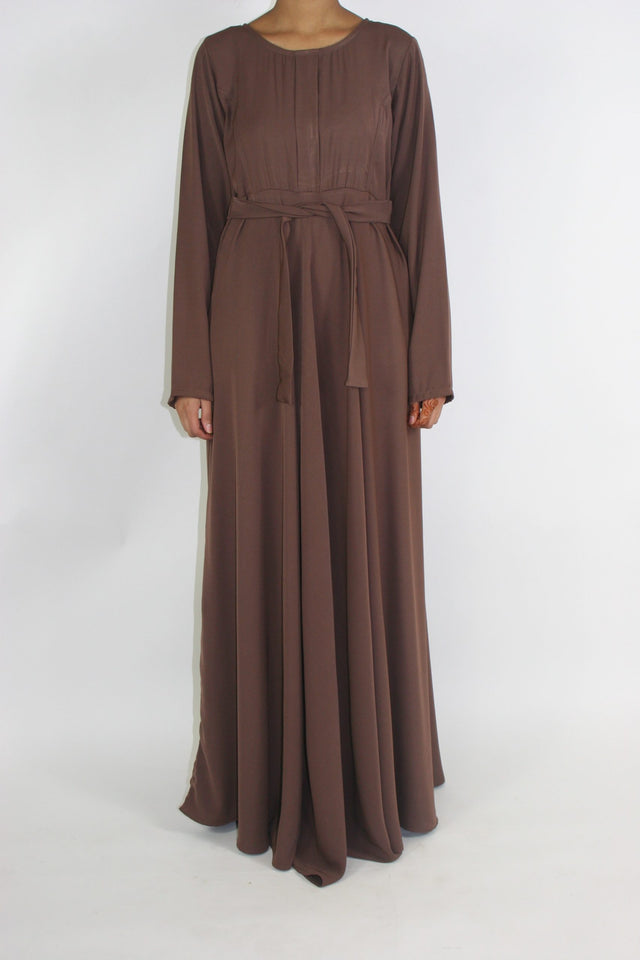
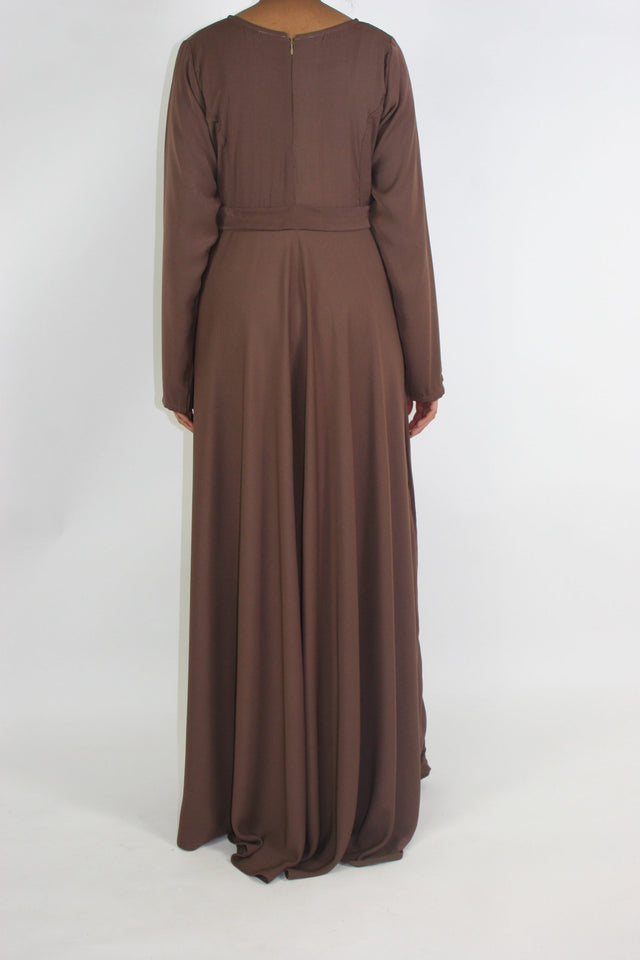
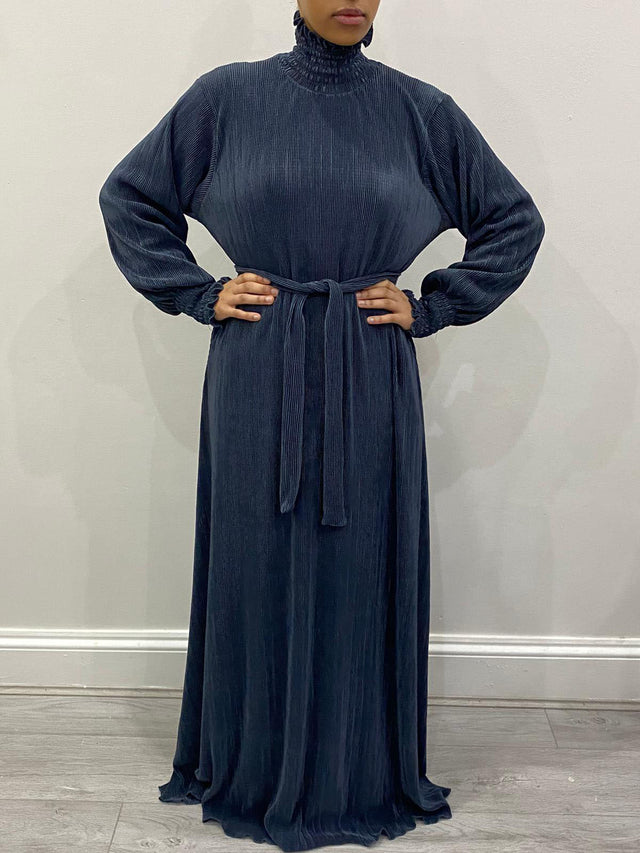
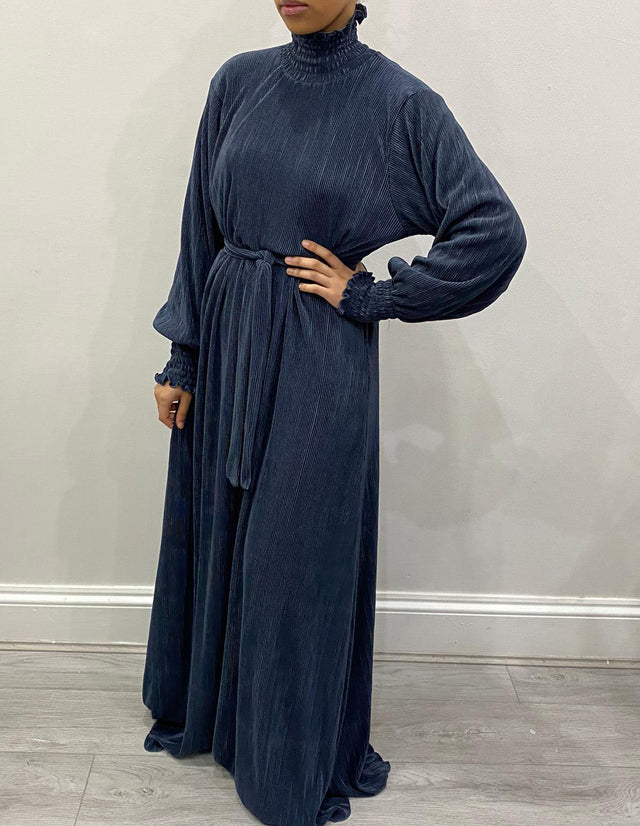
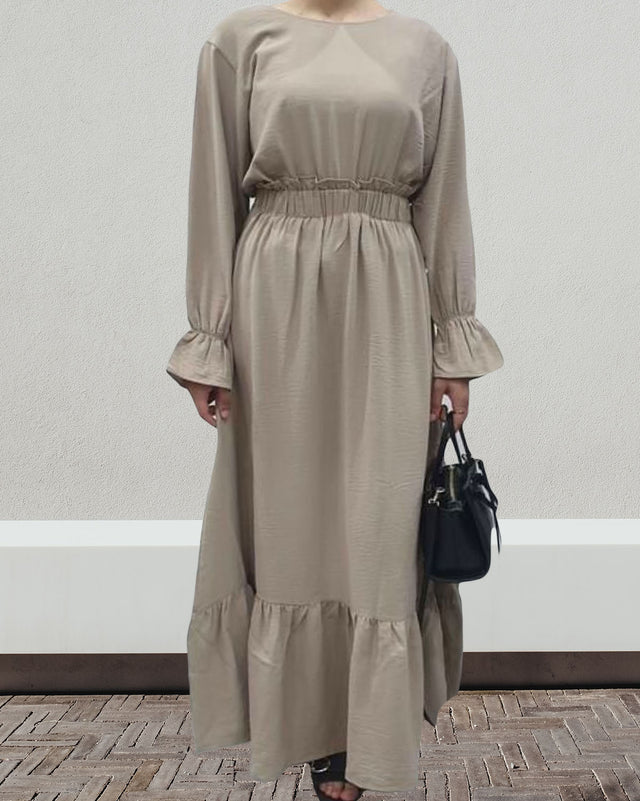
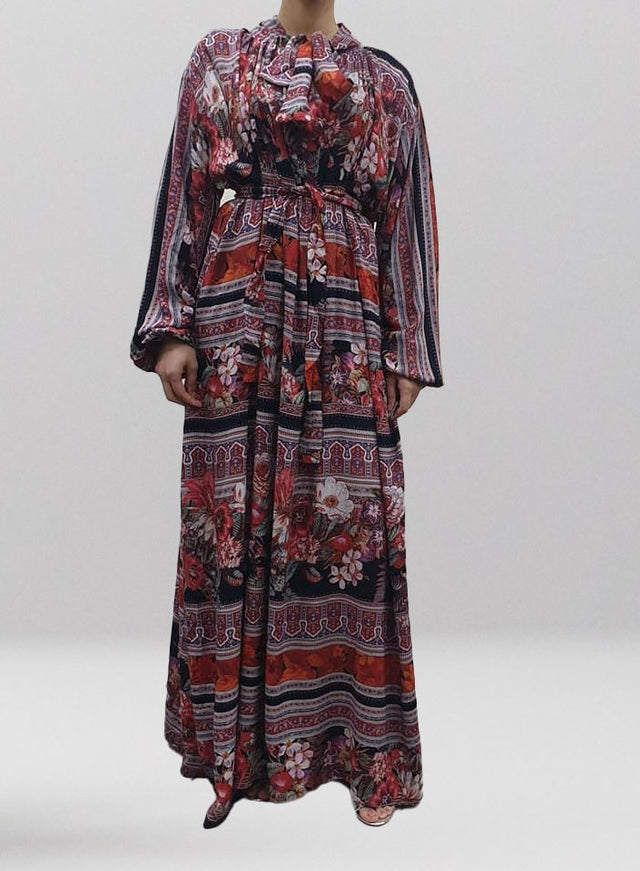
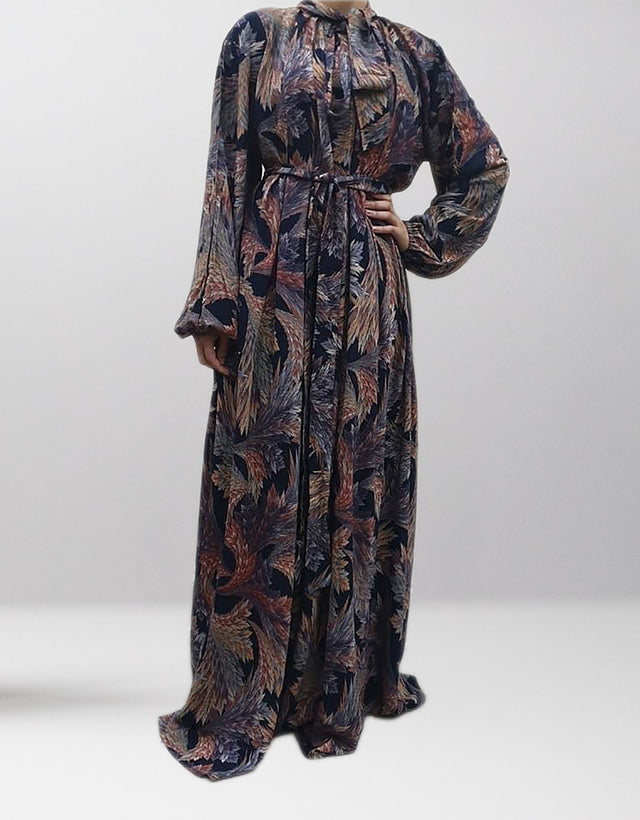
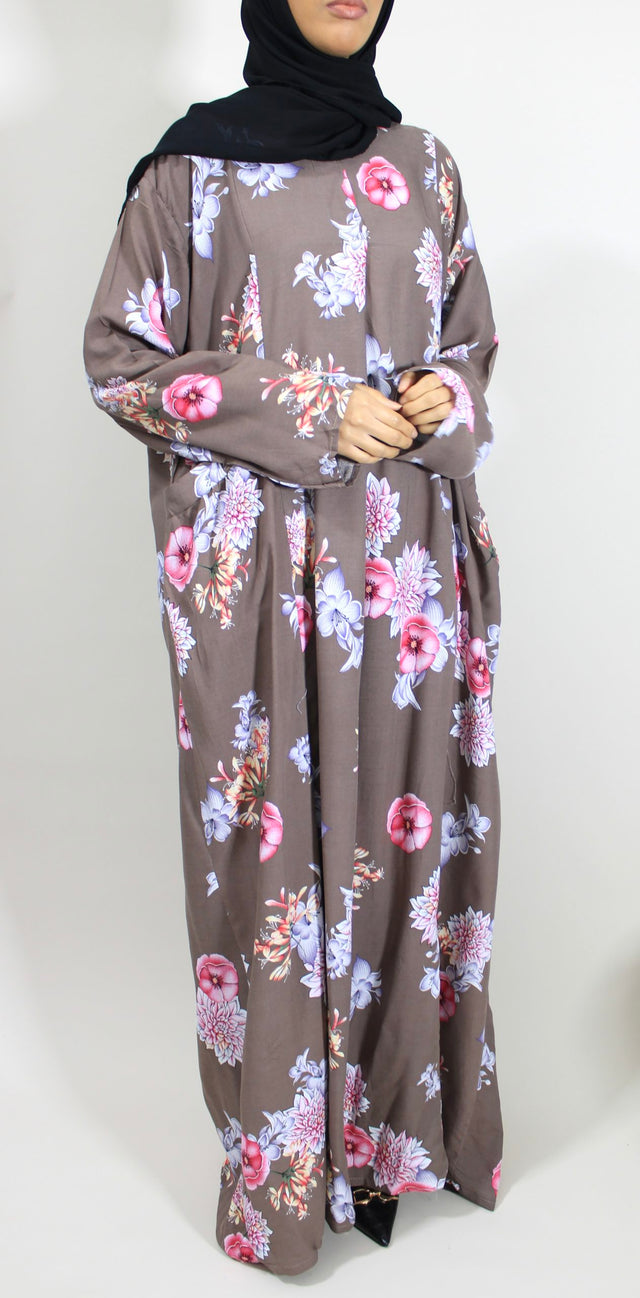
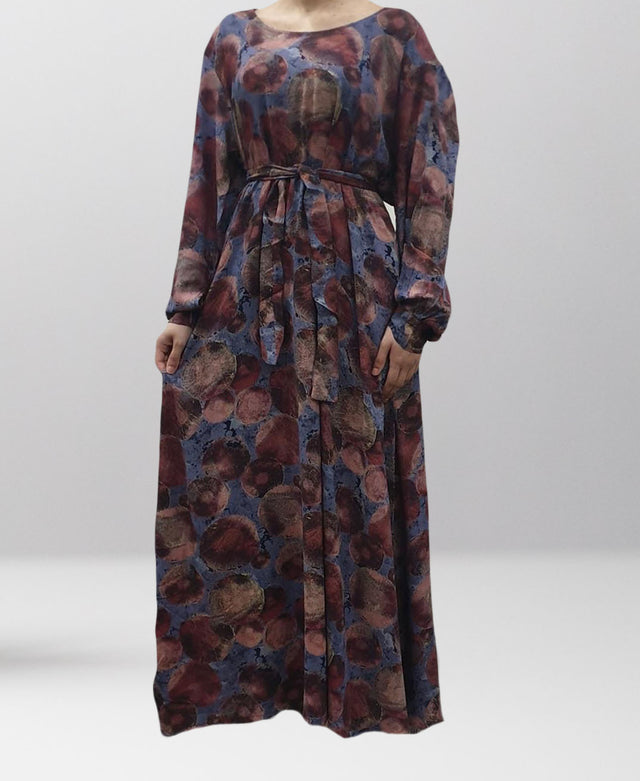
A long dress brings the outfit together in one piece. Coral viscose brings colour to a summer gathering; a brown A-line silhouette draws its shape from chest pleats and a tied waist; slate grey satin catches the light through all-over pleats. Our long sleeve maxi dresses bring these details together, from pocketed shirt styles to dresses with a more dressed-up finish.
Warm taupe and mink lend themselves to tonal scarves and simple shoes, while black makes room for a brighter accessory or an open outer. For dinners, visiting and the occasions already in your diary, there is a silhouette to make your own. Our kimono jackets offer another layer of colour and pattern.
Other filter counts do not include your size selection.
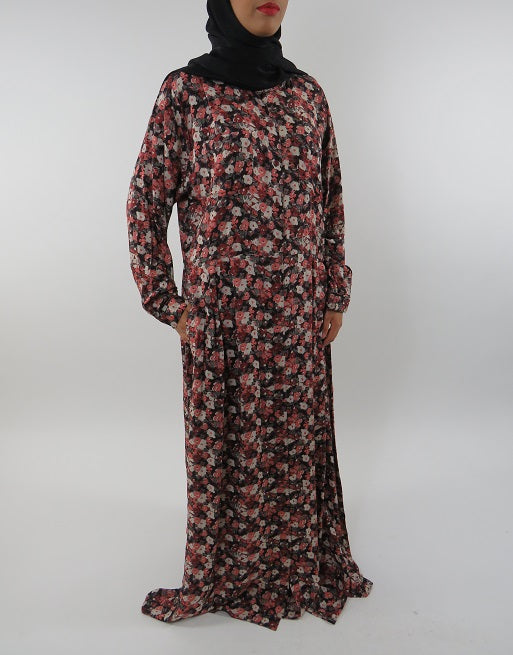
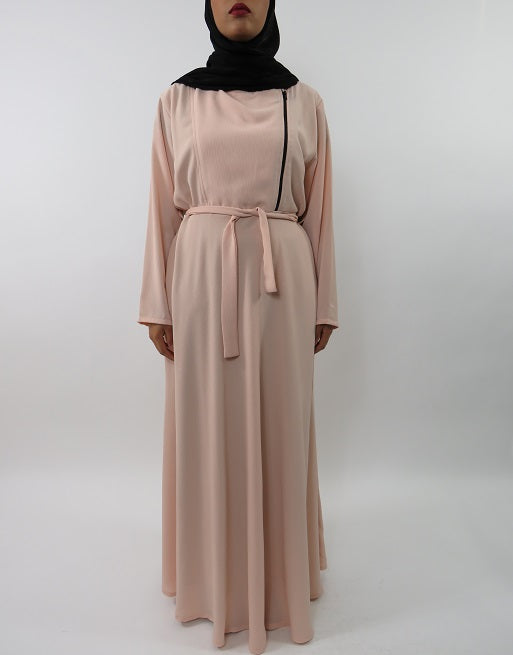
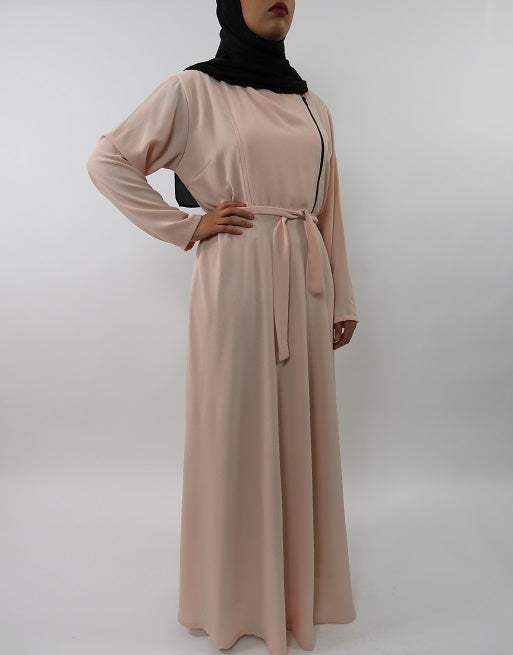
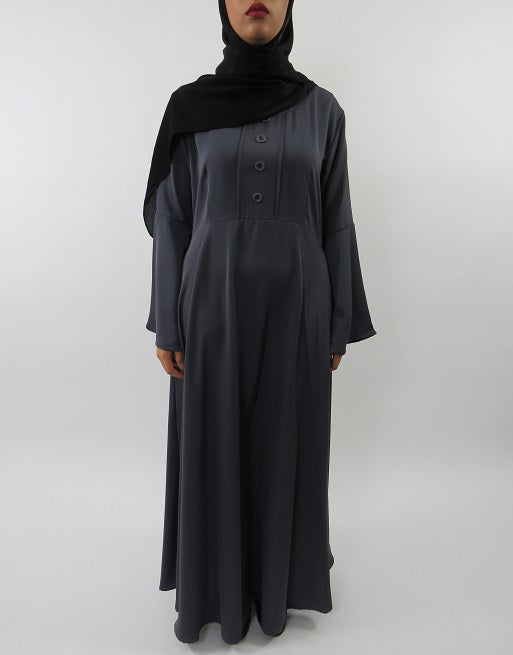
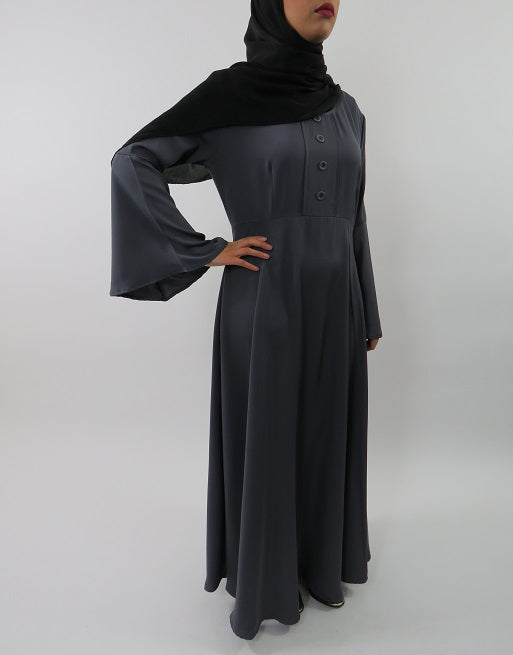
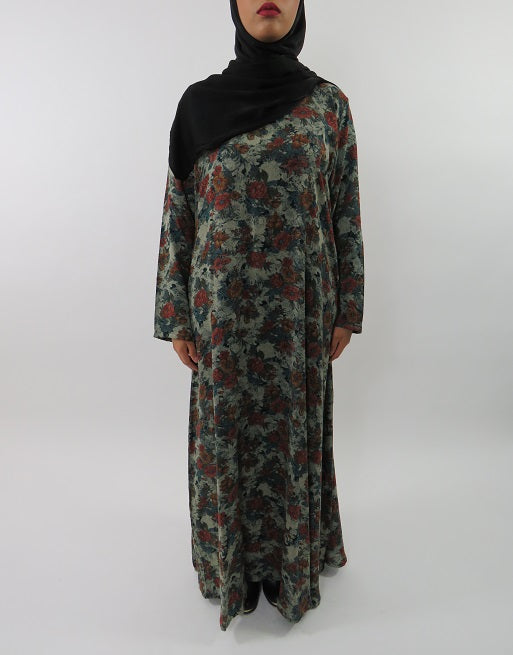
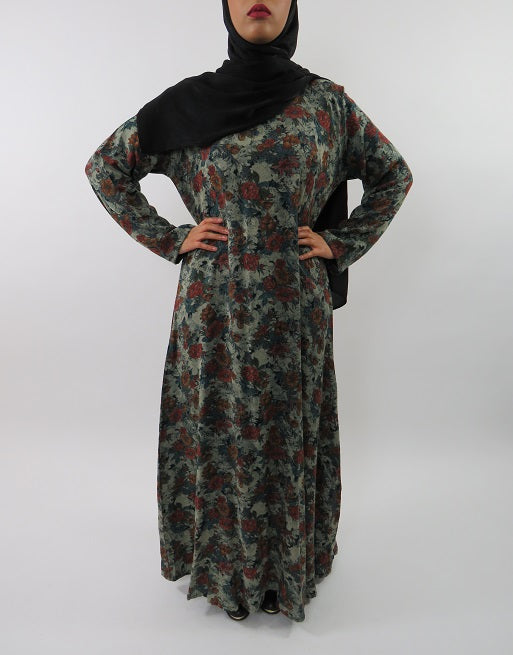
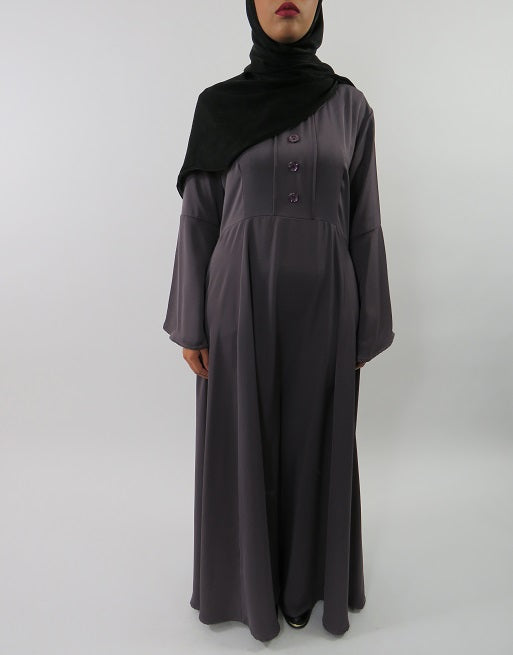
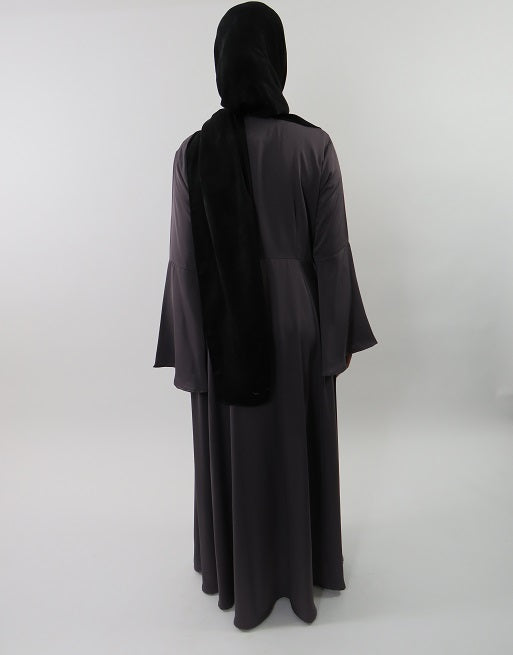
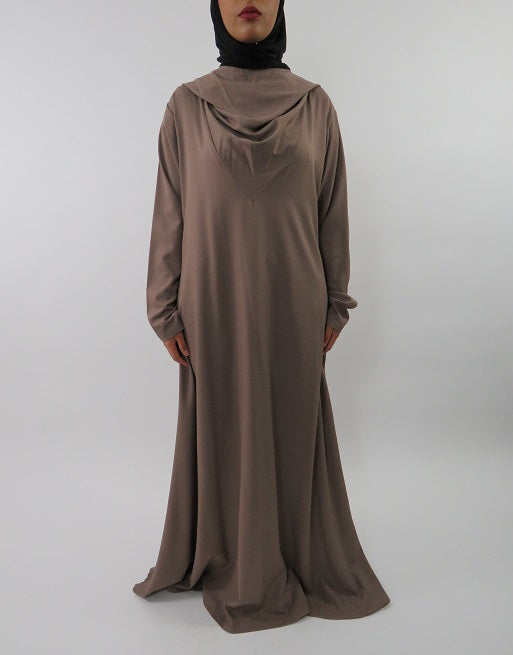
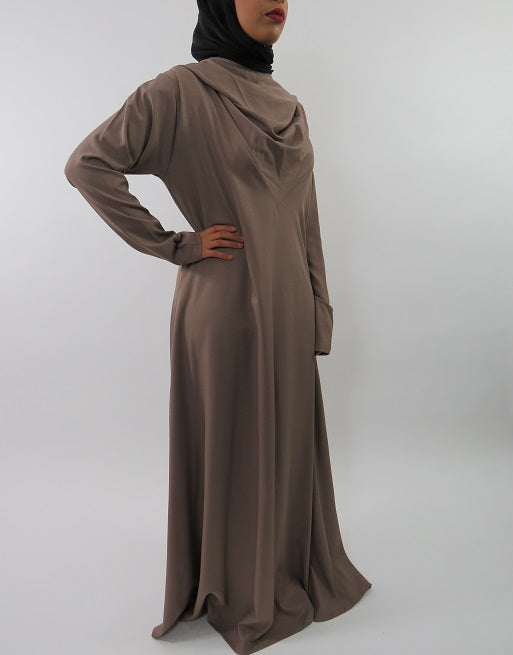
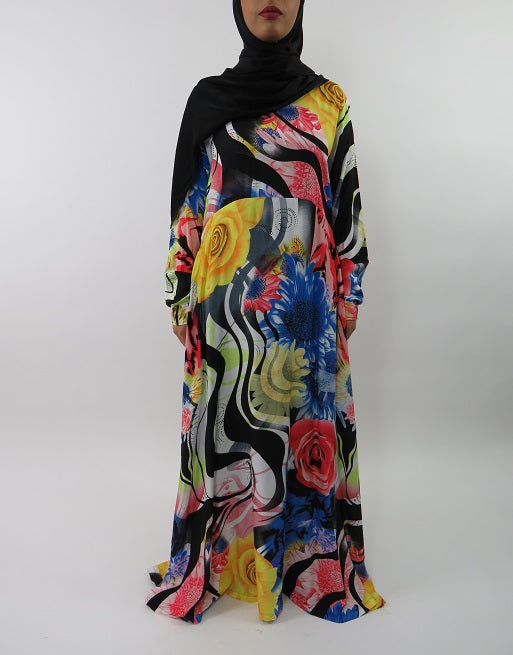
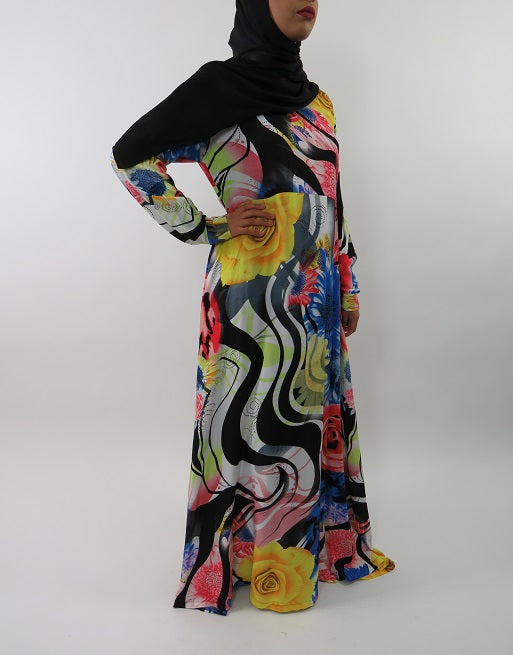
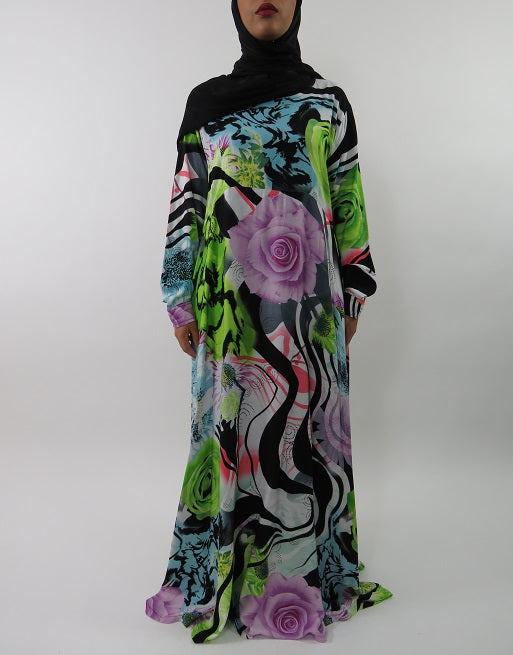
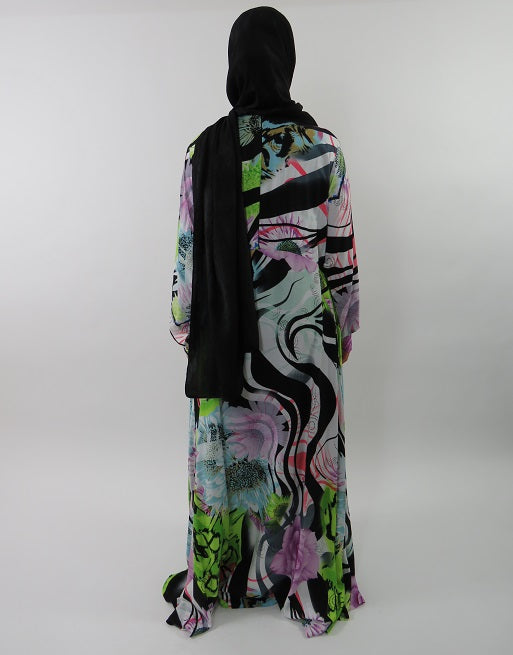
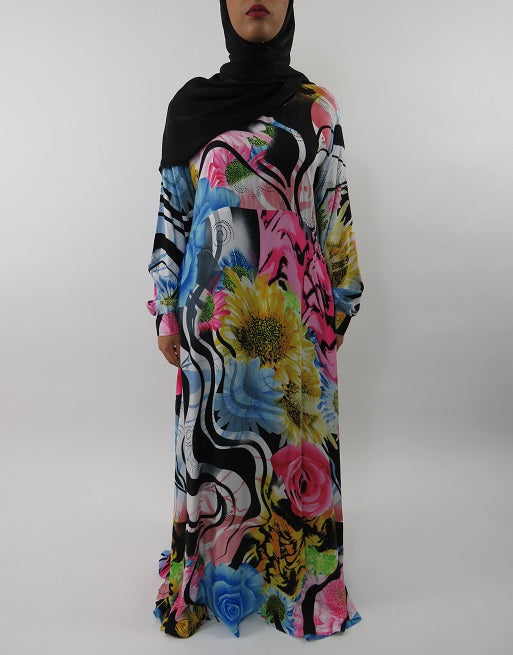
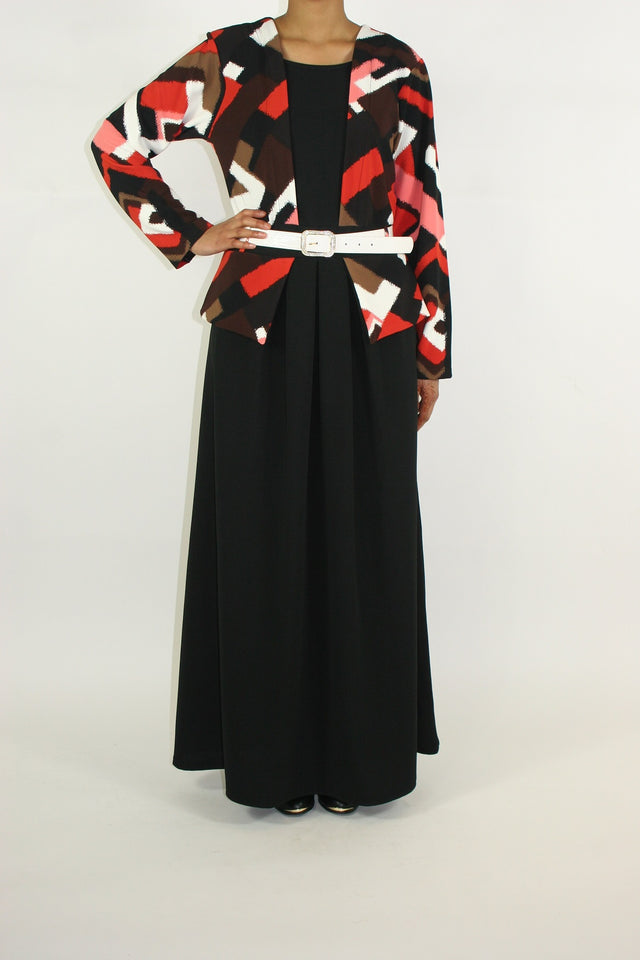
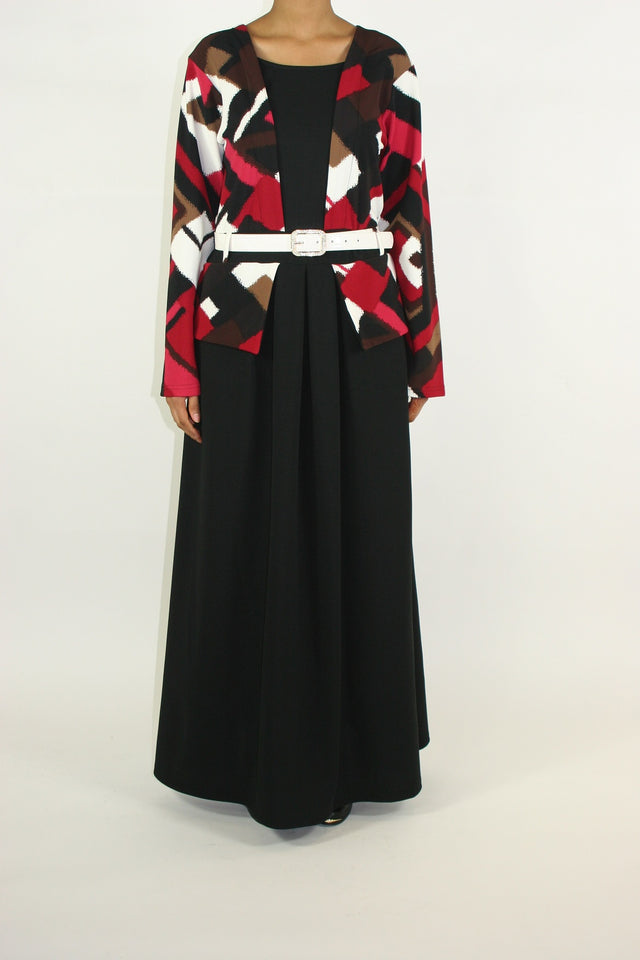
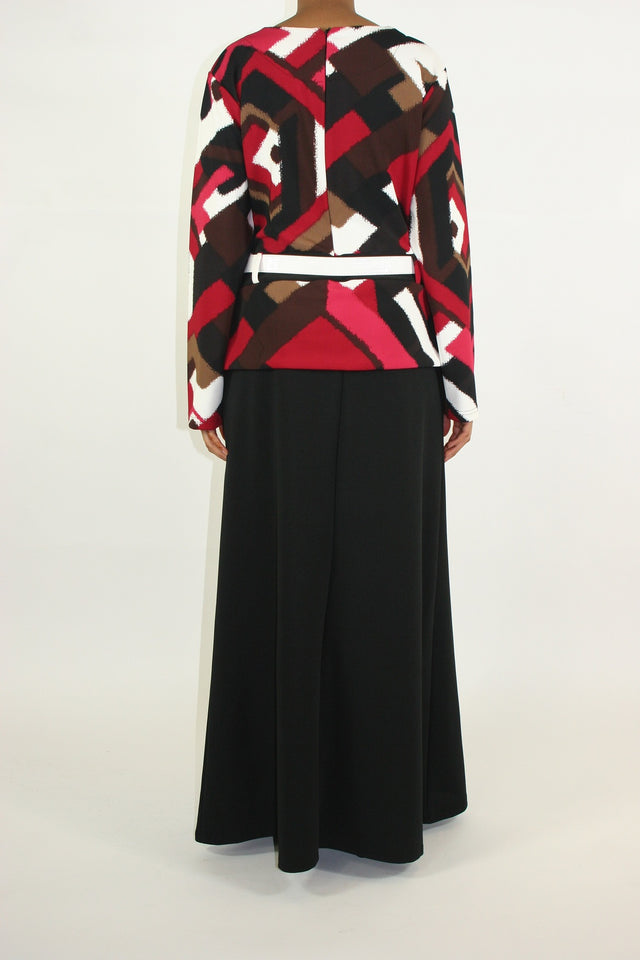
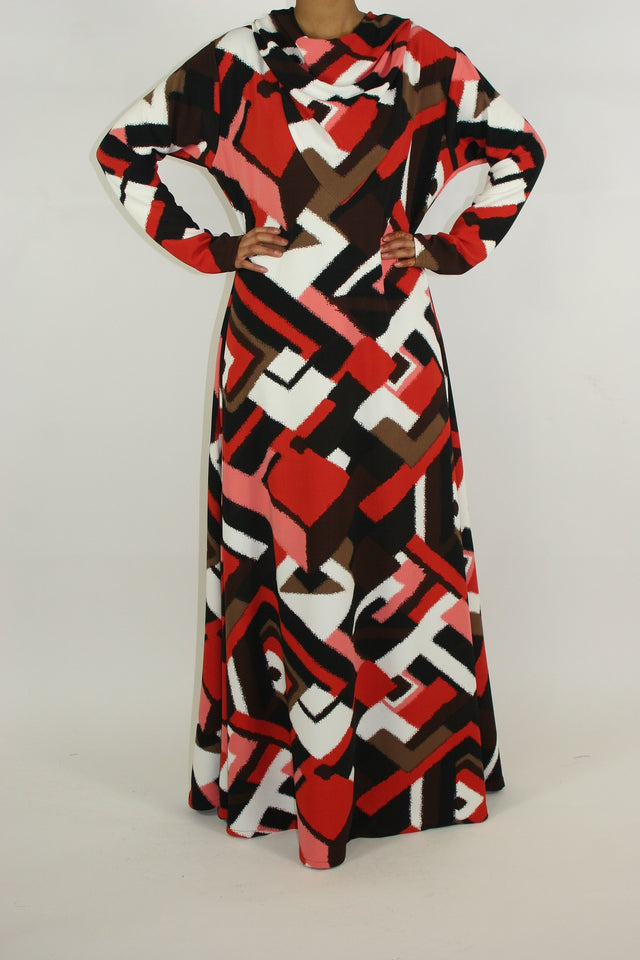
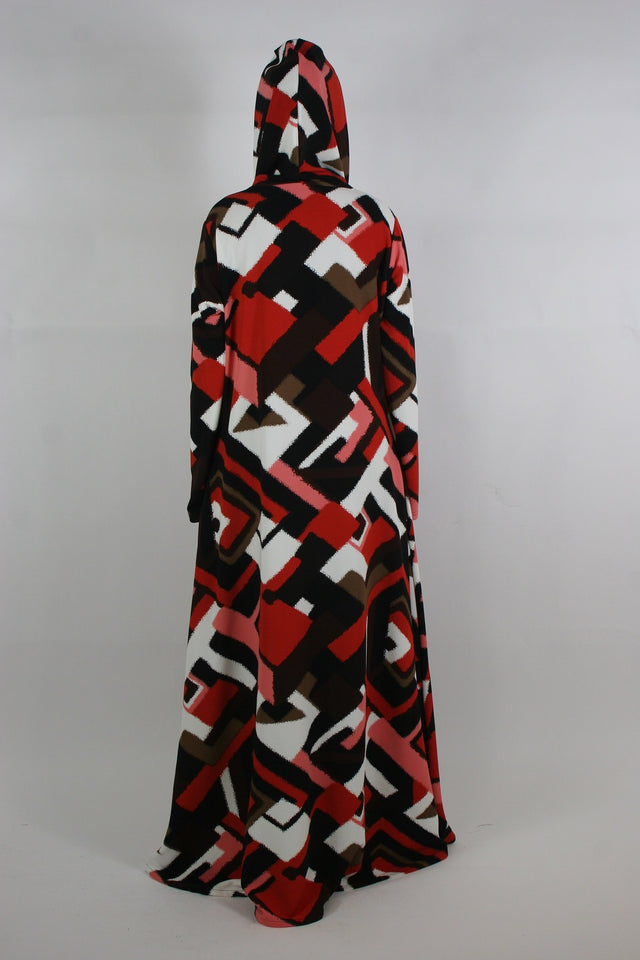



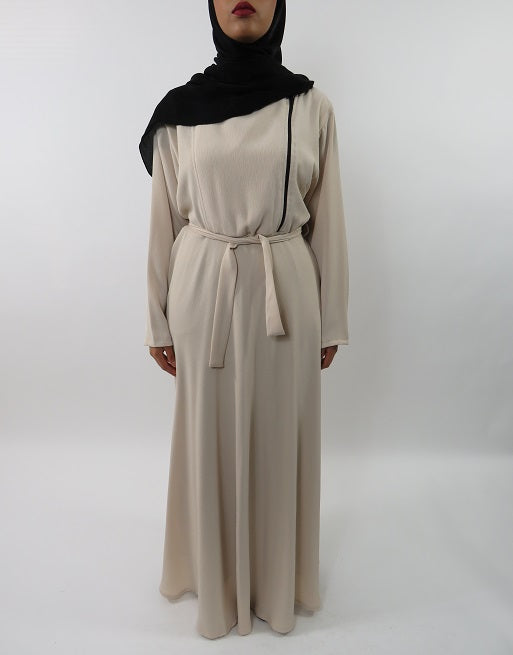
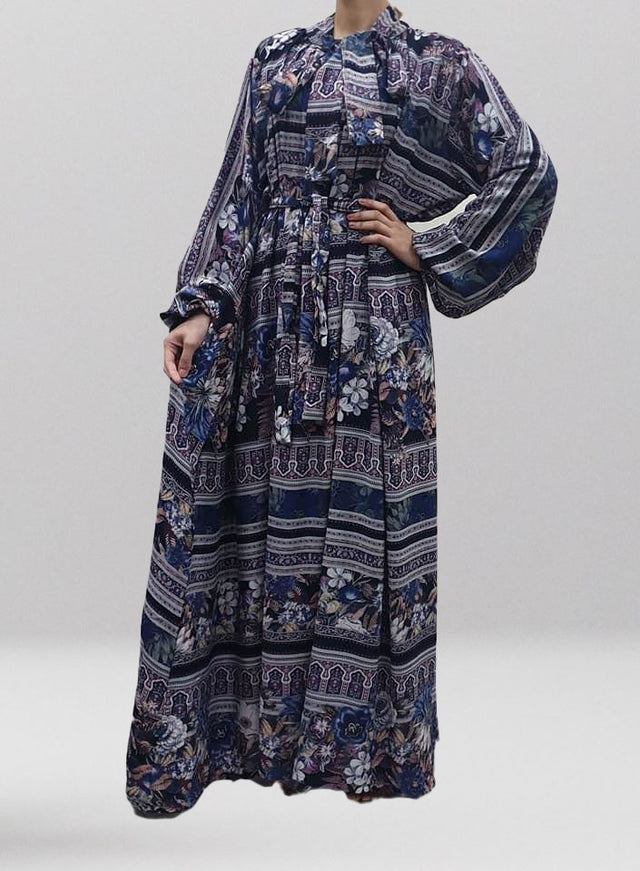
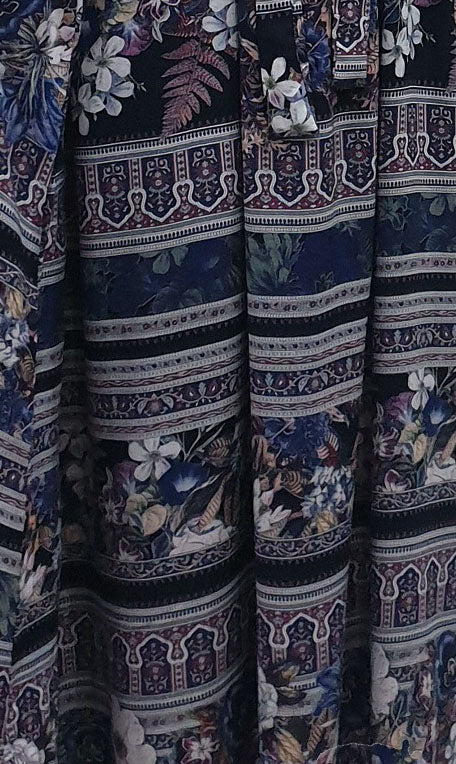
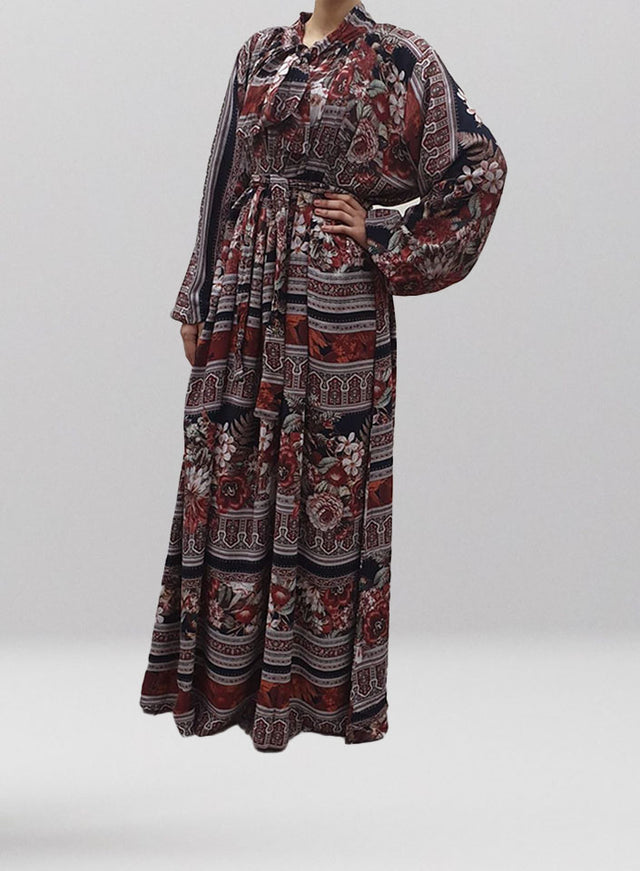
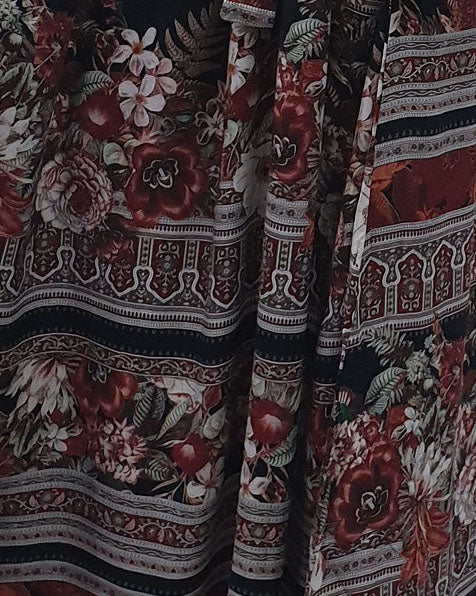
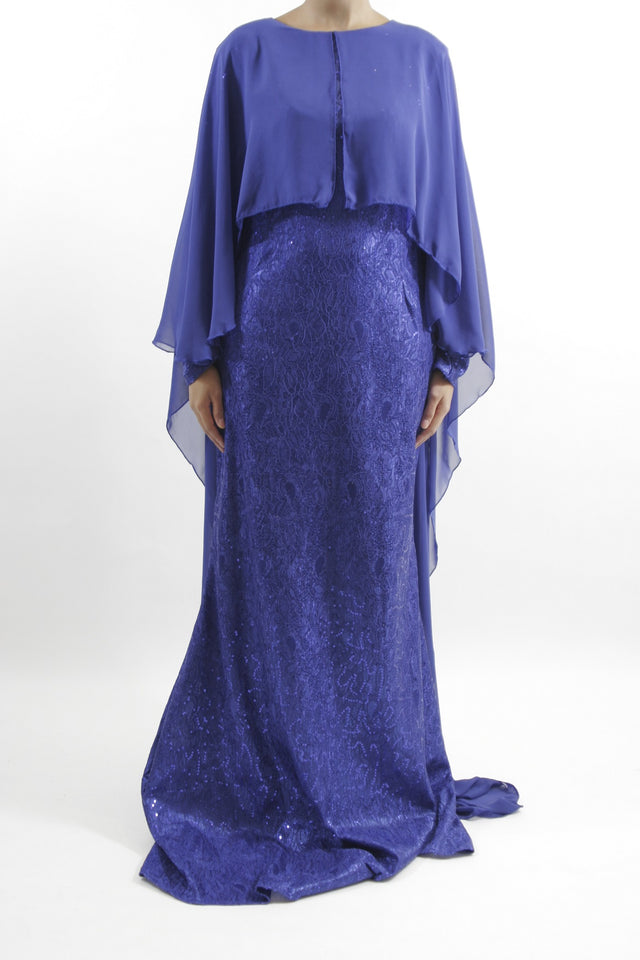
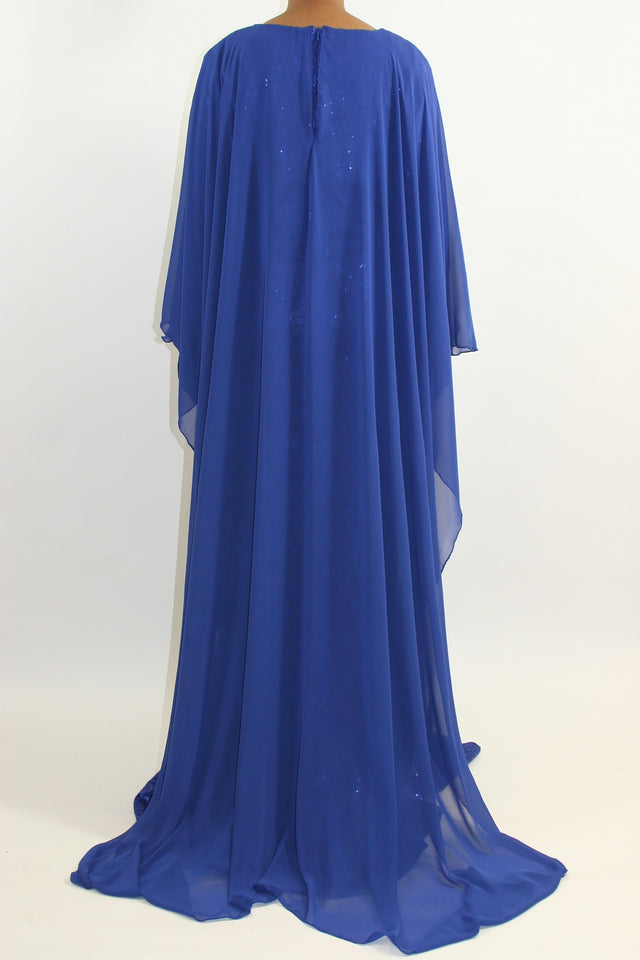
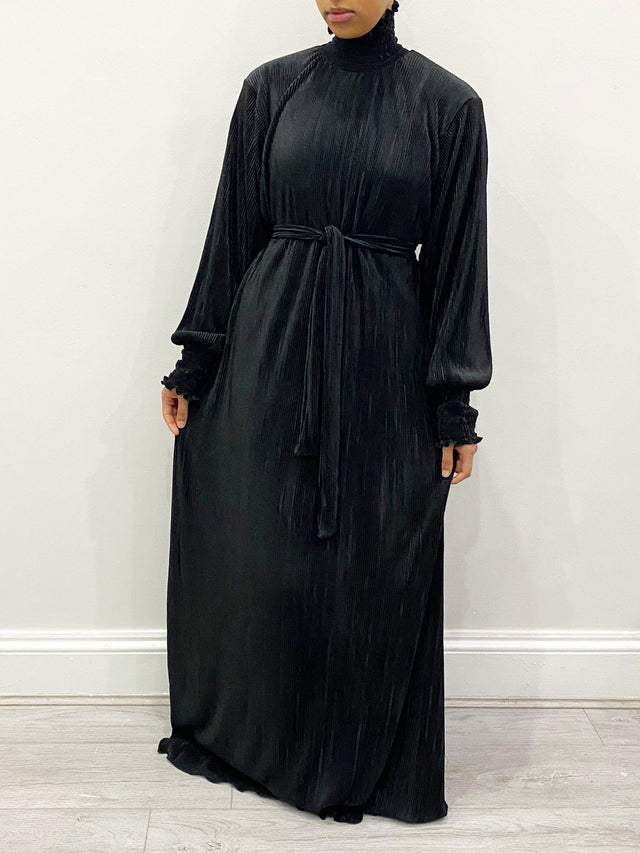
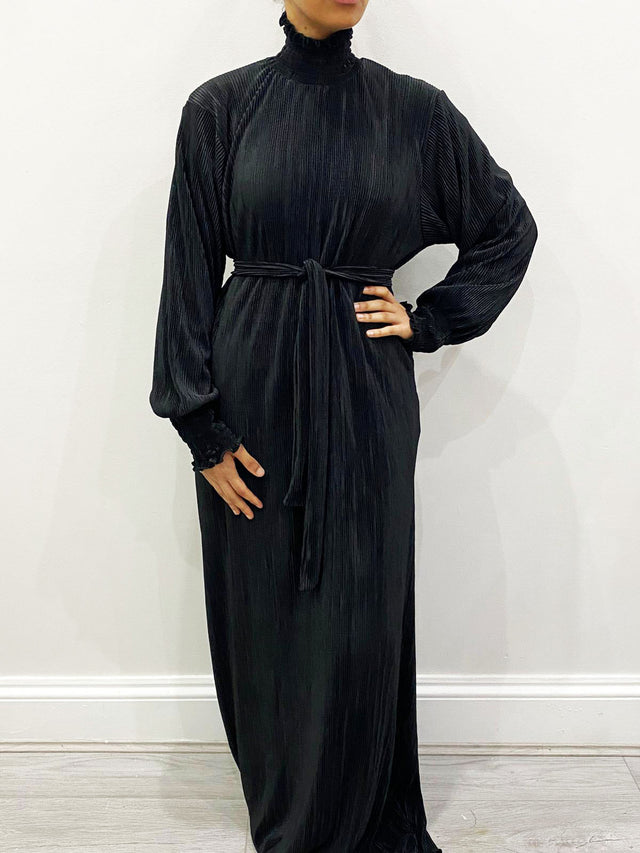
Long sleeve maxi dresses for everyday outfits and occasions
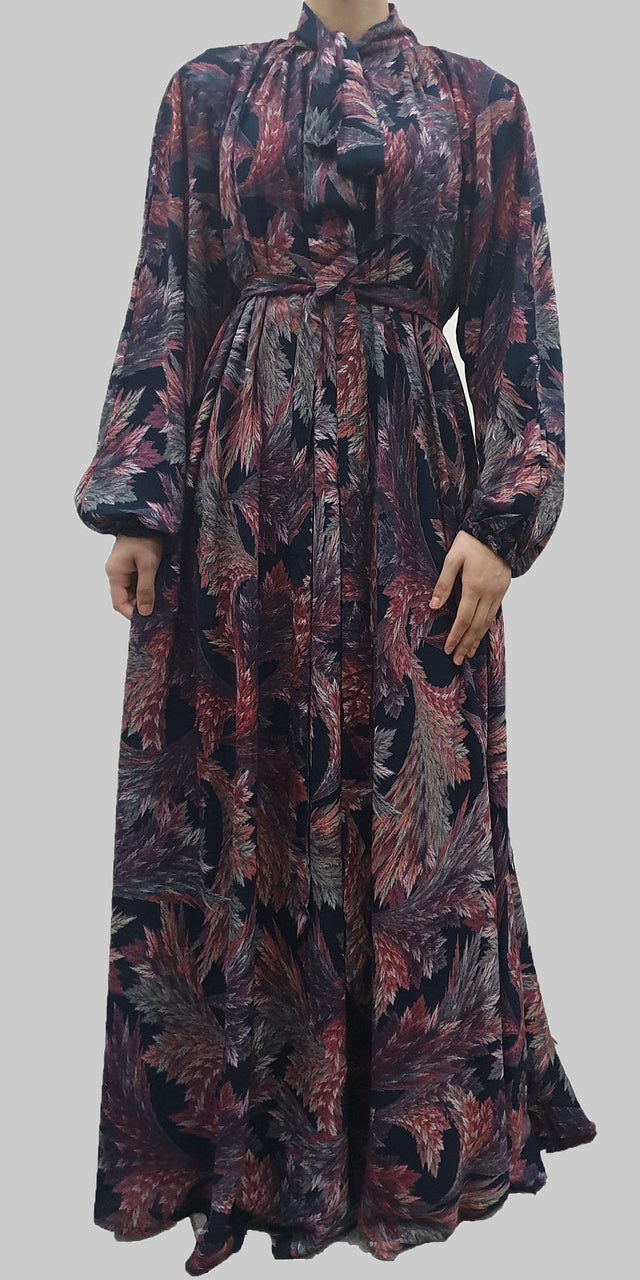
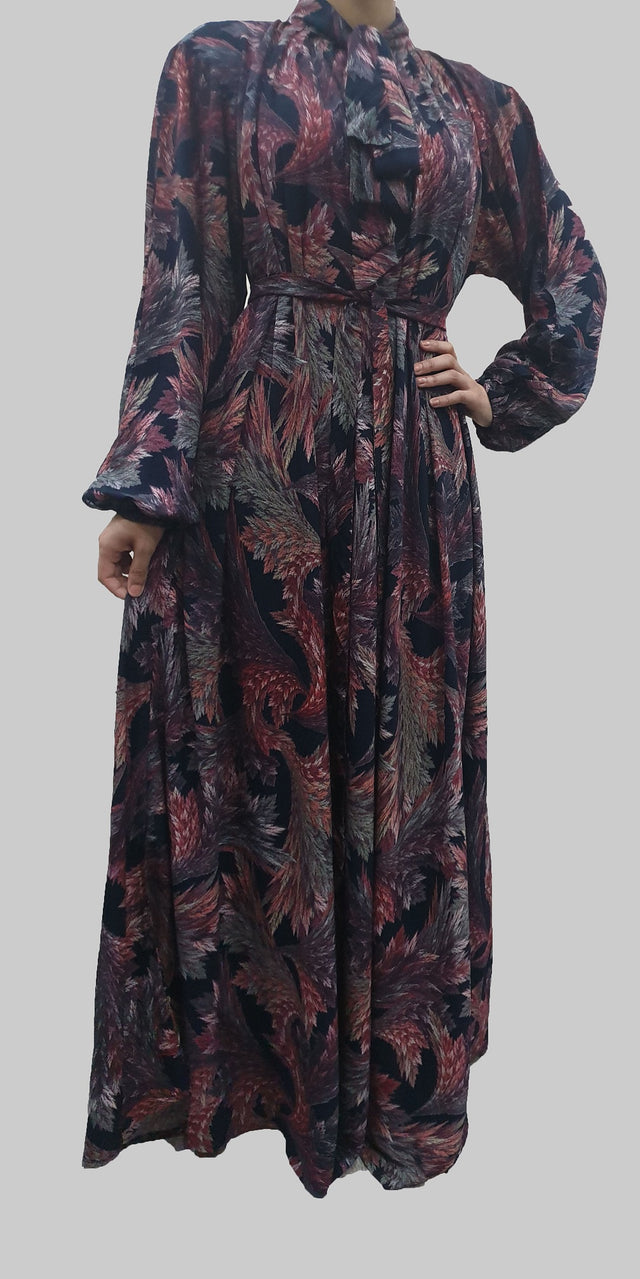
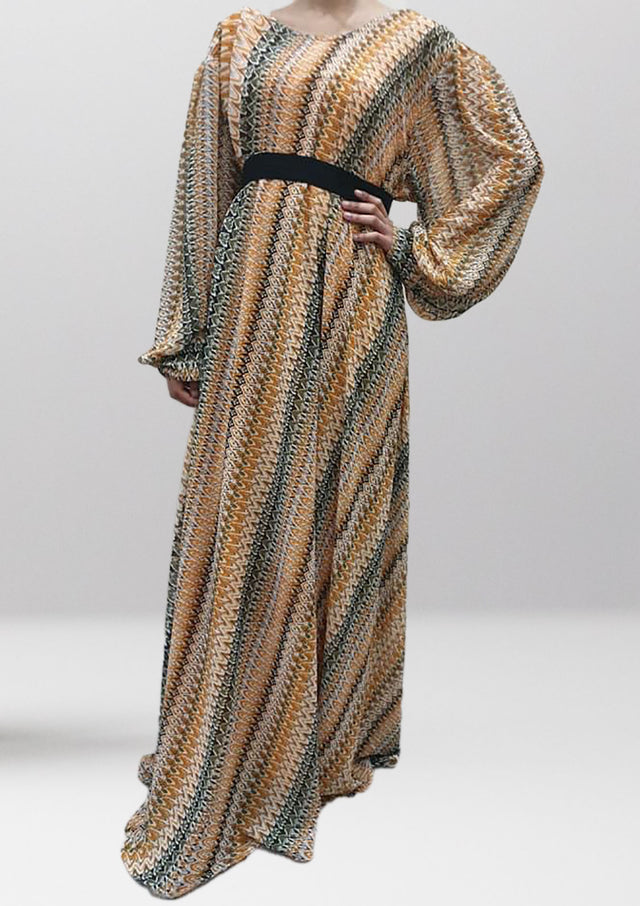
A long sleeve maxi dress brings the main elements of an outfit together: neckline, sleeves, waist and skirt. The shape you choose determines how much styling it needs. An A-line dress offers room through the skirt, a shirt dress brings a more defined everyday character, and pleated satin gives an occasion outfit movement and surface detail.
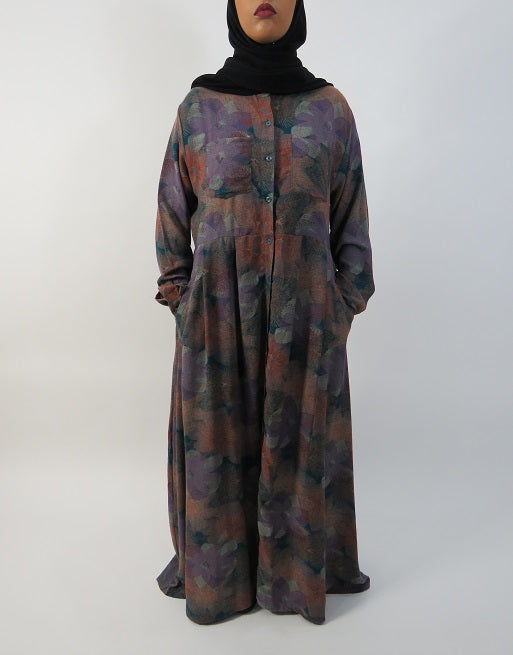
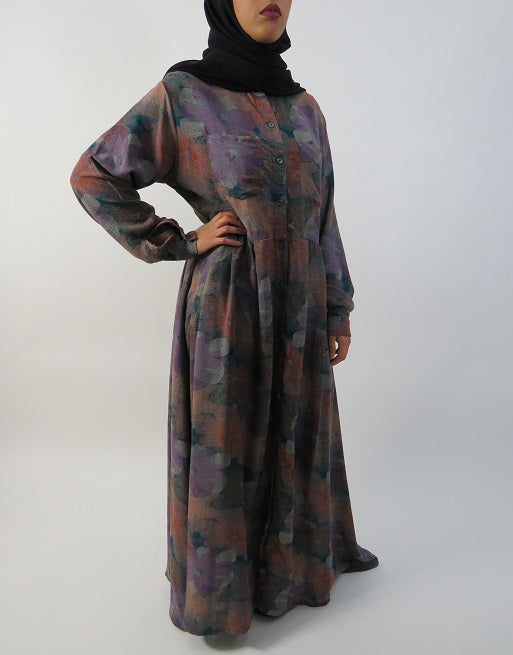
Amani's range includes a brown A-line dress with chest pleats, slate grey pleated satin, pocketed viscose shirt dresses and elasticated-waist viscose designs. These are useful alternatives for different days. Choose the waist and neckline you like to wear, then find the fabric and colour that fit that role.
Compare A-line, pleated, shirt and elasticated-waist styles
A-line with a flexible waist arrangement
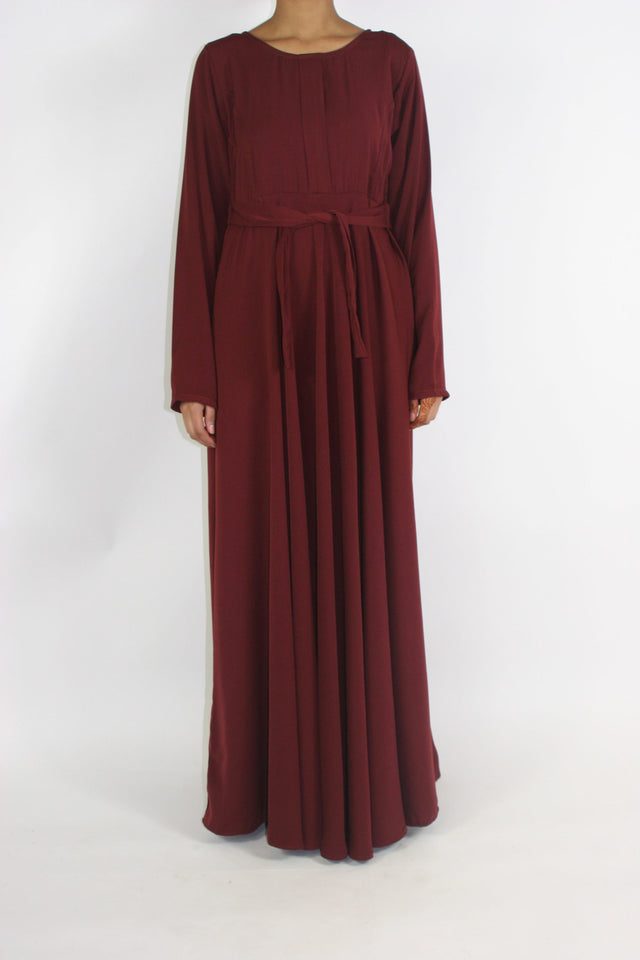
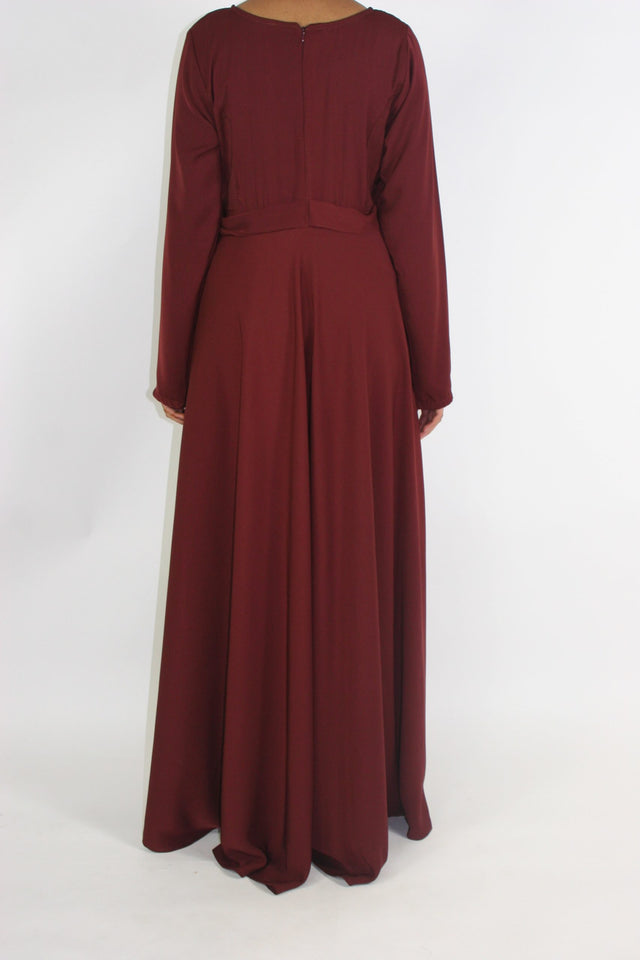
The brown A-line dress has a round neckline, chest pleats, a hidden back zip and a sewn-in belt. The skirt gains room towards the hem, while the belt lets you adjust the emphasis at the waist. Tying it towards the back can leave the chest pleats clearer; a front tie makes the waist more visible.
Pleated satin for texture and movement
The slate grey satin dress combines all-over pleating with a turtleneck and zip fastening. Its stated slight stretch is specific to this design. Choose this direction when you want texture to provide the interest and prefer a high neckline beneath your scarf.
A pocketed shirt dress for a practical daytime outfit
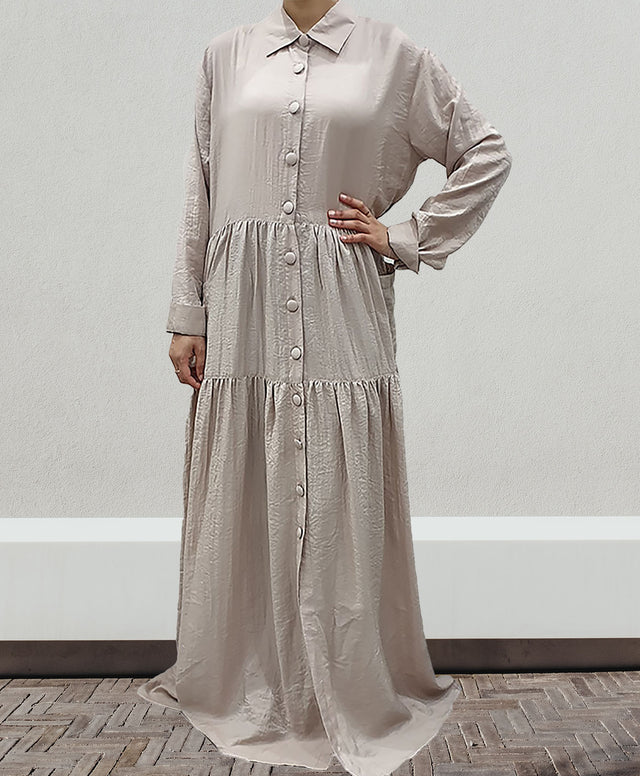
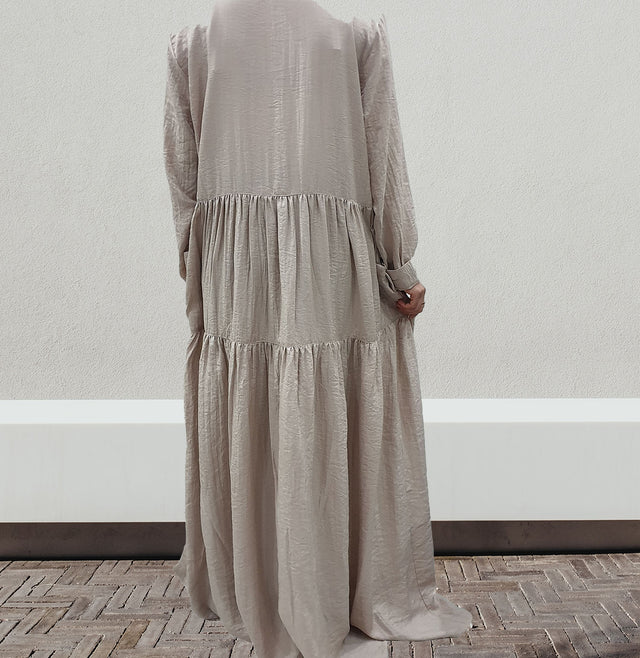
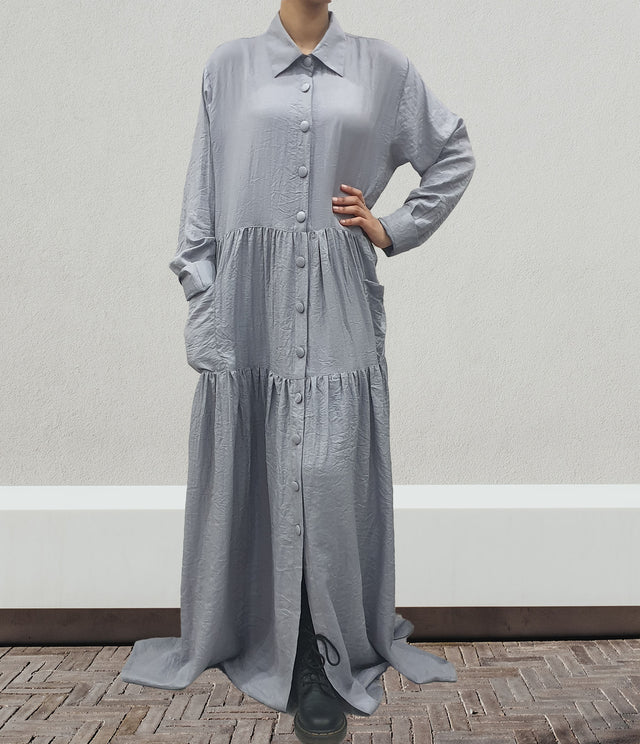
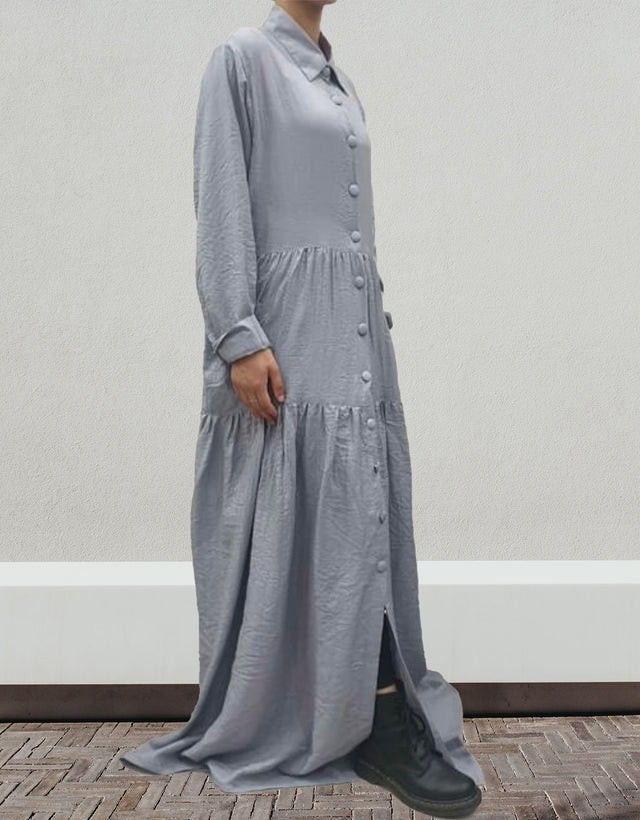
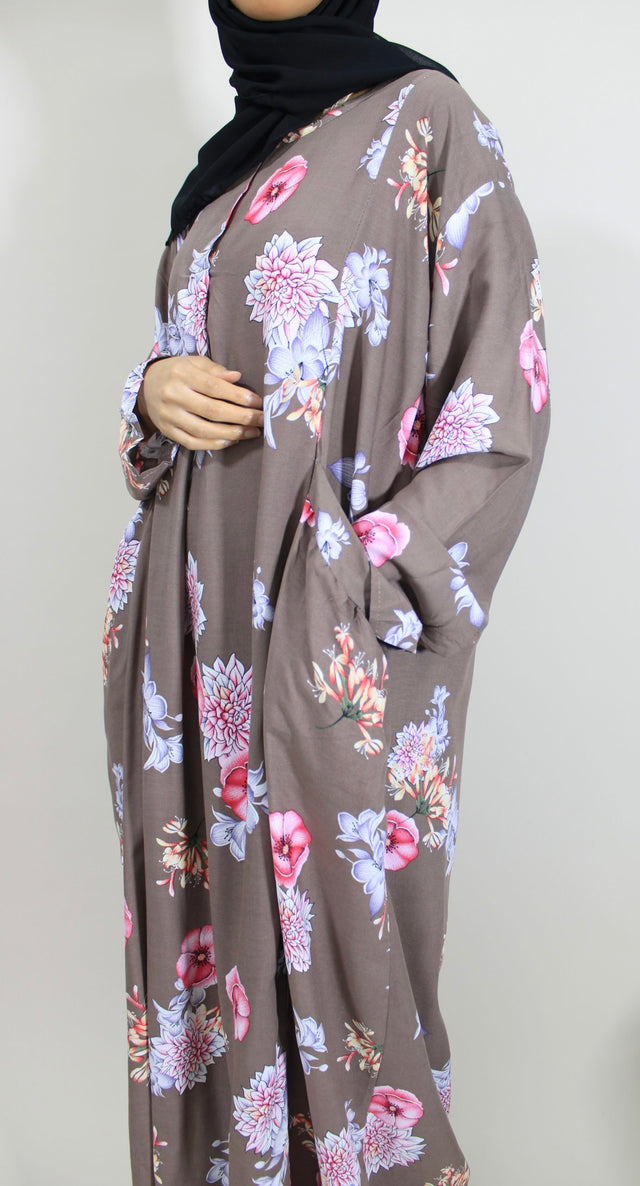
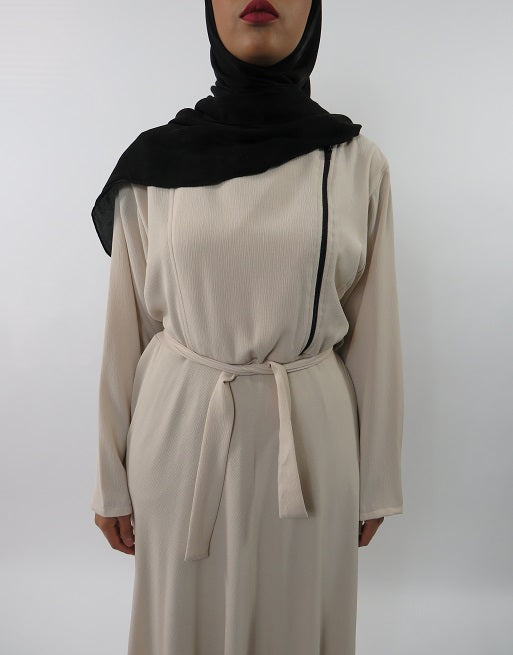
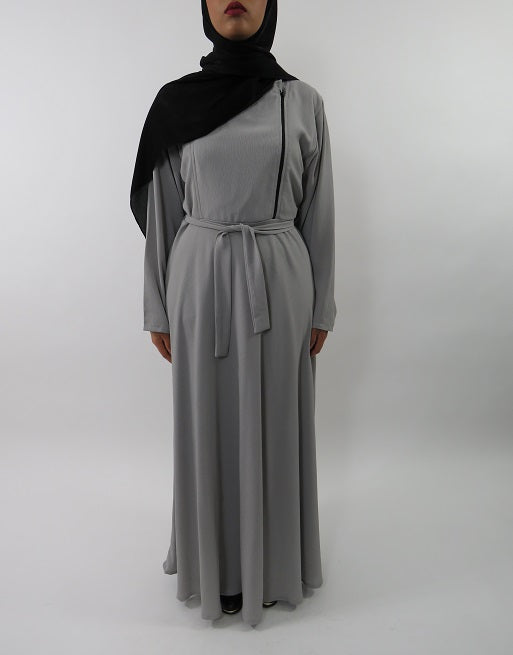
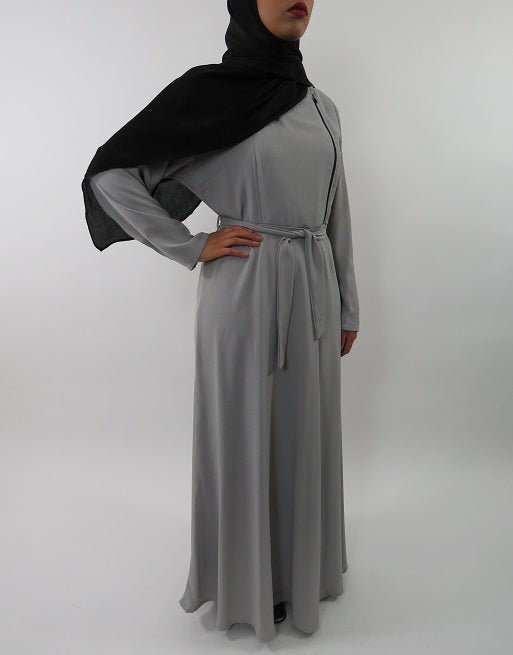
The taupe and silver grey shirt dresses use woven viscose and have front pockets. Their subtle shimmer gives a plain colour another dimension. The pocket position is useful to consider alongside how you carry your bag and whether you prefer a quieter waist area.
Elasticated-waist viscose for a defined middle
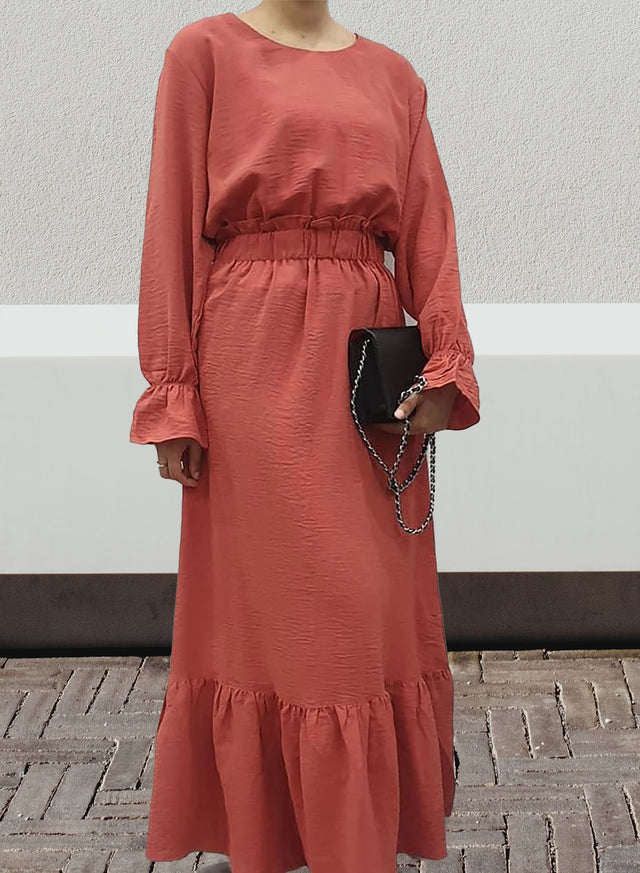
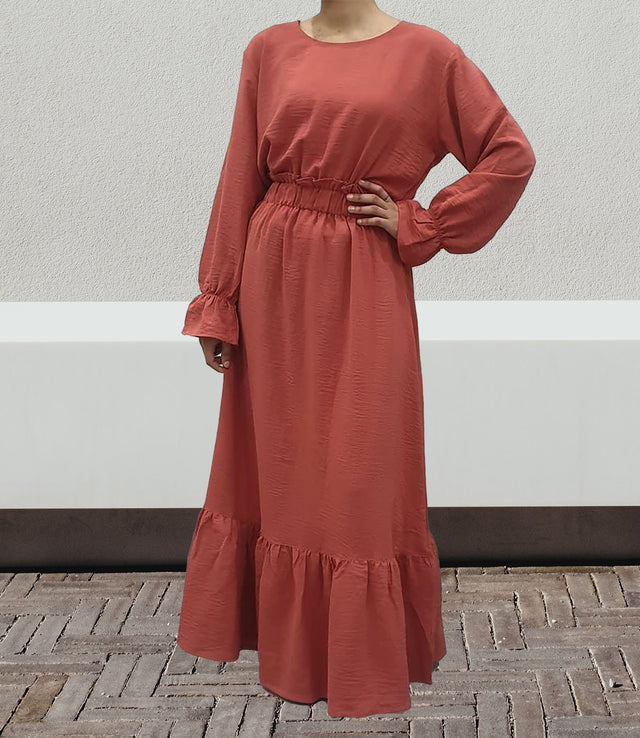
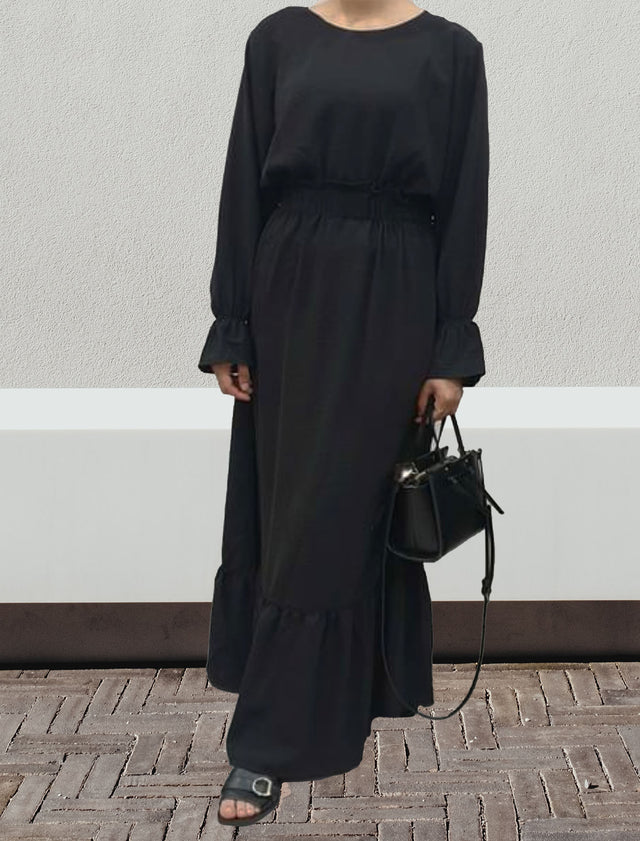
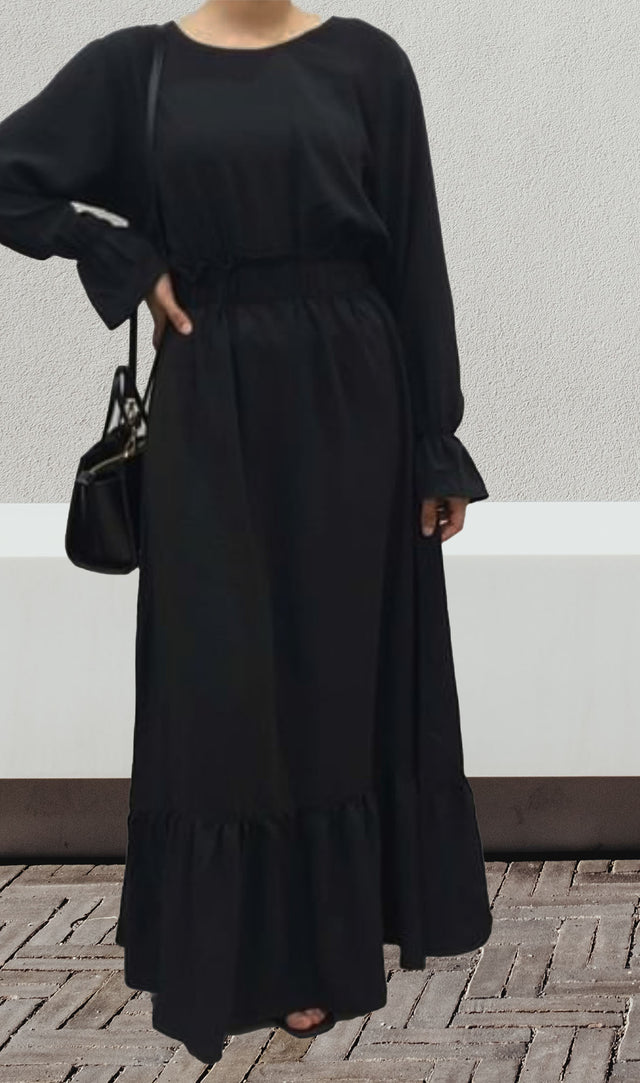
The coral, black and mink viscose dresses use an elasticated waist to introduce shape. This is a different fit from a loose A-line: the waist can flex, while the shoulders, bust and upper arms still need the correct room. Black can become a base for open layers; coral makes the dress the main colour feature; mink offers a warm neutral route.
Choose fabric for the way you will use the dress
Woven viscose and satin give different visual effects even when both fall softly. The viscose shirt and elasticated-waist designs suit outfits built around colour and shape, while pleated satin adds a more reflective texture. The brown A-line style is described as a soft, flowing fabric, with its pleats and belt supplying the structure.
Use the composition and care information for the specific dress. Satin identifies a fabric construction rather than silk content, and the slight stretch of the slate grey dress is not a collection-wide feature. Choose a maintenance routine you can sustain: a dress for regular workdays may need different handling from one reserved for celebrations.
Fit the bodice and sleeves before deciding on the skirt
Start with bust, shoulder and upper-arm measurements, followed by waist and hip room where the cut needs them. A full skirt can look generous while the top remains closely fitted. Compare the measurements with a dress of similar construction that you already find comfortable.
The coral, black and mink elasticated-waist viscose descriptions give a specific recommendation to choose one size larger. Follow that product guidance alongside the measurements rather than applying it to every maxi dress. Free-size, numbered and conventional dress options also need their own sizing explanation; the size guide is a starting point for interpreting the item you choose.
For pleated styles, judge whether the folds hang as intended while you stand and sit. Pulling pleats open to gain room changes their appearance. For a belted style, establish comfortable body fit before adjusting the waist.
Set the length around ordinary movement
A maxi dress should feel long without making every step a negotiation. Measure with the footwear you expect to use and consider the route from home to the occasion, including stairs and public transport. A dramatic hem in a still photograph may not be the best length for a day of walking.
Belting can lift some fabric through the body and change where the skirt finishes. Try the dress both with and without the intended waist arrangement before judging length. If you plan to shorten it, first check whether pleats, panels or decorative detail complicate the alteration, and assess suitability before making any permanent change.
Let the neckline and fastening support your routine
A round neckline gives a simple starting point for different scarf arrangements. A turtleneck creates a higher base, so a less bulky scarf arrangement may feel more comfortable around the neck. With a hidden back zip, consider how easily you can dress and undress in your usual routine.
Long sleeves need the right reach as well as a suitable cuff. Bend your elbows and lift your arms naturally to see where the fabric settles. If you prefer a close inner sleeve beneath a wider opening, choose its weight so the dress sleeve still falls comfortably. These small proportions make a dress easier to wear for several hours.
Use a maxi dress as a base or as the whole outfit
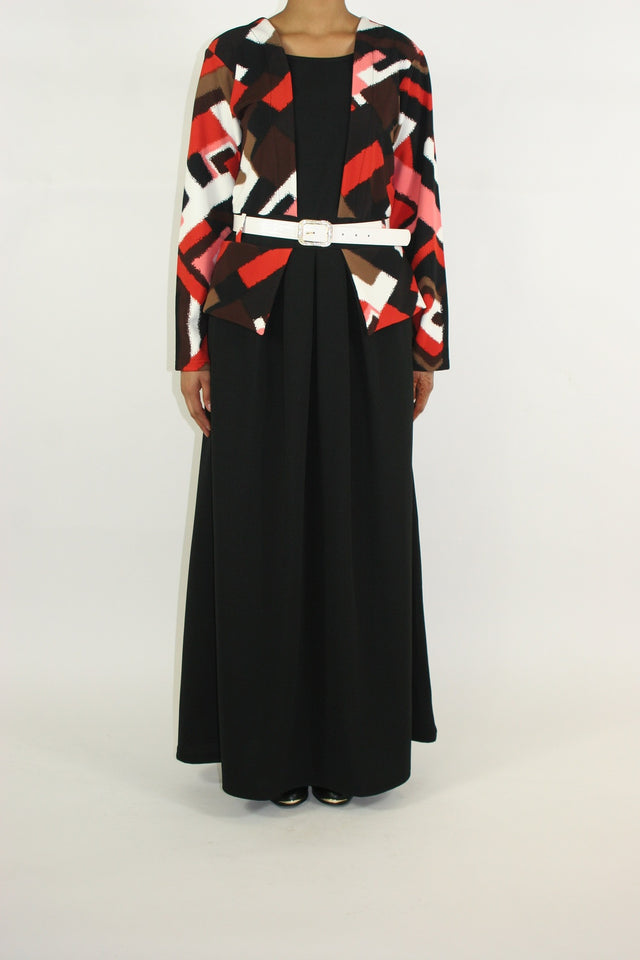
A plain long-sleeve dress can provide a complete base beneath an open jacket. The black elasticated-waist viscose style offers that kind of simple colour foundation; the jacket then supplies print, contrast or another silhouette. Compare maxi jackets for a wrap or more structured layer.
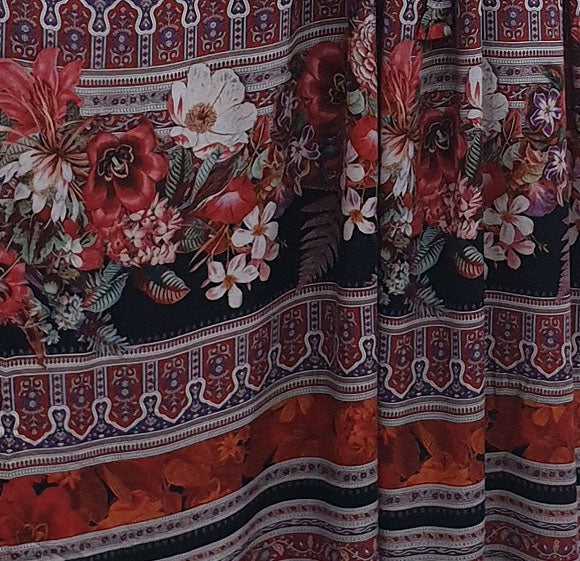
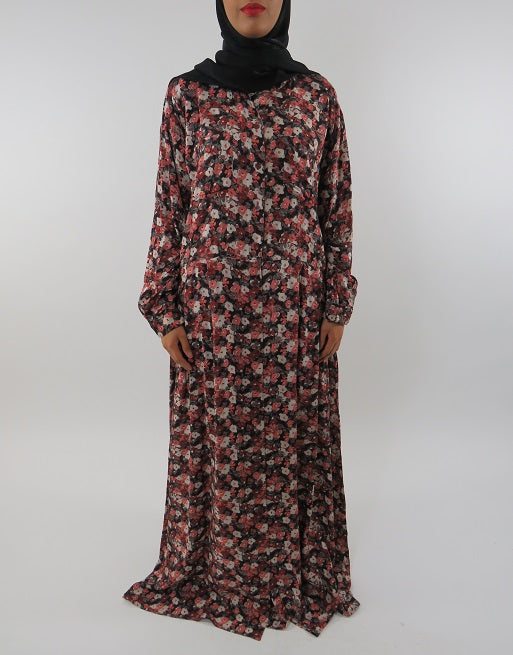
A dress with all-over pleating or a strong floral print may need less added detail. Wear it with a scarf whose volume leaves the neckline and shoulder shape comfortable. If you add an outer, give the dress sleeves enough room and decide deliberately which hem will remain visible. Kimono jackets and overcoats offer another open-layer route.
Three ways to choose a dress for your plans
Work, study and regular visiting
Prioritise a hem that clears your usual shoes, sleeves that stay comfortable at a desk and a fastening you can manage easily. A pocketed shirt dress or a plain viscose design can be a useful starting point. Try your normal bag with the dress, because a cross-body strap changes how a soft bodice falls.
A daytime gathering
Brown, taupe, mink or a brighter coral can form the main palette without much decoration. Keep the scarf connected to one supporting colour and choose shoes for the walking you expect. A belt or elasticated waist provides enough shape when you want the rest of the outfit simple.
An evening or celebration
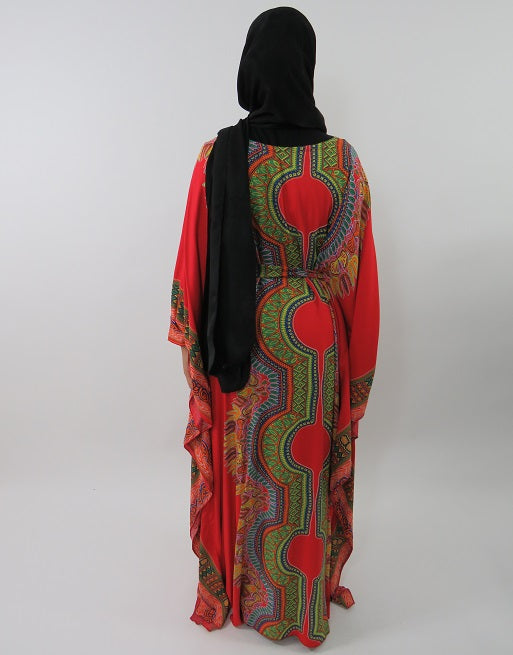
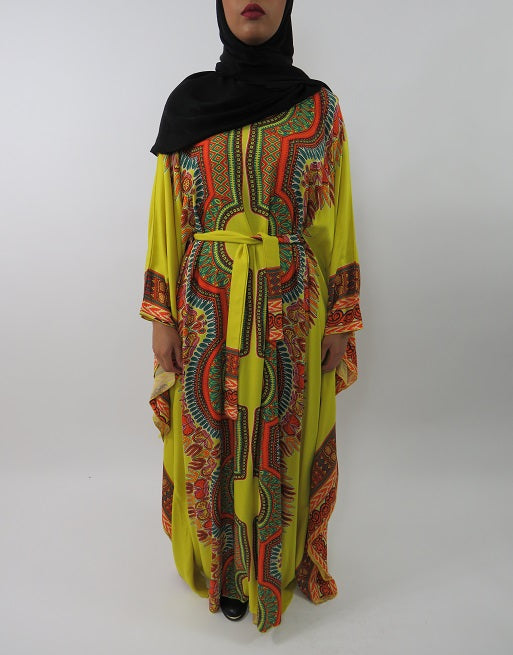
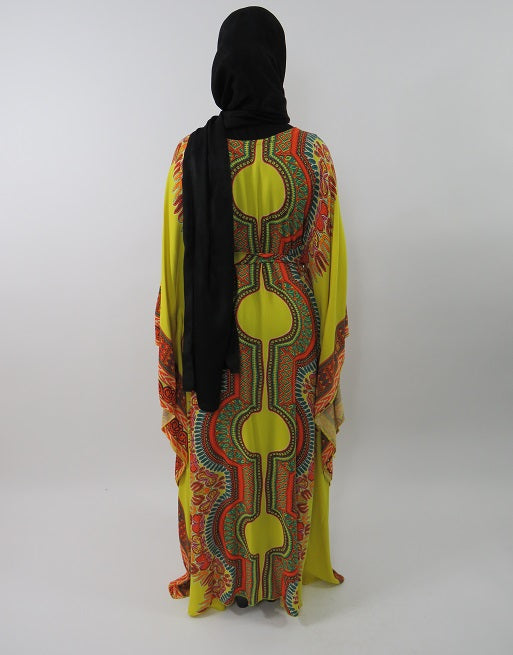
Pleated satin brings texture and reflection; a considered shoe and bag can complete the look. If you want stronger colour and decorative detail in one dress, compare mukhawar and jalabiya dresses. Choose according to the event and the garment you would enjoy wearing again.
Choose scarf colour and drape with the dress
Warm brown and taupe can sit beside cream, muted green or deeper brown. Slate grey can connect with soft blue, blush or another grey. A brighter dress often works well with one quiet supporting shade near the face. The scarf can relate to the dress without trying to match a different fabric exactly.
Compare hijabs for grip and surface as well as colour. A matte scarf can balance reflective satin, while a print can give a plain black dress a new direction. Arrange the fabric around the dress's actual neckline: the most useful combination stays comfortable as you turn and sit.
Care for pleats, texture and soft fabric
Use the care label for the exact dress. A pleated satin garment and a woven viscose dress may need different washing, drying and pressing methods. Avoid flattening intended pleats or stretching wet fabric without checking the instructions. Store each dress in a way that supports its weight and preserves its shape.
For a dated event, read delivery information early enough to plan a full try-on. Check the returns policy before removing tags, wearing outside or altering the garment. Resolve any uncertainty about size or included accessories before ordering, rather than relying on the styling in a single image.
Long sleeve maxi dress questions
Which shape works well as a base beneath an open abaya?
A relatively simple dress with suitable sleeves and neckline gives the outer room to lead. Compare the shoulder and sleeve bulk of both garments, and choose a waist arrangement that lies smoothly beneath the layer.
How do I choose between a belt and an elasticated waist?
A belt offers a visible or adjustable styling detail. An elasticated waist creates a set waist position with some flexibility. In either case, comfortable bust, shoulder and hip room should come first.
Does a high neckline need a particular hijab style?
Use the arrangement you find comfortable, allowing for the extra fabric already at the neck. A controlled drape can keep a turtleneck outfit balanced without collecting unnecessary layers beneath the chin.
Can I use the same size across all these dresses?
Use the individual measurements and fit guidance. Different cuts and fabrics have different requirements, and the elasticated-waist viscose styles carry their own sizing recommendation.
What is a practical maxi length?
One that provides the long silhouette you want while letting you walk, sit and use stairs in your chosen shoes. Judge it with the intended waist arrangement, because belting can change the hem position.