Flannel Hijab Styles: How Can You Create Cosy, Chic Looks for Cold Weather?
A flannel hijab can bring a soft, textured note to a cold-weather outfit. For an easy first look, try a plain scarf with a long coat, a simple knit and trousers or a skirt you already enjoy wearing. If your scarf has a check or another pattern, let one of its colours connect with the coat and keep the remaining pieces relatively calm.
The most interesting flannel hijab styles use colour, drape and texture together. A grey scarf over a smooth navy coat creates a different mood from a brown check beside cream knitwear. A broad front drape gives the scarf more presence; a simpler arrangement leaves more of the coat or neckline visible. Those choices can make familiar winter clothes feel considered.
Begin with a scarf that feels comfortable in the way you plan to wear it, then build the outfit around its actual shape and surface. From relaxed denim combinations to a more dressed evening look, the aim is to give each layer a clear place.
Understand the scarf before choosing a style
In its clothing sense, Oxford describes flannel as a soft cloth containing cotton or wool. The word gives you useful context, but read the composition and care information for your particular scarf. Its size, thickness and finish will affect which arrangements you enjoy wearing.
Lay the scarf open and look at the two long edges, the ends and any pattern. Decide which part you would like near the face and which detail you want visible lower down. If it has a decorative edge, try the scarf in both directions before settling on a starting position.
Arrange it once in your simplest familiar style. Notice where the fabric falls naturally and how much remains at the front and shoulders. Use that arrangement as a reference for the styling ideas below. It will help you judge whether a different drape adds something useful to the outfit.
For a wider comparison of scarf shapes and supporting layers, the complete hijab guide explains the main choices. Here, keep your attention on the flannel scarf you have and the clothes you want to wear with it.
Choose the role you want the hijab to play
A scarf can be the main colour, the main pattern or the quieter piece that connects other garments. Choosing its role makes the rest of the outfit easier to organise. Look at it beside your coat and base clothing before deciding which accessories to add.
If the hijab is a rich burgundy and the coat is charcoal, you might let the scarf supply most of the colour. If the scarf is a subtle grey check, it could introduce a small amount of pattern to an otherwise plain outfit. If your coat already has a strong texture, a plain scarf may provide the quieter area you prefer near your face.
Try the outfit both with the coat open and fastened. The scarf may occupy much more of the visible upper half once the coat is closed. Choose an arrangement that you like in both versions, or make one small change to the front drape when you remove the outer layer.
Use a simple description to keep the direction clear: soft neutrals, dark tones with one accent, a checked scarf over plain clothes, or contrasting textures in one colour family. This gives you something concrete to return to if the outfit starts to feel crowded.
A simple front drape for an understated look
Start with the coverage you normally prefer around the face and neck. Place the scarf so that you have enough material at the front before carrying an end across or over a shoulder. Keep the first layer comfortably arranged and allow the remaining fabric to fall into a broad shape rather than gathering it into a tight bundle.
This can be a useful arrangement with a plain coat or cardigan because the front drape becomes a visible part of the outfit. Try it with a grey flannel hijab, a navy coat and a simple cream top. The lighter scarf and top create a related upper area while the coat supplies the darker outline.
Look at where the lower edge of the scarf meets the coat opening. If it stops at an awkward point beside a button or lapel, redistribute a little fabric before changing the whole style. A small adjustment can make the relationship between the scarf and coat clearer.
Add your usual bag and move as you would when leaving home. Keep the drape in a position that works with the strap and lets you reach the coat fastening easily. Once that arrangement is comfortable, it can become the simple starting point for several colour combinations.
A side drape to introduce an asymmetrical line
A side drape can make a plain outfit feel more fluid. Begin with your familiar secure head and neck arrangement, then distribute the loose fabric towards one shoulder while preserving the front coverage you want. Let the lower edge form a gentle diagonal across the upper outfit.
Choose the side with the rest of the outfit in place. A bag strap or coat fastening may occupy the space where the scarf would otherwise fall. Compare both shoulders and keep the arrangement that leaves the fabric free to settle comfortably.
With a checked scarf, the diagonal can show the pattern differently from a centred front drape. Look at which lines and blocks remain visible. You may prefer to begin with a particular section near the face, or to leave a stronger part of the check towards the shoulder.
Try this arrangement with a plain long top and a relatively simple coat. The scarf's line supplies the interest, so the clothes can remain straightforward. If you add jewellery, place it after the drape is finished and check that the two details sit comfortably together.
A balanced shoulder arrangement for a fuller scarf
If your scarf has generous dimensions, distribute the remaining fabric across the front and shoulders after settling the head covering. Compare a more even arrangement with the side drape. The balanced version can give a plain outfit a composed, settled outline.
Spread the fabric where you want its width to show. Folding all of it into a narrow section at the neck can hide the very surface you chose the scarf for. Allow the cloth to form broader folds where the garment beneath supports them comfortably.
Try a plain oatmeal scarf over a darker coat or long dress. The larger lighter area becomes a clear feature. Keep the bag relatively simple for the first trial, then decide whether you want a small contrast through its colour or hardware.
Put the outer layer on and take it off once before deciding the arrangement works. Free any caught edge and see how easily the scarf returns to place. A fuller style is most useful when you enjoy both its appearance and the way it behaves through those ordinary changes.
Outfit one: flannel, a plain jumper and denim
For a relaxed day, try a long plain jumper, comfortable jeans, ankle boots or trainers and a flannel hijab. Choose the jumper length and jeans cut around the coverage and outline you prefer. Keep the scarf arrangement familiar while you establish the proportions of the clothes.
A cream jumper with dark blue jeans and a brown checked scarf is one possible combination. The scarf can connect the pale upper garment with warmer accessories, while the darker denim gives the lower half a clear outline. Try a brown or dark neutral bag if you already have one.
With a lighter denim wash, compare a plainer scarf first. A grey or muted blue flannel hijab can keep the colours related while the jeans make the outfit feel more casual. If you prefer a stronger accent, try burgundy with the same jumper and jeans before adding another coloured piece.
Choose the shoes with the actual jeans on. Straight, wider and tapered hems each meet boots or trainers differently. Decide whether you prefer a clean break above the shoe or a longer line, then check the combination while walking and seated.
Add the coat last and look at the visible sections of the outfit. A long coat may cover most of the jumper, leaving the scarf and denim as the main contrast. A shorter jacket shows more of the base, so the jumper's hem becomes a more noticeable part of the design.
For a second version, keep the clothes and shoes and change only the scarf. A plain scarf can make the combination quieter; a check can add more visual detail. This gives you two ways to wear familiar pieces without rebuilding the outfit.
Outfit two: a flannel hijab with a long skirt
A long skirt gives you another way to combine winter textures. Begin with a skirt that moves comfortably with your chosen shoes and a plain top. Add a cardigan or coat, then arrange the flannel hijab so that its front edge relates clearly to the layers beneath.
For a soft tonal look, try a charcoal skirt, a grey top and a lighter grey scarf. A coat in the same general family can create a continuous palette while the different surfaces give each part definition. Compare the actual shades together; a visible difference can look more deliberate than an almost-match.
If the skirt has pleats or another strong surface, start with a plain scarf and a simpler cardigan. Let the skirt supply the main texture below the waist. You can then decide whether a small check in the scarf adds something you enjoy or makes the whole outfit feel busier than intended.
Look at the cardigan's lower edge beside the skirt. A longer cardigan can continue the vertical line, while a shorter one creates a clearer division. Choose the version that works with the top underneath and the amount of layering you want to see.
Try the bag beside the completed outfit. A defined bag shape can add contrast to softer clothes; a more relaxed bag can continue their mood. Keep its size useful for the day and decide how it sits against the scarf and cardigan when carried.
Outfit three: a tailored winter combination
For a more polished daytime look, pair comfortable tailored trousers with a plain top, a blazer or neat long coat and a flannel hijab. The jacket's edges provide structure while the scarf introduces a different surface near the face.
Try navy trousers and a matching or closely related jacket with a cream top and a soft grey scarf. The palette stays controlled, and the lighter centre gives the darker tailoring some contrast. If you prefer warmer tones, compare brown or charcoal tailoring with a stone scarf.
Arrange the scarf with the lapels visible enough to create the outline you like. A broad front drape can soften the jacket; a more contained arrangement can leave the tailoring clearer. Try both while keeping your preferred coverage.
Use the jacket fastening as you intend to wear it. The scarf may settle differently when the front is closed, particularly if the jacket has a higher button position. Redistribute a loose end so that it lies comfortably instead of building up beneath the lapels.
Choose one finishing detail, such as a structured bag, a familiar watch or shoes with a simple buckle. The combination already contains several textures and lines. A clearly chosen accessory can complete it without requiring every area to carry decoration.
If the outfit is for a particular workplace or event, follow its actual clothing expectations when choosing the pieces. Once those are clear, the same colour and texture decisions can give the combination a personal finish.
Outfit four: flannel beside a plain abaya
A plain abaya gives the scarf room to become the central styling detail. Start with the abaya you want to wear and compare a plain flannel hijab with a checked one. Keep the shoes and bag unchanged so that you can see what each scarf contributes.
With a black abaya, a grey check can introduce a restrained pattern. Look for a part of the scarf that you enjoy beside the face, then let the pattern continue through the front drape. A simple black bag and shoes can keep the lower outfit quiet.
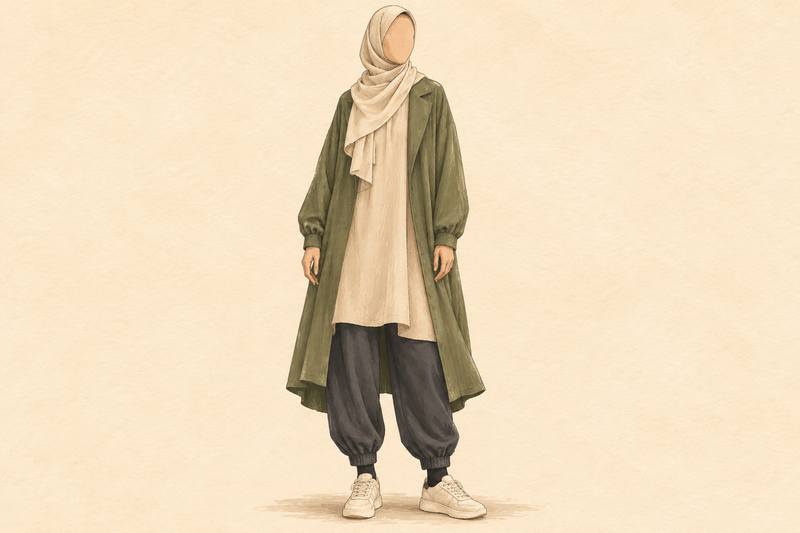
For a warmer colour combination, try a brown or deep olive abaya with a lighter stone scarf. If you prefer more contrast, compare a muted rose or burgundy scarf with the same garment. The useful choice is the relationship between the actual shades you have.
If the abaya has a decorative neckline or cuffs, decide which detail should be most visible. You might choose a plain scarf and leave the cuffs as the focus, or use the scarf's texture against a quieter section of the garment. Arrange the pieces together before adding jewellery.
Add the coat you need for the journey. A roomy coat collar may accommodate the scarf differently from a closer one. Keep a comfortable scarf arrangement that works with both the outdoor layer and the abaya beneath, so the outfit remains coherent when you arrive.
How can you make a flannel hijab look more dressed?
Begin with a scarf you find comfortable for the setting and choose the outfit's main line. A simple long dress, a restrained abaya or tailored separates can each give the scarf a clear place. Look at the finish of the clothes beside its surface before selecting accessories.
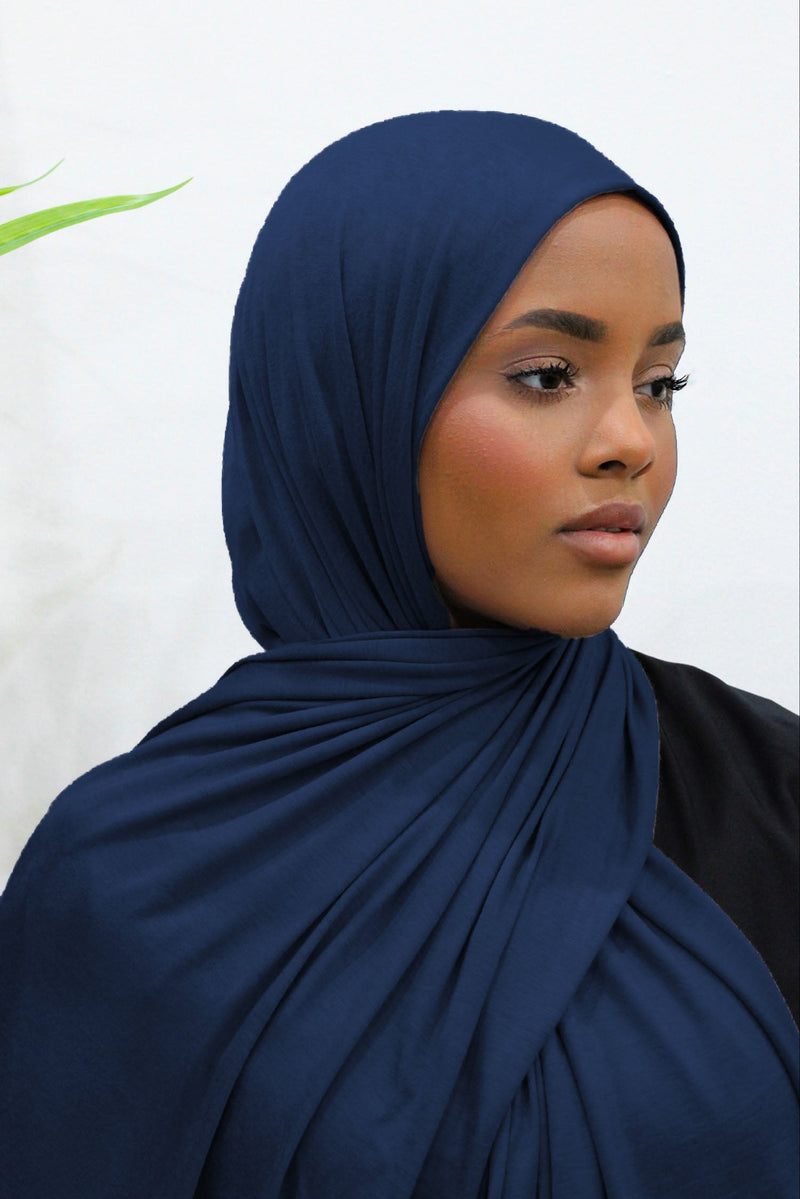
A deep blue or burgundy flannel hijab can be considered with a plain dark dress and a small bag carrying a metallic detail. Keep the drape tidy and choose shoes you enjoy wearing for the whole occasion. The colour and the one decorative accent provide enough direction for the first version.
If you like mixing surfaces, compare the scarf with a smoother dress or blouse. The contrast may be the detail that makes the outfit feel interesting. Look at the garments in the light where you will wear them and decide whether the difference feels balanced to you.
A brooch can add decoration where the cloth and fastening are suitable. Try its position gently with the full outfit and avoid asking a heavy ornament to hold an unsupported drape. You can also place the decorative detail on the bag or elsewhere in the outfit if that feels easier to wear.
For an indoor event after a cold journey, prepare the version you will wear once your coat is off. Arrange the scarf with the dress or top visible, then add the coat again. This lets you enjoy a complete outfit in both parts of the evening.
Mix the flannel surface with a smoother finish
If you enjoy the contrast between a softly textured scarf and a smoother garment, choose the smooth piece first. It might be a blouse with a visible sheen, a fluid skirt or a plain dress. Put it beside the scarf in the same light and decide how strong you want the contrast to be.
For a blouse outfit, try a cream blouse with navy trousers and a charcoal flannel hijab. The pale blouse creates a clear central area, while the darker scarf and trousers hold the outfit together. A simple navy or charcoal coat can continue that relationship outside. Keep the scarf drape wide enough to show the surface you chose, while leaving enough of the blouse visible to appreciate the contrast.
For a skirt outfit, compare a smooth dark skirt with a plain knit and a flannel scarf in a related shade. The scarf and knit can feel visually connected, with the skirt offering a different finish below. If you want a lighter upper half, change the knit and scarf together to a softer neutral family, then compare that version with the darker one.
With a smoother long dress, consider where the scarf ends. A short visible section gives the dress more prominence; a broader drape makes the texture contrast a larger part of the look. Arrange both versions before adding a necklace or brooch. You may find that the two fabric surfaces already provide the detail you wanted.
Try the pieces in contact as well as side by side. A scarf end can settle differently over a smooth shoulder from the way it lies over knitwear. Use your normal suitable securing method where needed, and choose a route that leaves the drape comfortable. Keep the look centred on the surface combination rather than adding extra folds to hold an unsuitable arrangement.
Finish with one accessory that connects the palette. A cream detail in the bag can echo the blouse, or a dark shoe can continue the skirt's line. Once the fabrics have a clear relationship, those small repetitions are enough to make the outfit feel complete.
Use checks and prints with a clear colour connection
A patterned flannel hijab offers several possible colours to build around. Open it fully and identify its largest area, its darker lines and any small accent. Choose which of those you want to repeat in the clothes.
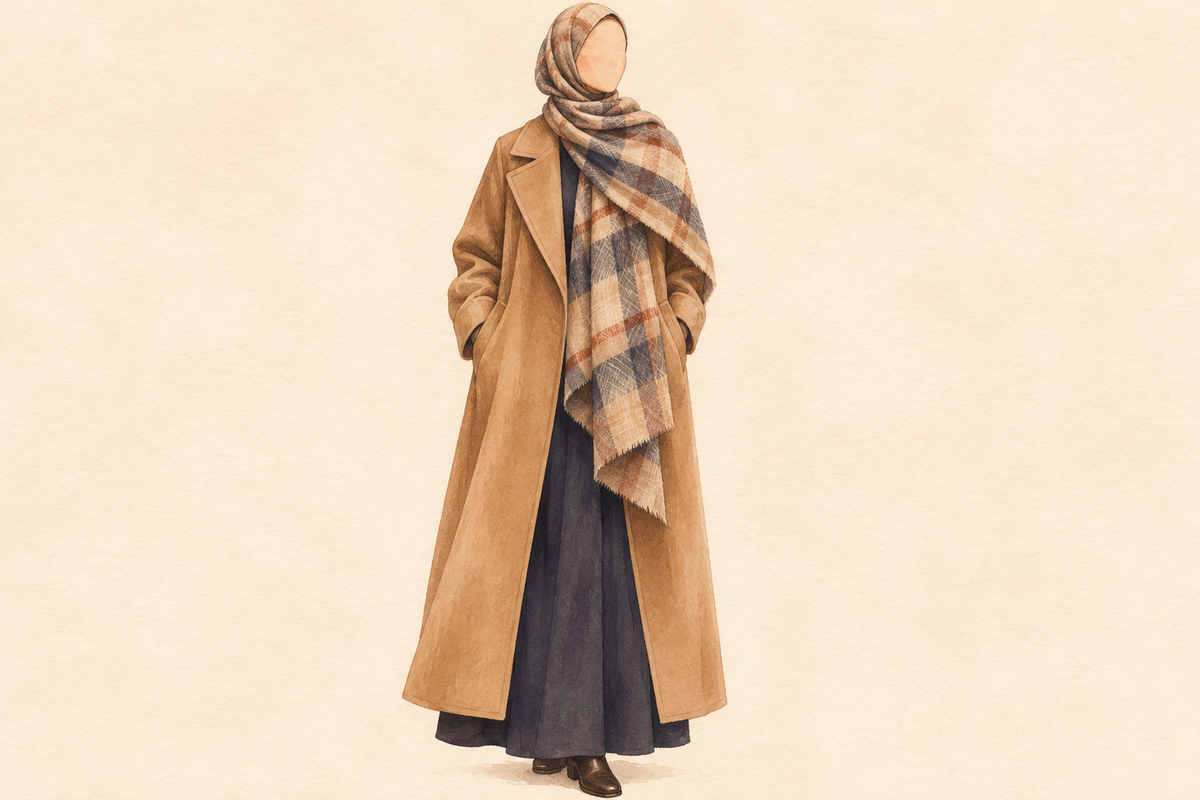
For example, a scarf with a cream background, navy checks and a thin rust line could sit beside a navy coat and cream top. The rust can remain a small detail within the scarf. If you already own a suitable rust-coloured bag, you might compare that with your usual neutral one and decide which version you prefer.
Look at the pattern after wrapping. A check that seems large when laid flat may appear as smaller blocks and diagonal lines within the folds. Move the starting position if a strong line falls where you would prefer a quieter area.
When the clothes are patterned too, compare the size and contrast of both designs. You might enjoy a small scarf check beside a larger coat pattern, or prefer to keep only one. Begin with a plain alternative as a reference so that the difference is easy to judge.
Keep one useful combination in your notes once you find it. Record the actual scarf and the colour it repeats, rather than simply writing “checked hijab”. That detail makes the outfit easier to recreate later.
Explore colour-blocking with familiar winter pieces
Colour-blocking can be approached as a simple comparison between larger areas of colour. Choose the coat or main garment first, then try a scarf that creates a clear difference. Keep the remaining pieces relatively straightforward while you decide whether you enjoy the contrast.
A navy coat with a burgundy scarf gives two strong colours distinct places. A charcoal coat with a muted pink scarf creates a softer contrast. A brown coat with a blue scarf can feel different again. Compare the actual shades rather than assuming that every version of a colour will produce the same effect.
Consider how much of each colour is visible. With the coat fastened, the scarf may be the only accent. With the coat open, a top or dress adds another area. Choose a base colour that works in both arrangements so the outfit stays clear when you move indoors.
If you want to try a bolder pairing, begin with two colours and a familiar neutral. You can add another accent after wearing the first version. This lets you explore the idea at a pace that feels natural to your wardrobe.
Build a tonal outfit through texture
A tonal outfit uses related shades to create a connected palette. With a flannel hijab, the interest can come from the difference between the scarf's surface, the coat and the clothes beneath. Lay the pieces together before dressing so you can see the relationship clearly.
Try soft grey beside charcoal, oatmeal beside cream, or brown beside a lighter stone. Keep the scarf in the family you want to emphasise and use the bag or shoes to add a deeper shade. The colours can remain connected without being identical.
Now compare the surfaces. A smoother coat beside a textured scarf creates one kind of contrast. A knitted cardigan beside the scarf creates another. If the upper half feels visually heavy, try a plainer top or reduce the number of visible layers.
Look at the outfit from a little distance as well as close up. At close range you may notice each texture separately; from farther away the shape and colour placement become more prominent. Keep the balance you enjoy in both views.
Make the scarf and coat collar work together
The coat collar changes the space available around the scarf. Put on the complete base outfit, arrange the hijab and then add the coat. Fasten it as you would outside and notice where the fabric settles.
With a higher collar, you may prefer to leave more of the scarf's remaining fabric over the chest or shoulder rather than inside the opening. With a broad lapel, you can compare a drape over the lapel with one that leaves its edge visible. Choose the arrangement that gives you comfortable room and the outline you want.
If the coat has a hood, try raising and lowering it once. See whether the scarf remains in a position you can easily restore. You may prefer a simpler back arrangement for that coat while keeping a fuller style for another outer layer.
Check the outfit after removing the coat too. Free any fabric caught under a collar or strap, then see whether a small adjustment restores the style. A scarf arrangement that is easy to settle again can make the whole combination more enjoyable.
Choose accessories that support the scarf's role
Begin with the bag you need for the day. Its size, structure and strap contribute to the outfit before any jewellery is added. Place it beside the completed clothes and decide whether it continues the palette or provides a contrast.
If the scarf has a strong check or bright colour, a plainer bag can leave that detail clear. If the scarf is quiet, a bag with a distinctive shape or small decorative fastening may become the finishing feature. Try the combination with the coat both open and closed.
Wear jewellery after the scarf is arranged. This lets you see which areas remain visible and whether an accessory meets the fabric when you move. A smooth ring, watch or simple bracelet may be enough to give the outfit a familiar personal detail.
If you enjoy wearing a hat over your hijab, test it with that exact scarf arrangement. Choose a comfortable fit and check how it sits when removed as well as worn. Keep the combination because you like using it, and choose another finishing detail when the added layer feels cumbersome.
Plan a small daytime-to-evening change
Start with the piece you want to keep: perhaps the scarf, the abaya or a tailored base outfit. Decide which one change would make the second version feel right for your plans. A smaller bag, another shoe or a different distribution of the scarf may be enough.
For example, a plain grey flannel hijab with a navy abaya and practical daytime bag can become more dressed with a smaller bag and a restrained metallic detail. Keep the shoes if they work for both settings. That preserves the comfortable hem and movement you already know.
Try the two versions before relying on the change away from home. Make sure the smaller bag holds what you need, and decide where any removed accessory will go. Keep the change focused so that it adds enjoyment to the evening.
Create a few combinations before choosing another scarf
Choose three roles from your own routine: a relaxed day, a more polished outing and a favourite long-garment combination, for example. Build each with the scarves and clothes you already own. Note which colours and arrangements repeat successfully.
| Scarf idea | Clothes to compare | Styling focus |
|---|---|---|
| Brown or grey check | Plain jumper, jeans and a simple coat | Repeat one colour from the check |
| Plain soft grey | Navy tailoring or a darker long skirt | Let the scarf's surface soften defined clothing lines |
| Stone or oatmeal | A brown or olive abaya | Use a lighter upper area with a quiet bag |
| Burgundy or deep blue | A plain dark dress or tailored base | Make colour the feature and add one finishing detail |
Identify a gap only after trying the combinations. Perhaps your printed clothes would benefit from a plain scarf, or your simplest coat would work with a check containing colours you already wear. That gives the next addition a specific purpose.
Keep the care instructions with the scarf and allow time to follow them before its next outing. Store it fully dry and ready to find alongside the outfit it belongs with. A small collection becomes more useful when the pieces are easy to wear again.
Let the finished outfit guide the final adjustment
Look at the complete combination and identify one detail you would like to refine. If the scarf and coat both demand attention, try a quieter scarf or simplify an accessory. If the outfit feels too uniform, compare a different texture or one clearer colour contrast.
Change one element and look again. You may prefer the same scarf arranged with a broader front drape, or discover that a different bag completes the palette. Keep the successful parts in place while you decide.
Flannel hijab styling can be as understated or expressive as you enjoy. Choose a comfortable scarf, give its colour and texture a clear role, and connect it thoughtfully with your coat, base outfit and accessories. The result is a set of cosy-looking, chic combinations that feel personal and are ready to wear beyond a carefully arranged photograph.